






French Wall Cabinet
When you search for a french wall cabinet, you find timber cupboards and glazed vitrines built to hang close to the room's surface.
French Wall Cabinet
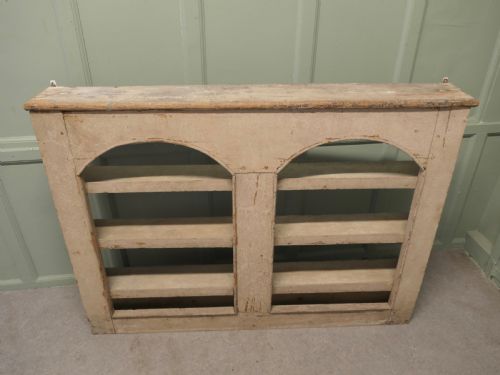
A french wall cabinet brings storage off the floor, using wall space for domestic utility or display. The examples met on this page span robust 18th Century provincial fruitwood and oak cupboards to ornate 19th Century giltwood and glazed vitrines.
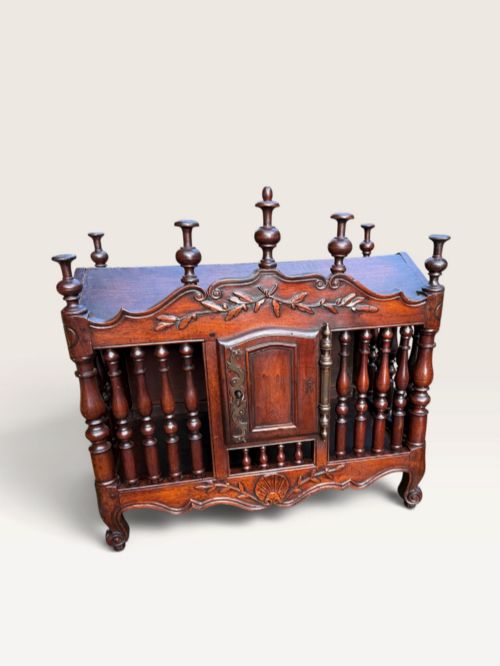
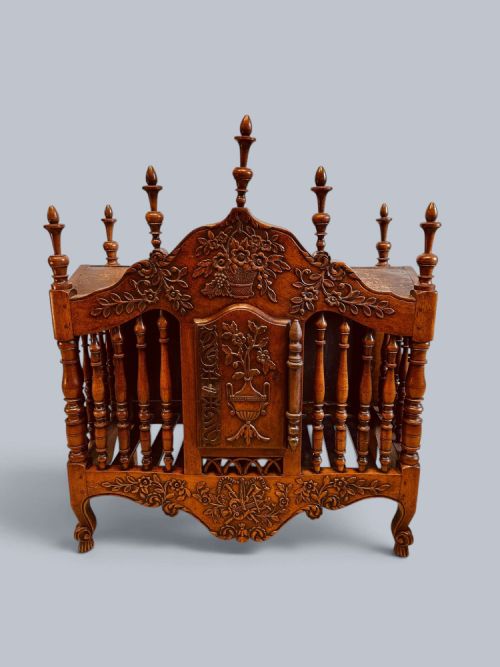
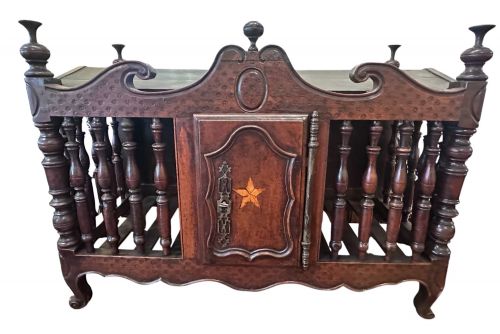
Makers constructed these pieces for specific domestic roles, from enclosed panetiere bread cages to open shelved alcove cupboards and mirrored display shelves. Regional workshops shaped the timber to suit local requirements across French manoirs and provincial homes.
Materials and Construction
Cabinet makers relied primarily on solid timbers such as oak, walnut, chestnut, fruitwood, and pine, joined with traditional pegged framing to bear the weight of stored household goods. Artisans applied carved details directly to the wood or finished surfaces with gold leaf and gesso.
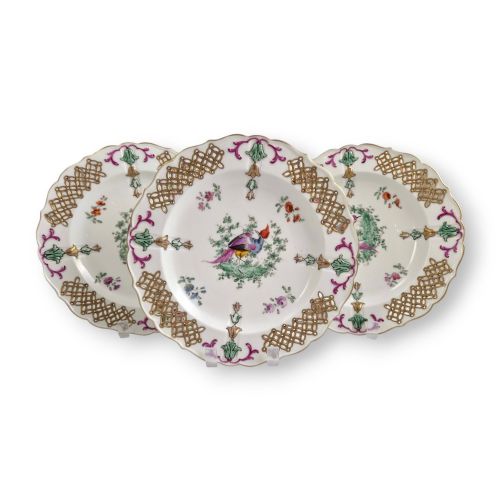
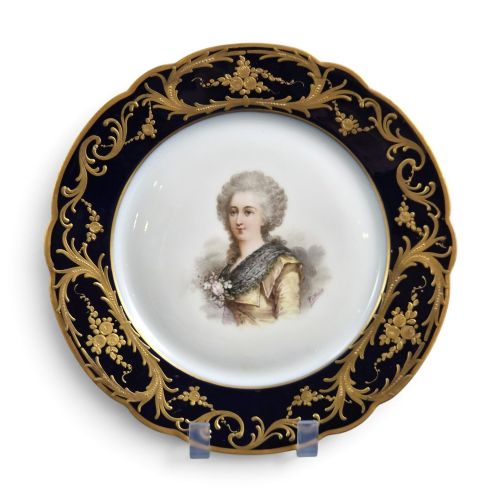
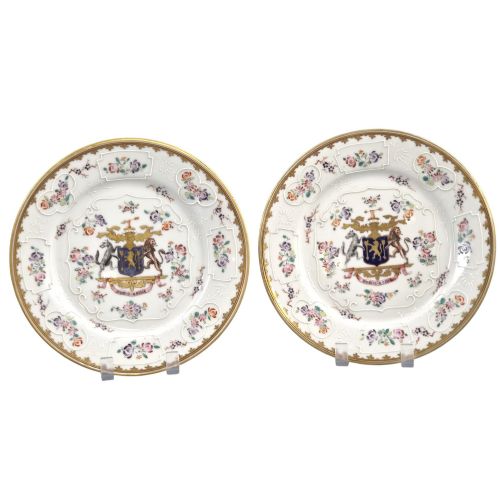
Glass panels and iron or brass hardware complete the hanging vitrines and cupboards, while porcelain elements appear in associated cabinet plates and decorative mountings.
French Wall Cabinet Retail Price Guide 2026
Typical asking prices for french wall cabinet among the pieces listed under this phrase on Sellingantiques today, from the lower quarter to the upper quarter. They describe what is for sale here now, not the wider market.
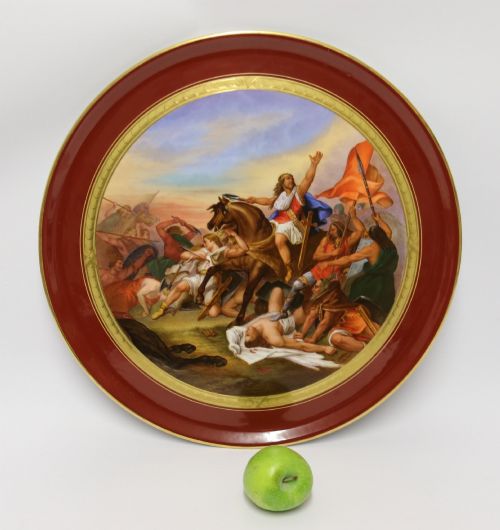
The listings span oak, walnut, fruitwood, and pine, alongside porcelain plates and giltwood display shelves.
Measures of Quality
Quality rests upon the crispness of the hand carving and the integrity of the original timber framing, particularly at the joints and door hinges. Finer examples retain their original surface patination, glass, and hardware without heavy restoration.
The sophistication of the stylistic revival details, whether Rococo, Louis XVI, or provincial rustic, dictates the refinement of the piece.
Darte Brothers·Town And Emanuel·Siegel
The French Wall Cabinet Glossary
- Panetiere
- A traditional French food storage cabinet, often constructed with turned spindles or balusters to allow ventilation for bread. These pieces frequently feature carved walnut or oak frames.
- Vitrine
- A glass-fronted cabinet designed for the display of porcelain and decorative objects. These hanging cases often incorporate giltwood or carved details.
- Giltwood
- Timber treated with a thin layer of gold leaf over a prepared gesso ground. This finish appears on decorative shelves and display cabinets from the 19th century.
- Provincial
- Denoting furniture made in the regions outside Paris, prioritising local hardwoods like chestnut and fruitwood over metropolitan court styles.
French Wall Cabinet: Frequently Asked Questions
What is a french wall cabinet used for?
These cabinets served to store provisions, bread, or household utensils while keeping them elevated and secure. They also acted as display spaces for porcelain plates and decorative objects.
Today, they function well in kitchens, dining rooms, or hallways to hold small collections or daily items without taking up floor space.
How do I date a french wall cabinet?
Dating relies on timber selection, tool marks, and stylistic indicators such as provincial carvings or Rococo Revival motifs. Earlier pieces often display pegged oak or walnut construction.
Later 19th Century examples introduce machine-sawn elements, giltwood finishes, and glass-fronted hanging vitrine designs.
Are all these cabinets made in France?
The selection includes pieces originating from French provincial regions, manoirs, and workshops, reflecting distinct local cabinet-making traditions.
Other related hanging cabinets and display cases from the 19th century reflect British interpretations of continental styles.
How do I hang a heavy antique cabinet?
Original mounting points require careful inspection to ensure the timber frame can support the weight of the cabinet and its contents. Modern concealed wall brackets or heavy-duty battens secured into wall studs provide the necessary support.
Professional installation is recommended for solid oak or walnut pieces carrying glass doors.