



French Vanity Seating
French vanity seating brings intimate charm to a dressing room, offering low stools and boudoir chairs designed for daily comfort and elegance.
French Vanity Seating
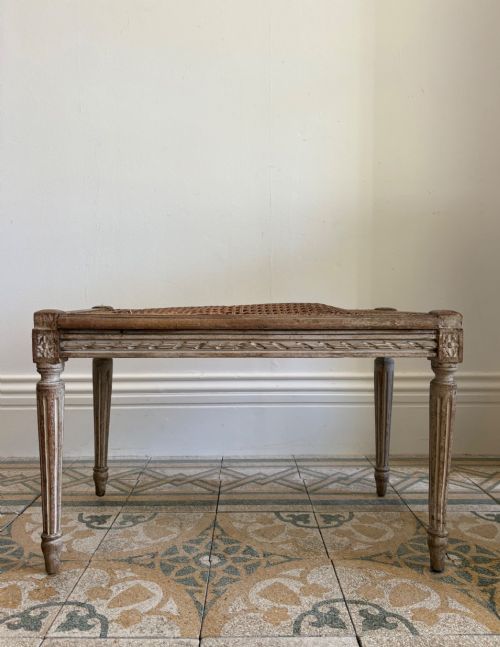
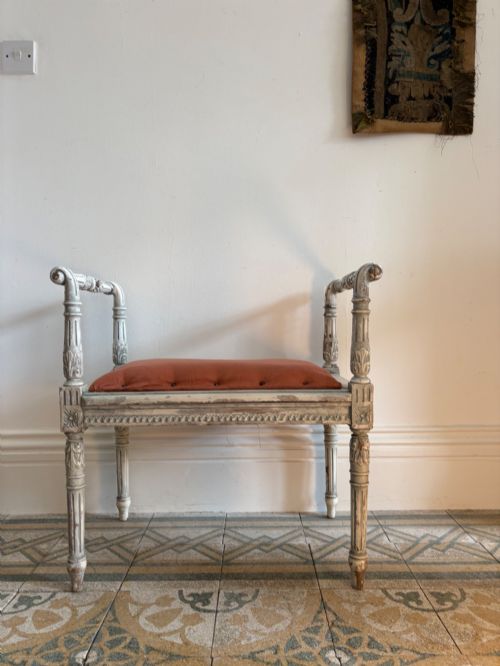
French vanity seating encompasses a variety of low stools, window seats, and boudoir chairs suited for dressing rooms and bedrooms. When searching for french vanity seating, buyers encounter pieces primarily originating from the nineteenth and early twentieth centuries, spanning periods from eighteen hundred up to nineteen thirty.
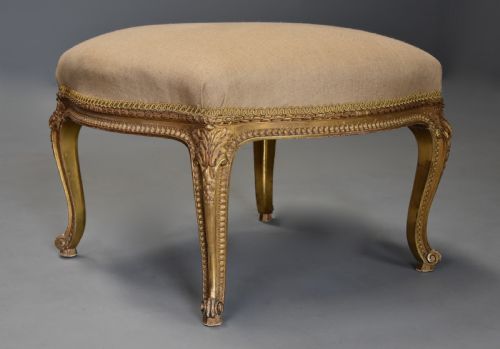
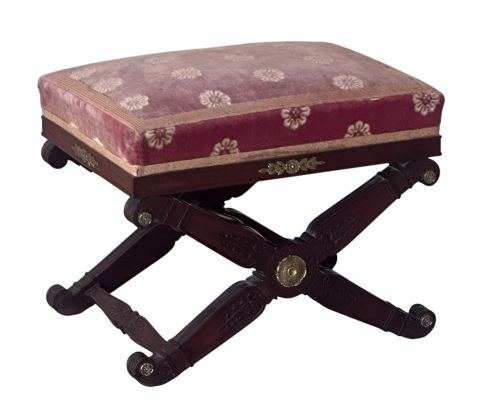
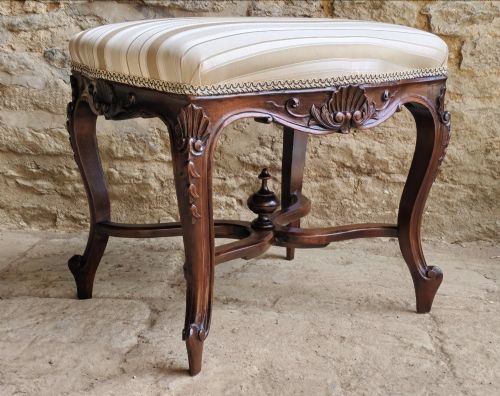
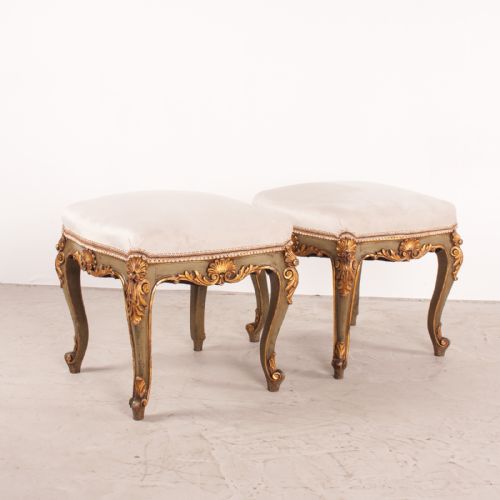
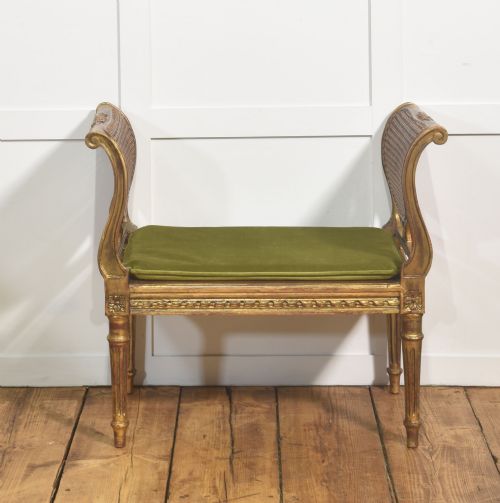
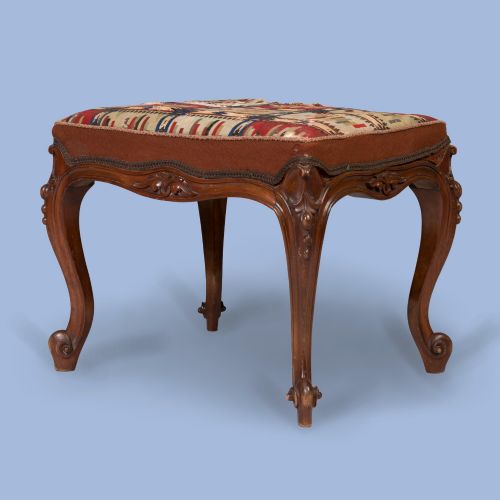
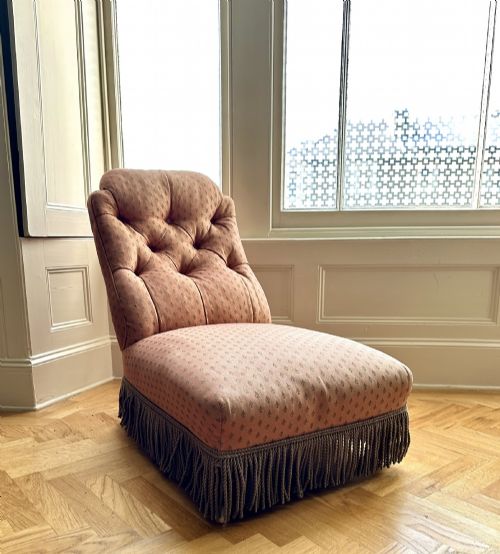
The forms on offer range from X-frame stools and circular boudoir seats to slipper chairs and duet stools. Many examples display distinct historical influences, including Louis XVI style, Louis XV style, and French Empire designs, often featuring low profiles intended for sitting before a dressing table.
Materials and construction methods
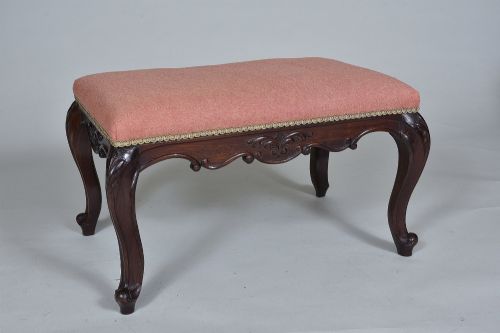
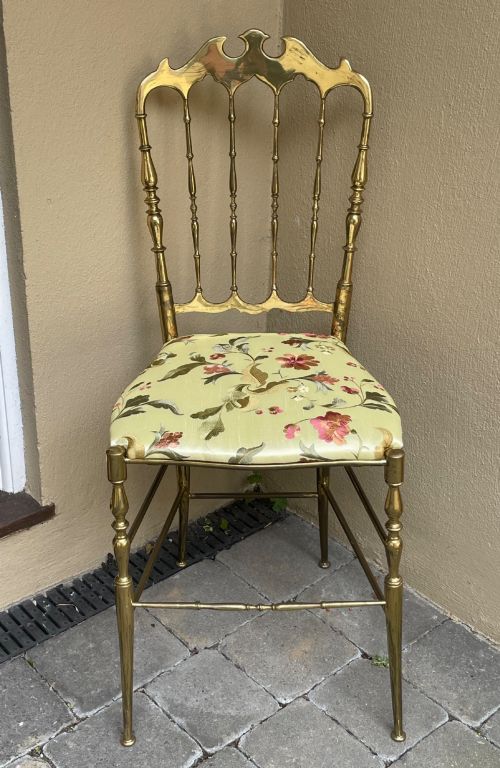
Makers of french vanity seating employed traditional timber framing, frequently utilising walnut, mahogany, and rosewood alongside painted and gilded woods. Structural decoration often relied on hand-carved ornamentation and polished brass components to achieve ornate period finishes.
Upholstery forms a vital part of construction, incorporating silk, velvet, tapestry, and general textile coverings often finished with fringe detailing. Metal adjustments, such as screw tops, appear on specialised piano stools from the nineteenth century.
French Vanity Seating Retail Price Guide 2026
Typical asking prices for french vanity seating among the pieces listed under this phrase on Sellingantiques today, from the lower quarter to the upper quarter. They describe what is for sale here now, not the wider market.
Design styles represented include Victorian Rococo Revival, Louis XV, Louis XVI, French Provincial, and French Empire.
Distinctions in quality
The refinement of hand-carved wood details separates standard seating from exceptional pieces. Crisp execution in giltwood, painted finishes, and structural joinery dictates the overall integrity of a stool or boudoir chair.
The selection and preservation of original textiles, such as silk, velvet, and tapestry seats, heavily influence the desirability and character of the piece. Attribution to known makers or workshops also elevates certain examples above unmarked production.
Lamb of Manchester·A.M.E. Fournier
The French Vanity Seating Glossary
- Boudoir chair
- A small, decorative chair designed for a private dressing room or bedroom. These seats frequently feature low profiles and ornate upholstery.
- Cabriole leg
- A furniture leg that curves outward and then tapers inward, terminating in a simple foot. This form is common on Victorian and Louis XV style pieces.
- Giltwood
- Wood that has been coated with gold leaf or a gold-coloured finish. It provides a bright, reflective surface characteristic of decorative period seating.
- Curule stool
- An ancient Roman magistrate chair shape featuring opposing concave legs that cross in an X formation. This ancient form reappears in French Empire designs.
- Slipper chair
- A low-set upholstered chair lacking arms, originally utilised for sitting while putting on shoes or garments. These items often include fringe trim.
French Vanity Seating: Frequently Asked Questions
What is french vanity seating?
French vanity seating refers to low chairs, boudoir seats, and stools designed for dressing areas and bedrooms. These pieces borrow from historical styles like Louis XVI and French Empire.
They provide practical seating at a dressing table while adding decorative character to a private room through carved wood and fine upholstery.
How do I identify a period piece?
Identifying the age involves examining the timber types, hand-carved details, and construction methods. Nineteenth-century examples often feature walnut, mahogany, or giltwood frames with traditional joinery.
Stylistic cues such as cabriole legs, X-frame structures, and specific upholstery materials like silk or tapestry also help date the seating.
Where should I place a boudoir chair?
These compact seats fit naturally in bedrooms, dressing rooms, or quiet corners where space is limited. Their low height makes them suitable for placement near a dressing table or vanity.
They also function as decorative accent chairs in living spaces when paired with complementary period furnishings.
What materials were used for these seats?
Frames were typically constructed from woods such as mahogany, walnut, rosewood, or softer woods that received paint or gilt finishes. Brass accents sometimes appear on structural elements.
Upholstery materials ranged from velvet and silk to woven tapestry and general textiles, frequently finished with decorative fringes.