
French Twin Arm Sconces
When searching for french twin arm sconces, buyers find wall lights designed to illuminate rooms with dual branches.

French Twin Arm Sconces
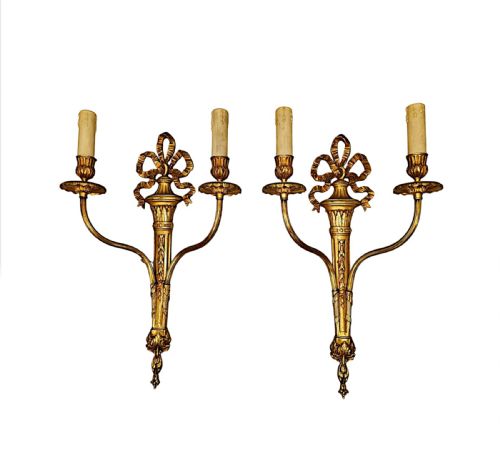
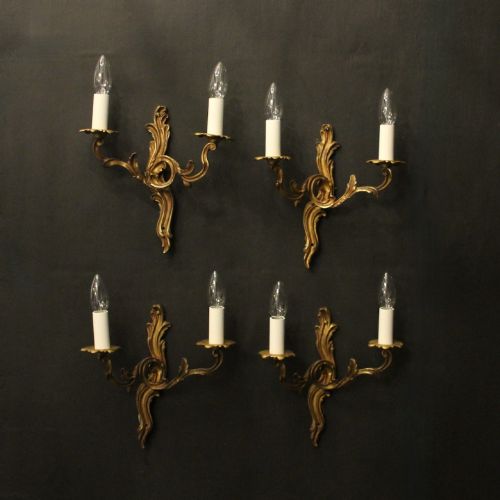
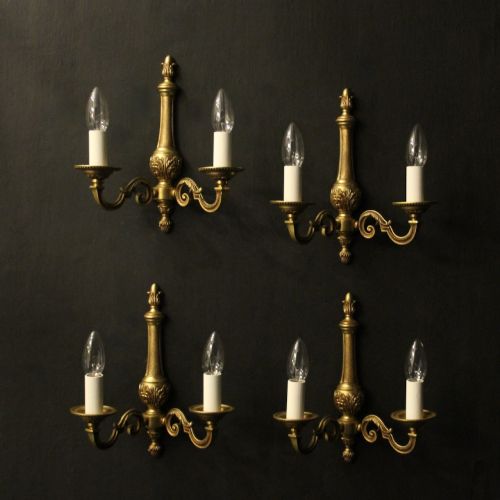
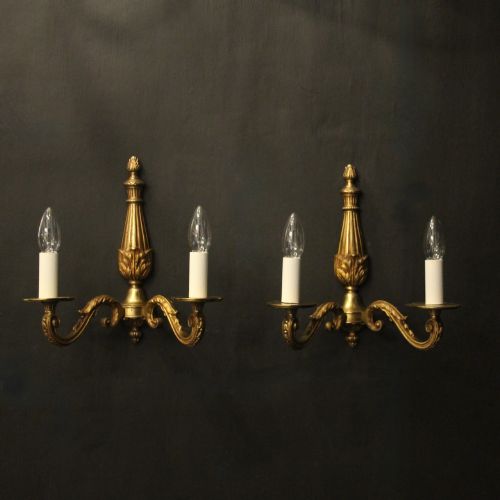
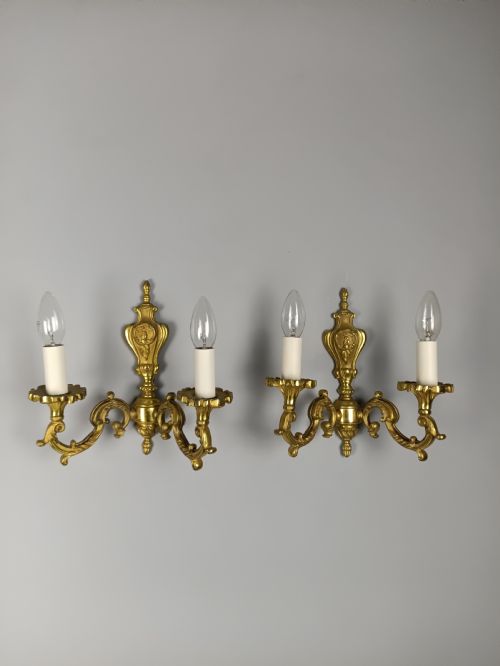
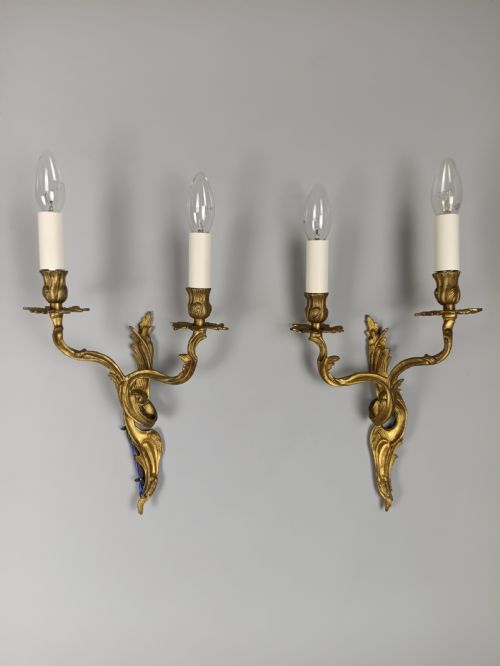
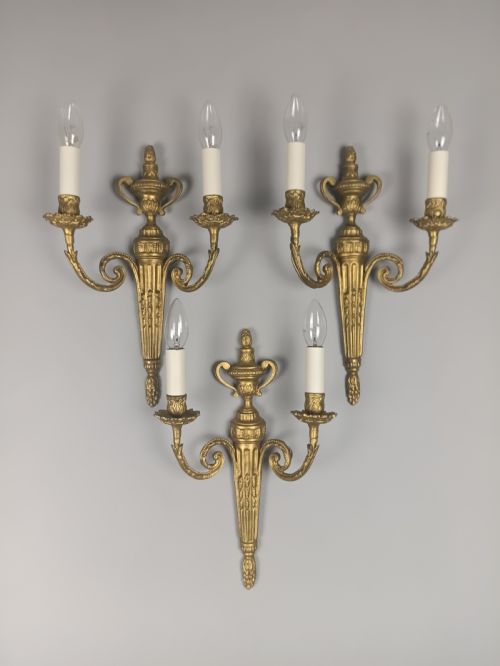
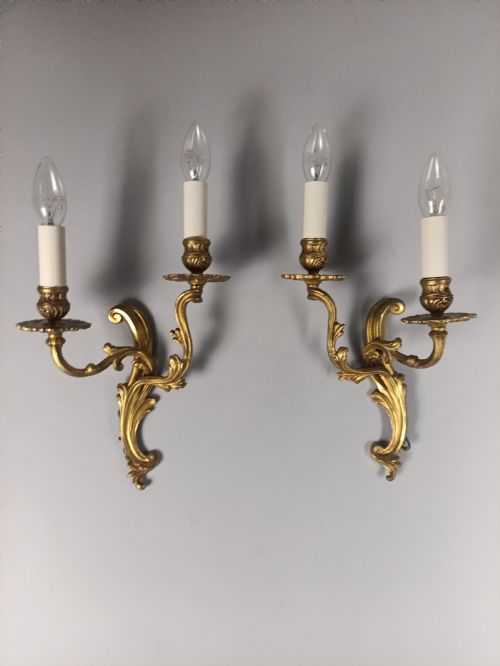
French twin arm sconces comprise wall lights and wall sconces designed with two branches for illumination. The selection spans the nineteenth century up to the nineteen-thirties, including Victorian pieces.
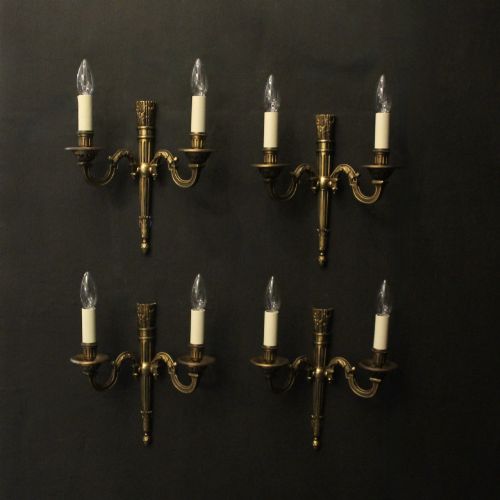
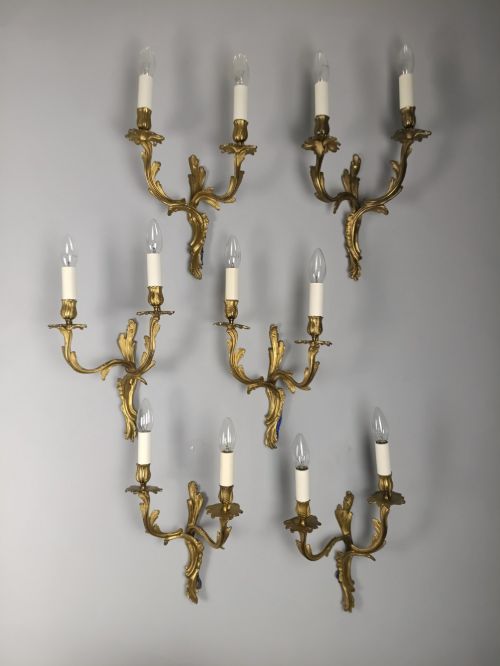
Most examples meet buyers as pairs or sets of four and six, reflecting domestic lighting requirements from periods like Louis XVI and the Edwardian era.
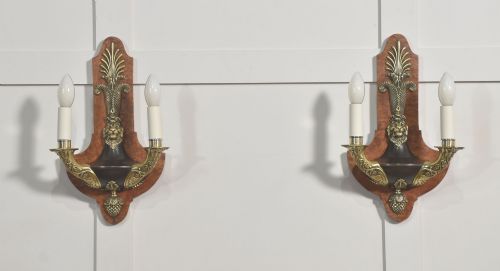
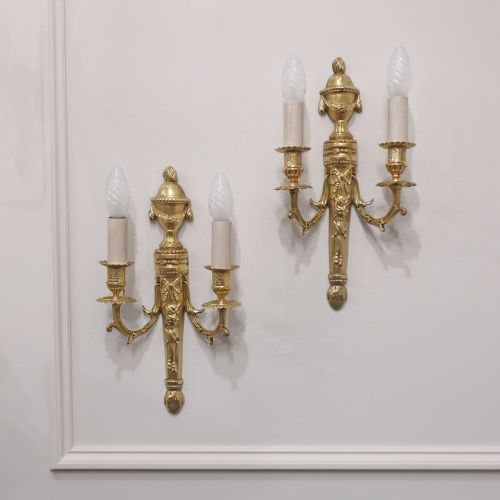
Makers drew on established ornamental vocabularies such as French Rococo, French Neoclassical, and French Empire styles.
How they were made
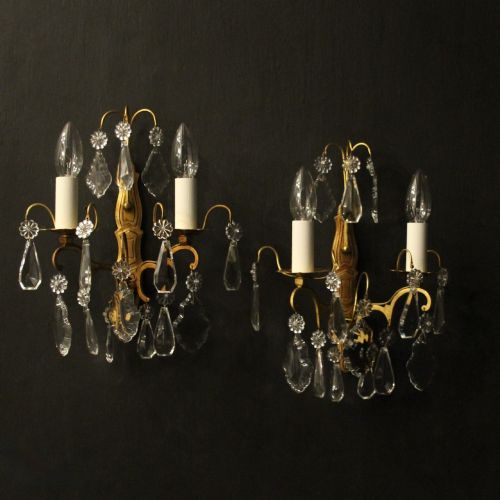
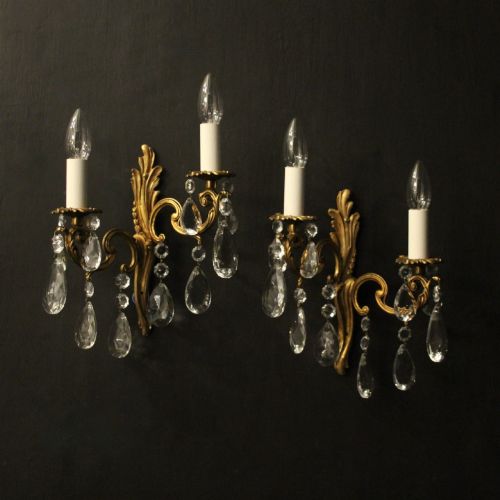
Foundries cast these light fittings in brass, bronze, and gilt metal, often applying a gilded finish to enhance the metallic surface. Artisans also utilised materials like crystal, burr walnut, and iron across different designs.
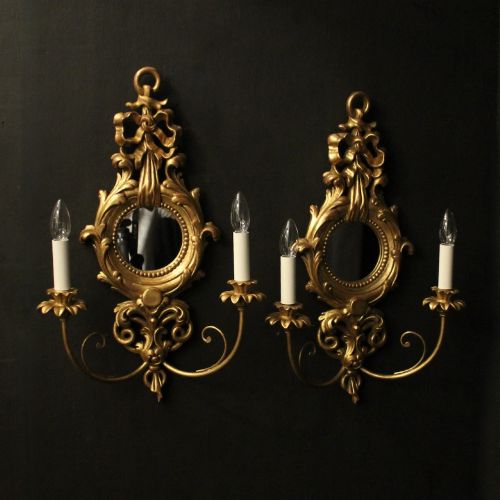
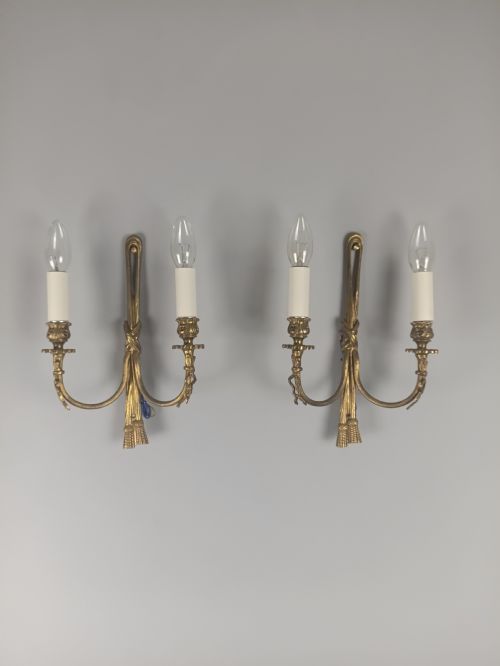
Surface treatments vary from polished or faded gilt to ormolu and silver gilding, applied over cast metal frames shaped with ribbon motifs or scrollwork.
Some sconces incorporate sly ribbon motifs tied firmly in cast metal, eternally preventing the bows from coming undone.
What varies in quality
Quality rests in the crispness of the casting and the depth of the chased detail across the brass or bronze arms. Superior examples retain rich, consistent gilding that highlights the sculptural quality of the backplate.
Heavier gauge metal and integrated backplates indicate higher workshop standards compared to lighter production pieces intended for standard domestic use.
Casier
The French Twin Arm Sconces Glossary
- Ormolu
- Finely chopped high-karat gold applied to a bronze base using a mercury amalgamation technique. This historic process creates a warm, enduring lustre characteristic of finer antique lighting.
- Girandole
- A branched wall light or sconce typically featuring reflective elements like mirrors or crystal drops. The design multiplies the ambient glow of the candles or bulbs.
- Rococo Revival
- A nineteenth-century stylistic movement reviving asymmetrical scrollwork, C-scrolls, and naturalistic plant motifs. It heavily influences the ornamentation of mid-period French wall lights.
- Neoclassical
- A style drawing on classical Greek and Roman architecture, marked by symmetry, urns, and strict geometric proportions. These sconces offer a restrained alternative to ornate Rococo designs.
- Backplate
- The structural wall-mounting section of a sconce that supports the projecting arms. It often bears the primary decorative relief of the piece.
French Twin Arm Sconces: Frequently Asked Questions
How were french twin arm sconces used?
These wall lights provided layered illumination in nineteenth and early twentieth-century domestic interiors, often flanking mirrors, fireplaces, or doorways.
Pairs and larger sets allowed homeowners to balance light distribution across formal reception rooms and hallways.
Can these wall lights be rewired?
Many surviving examples arrive adapted for modern electrical wiring while retaining their original brass and bronze components.
Professional rewiring ensures the historic metalwork safely accommodates contemporary wall fittings and bulbs.
How do I identify french rococo styles?
Rococo pieces feature asymmetric scrolling, acanthus leaves, and shell motifs cast into the bronze or brass framework.
This aesthetic prioritises fluid, organic movement over the strict symmetry found in Neoclassical or Empire designs.
What materials make up these sconces?
Workshops primarily utilised cast bronze, brass, and gilt metal, occasionally incorporating crystal drops or wooden elements like burr walnut.
Surface finishes range from ormolu and silver gilding to patinated metal surfaces.