
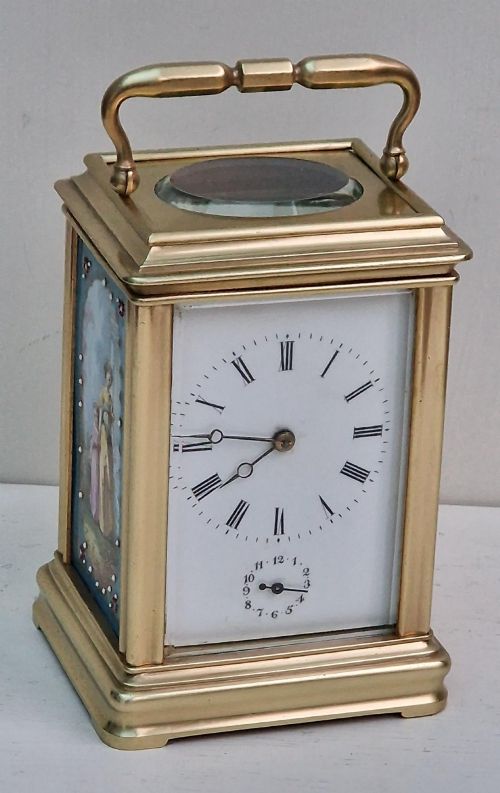
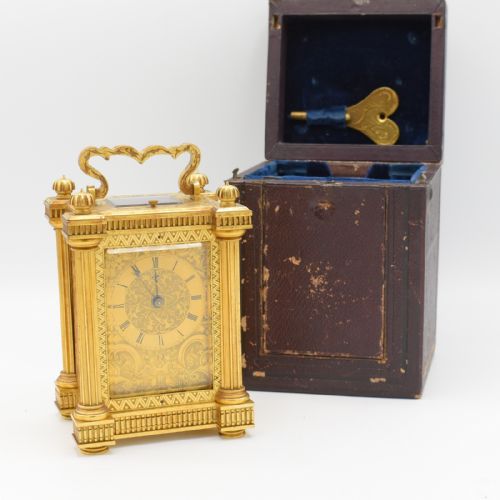
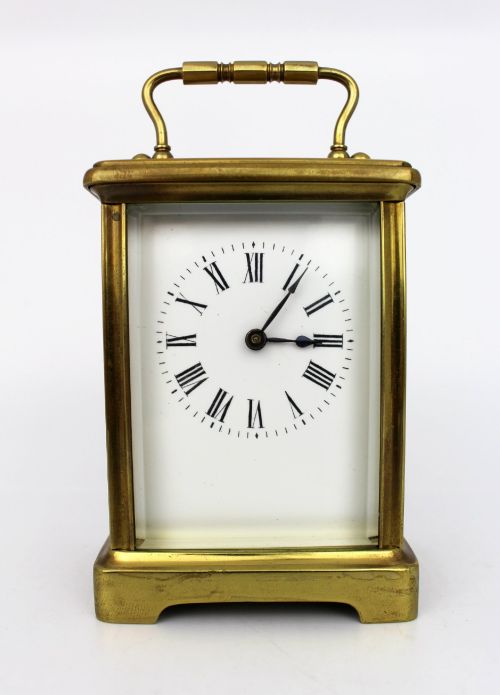
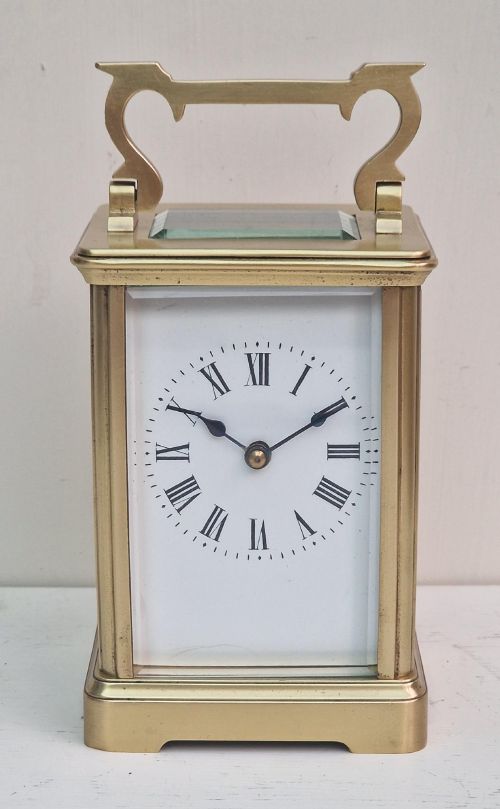




French Tabletop Timepiece
A French tabletop timepiece brings precision engineering and ornamental elegance together, offering a portable or desk-bound statement of period design.
French Tabletop Timepiece
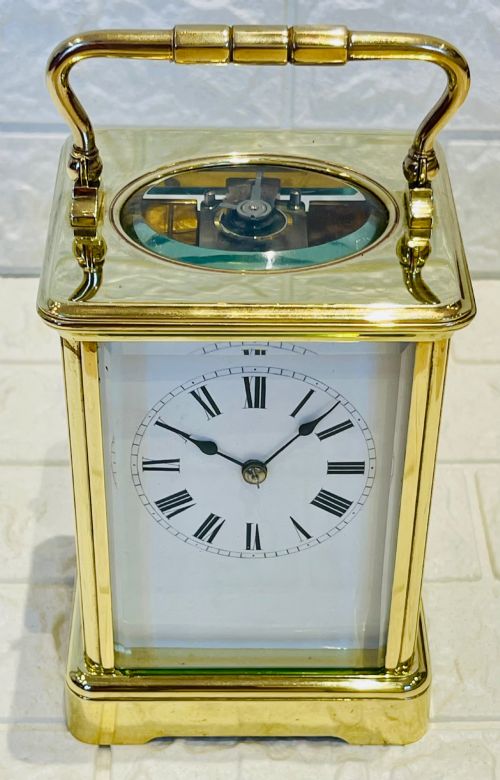
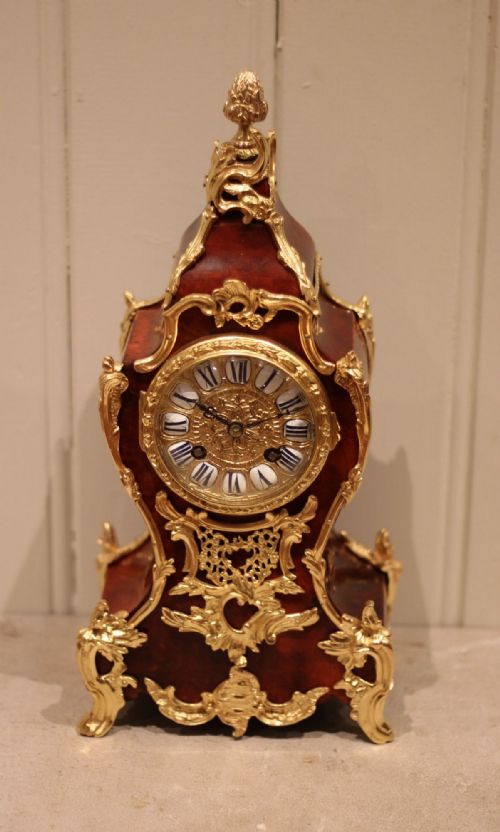
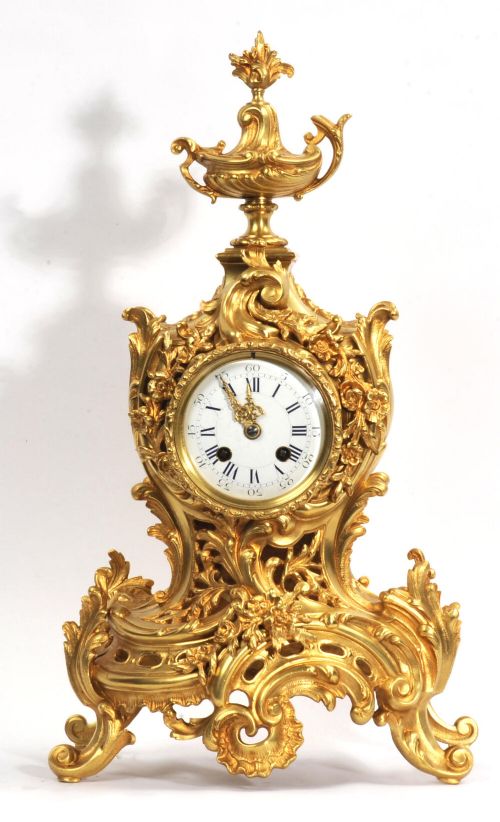
When you search for a french tabletop timepiece, you encounter a selection of portable clocks, mantel timepieces, and carriage clocks originating from the nineteenth and early twentieth centuries. These pieces reflect diverse aesthetics spanning the Victorian era, Art Nouveau, Art Deco, and French Rococo Revival styles.
You are most likely to meet brass carriage clocks housed in bevelled glass cases, alongside wooden or gilt bronze mantel timepieces. The selection frequently includes mechanical movements featuring repeating strike mechanisms, enamel dials, and porcelain panels.
Examples from this category serve both a functional timekeeping role and a decorative purpose, designed to sit upon desks, mantels, and tables. Their origins trace back through French and English workshops of the 1850s to the 1930s.
Markers of quality
Quality in these timepieces rests upon the crispness of the cast bronze or brass work, the weight and finish of the movement, and the delicacy of the enamel work on the dial. Maker attribution also plays a role, with signed movements by established retailers or horologists commanding greater interest.
The complexity of the mechanism itself distinguishes higher-tier examples, particularly those incorporating repeater functions, alarm complications, or bell strike systems. Furthermore, the inclusion of original travel cases and undamaged porcelain or tortoiseshell elements elevates the integrity of the piece.
Listings feature periods spanning from the 1850s Victorian era through to the 1930s Art Deco movement, utilising materials including tortoiseshell, porcelain, and gilt bronze.
Howell & James London·Dent·Alfred Hollinge·Penlington & Batty
The French Tabletop Timepiece Glossary
- Carriage clock
- A small, spring-driven timekeeper equipped with a carrying handle, originally designed for travel by officers and nobility. They typically feature glass panels on all sides to expose the movement.
- Ormolu
- A metallic technique involving the application of finely ground, high-carat gold to a bronze object. It provides a rich, warm lustre characteristic of French decorative arts.
- Repeater
- A mechanical complication in a clock that chimes the hours and quarters upon demand when a lever or button is pressed. This function required advanced miniature engineering.
- Escapement
- The internal mechanism that controls the release of gear trains to regulate the rotation of the hands. It provides the characteristic ticking sound of the timepiece.
French Tabletop Timepiece: Frequently Asked Questions
What is a French tabletop timepiece?
A French tabletop timepiece refers to portable mechanical clocks and desk timepieces produced in France or retailed for the British market during the nineteenth and early twentieth centuries. These objects combine heavy metal cases with intricate gear movements.
They encompass various forms, from brass-framed carriage clocks with glass panels to ornate gilt bronze mantel clocks and tortoiseshell table timepieces.
How do carriage clocks work?
Carriage clocks operate using a spring-driven movement regulated by an escapement, allowing them to keep time without the need for a pendulum. This portable design made them suitable for travel.
Many examples include secondary mechanical functions such as striking bells on the hour, alarm settings, or repeating mechanisms activated by hand.
Where should I place a mantel clock?
These clocks are designed for stable, flat surfaces such as drawing room mantelpieces, library desks, or side tables where their decorative panels and dials can be admired. It is important to keep them away from direct sunlight and damp environments.
Positioning them on a level foundation ensures the mechanical balance wheel or pendulum operates with consistent rhythm.
How do I identify the period?
Dating relies on stylistic clues, such as the curved extravagance of Rococo Revival mounts, the organic floral motifs of Art Nouveau, or the geometric lines of Art Deco. Materials like tortoiseshell and specific enamel colour palettes also point towards distinct decades.
Signatures on the dial or movement backplate often provide direct evidence of the maker and the active operational period of the workshop.