


French Table Globe
A French table globe is a geographical or celestial sphere for the desk, valued for cartography and decorative brass or marble mounts.
French Table Globe
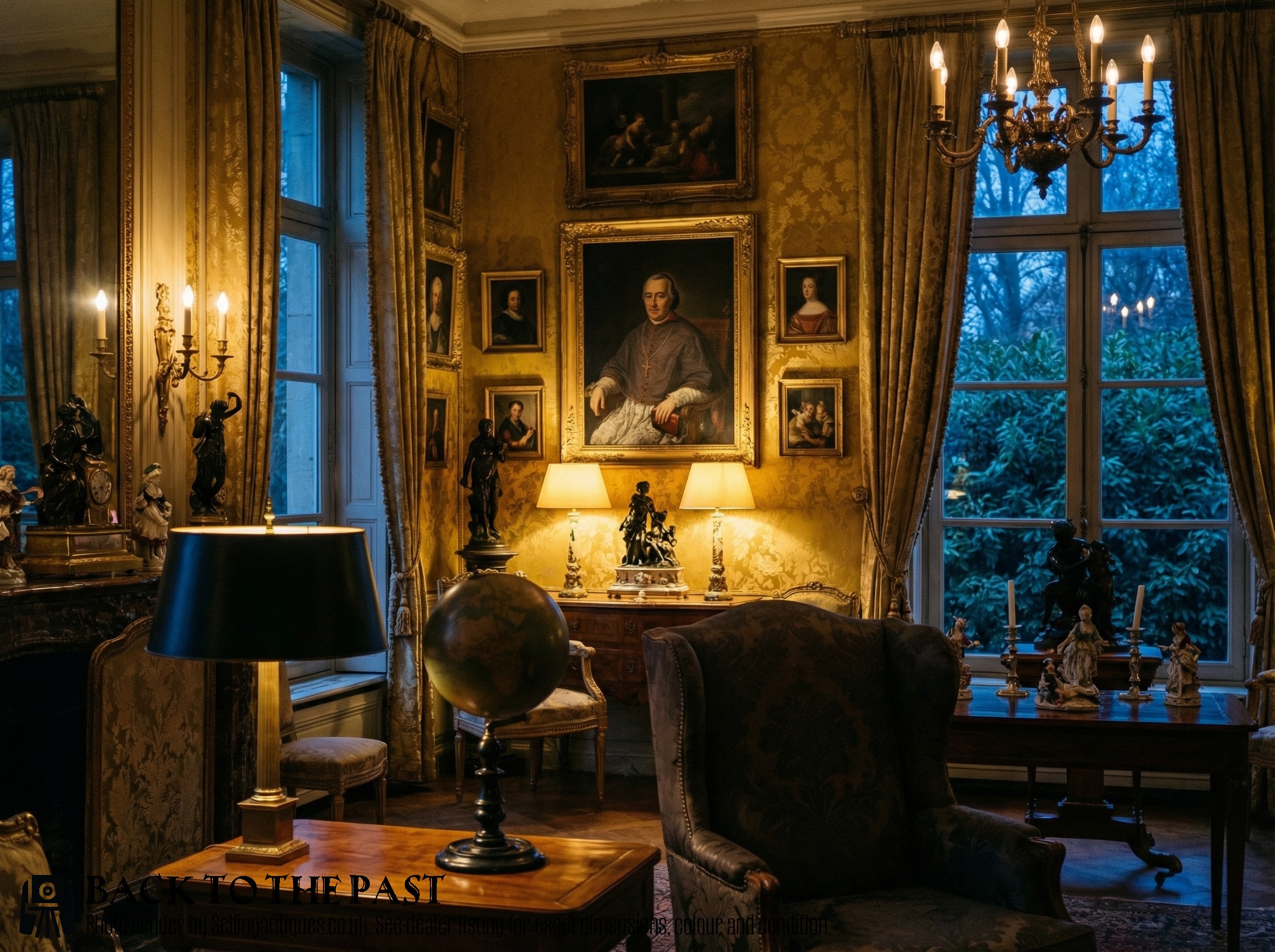
A french table globe sits on a desk or table, often mounted with a meridian ring and a heavy base made from marble or wood. You will find examples produced across the nineteenth century and into the nineteen-thirties, reflecting changing geographical boundaries and decorative tastes over time.
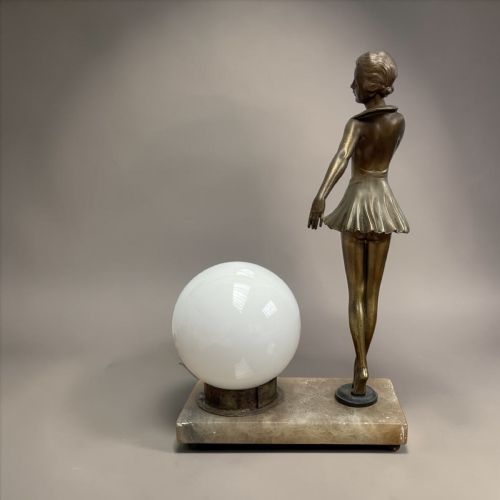
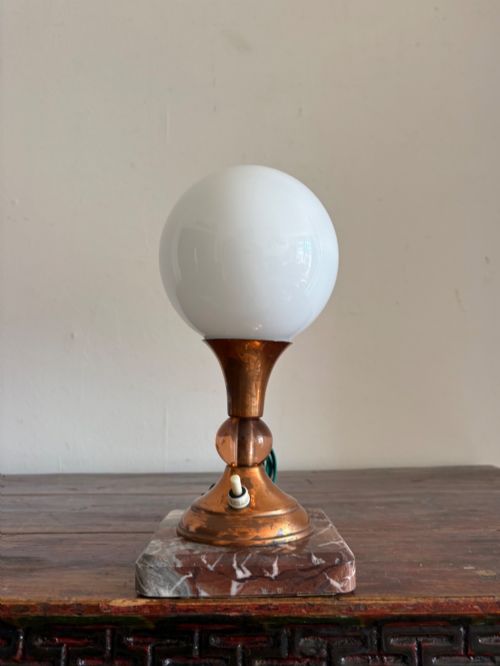
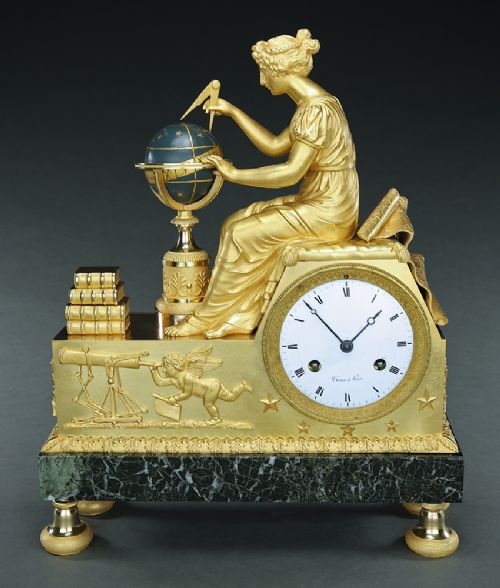
The selection includes terrestrial spheres alongside hybrid objects that combine cartography with illumination or timekeeping. These decorative items bring period charm to a study or library, drawing attention through their detailed paper gores and metalwork mountings.
Materials and construction methods
Maker workshops constructed the spheres using printed paper gores applied over a papier-mâché or plaster core, which were then hand-varnished for protection. Bases and meridian rings relied on turned brass, bronze, ebonised wood or solid marble to provide stability.
Details such as cartographic lettering and boundary lines were lithographed or engraved before mounting into the desk stand. These manufacturing choices ensured the globes remained functional scientific instruments while serving as interior decoration.
Listings demonstrate that French table globes span the nineteenth century and the nineteen-thirties, frequently mounted on marble and brass bases.
Assessing quality in construction and cartography
Quality rests in the clarity of the printed cartography and the precision of the paper gores meeting at the poles without overlap. Better examples exhibit crisp geographic detail and well-preserved varnish that prevents the paper from yellowing excessively.
The substructure dictates the weight and balance of the piece, with heavy marble or cast bronze bases indicating a higher grade of production than lighter substitutes. Original components remaining intact across the meridian and horizon rings elevate the overall integrity.
J. Forest·M.Vivien
The French Table Globe Glossary
- Gores
- Printed paper segments cut in pointed strips to cover the curved surface of a sphere. They carry the geographical details of the map.
- Meridian ring
- The graduated metal circle surrounding the globe that allows it to tilt along a fixed axis. It provides structural support to the sphere.
- Papier-mâché
- A composite material made from paper pulp mixed with adhesive, moulded to form the lightweight core of the globe. It takes the paper gores smoothly.
- Terrestrial globe
- A scale model of the Earth displaying landmasses, oceans and political boundaries. It serves as a geographical reference tool.
- Ebonised wood
- Timber treated with a dark finish to imitate expensive ebony. It is frequently seen on the turned feet and stands of period pieces.
French Table Globe: Frequently Asked Questions
How do I date a table globe?
Dating relies on examining the political boundaries and place names printed on the paper gores, which reflect the geopolitical reality of the time of manufacture.
Stylistic cues in the accompanying metal mounts and wooden bases also help place the object within periods such as the nineteenth century or the nineteen-thirties.
Where should I display my globe?
Place the globe on a sturdy desk, table or bookshelf away from direct sunlight to protect the paper gores from fading and discolouration.
Ensure the room maintains stable humidity levels to prevent the paper from lifting or the underlying core from warping over time.
Are these globes accurate?
The cartography reflects the geographical knowledge and national perspectives of France at the time the gores were printed and published.
While they lack modern satellite precision, they offer a fascinating historical record of how the world was mapped in earlier decades.