

French Table Desk
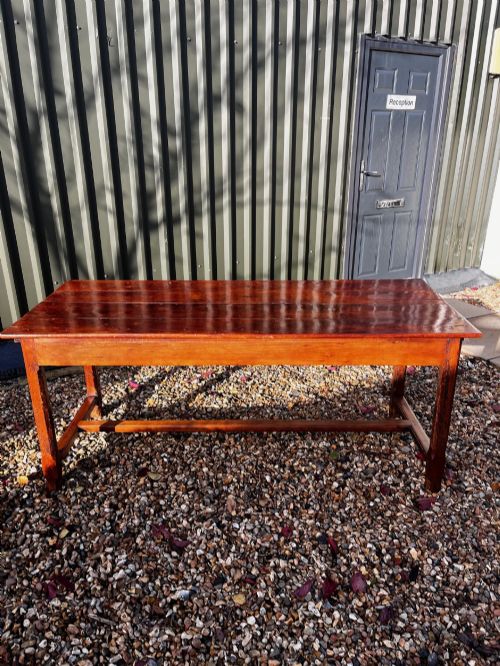
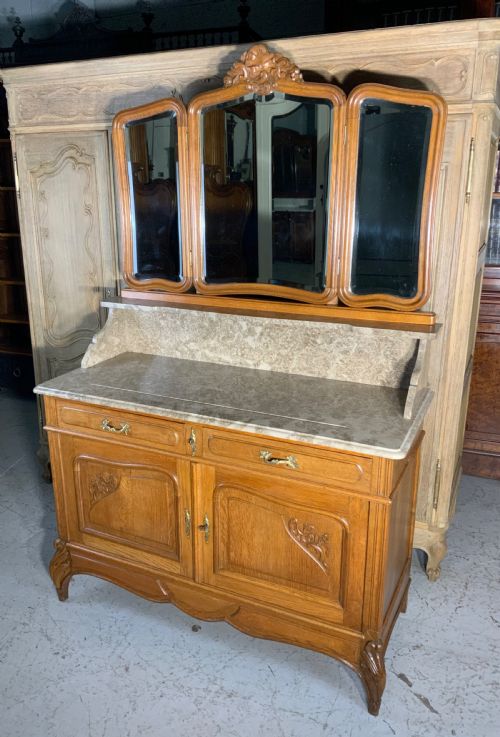
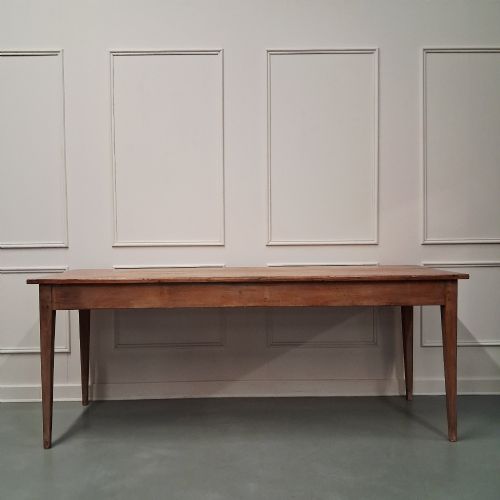
When you handle a French table desk, you find yourself holding a piece of furniture made for correspondence and display, combining walnut, kingwood and ormolu.
French Table Desk
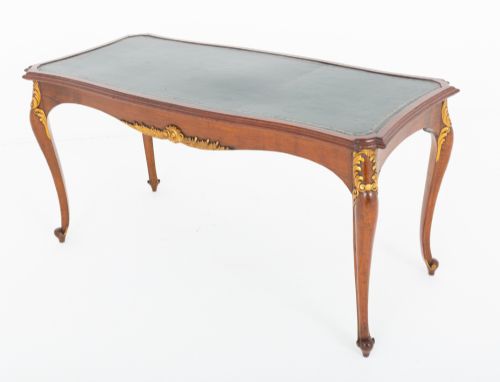
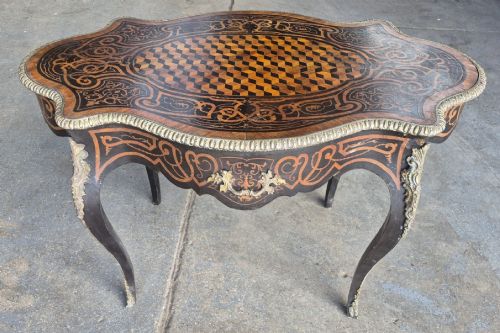
A French table desk serves as a dedicated writing surface, often freestanding with decorative parquetry or marquetry inlay across the top and sides. These pieces appear frequently in nineteenth century variations, drawing on Louis XV styles and regional provincial forms.
You will encounter different formats on this page, ranging from compact writing tables and bureau plat designs to elaborate bonheur du jour models fitted with small drawers and compartments. Walnut and kingwood provide the primary timber foundations for these refined workspace items.
How they were made
Cabinet makers utilised dense hardwoods such as walnut, kingwood, rosewood and cherry, often cutting them into thin veneers to create geometric parquetry patterns and floral marquetry compositions. These wooden surfaces received protective polished finishes while supporting structural frames built for daily use.
Gilt bronze and ormolu mounts were cast and chased to edge drawers, corners and legs, providing metallic contrast to the timber. Brass details and leather writing inserts completed the construction of these functional writing surfaces.
French Table Desk Retail Price Guide 2026
Typical asking prices for french table desk among the pieces listed under this phrase on Sellingantiques today, from the lower quarter to the upper quarter. They describe what is for sale here now, not the wider market.
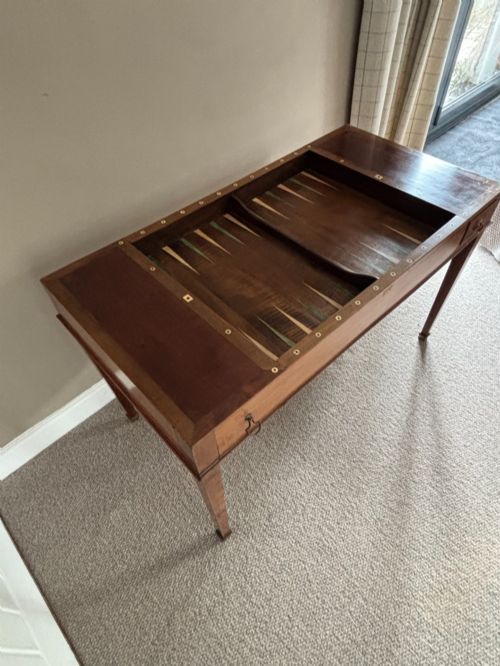
Desks occasionally retain secret compartments hidden behind sliding veneer panels, designed for private correspondence.
What varies in quality
The standard of a French table desk depends upon the precision of the veneer work and the crispness of the cast ormolu mounts. Finer examples display tightly aligned parquetry and substantial bronze hardware rather than stamped sheet metal.
Secondary timbers and interior drawer construction also indicate the grade of manufacture, showing whether a workshop invested time in hand-cut dovetails and carefully selected framing materials.
Gillows·JAS Shoolbred
The French Table Desk Glossary
- Parquetry
- Geometric patterns formed by fitting small pieces of veneer together on a surface. This technique appears widely on nineteenth century writing tables.
- Marquetry
- Pictorial veneer work using different coloured woods to form floral or scroll designs. It decorates the tops of many desks on this page.
- Ormolu
- Gilded bronze mounts applied to furniture edges and corners. This material provides metallic highlights on Louis XV style pieces.
- Bonheur du jour
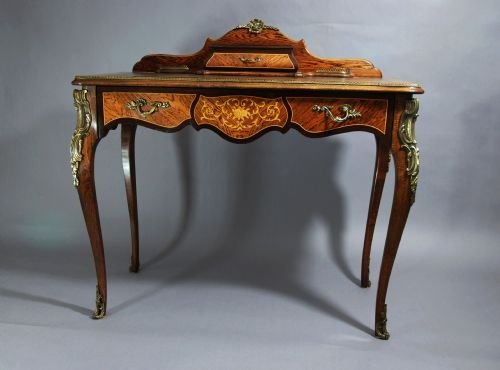
- A small lady's writing desk featuring a tiered superstructure with drawers and shelves above the main writing surface. These compact pieces date from the nineteenth century.
- Bureau plat
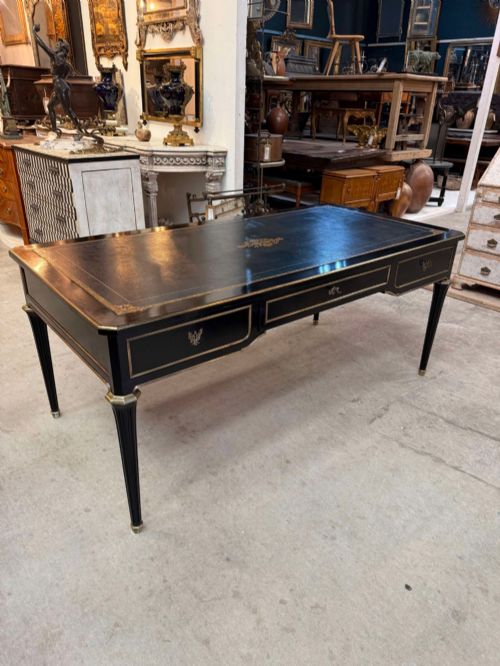
- A freestanding writing table fitted with drawers across the frieze. These large desks typically display gilt bronze mounts and leather writing panels.
French Table Desk: Frequently Asked Questions
How do I use a French table desk today?
You can use these pieces as functional writing desks in a study or as striking freestanding centre tables in a living space. Their compact proportions suit modern room layouts.
Keep polished wooden surfaces away from direct heat sources and protect leather inserts with appropriate care to preserve the original materials.
How do I identify a Louis XV style desk?
Louis XV style desks show characteristic serpentine curves, cabriole legs, and floral marquetry or parquetry patterns. Ormolu mounts follow the sweeping contours of the frame.
These design elements echo eighteenth century French aesthetics while typically dating from nineteenth century revival periods.
What is the difference between a bureau plat and a bonheur du jour?
A bureau plat is a flat-topped freestanding writing table with frieze drawers, designed to sit in the centre of a room. It offers an expansive work surface.
A bonheur du jour is smaller and includes a raised back section with small drawers and pigeonholes, traditionally intended for ladies' correspondence.