


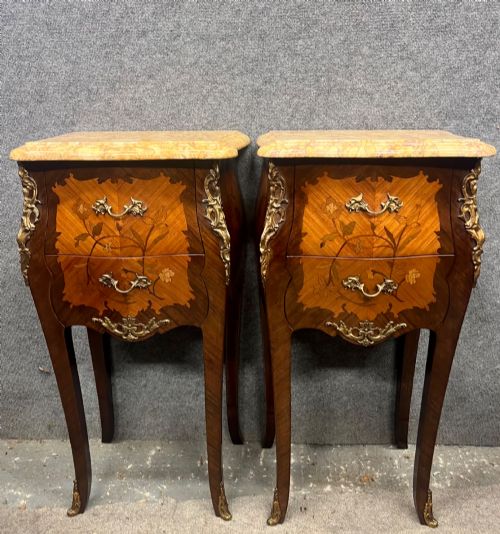
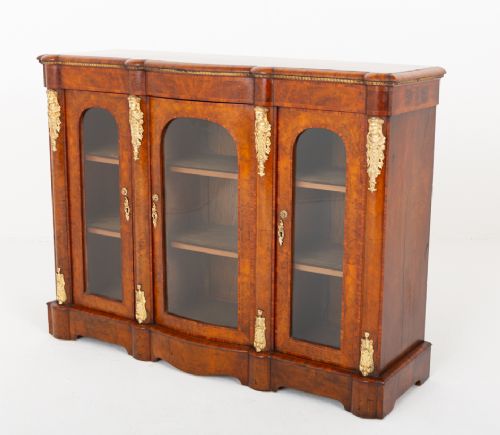
French Style Walnut Cabinet
When you search for a french style walnut cabinet, you are looking at richly grained timber shaped by continental design.
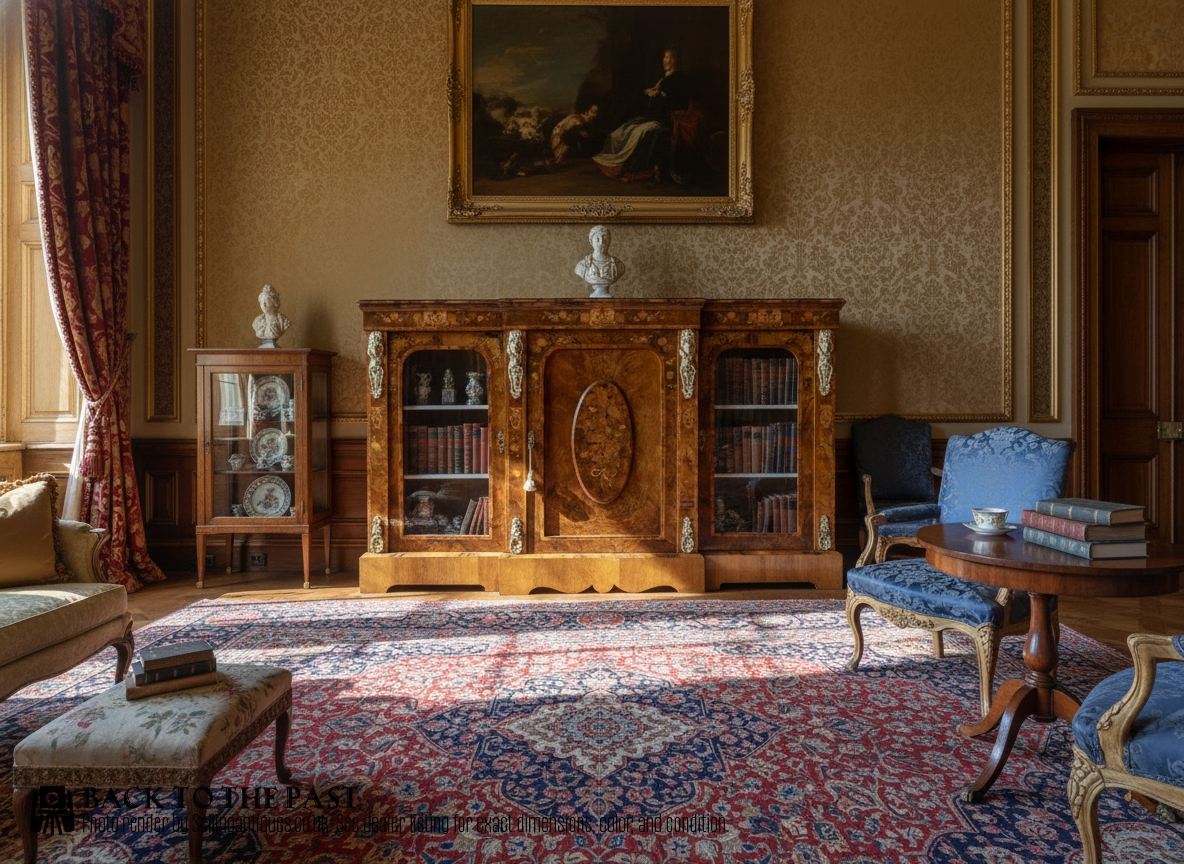
French Style Walnut Cabinet
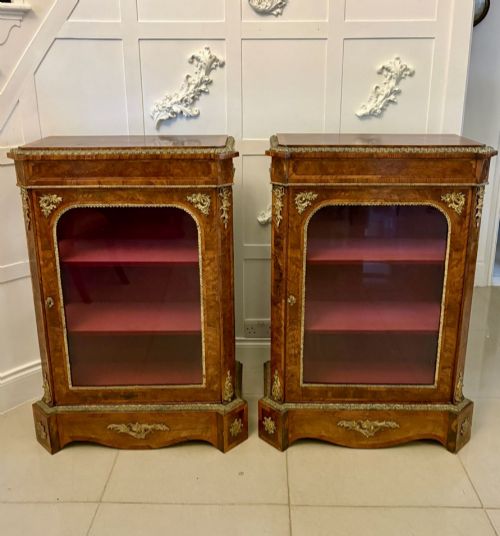
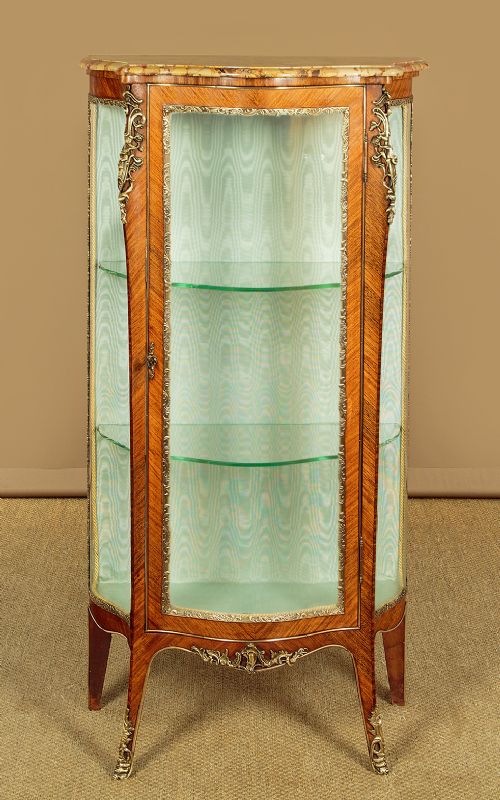
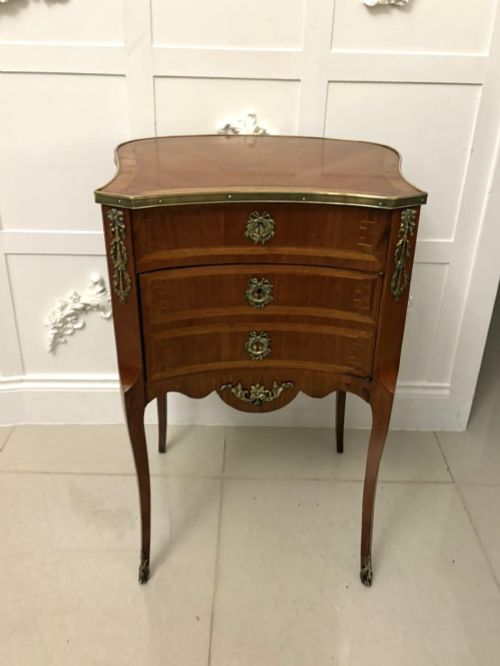
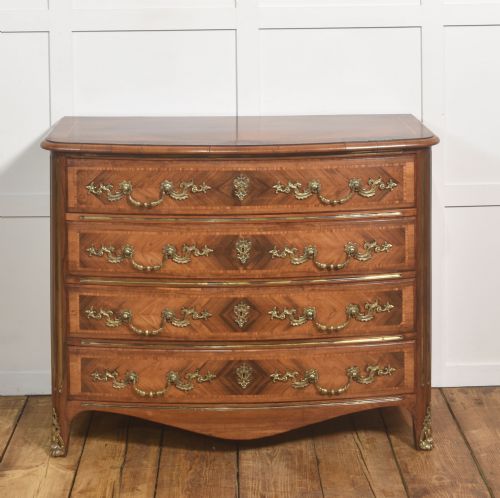
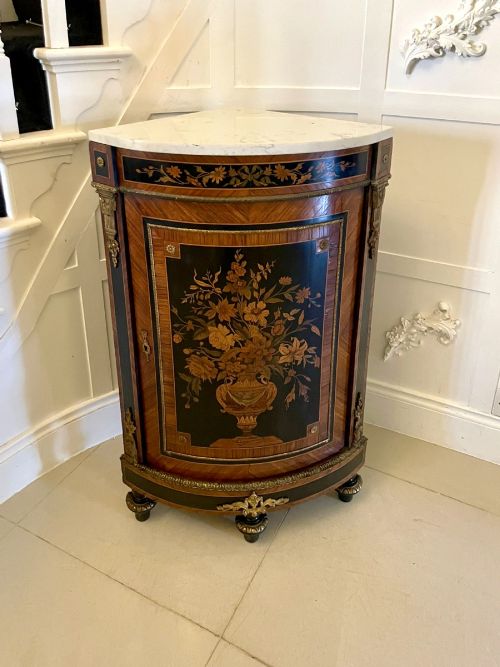
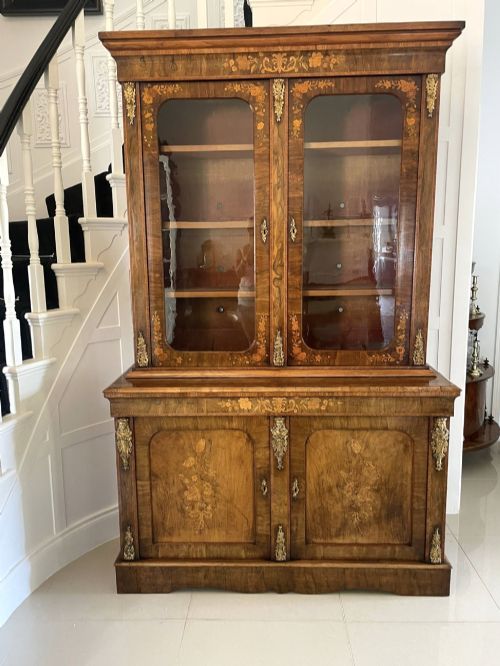
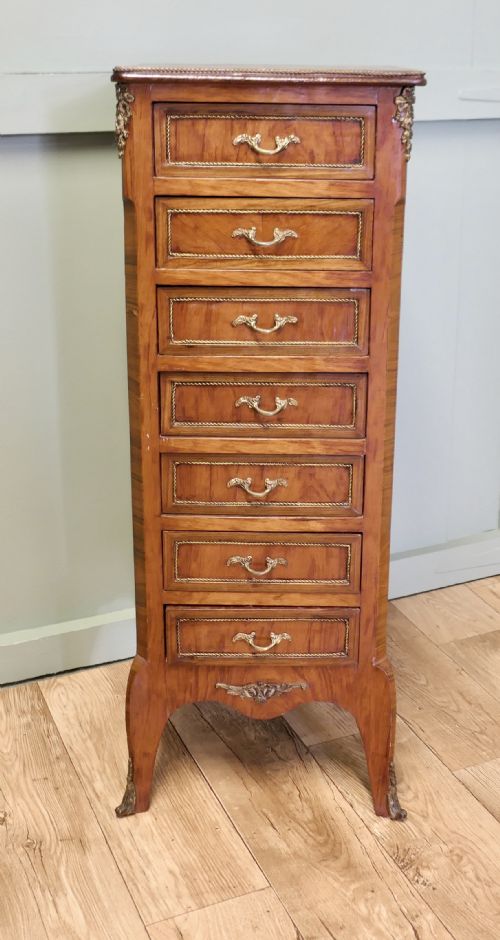
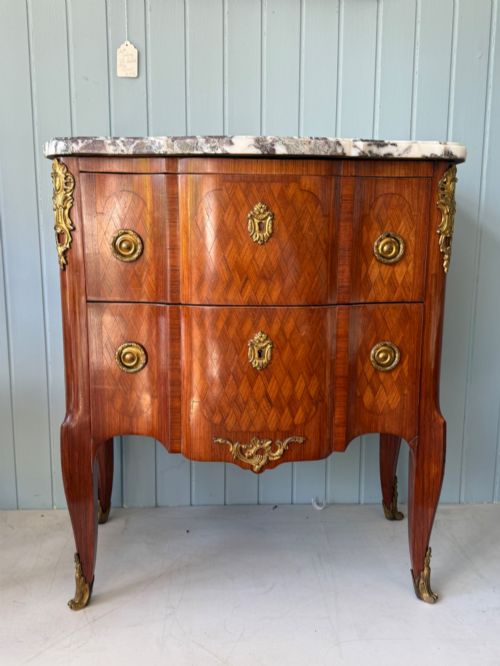
A french style walnut cabinet encompasses a diverse range of domestic furniture designed to display valuables, store belongings, or furnish bedside spaces. You will frequently encounter compact bedside tables, serpentine chests of drawers, and glazed display cabinets alongside grand Victorian credenzas.
The pieces bridge English Victorian craftsmanship and continental French design, drawing heavily on Louis XV and Louis XVI revivals. Workshops produced these items across the nineteenth century and into the early twentieth century, utilising figured walnut veneers to create striking visual movement on curved fronts and flat panels.
Materials and Technique
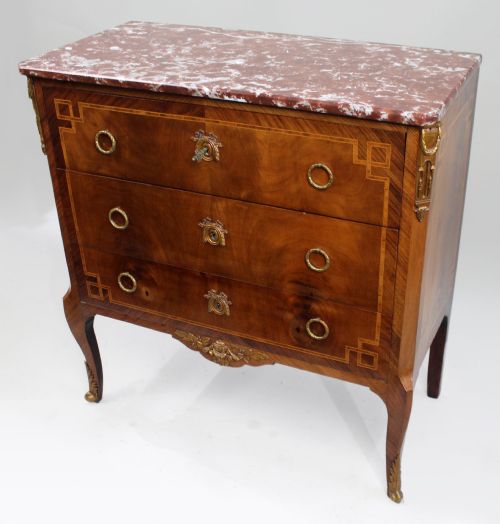
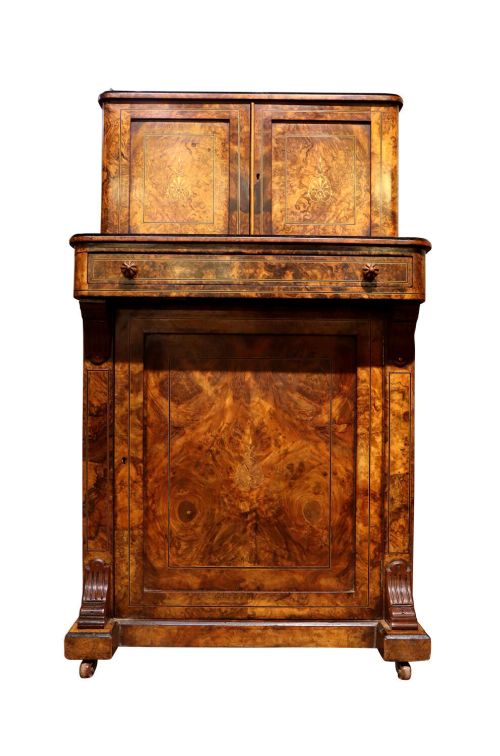
Cabinetmakers relied on walnut and burr walnut veneers, laid over secondary timbers to achieve symmetrical patterns of grain across doors and drawer fronts. Marquetry inlay added floral or geometric motifs, often accented by contrasting exotic woods such as kingwood.
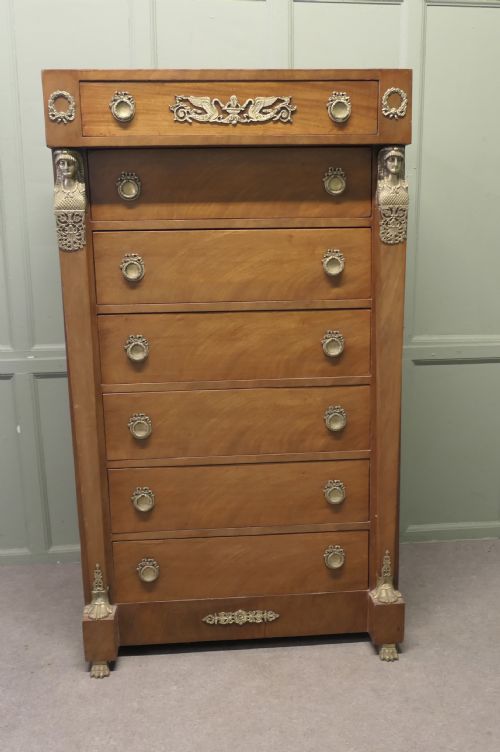
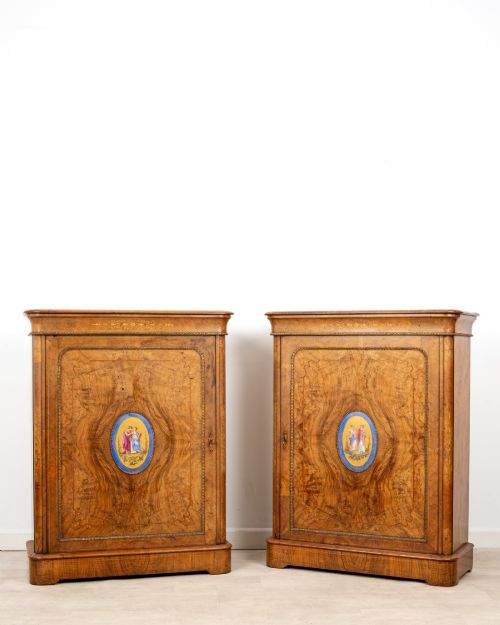
Cast ormolu and gilt bronze mounts highlighted structural corners, feet, and friezes, while polished marble slabs provided durable tops for commodes and side cabinets. Brass stringing and occasional porcelain plaques completed the surface ornamentation of finer examples.
Some miniature vitrines were built strictly to sit on tables, giving miniature porcelain collections a grand palace view.
Judging Quality
Quality rests on the depth of the timber grain, the crispness of the cast ormolu mounts, and the precision of the marquetry work. Finer cabinets display harmonious veneer matching across every surface and substantial marble tops with clean edge profiles.
Heavier construction and refined interior fittings distinguish superior workshop output from simpler production pieces. Structural integrity in serpentine fronts and smooth drawer operation indicate skilled cabinetmaking.
Gabriel Viardot·Maison Gagneau·Gabriel-Frederic Viardot
The French Style Walnut Cabinet Glossary
- Ormolu
- Gilt bronze mounts applied to furniture for decorative accent. These gilded elements embellish corners and door frames.
- Marquetry
- Fitted pieces of wood veneer assembled to form decorative patterns or pictures on a surface. It appears frequently on cabinet doors and tabletops.
- Credenza
- A sideboard or display cabinet featuring central doors flanked by curved glass panels or open shelving. This form emerged strongly in Victorian drawing rooms.
- Pier Cabinet
- A narrow display cabinet designed to fit against the wall space between windows. They often incorporate glass doors and velvet-lined interiors.
- Vitrine
- A glass-fronted cabinet intended for the display of curiosities and porcelain. These pieces emphasise transparency and light.
French Style Walnut Cabinet: Frequently Asked Questions
What is a french style walnut cabinet used for?
These cabinets served various domestic functions, from bedside storage to the display of prized ceramics and glassware in formal reception rooms. Larger versions like credenzas anchored the walls of Victorian drawing rooms while smaller tables held lamps and personal items.
Today, they function well in contemporary interiors as statement storage pieces, bedside tables, or display units for collections. Their varied forms allow them to adapt easily to modern living spaces.
How do I identify Louis XV style?
Louis XV style furniture is characterised by flowing serpentine lines, cabriole legs, and asymmetric floral or rococo ornamentation. Walnut cabinets in this taste avoid harsh right angles, favouring curved silhouettes and delicate mounts.
This aesthetic developed from eighteenth-century French court design and experienced a major revival during the nineteenth and early twentieth centuries. The emphasis remains on lightness of form and organic movement.
What distinguishes burr walnut?
Burr walnut comes from the irregular growths on walnut trees, yielding swirling, knotty grain patterns with intense visual depth. Cabinetmakers prized this timber for high-status furniture, slicing it into thin veneers to cover larger surfaces.
When combined with marquetry or ormolu mounts, burr walnut creates a highly decorative finish that catches the light differently from straight-grained wood.
Where should I place a marble-topped cabinet?
Marble-topped commodes and side cabinets work effectively in hallways, dining rooms, or living areas where a durable and decorative surface is useful. The stone adds weight and a cool tactile contrast to the warm walnut timber beneath.
Ensure the cabinet sits on a level floor to distribute the weight of the stone evenly across the frame and prevent stress on the joints.