


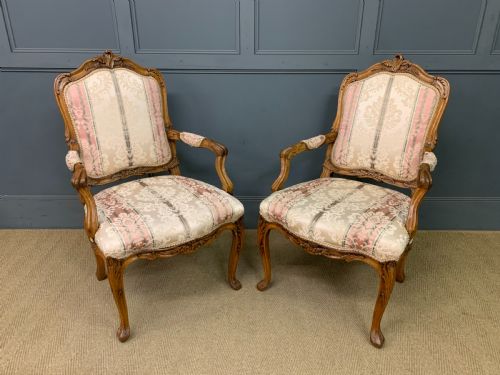
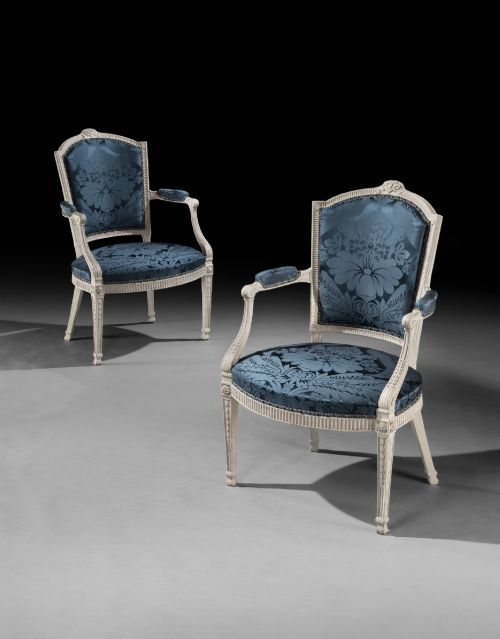
French Style Upholstered Armchair
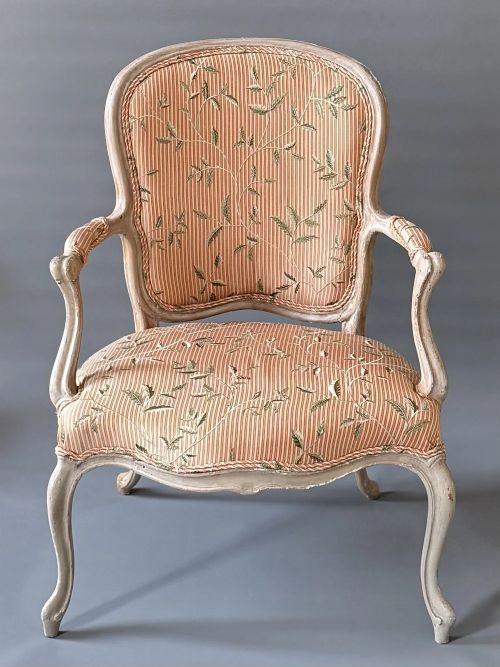
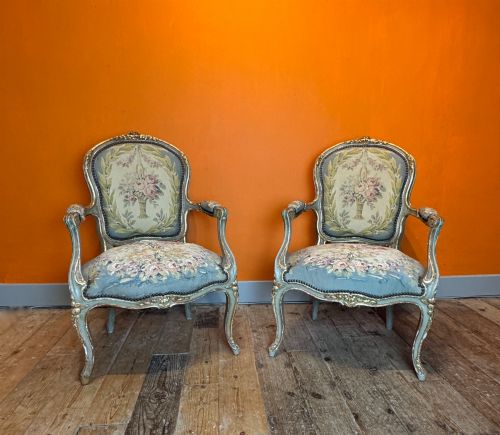
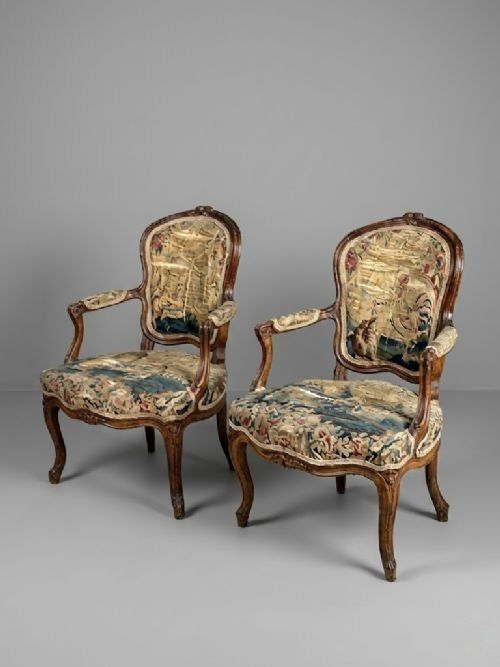
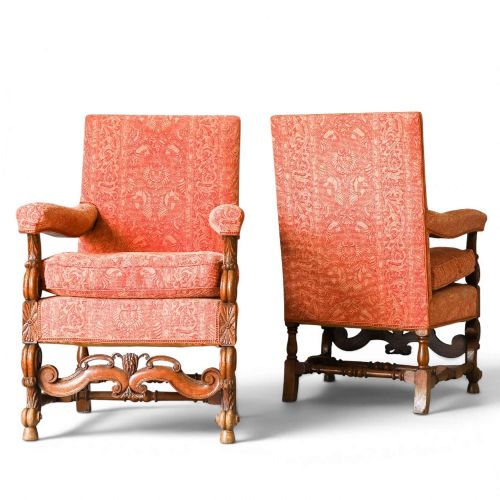
When you select a french style upholstered armchair, you introduce seating rooted in continental heritage, combining carved wooden frames with plush textile coverings.
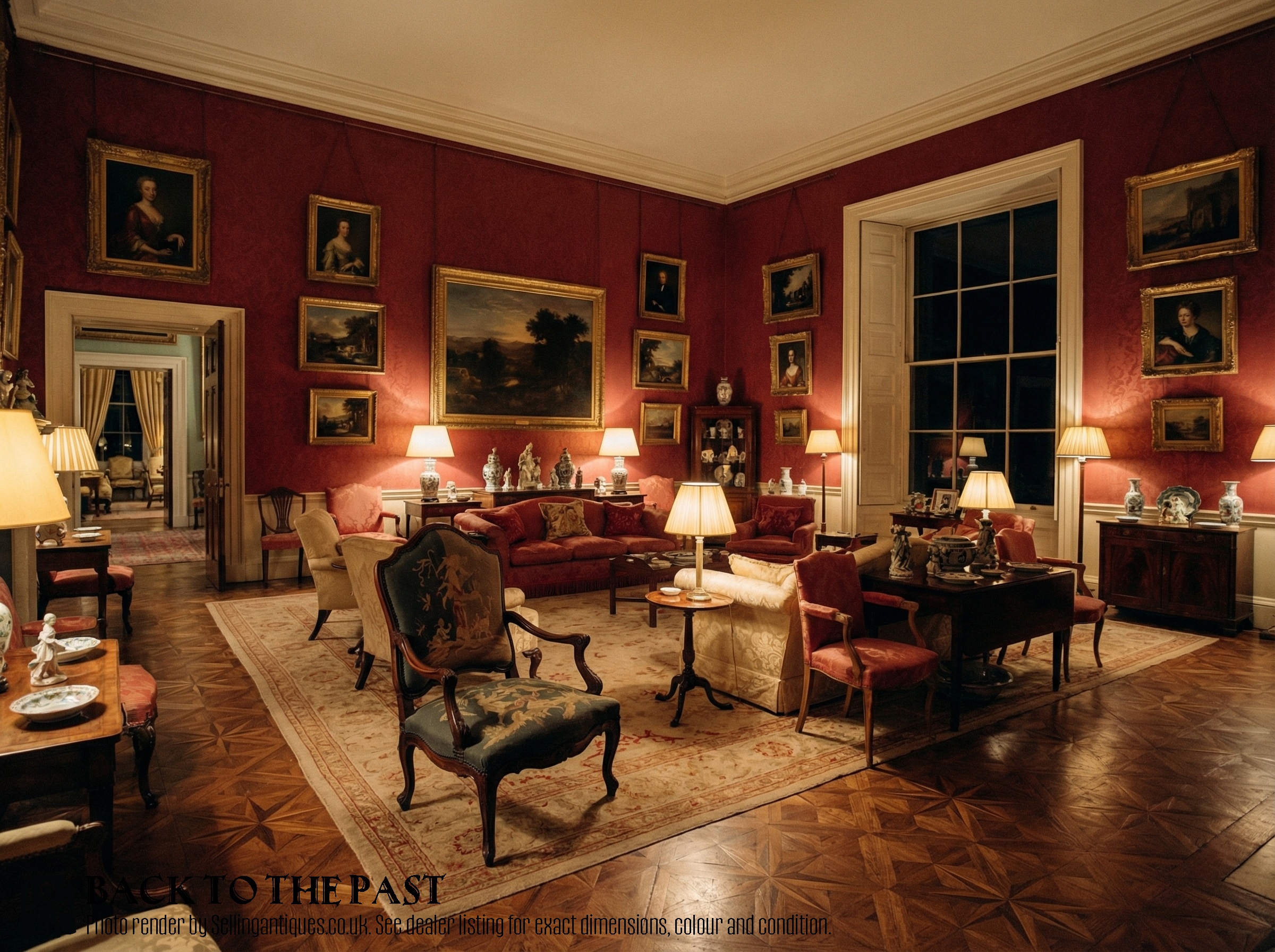
French Style Upholstered Armchair
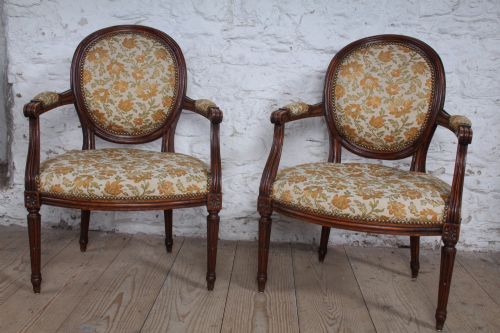
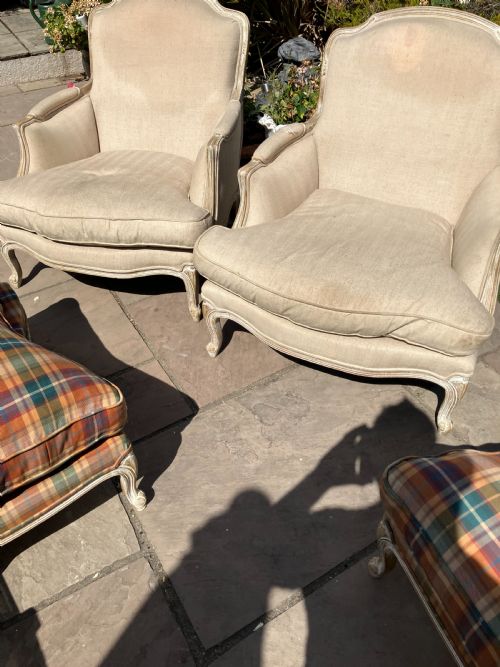
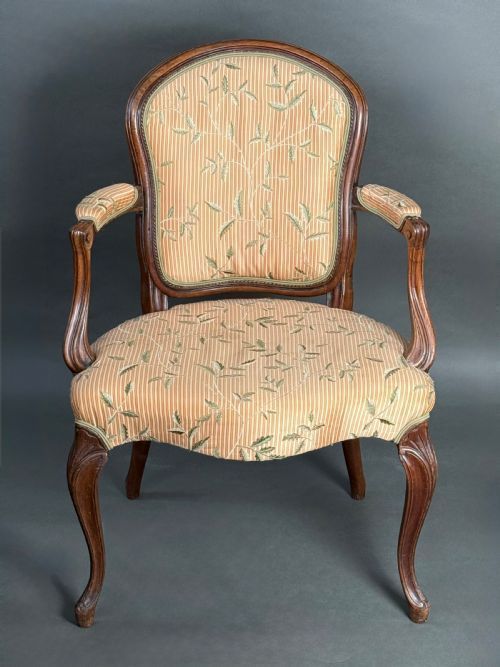
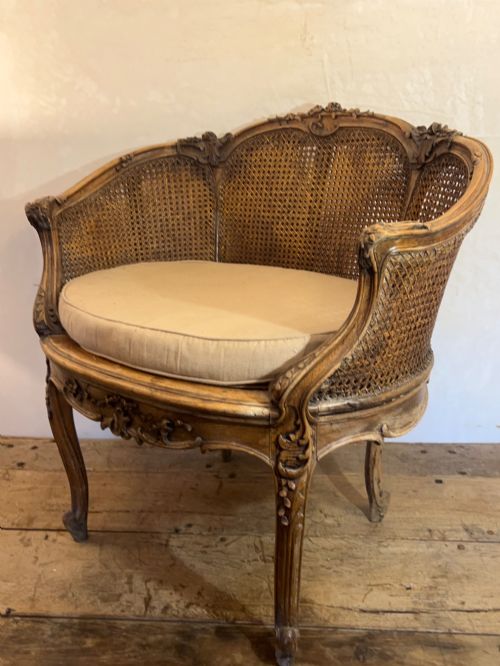
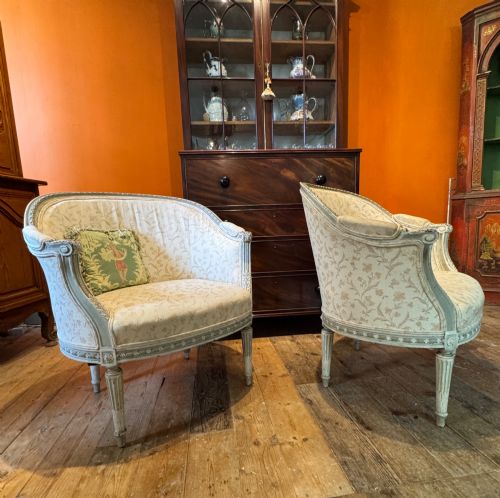
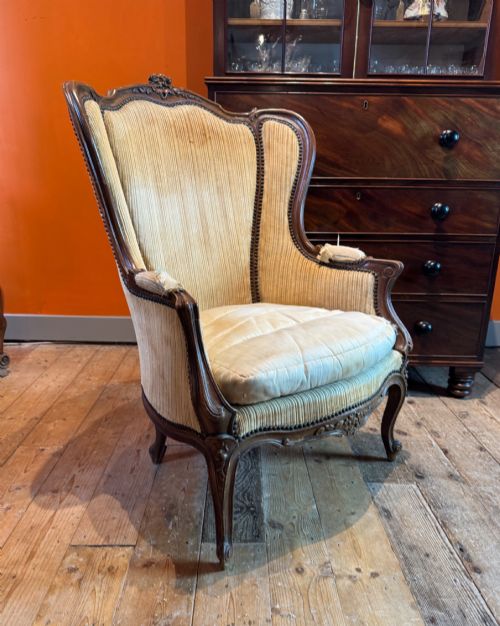
A french style upholstered armchair brings formal salon seating into modern domestic spaces, drawing on designs originating from eighteenth-century royal courts and later nineteenth-century revivals. Buyers encounter pieces ranging from walnut bergères with enclosed sides to open-armed fauteuils and cabriolet forms created across the nineteenth and early twentieth centuries.
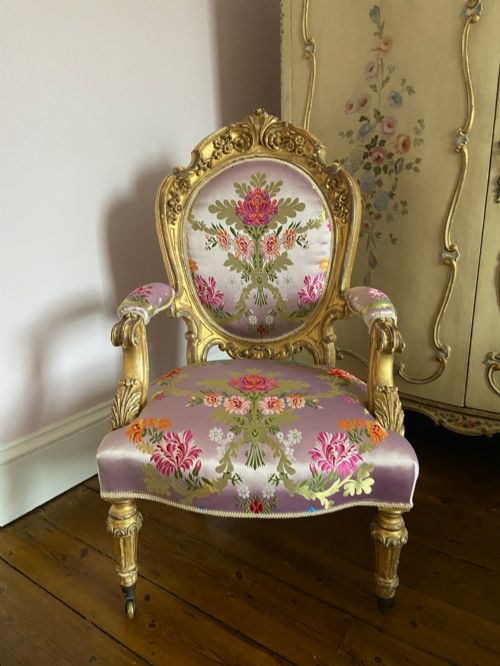
The aesthetic frequently channels Louis XV and Louis XVI periods, exhibiting curved cabriole legs or straight tapered supports alongside decorative carved woodwork. These seats appear individually or in pairs, often retaining historical paint finishes, giltwood surfaces, or textiles like silk, velvet, tapestry, and contemporary designer fabrics.
Construction and Materials
Makers shaped structural frames from solid hardwoods including walnut, mahogany, oak, and beech, frequently applying gilding, paint, or parcel-gilt accents to the exposed woodwork. Carvers worked directly into the timber to execute botanical motifs, scrollwork, and moulded framing around the seat perimeter.
Upholstery techniques involved securing supportive webbing and stuffing directly into the frame before applying finish textiles such as silk, velvet, needlework, and printed cotton. Brass tacks or decorative piping frequently secured the fabric edges along the wooden rails.
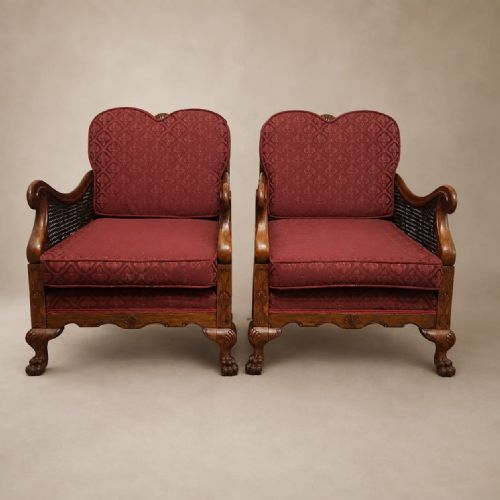
Listings feature frames built from walnut, mahogany, and beech, paired with silk, velvet, and tapestry coverings across the eighteenth, nineteenth, and early twentieth centuries.
Assessing Craftsmanship and Condition
Quality rests in the crispness of the hand-carved wooden details and the structural integrity of the joinery connecting the arms, legs, and backrest. Frames carved from dense walnut or finished with original period gilding and paint exhibit higher levels of artisan execution than simpler later reproductions.
The grade of the upholstery materials, from antique Aubusson tapestries and heavy silk damasks to hand-stitched needlework, contributes significantly to the character of each piece. Surviving original surface finishes and intact frame joints command greater attention from collectors than heavily restored examples.
The French Style Upholstered Armchair Glossary
- Fauteuil
- An open-arm armchair featuring exposed wooden framing and upholstered armpads. The style originated in France and is commonly associated with formal salon seating.
- Cabriolet
- An armchair style distinguished by a concave curved backrest that flows continuously into the arms and legs. This form provides a compact and ergonomic seating profile.
- Giltwood
- Timber treated with a thin layer of gold leaf applied over a prepared gesso ground. It provides a reflective, opulent surface finish on formal antique frames.
- Duchesse Brisée
- A multi-part daybed arrangement combining an armchair with an extended footstool or matching ottoman. This form allows the user to recline fully while maintaining standard chair proportions.
French Style Upholstered Armchair: Frequently Asked Questions
How do I identify a Louis XV style chair?
A Louis XV style armchair is defined by asymmetrical curves, cabriole legs, and floral wood carvings. The frame lines flow continuously without sharp corners.
These pieces emphasise organic grace and often feature cartouche-shaped backrests designed for comfortable formal lounging.
Can I use these chairs in a modern room?
These armchairs integrate easily into contemporary interiors by serving as focal accent seating in living rooms or bedrooms. Their sculptural wooden frames provide a strong historical contrast against neutral modern walls.
Many examples feature durable contemporary textiles or classic silks that withstand everyday use while retaining their decorative presence.
How do I distinguish nineteenth-century revivals from older pieces?
Nineteenth-century revival pieces display machine-sawn timber elements, standardised hardware, and tighter joinery tolerances compared to eighteenth-century work. Examining the tool marks on the hidden interior frame parts reveals the manufacturing methods used.
Makers during the Napoleon III and later revival periods deliberately copied earlier court aesthetics while utilising nineteenth-century workshop tools.