


Louis XV Revival Armchair
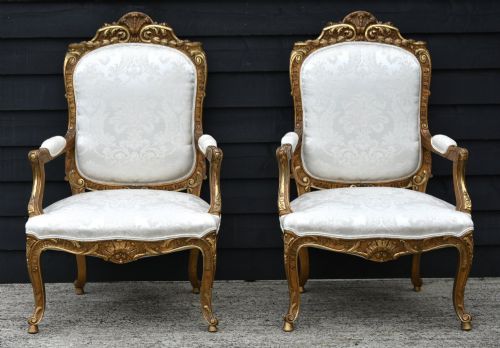
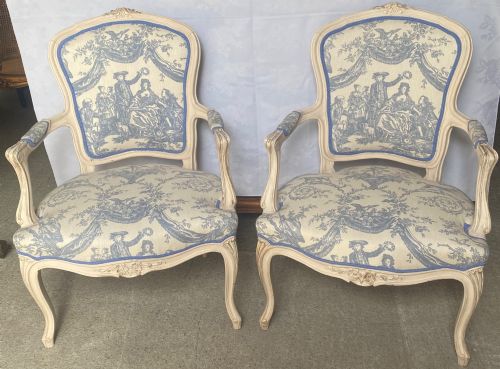
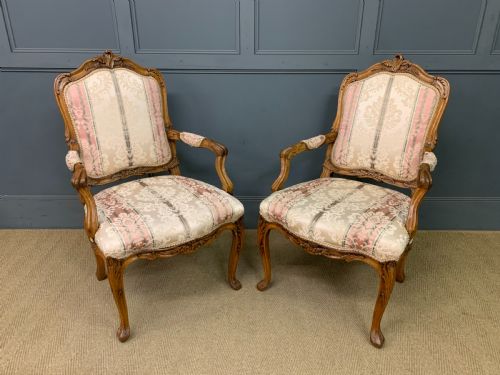
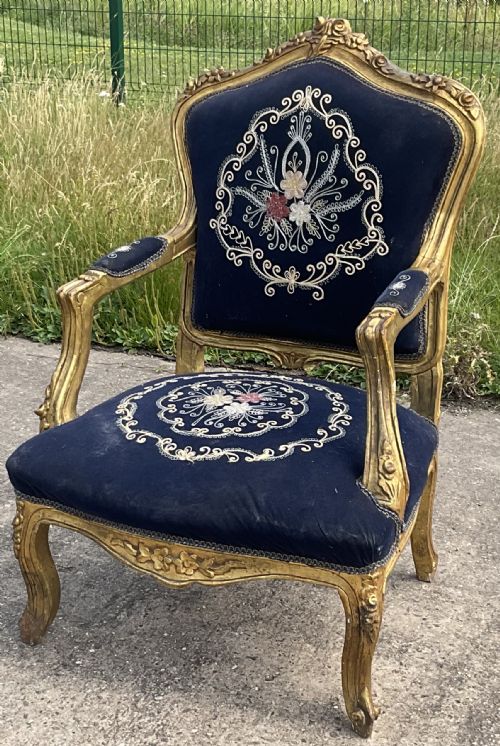
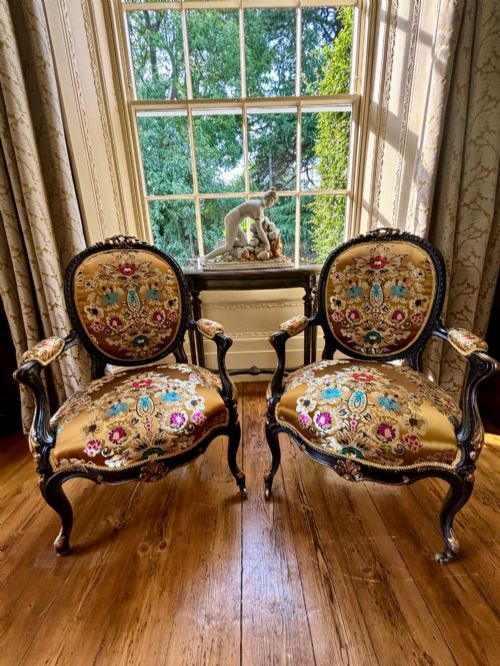
A louis xv revival armchair brings the decorative sweep of eighteenth-century France into a room through carved frames and curved lines.
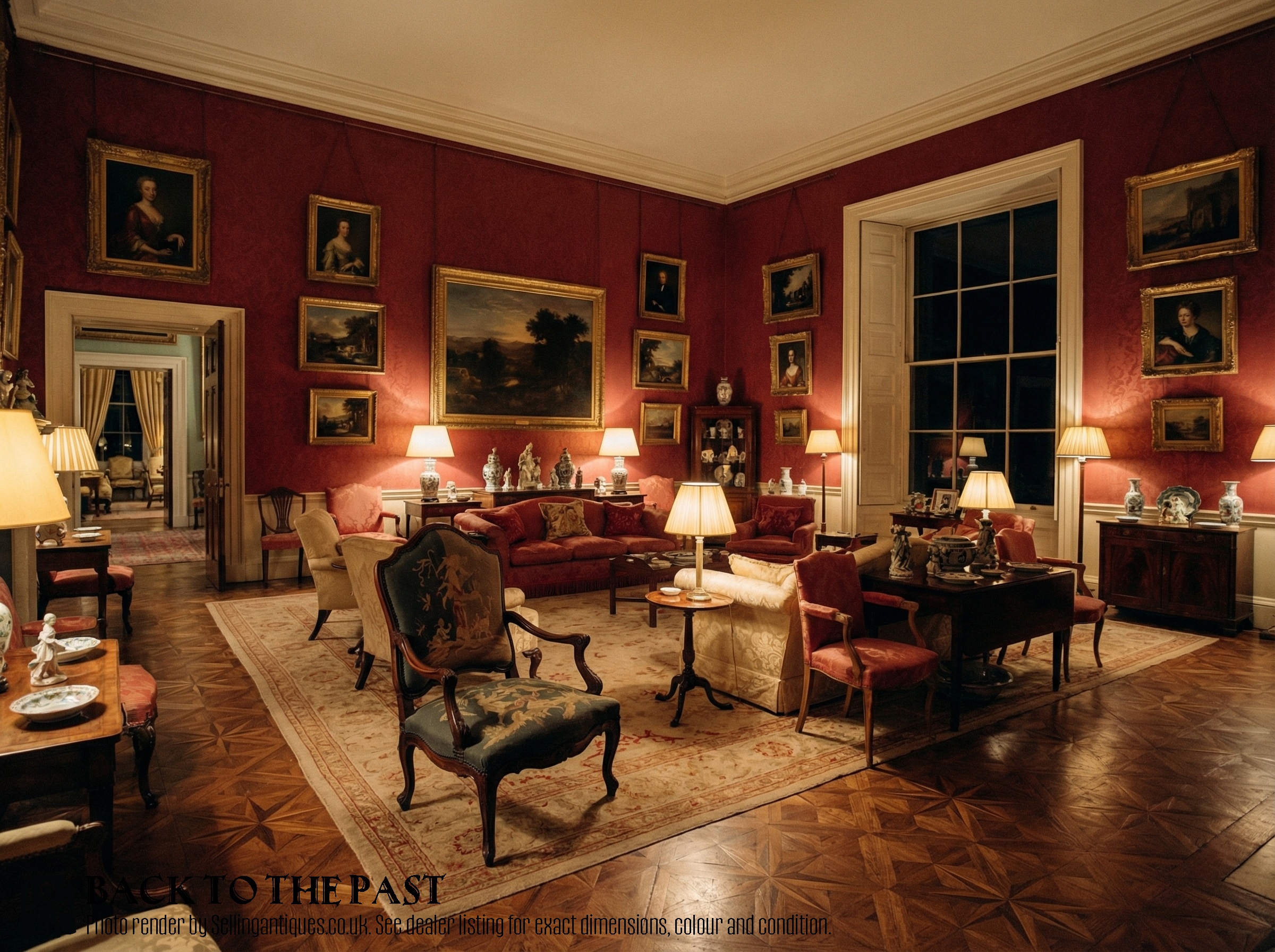
Louis XV Revival Armchair
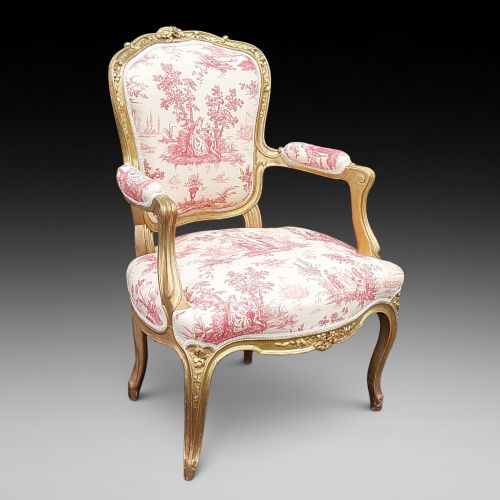
When you search for a louis xv revival armchair, you encounter seating designed in the nineteenth and early twentieth centuries, drawing heavily on French Rococo forms. The version you are most likely to meet on this page is an open armchair or fauteuil, often framed in walnut or giltwood, with origins ranging across the nineteenth century and the early decades of the twentieth.
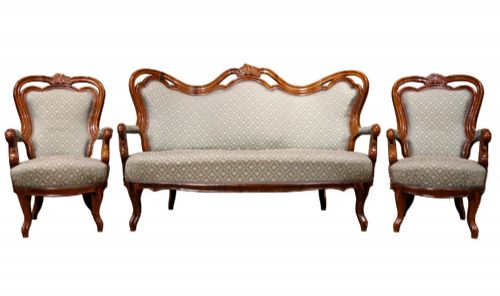
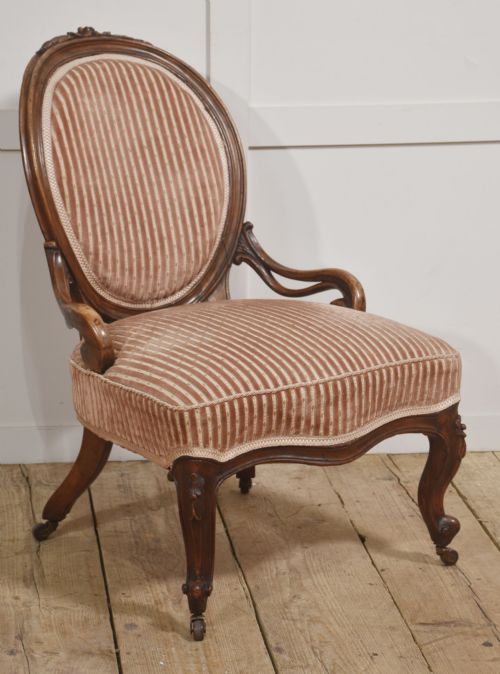
Makers of these pieces turned to historical French models to create salon chairs, wingbacks, tub armchairs, and matching suites. They replicated the characteristic shaped backs, cabriole legs, and scrollwork of earlier centuries while adapting them to Victorian and Edwardian drawing rooms.
The materials span solid woods like walnut, beech, and mahogany, alongside gilded finishes, painted surfaces, and diverse textile upholstery including silk, velvet, tapestry, and petit point. These pieces appear as single chairs, pairs, or part of larger salon suites intended for formal entertaining and domestic comfort.
How they were made
Carpenters shaped the wooden frameworks of these chairs from walnut, beech, and mahogany, employing traditional joinery to support the sweeping curves of the backrest and arm supports. Carvers then worked directly onto the timber to produce floral motifs, scrollwork, and moulded edges characteristic of the style.
Surface decoration involved either applying fine layers of gold leaf to create giltwood finishes, or painting and distressing the wood frames. Upholsters completed the work by webbing, springing, and stuffing the seat frames before securing outer coverings of velvet, silk, tapestry, or cane.
Some nineteenth-century chairs arrived on the market explicitly prepared for recovering, offering future owners a blank canvas for fresh textiles.
What varies in quality
The distinction between a standard piece and a superior example lies primarily in the crispness and depth of the wood carving. Skilled carvers rendered organic motifs with sharp undercut details and fluid asymmetry, whereas lesser pieces show softer, shallower moulding.
Quality also manifests in the selection of timber and the execution of the gilt or painted finish. Heavier, solid walnut frames with dense, hand-applied gilding represent a higher grade of craftsmanship than lighter or purely utilitarian constructions.
The Louis XV Revival Armchair Glossary
- Fauteuil
- An open-framed armchair with upholstered seat and back, and open wooden armrests. These chairs were designed for French salons and typically feature carved wooden arms.
- Giltwood
- Timber treated with a thin layer of gold leaf applied over a prepared gesso base. This technique creates a brilliant reflective surface common on formal revival seating.
- Bergere
- A closed-arm armchair with an upholstered back and sides, often featuring cane work panels. The solid upholstered seat cushion rests on a supportive webbing base.
- Cabriole leg
- A furniture leg that curves outward at the knee and tapers inward toward the foot, mimicking animal limbs. It is a defining feature of Rococo design.
- Petit point
- A needlepoint embroidery executed on a fine mesh canvas using diagonal tent stitches. It frequently appears on nineteenth-century upholstery panels.
Louis XV Revival Armchair: Frequently Asked Questions
How do I use an armchair like this?
These chairs function well as occasional seating in a living room, bedroom, or hallway. Their decorative frames allow them to stand alone against a wall or pair with a small table.
Because of their historical forms and upholstered seats, they provide comfortable spots for reading or conversation while adding a distinct decorative element to an interior.
Were these chairs made in France?
Many examples originate from France, though makers across Europe and Britain produced similar revival pieces throughout the nineteenth and early twentieth centuries.
French workshops frequently exported both individual chairs and complete salon suites to international buyers seeking fashionable continental styles.
What woods were used for the frames?
Walnut is the predominant wood found in these listings, offering a strong structure with rich grain patterns. Beech and mahogany also appear frequently in the framing.
Many frames were subsequently covered in gesso and gilded with gold leaf, or painted in various colours to suit changing interior fashions.
How do I date a revival armchair?
Dating relies on examining the construction methods, tool marks, and secondary timbers used within the frame. Nineteenth-century pieces often display hand-cut joinery and period upholstery techniques.
Stylistic shifts between the mid-nineteenth-century Victorian interpretations and the lighter Edwardian reproductions also help narrow down the period of manufacture.