
French Style Sconces
French style sconces bring dramatic illumination and continental elegance to interiors through gilded metals and classical motifs.
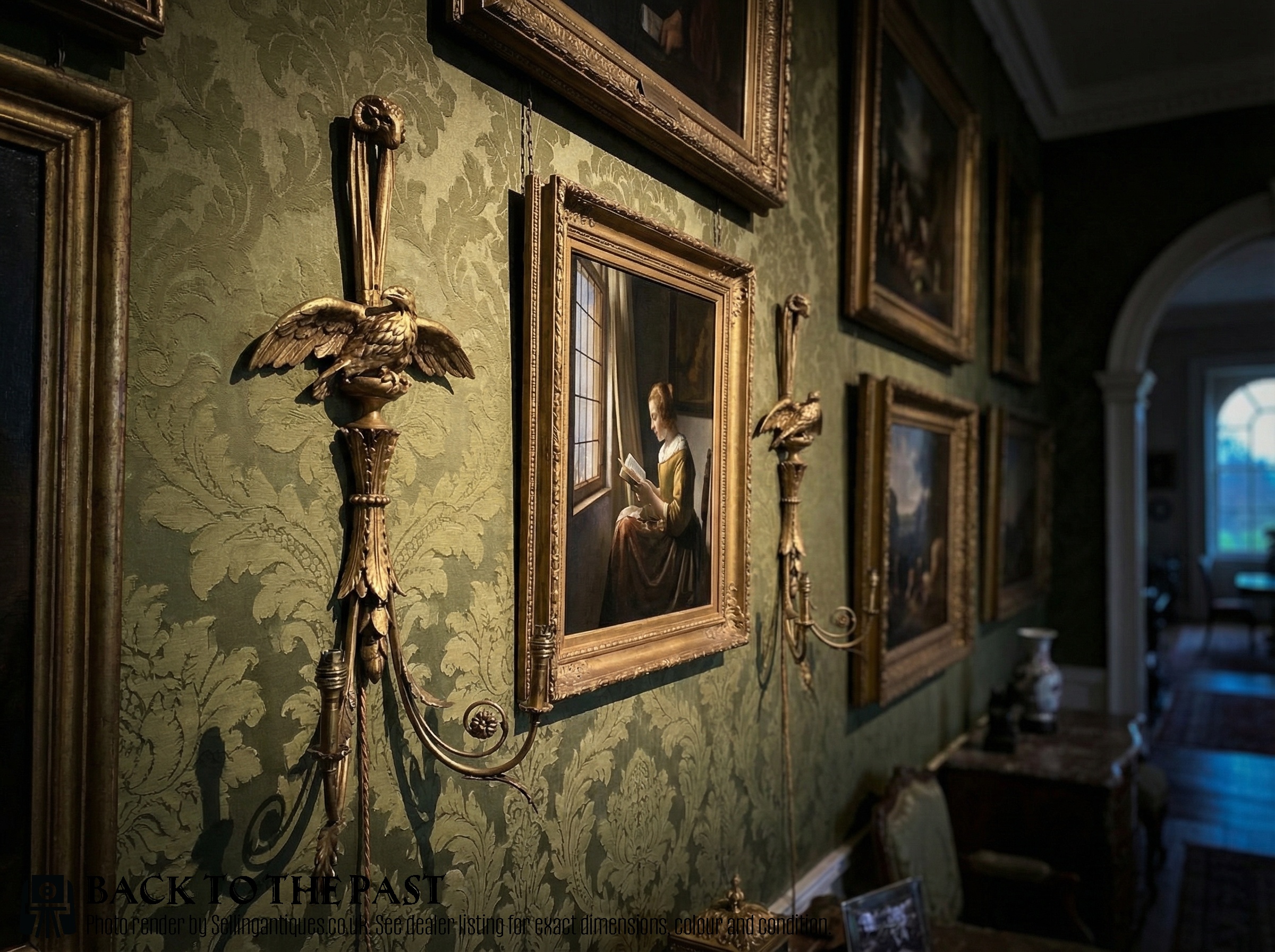
French Style Sconces
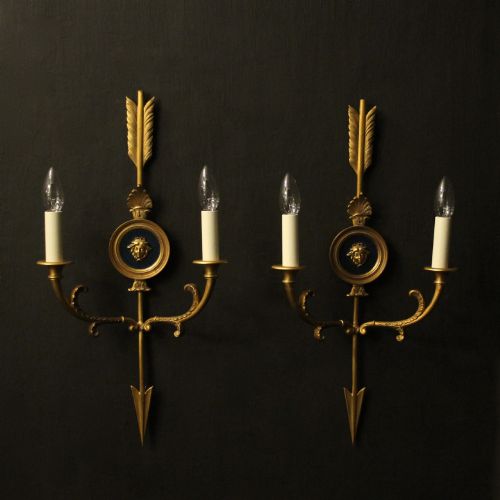
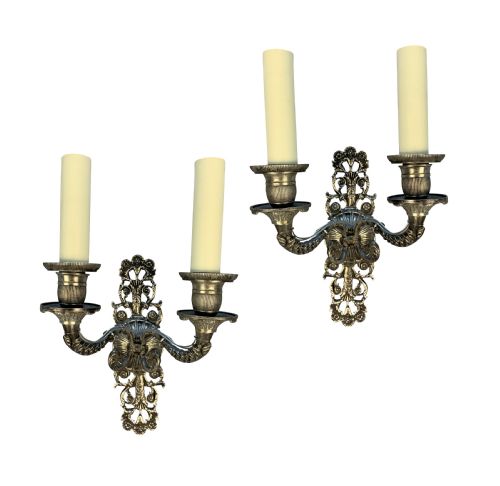
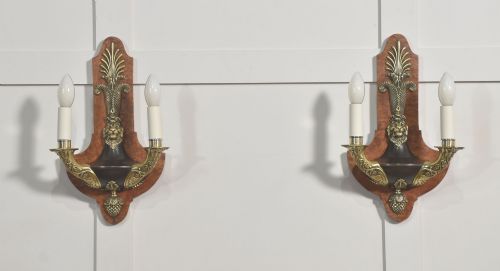
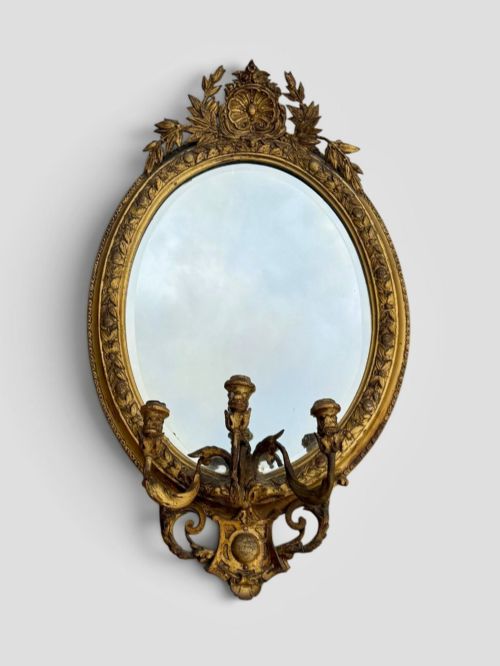
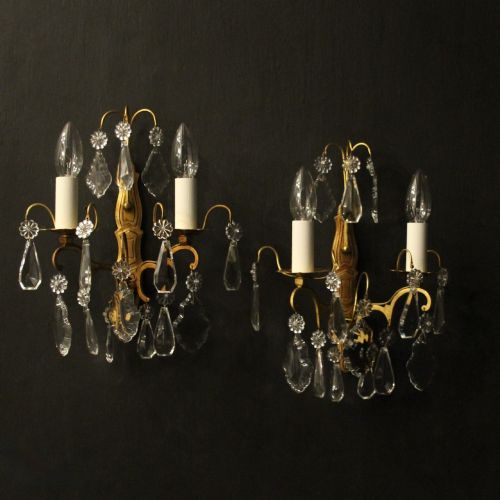
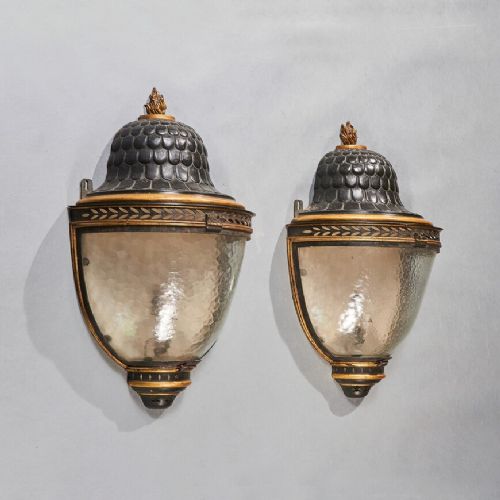
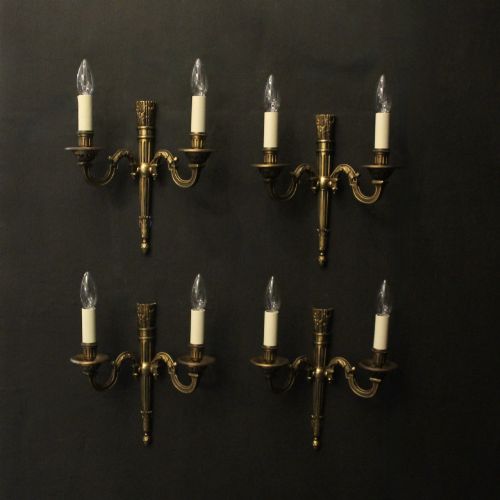
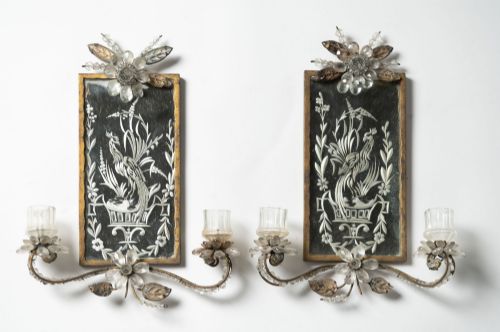
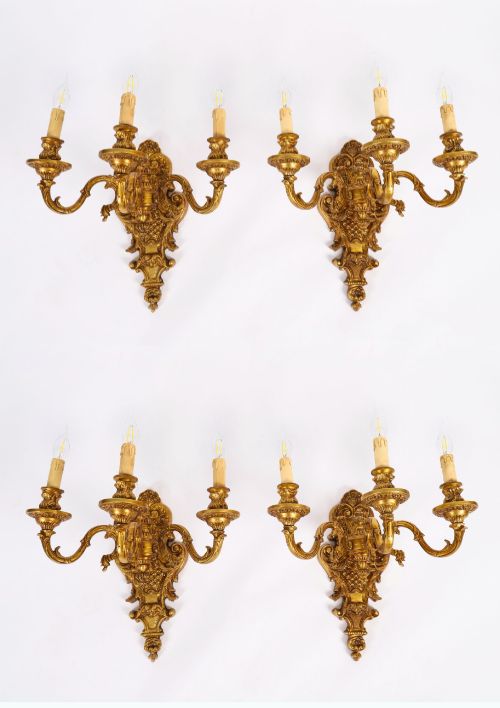
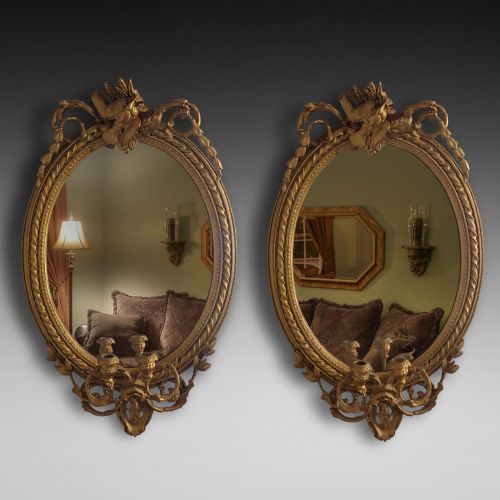
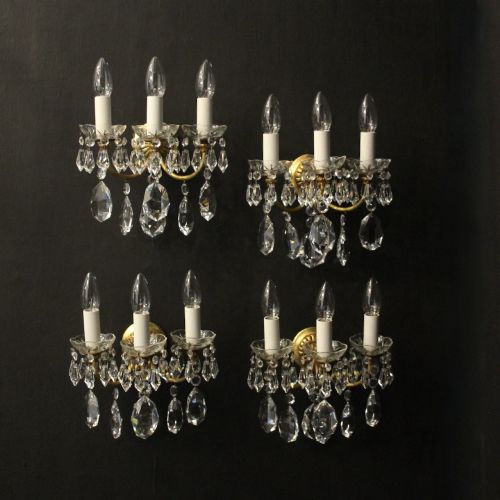
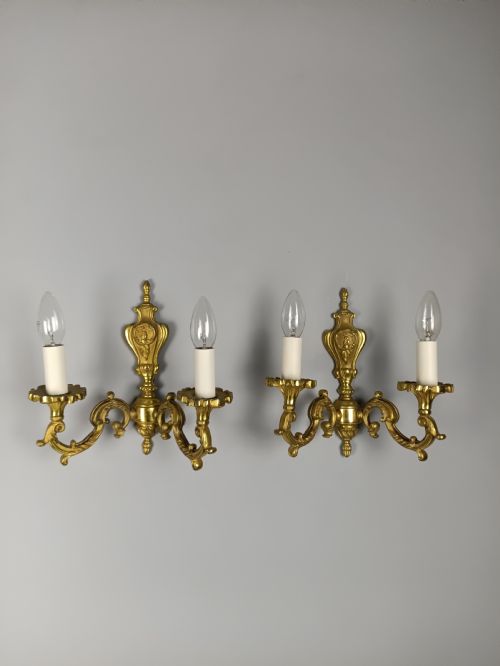
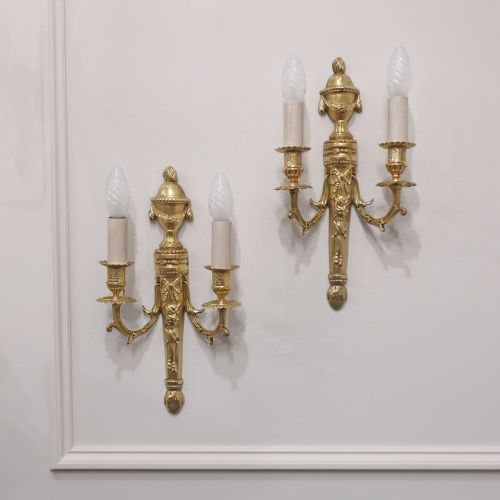
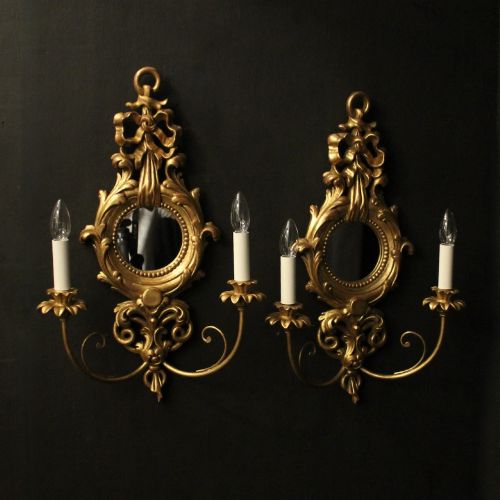
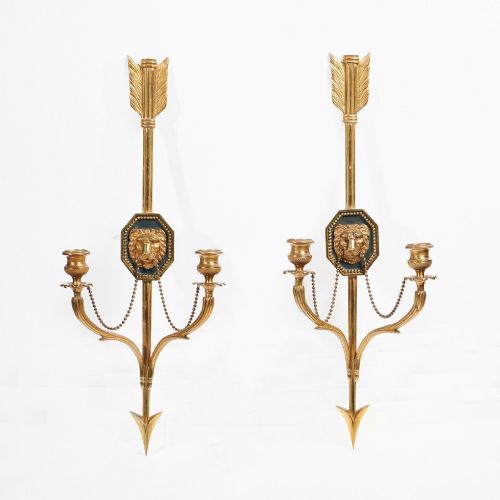
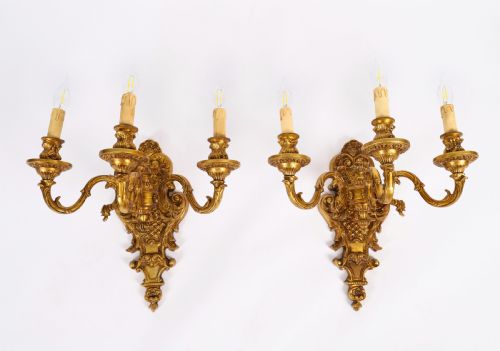
French style sconces encompass wall-mounted light fixtures and girandole mirrors that draw upon traditional continental aesthetics. These pieces typically manifest as twin or triple-arm wall lights, ornate wall lanterns, and mirrored sconces designed to reflect candlelight or gaslight.
The inventory on this page ranges widely in date and appearance, capturing the enduring appeal of continental design. Buyers encounter nineteenth-century productions alongside pieces from the 1920s and 1930s, reflecting revivals of historical periods.
Stylistic influences span from French Rococo and Empire to Louis XVI and Neoclassical designs. This variety allows collectors to select lighting that complements specific historical interior schemes, from elaborate chateau styles to restrained neoclassical rooms.
Judging Quality and Execution
Quality in these lighting fixtures is primarily determined by the crispness of the metal casting and the depth of the gilding. Superior examples exhibit sharply defined scrollwork, acanthus leaves, and figural details without the softening of forms often seen in later or mass-produced casts.
The integration of decorative elements also dictates overall merit. Examples that combine fine ormolu mounts with rock crystal drops, hand-painted porcelain, or well-preserved mirror plates represent the more ambitious tiers of period production.
Listings feature brass, gilt bronze, ormolu, and carved giltwood across multiple historical periods.
Casier·Maison Baguès
The French Style Sconces Glossary
- Ormolu
- A technique of applying finely ground, high-carat gold to a bronze object. This process creates a rich, durable golden finish characteristic of luxury lighting.
- Girandole
- A branched wall light or a mirror with candle holders attached to the frame. These pieces use reflective surfaces to amplify ambient light.
- Caryatid
- A sculpted female figure serving as an architectural support. They appear frequently on classical mounts and candlesticks.
- Louis XVI Style
- A neoclassical design aesthetic characterised by straight lines, symmetry, and classical motifs such as urns and ribands.
French Style Sconces: Frequently Asked Questions
What periods do these sconces represent?
These wall lights span the nineteenth century through the early twentieth century, encompassing Victorian, Edwardian, and Art Deco eras. Many pieces adopt earlier historical motifs from the Louis XVI and Empire periods.
Design revivals mean a piece made in the 1920s often utilises the symmetrical ornamentation of eighteenth-century neoclassical aesthetics. Examining the casting technique and metal patination helps distinguish nineteenth-century originals from later reproductions.
How were wall sconces originally used?
Historic wall lights functioned primarily to hold candles or oil lamps, positioning illumination along corridors and principal rooms. Mirrored backplates were specifically deployed to multiply the flickering light of a single candle.
Positioning them strategically around a fireplace or flanking a mirror maximised the reflection of available light before electricity became common. Today, many of these fixtures are wired for modern electrical use while retaining their original aesthetic purpose.
How do I identify Louis XVI style?
Louis XVI wall lights feature straight lines, geometric symmetry, and restrained classical motifs. Look for details such as urns, drapery swags, ribbons, and acanthus leaves rather than the asymmetric curves of Rococo design.
This aesthetic reflects an eighteenth-century return to classical antiquity. The metalwork on these pieces typically displays balanced proportions and architectural rigour.
Can I use these with modern wiring?
Most antique wall lights can be adapted for contemporary electrical installations by a qualified professional. The original sockets and internal channels are often modified to accept modern candle tubes and low-wattage bulbs.
Careful rewiring preserves the exterior metalwork and decorative drops while ensuring the fixture meets current safety standards. It is advisable to inspect the backplate mounting points to ensure secure wall attachment before installation.