




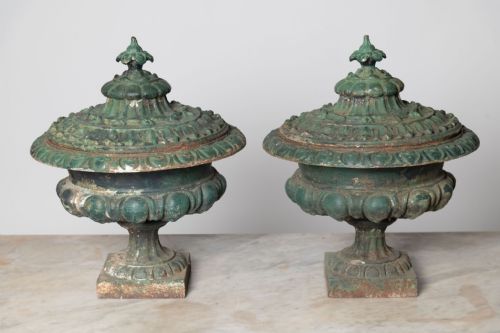
French Style Planter
These pieces known as a french style planter bring botanical display indoors through decorative vessels and jardinières.
French Style Planter
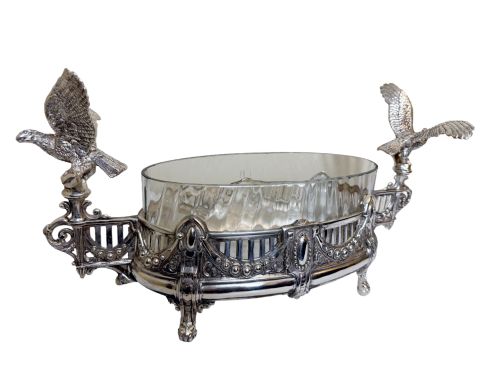
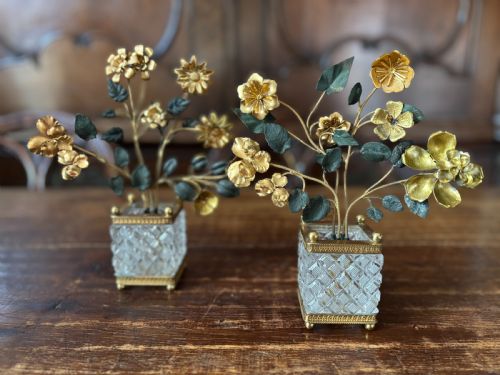
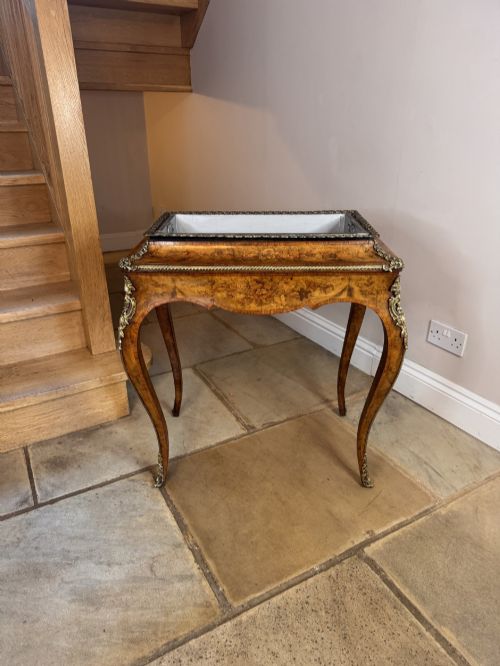
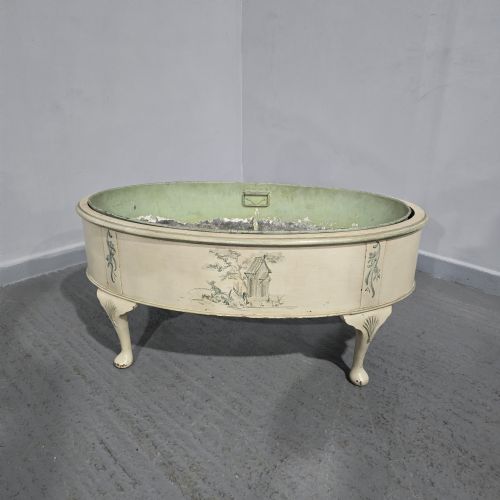
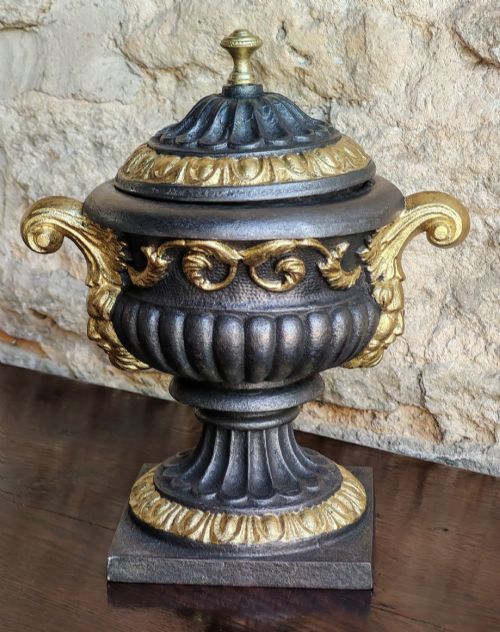
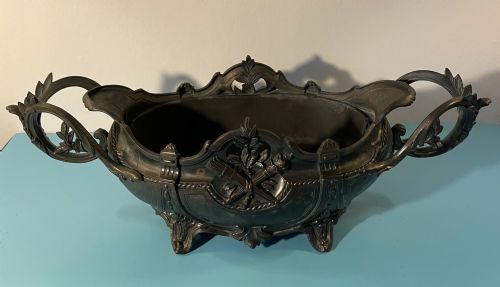
A french style planter encompasses ornamental jardinières, plant stands, and classical urns designed to hold floral arrangements or potted plants within domestic interiors. These vessels function simultaneously as decorative objects and practical plant containers, drawing on nineteenth century design vocabularies.
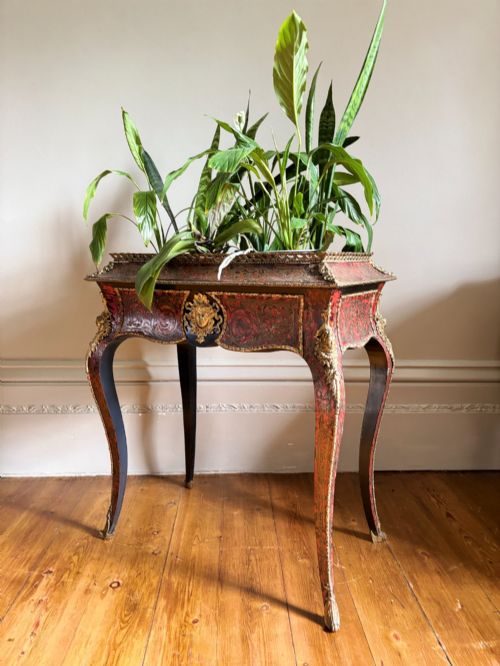
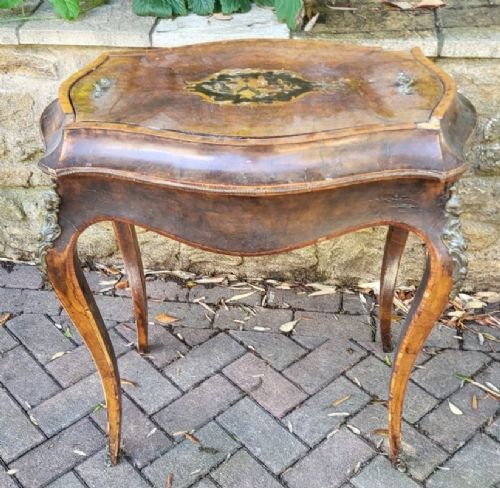
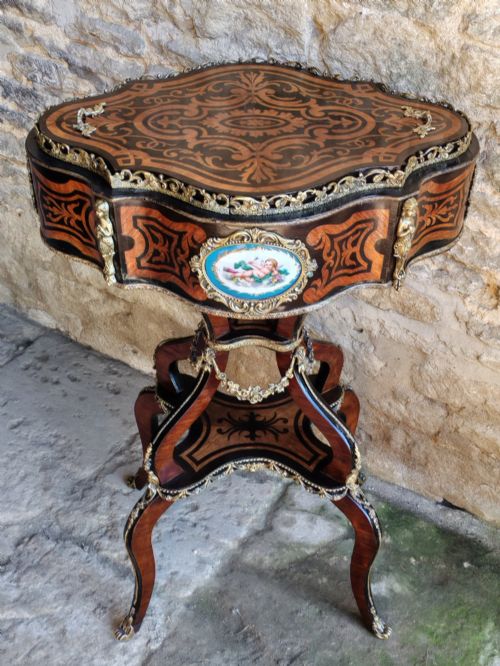
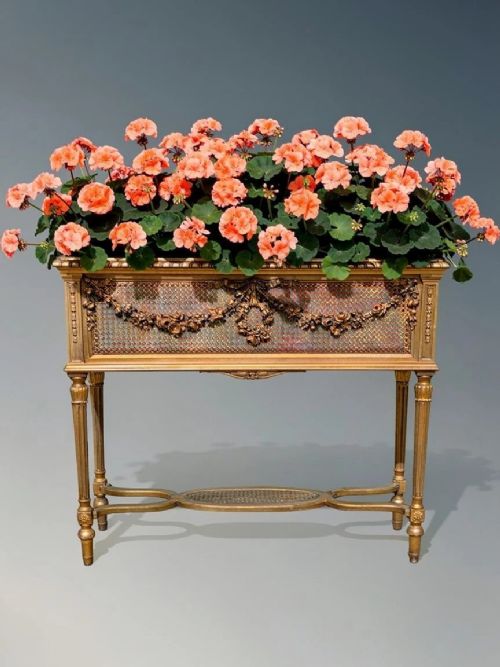
The most common examples encountered on this page date from the nineteenth century and reflect Revival movements such as Louis XV and Louis XVI styles. Buyers frequently find pieces executed in walnut, kingwood, or burr walnut, often elevated on stands or fitted with metal mounts.
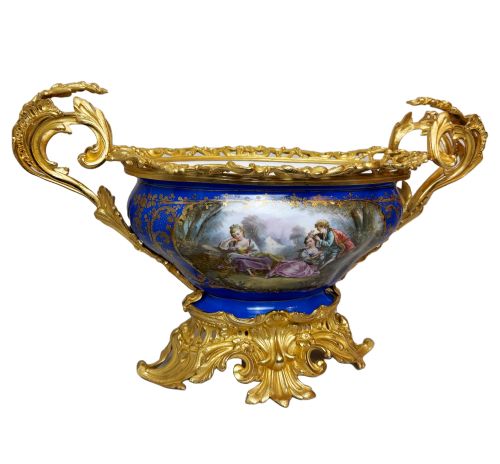
Makers and manufacturers of the period also produced earthenware, terracotta, and porcelain bodies, sometimes enhanced with hand painted decoration or panels. These items range from tabletop jardinières to large free standing plant stands intended for principal reception rooms.
Materials and construction
Cabinet makers utilised fine timbers including burr walnut and kingwood for wooden jardinières, frequently incorporating marquetry inlay and parquetry patterns. Metalwork elements such as ormolu, gilt bronze, brass, and wrought iron were cast, chased, and applied to frame ceramic bodies or wooden frames.
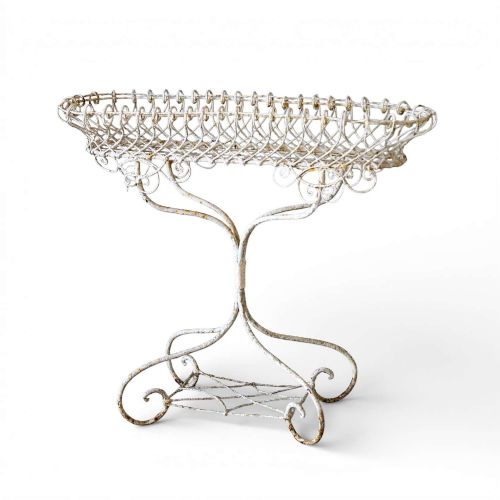
Ceramic components involve porcelain, majolica, and faience, moulded into bodies and glazed or hand painted with floral and figural motifs. Structural ironwork relies on forging and scrollwork to create lattice baskets and sturdy plant stands capable of supporting heavy soil and plantings.
French Style Planter Retail Price Guide 2026
Typical asking prices for french style planter among the pieces listed under this phrase on Sellingantiques today, from the lower quarter to the upper quarter. They describe what is for sale here now, not the wider market.
Listings feature eighteenth and nineteenth century periods, utilising materials such as ormolu, kingwood, wrought iron, and majolica porcelain.
Evaluating quality and execution
Quality reveals itself in the crispness of the ormolu casting and the depth of the chasing on metal mounts, where finer examples display sharp definition and secure fixing. The choice of timber veneer also separates standard production from superior pieces, with carefully matched burr walnut or intricate marquetry demonstrating higher craftsmanship.
Ceramic decoration marks another division, as hand painted porcelain panels or majolica glazes require skilled artistry compared to transfer printed equivalents. The integration of materials, such as the seamless fit between porcelain plaques and wooden chassis, dictates the success of the finished jardinière.
The French Style Planter Glossary
- Jardiniere
- An ornamental pot or stand designed to hold plants or flowers indoors. The term originates from the French word for gardener.
- Ormolu
- Gilded bronze mounts applied to furniture and decorative objects during the eighteenth and nineteenth centuries. This decorative technique creates a bright gold appearance on metal surfaces.
- Kingwood
- A dense, richly grained exotic timber utilised in fine cabinet making during the nineteenth century. Its distinctive dark violet-brown colouring with lighter stripes suited luxury furniture and planter stands.
- Majolica
- Heavy earthenware coated with an opaque tin glaze and painted with coloured metal oxides. This technique produced vibrant ceramic surfaces popular in nineteenth century decorative arts.
- Faience
- Tin glazed earthenware originating in European ceramic traditions. Early examples display characteristic hand painted designs on a milky white background.
French Style Planter: Frequently Asked Questions
Can I use these antique planters for real plants today?
Many surviving pieces feature removable metal liners or waterproof inserts intended to hold soil and moisture safely away from the wooden or gilt structure. Checking the interior condition confirms whether a liner remains intact.
For pieces lacking original liners, placing a modern nursery pot inside protects the historic material from water damage and dampness.
How do I identify a Louis XV revival piece?
Louis XV revival works display asymmetric scrollwork, curving lines, and naturalistic floral motifs inspired by eighteenth century rococo design. Ormolu mounts on these pieces typically feature C-scrolls and foliage.
Victorian makers adopted these fluid shapes enthusiastically, combining them with exotic veneers like kingwood and burr walnut to create ornate plant stands.
What is the difference between a jardiniere and a plant stand?
A jardiniere is primarily the vessel itself, designed to hold the plant container, whereas a plant stand incorporates an integrated pedestal or legs to elevate the display. Some nineteenth century examples combine both functions in a single piece of furniture.
Tabletop jardinieres sit directly on side tables, while freestanding stands create a vertical architectural element within a room.