
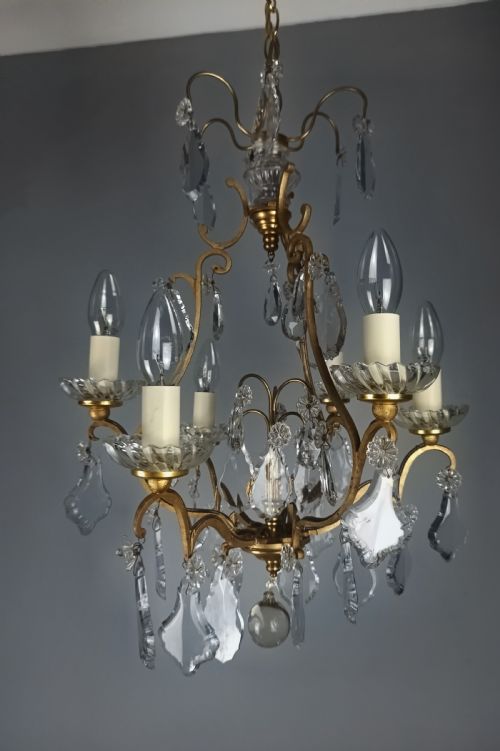
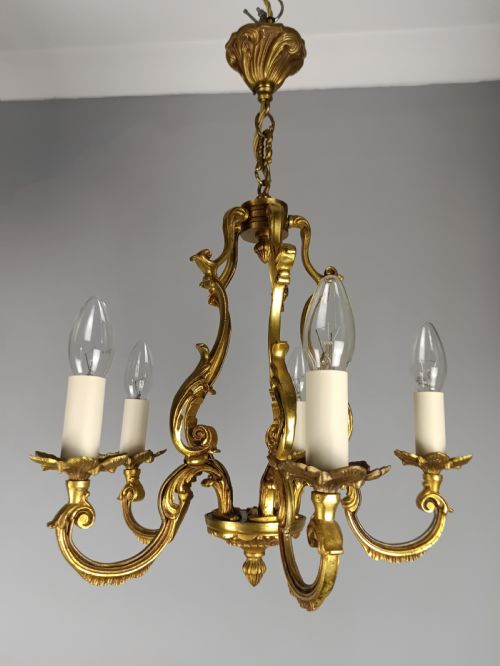
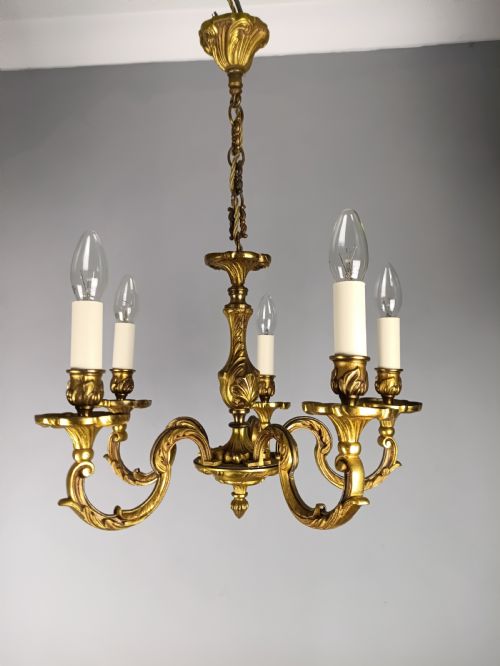
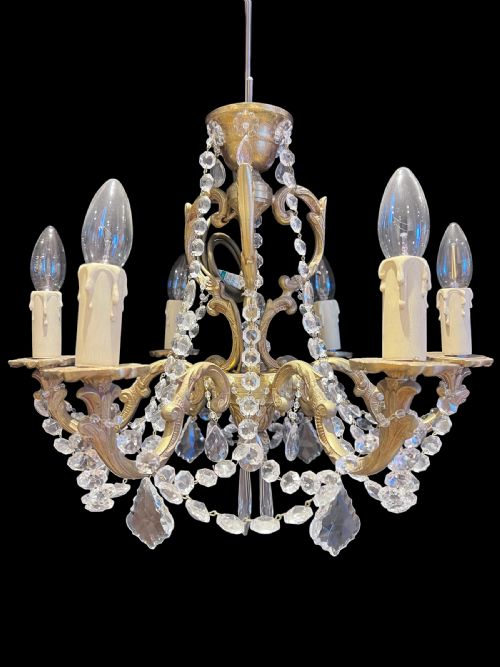
French Style Pendant Chandelier
These French style pendant chandeliers bring the ornate elegance of chateaux and salons into high-ceilinged rooms.
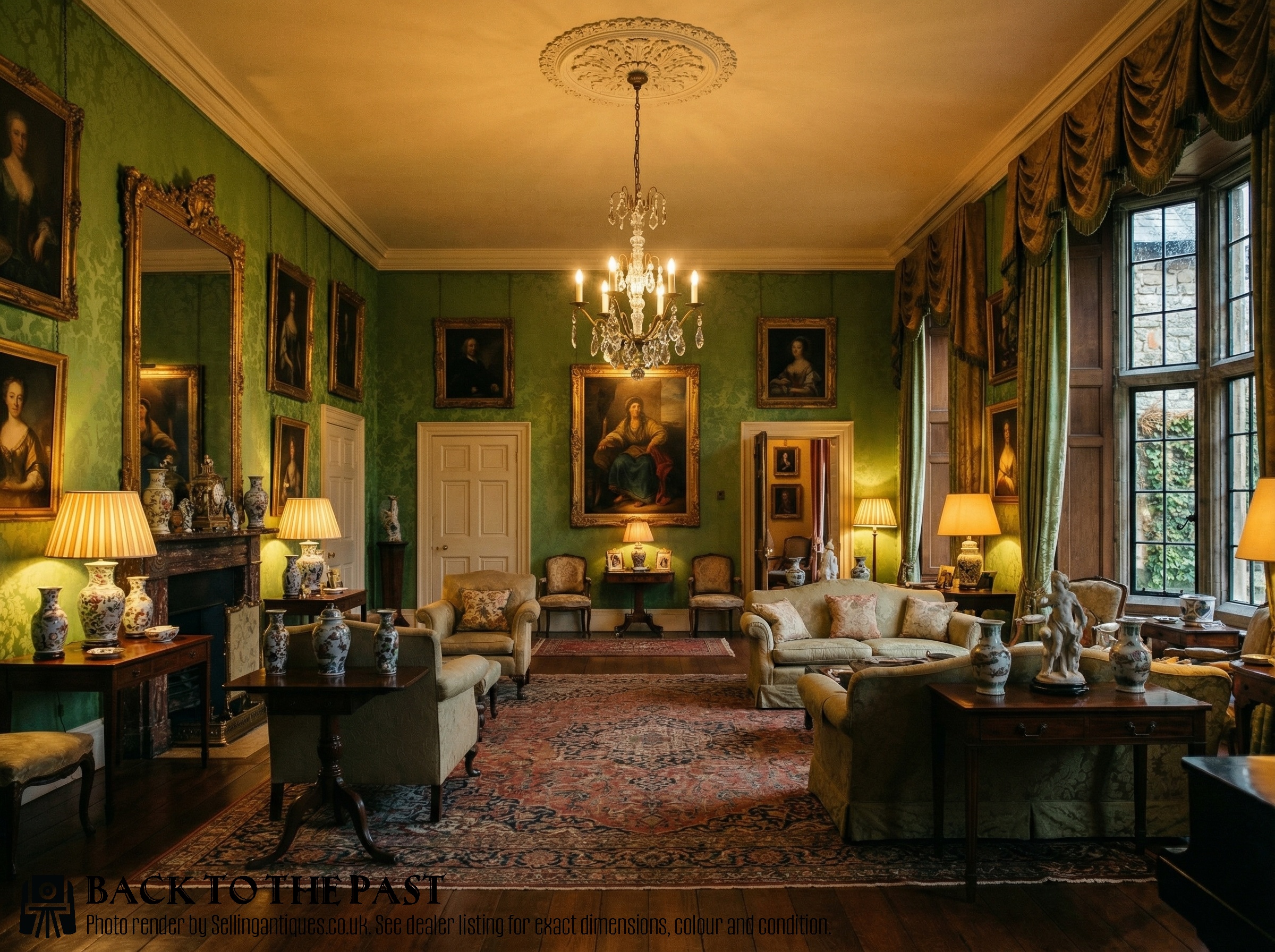
French Style Pendant Chandelier
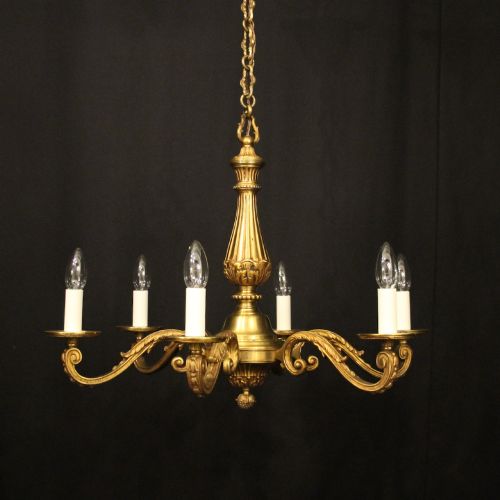
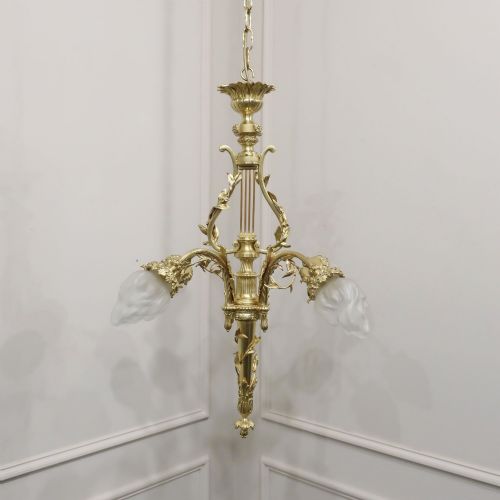
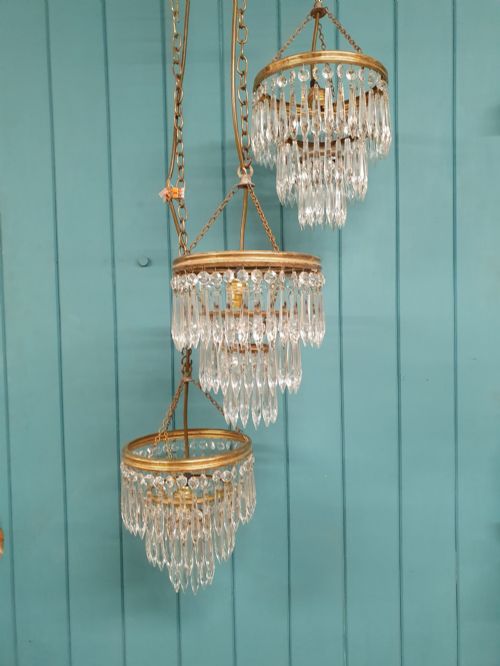
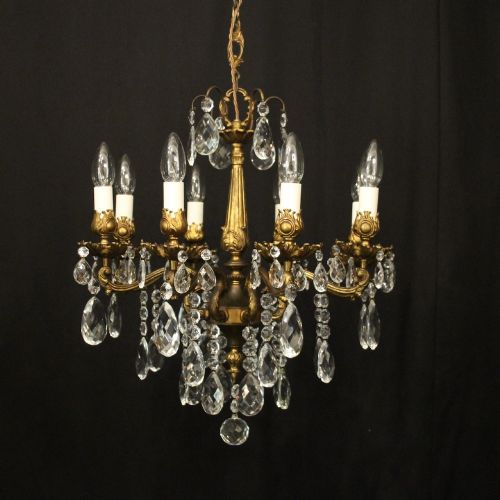
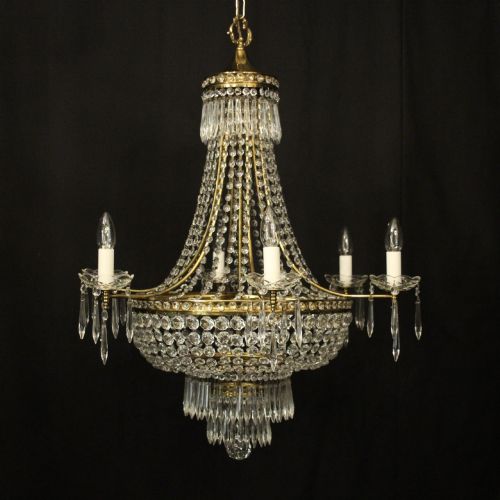
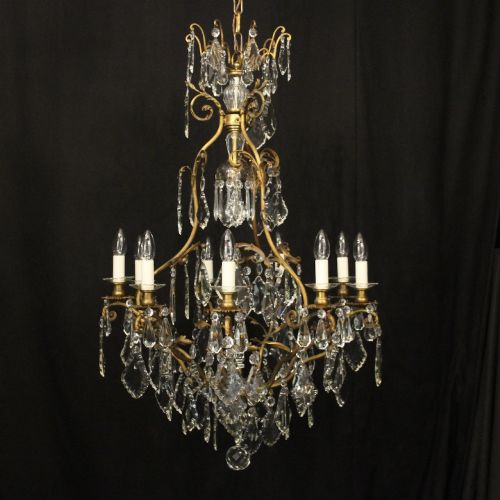
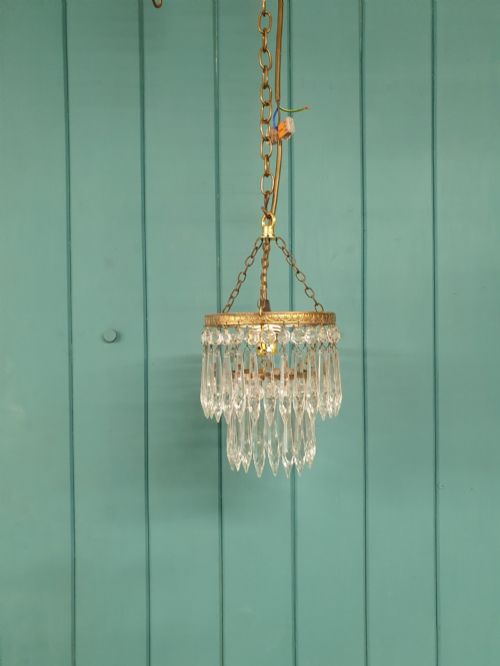
A French style pendant chandelier illuminates a room from above, taking forms such as birdcage, tent and waterfall, lyre, and hall lanterns. These fixtures arrive from diverse periods including the nineteenth century, Edwardian era, and nineteen-thirties.
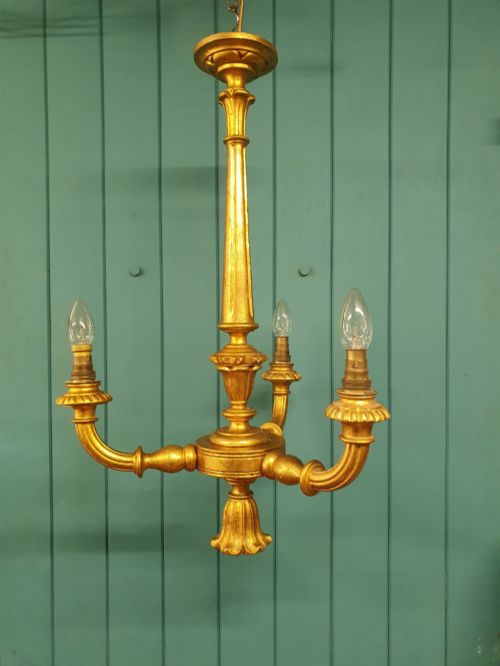
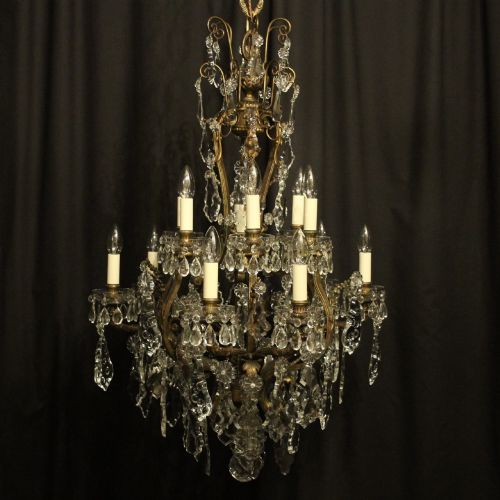
Buyers encounter multi-light arrangements holding anywhere from a single bulb up to twenty-five lights, alongside matching pairs designed for grand spaces. The selection includes brass and crystal configurations, gilded bronze structures, and bronze wall sconces or ceiling lights.
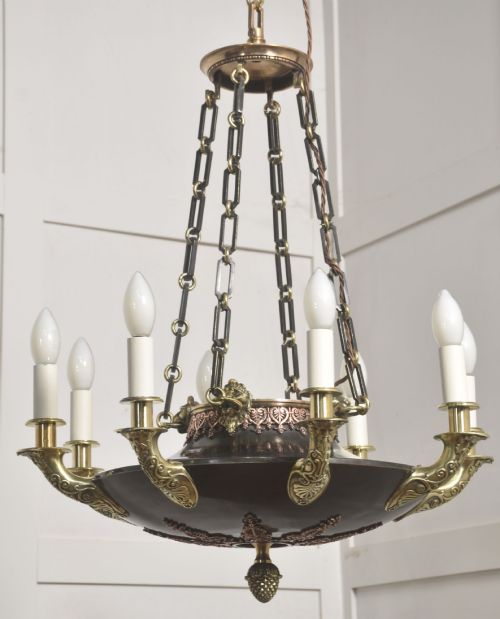
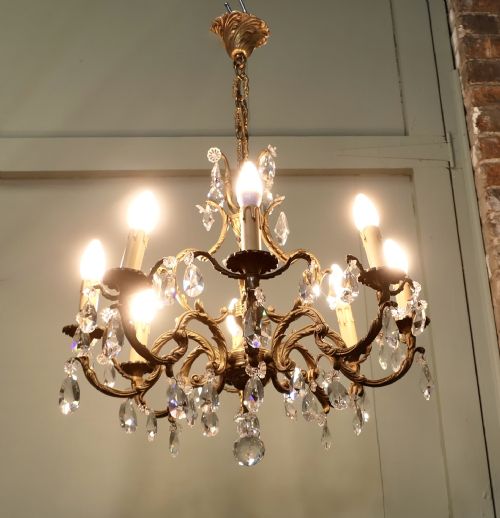
Stylistic influences span French Rococo, Empire, Neoclassical, and Chateau designs, frequently paired with Italian Rococo or Art Nouveau accents. These hanging lights serve as principal focal points in dining rooms, hallways, and reception spaces.
Materials and Construction Techniques
Metalwork forms the backbone of these pieces, utilising brass, bronze, gilt bronze, gilded bronze, copper, and silver gilded finishes. Artisans cast these metals into intricate frames, arms, and decorative mounts following Rococo, Empire, or Neoclassical motifs.
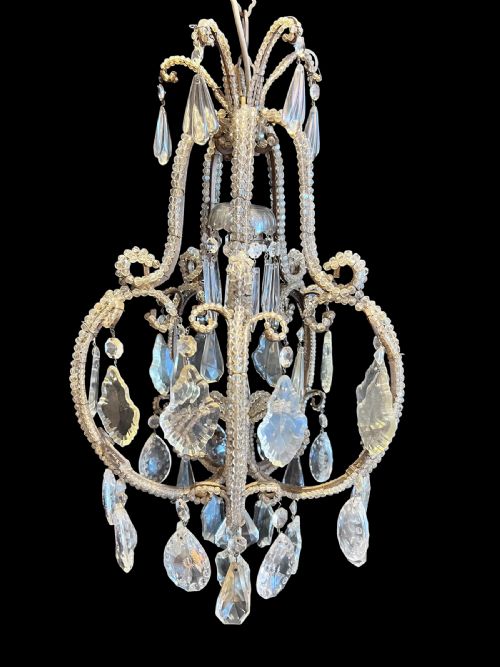
Glass and crystal components dress the metal structures, featuring cut glass, crystal lustres, beads, domes, and cascading waterfall drops. Some specialised designs incorporate carved giltwood or alabaster elements to diffuse the illumination.
Listings feature fixtures spanning the nineteenth century through the nineteen-thirties, incorporating brass, gilt bronze, cut glass, and alabaster.
Distinctions in Quality
The refinement of the cast bronze or brass metalwork dictates the visual impact of the fixture, separating heavy, sharply chased mounts from simpler castings. Rich gilding and substantial metal gauge elevate the presence of the piece.
The clarity and cut of the crystal pendants determine how light refracts across the room, with precision-cut glass producing sharper prismatic effects than plain moulded variants. The completeness and uniformity of matching crystal lustres and drops sustain the design integrity.
The French Style Pendant Chandelier Glossary
- Tent and waterfall
- A chandelier style featuring an upper canopy of gathered crystal strands forming a tent shape above a cascading waterfall of further crystal drops.
- Gilt bronze
- Metal alloy cast into decorative shapes and coated with a thin layer of gold or gold-coloured leaf.
- Crystal lustre
- A cut glass pendant suspended from the arms or frame to catch and reflect illumination.
- Lyre chandelier
- A lighting fixture shaped to resemble the ancient musical instrument, often executed in gilt bronze during the neoclassical period.
- Hall lantern
- An enclosed ceiling-hung pendant light designed specifically for entryways and corridors.
French Style Pendant Chandelier: Frequently Asked Questions
How do I hang a heavy antique chandelier?
These large fixtures require proper structural support in the ceiling joists rather than standard electrical boxes alone due to the combined weight of cast bronze and crystal.
Professional installation ensures the hanging chain and wiring safely bear the load of multi-light bronze and brass structures.
What rooms suit a tent and waterfall chandelier?
The cascading crystal drops and generous proportions of tent and waterfall designs demand high ceilings to properly display their vertical drop.
Dining rooms, grand stairwells, and drawing rooms provide the ideal architectural scale for these elaborate nineteenth-century and early twentieth-century fixtures.
How do I clean crystal lustres safely?
Detachable crystal drops and lustres benefit from gentle hand washing in warm water with mild soap before being dried individually with a soft cloth.
Leaving the metal frame suspended while cleaning the glass components prevents accidental damage to fragile bronze arms and wiring.
What is the difference between Empire and Rococo styles?
Empire style lighting draws on neoclassical military and imperial motifs, displaying symmetry, laurel wreaths, and restrained classical restraint.
Rococo designs embrace asymmetrical curves, scrolling foliage, and exuberant ornamentation derived from natural forms.