
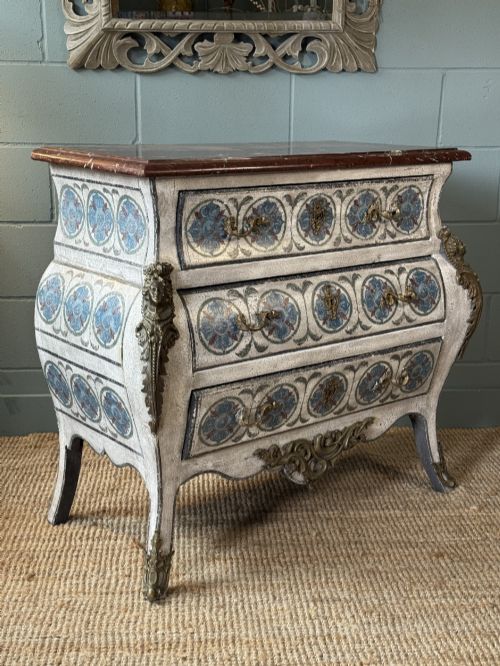


French Style Painted Chest
When you search for a french style painted chest, you enter a world of decorative storage influenced by centuries of continental design.

French Style Painted Chest
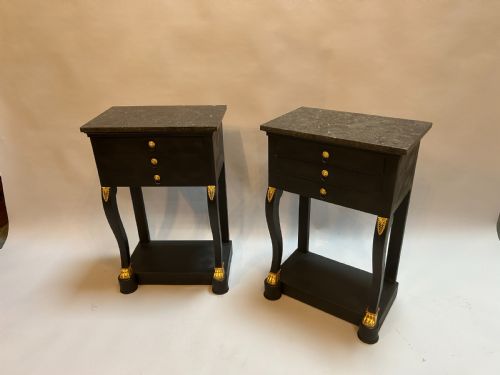
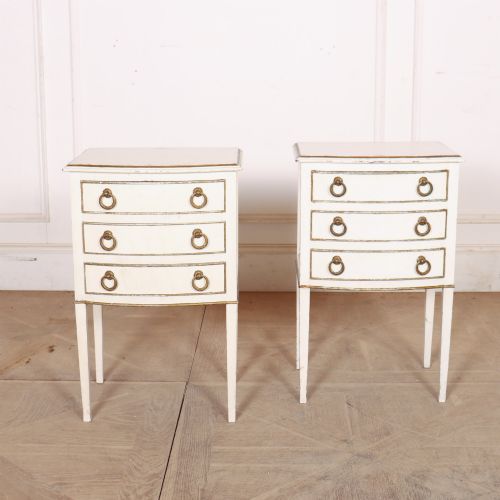
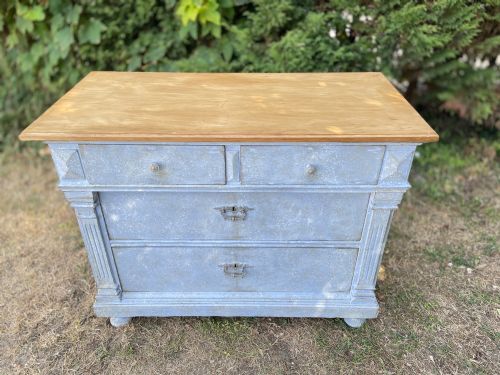
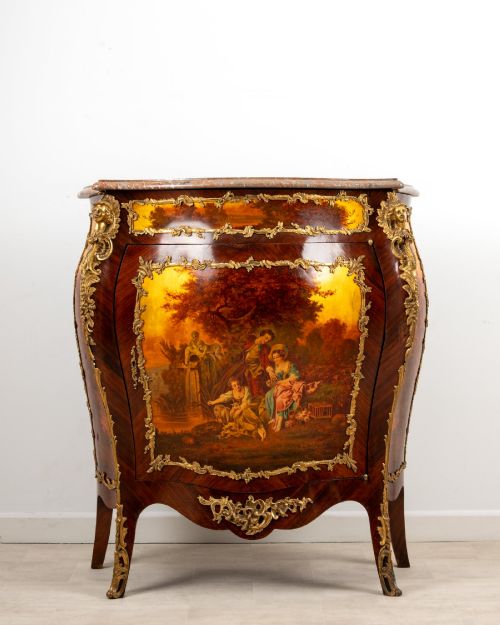
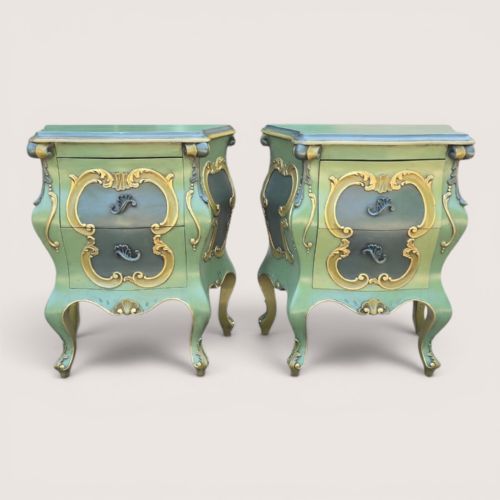
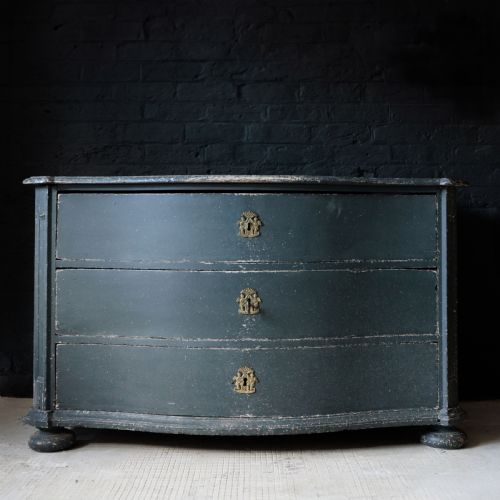
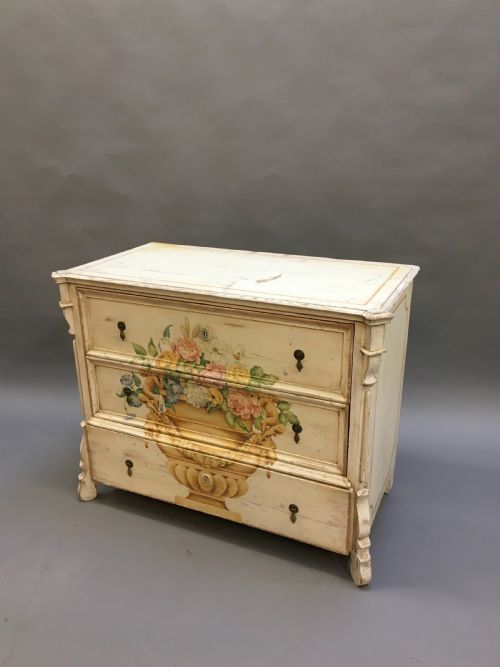
A french style painted chest brings continental elegance to a room through curved silhouettes and decorated wooden surfaces. Buyers searching this phrase most frequently encounter commodes, bedside chests, and larger chests of drawers dating from the eighteenth century through to the early twentieth century.
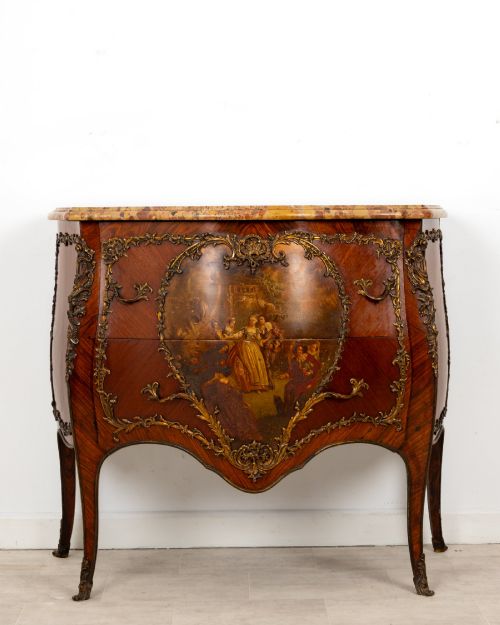
The aesthetic draws heavily on classical European revivals, including Louis XV and Louis XVI styles, alongside provincial interpretations. Pieces range from serpentine commodes with shaped marble tops to compact bedside tables and taller cabinets designed for domestic utility.
Origins span Parisian workshops making high-status commodes to regional makers producing painted pine and oak furniture. The selection reflects both grand chateau aesthetics and simpler country traditions across France and neighbouring European centres.
Materials and Techniques
Carpenters constructed these pieces using native timbers such as oak, pine, and occasionally kingwood, applying layers of paint to the wooden substrates. Many examples incorporate decorative mounts in brass, ormolu, or gilt-bronze, which punctuate the painted exterior with metallic contrast.
Surfaces frequently feature hand-applied paint finishes, sometimes complemented by gilding, vernis martin decoration, or hand-painted details. Marble tops, often shaped to follow the serpentine or bombe contours of the wooden carcase, provide a durable and luxurious upper surface.
Some nineteenth-century commodes arrived with faux marble tops painted by clever hands to mimic expensive stone without the heavy lifting.
Defining Quality
Quality rests upon the harmony of the proportions, the crispness of the carved details in the wood, and the integration of decorative mounts. Superior examples display fluent serpentine or bombe curves that require considerable skill from the cabinetmaker to execute correctly.
The integrity of the painted surface significantly influences character, distinguishing pieces with original patination and delicate decorative work from later overpainting. Finely fitted marble slabs and substantial brass or ormolu mounts further elevate the status of an individual commode or chest.
The French Style Painted Chest Glossary
- Commode
- A low chest of drawers, often standing on cabriole legs and associated with eighteenth-century French interior design. The form developed from simple cupboards into highly decorative pieces of furniture.
- Bombe
- A swollen, bulging contour found on the sides and fronts of certain commodes and cabinets. This undulating shape demands advanced woodworking techniques.
- Serpentine
- A furniture front or top curving inward centrally and outward at the ends, creating an elongated 'S' shape. It appears frequently on eighteenth and nineteenth-century commodes.
- Vernis Martin
- A type of European lacquer developed in imitation of Asian lacquerwork, utilising multiple layers of varnish. It adorns high-end Parisian commodes and cabinets.
- Ormolu
- Gilded bronze mounts applied to furniture edges, corners, and feet for decorative effect. The metal is cast and then treated to achieve a bright gold appearance.
French Style Painted Chest: Frequently Asked Questions
What is a french style painted chest?
These items are decorative storage units, primarily commodes and chests of drawers, finished with painted surfaces and inspired by French design periods.
They serve as focal points in bedrooms and living spaces, combining practical drawer storage with ornamental continental styling.
Where were they used?
Historically, such pieces furnished formal salons, grand bedchambers, and provincial homes across Europe.
Today, they adapt easily to modern domestic interiors as bedside tables, hallway chests, or living room statement furniture.
How do I style a painted chest?
Pair the piece with neutral walls to let the painted finish and decorative mounts stand out clearly.
Keep surface styling restrained with a lamp or a small mirror to preserve the visual balance of the top.
How can I tell the period?
Examine the timber construction methods, the style of the hardware mounts, and the nature of the painted finish.
Earlier pieces often show hand-cut joinery and aged patination, whereas twentieth-century revivals utilise cleaner mechanical assembly techniques.