


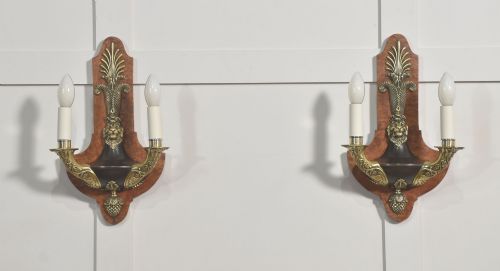
French Style Lighting
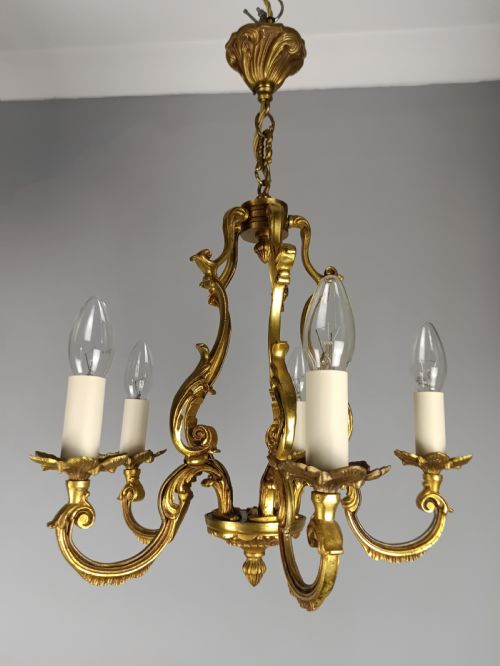
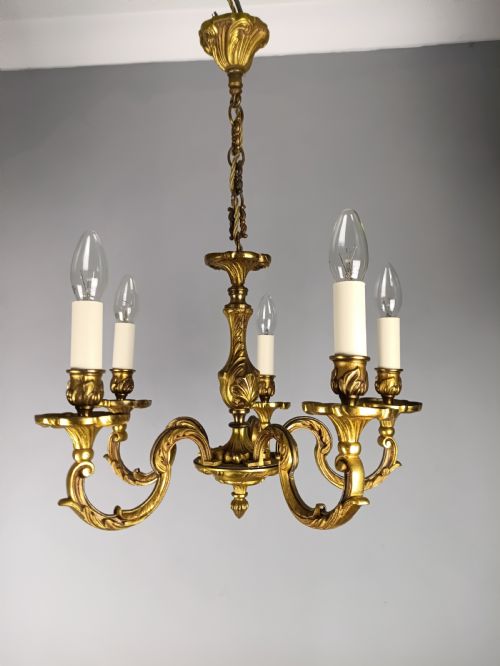
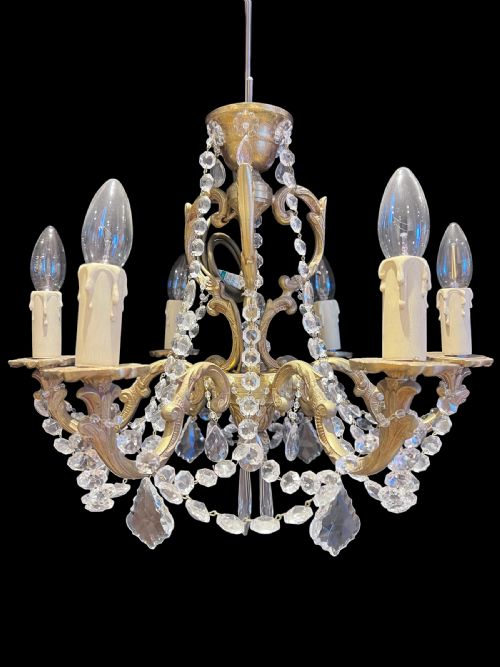
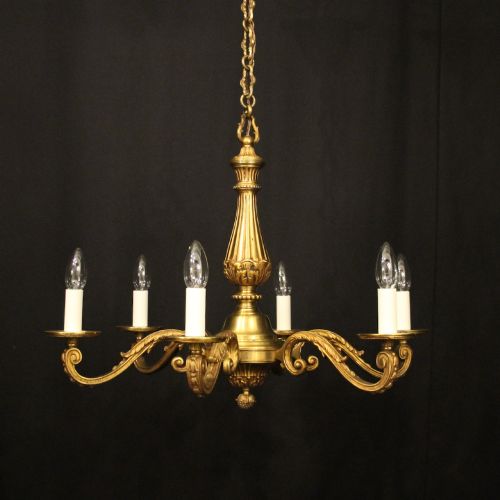
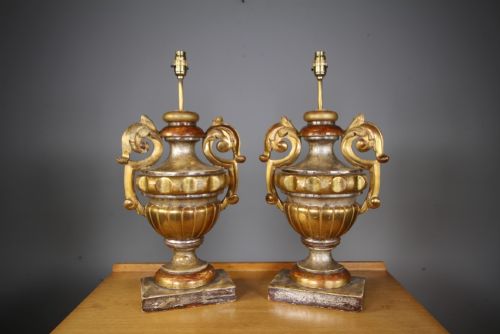
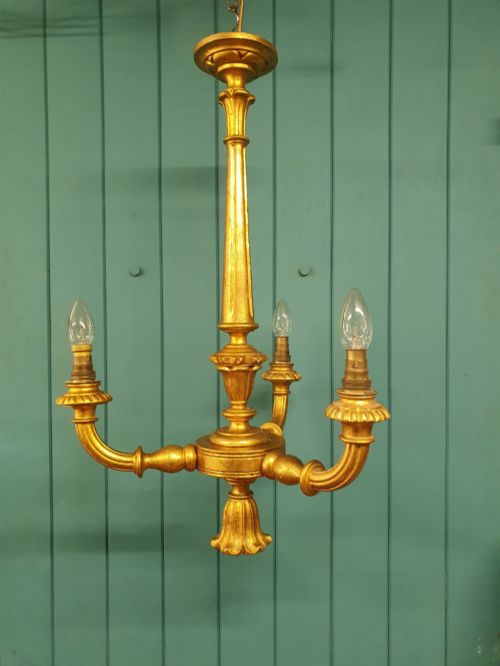
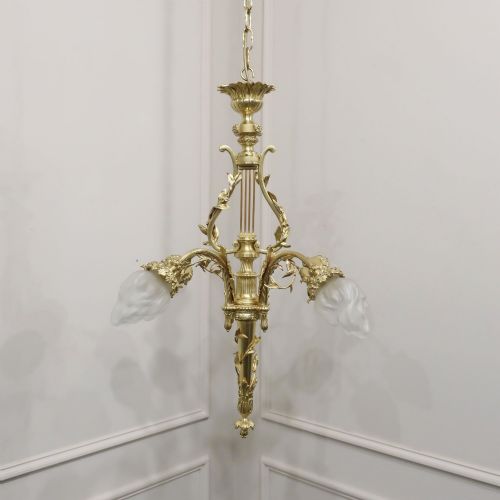
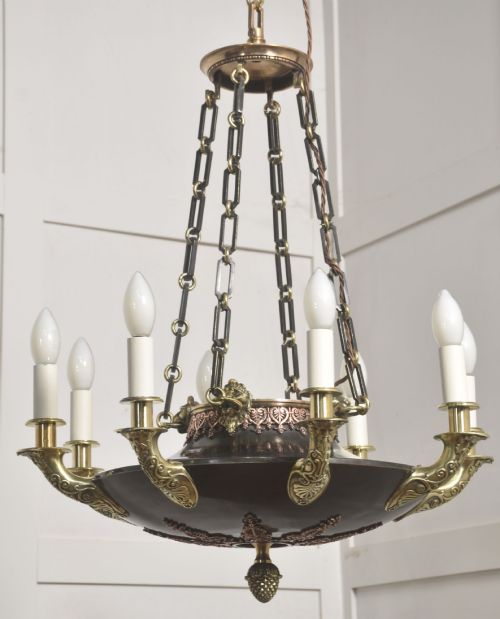
French style lighting brings decorative brass, crystal and gilt bronze into a room through grand chandeliers, wall lights and candelabra.
How they were made
Maker workshops utilised cast brass, gilt bronze and ormolu to construct sturdy armatures and decorative mounts. Artisans then chased and gilded these metal components by hand to achieve rich surface textures.
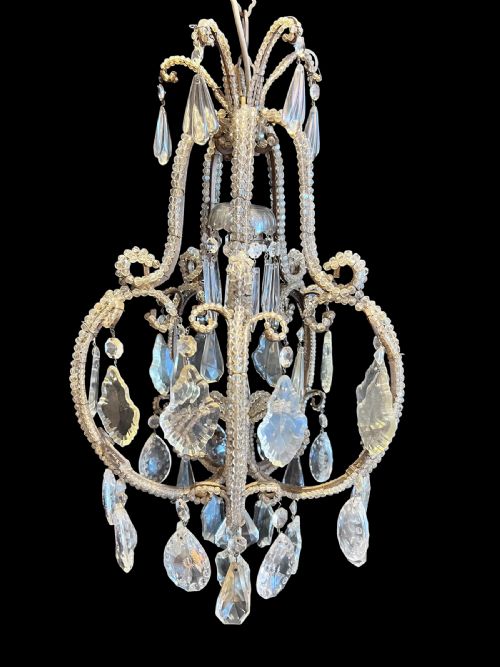
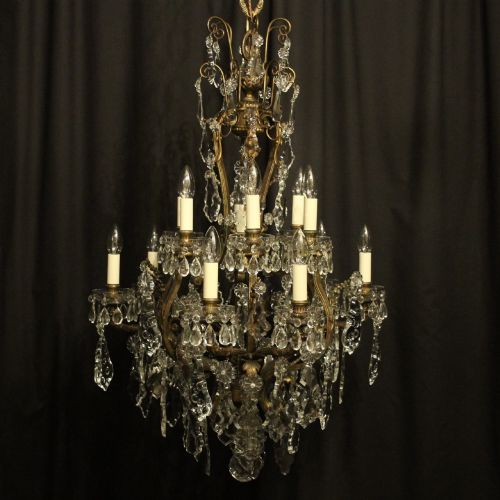
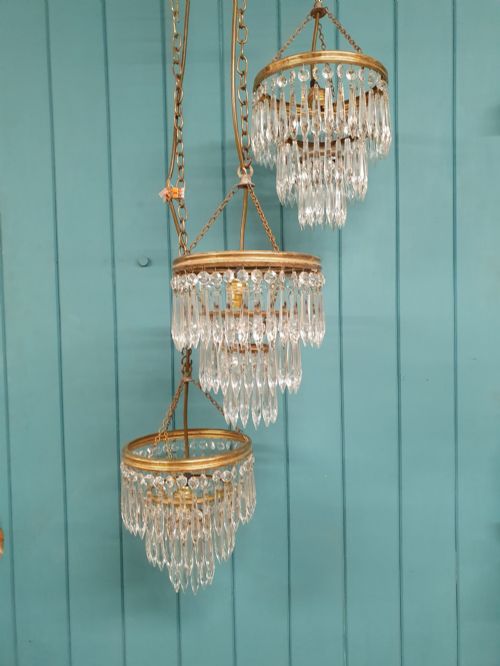
Glass and crystal elements, including lustres and beads, were hung from metal frames to refract light. Carved giltwood, carved pine and tole peinte also appear across the selection, paired with porcelain and marble details.
What varies in quality
The precision of the metal chasing and the depth of the gilding determine the refinement of a piece. Finer examples show crisp detail in cast motifs like acanthus leaves and putti, while simpler pieces exhibit softer, shallower casting.
The quality of the crystal drops and the completeness of the glass dressing alter the visual impact. Original patination on bronze and brass surfaces also distinguishes higher grade items from later restorations.
French Style Lighting Retail Price Guide 2026
Typical asking prices for french style lighting among the pieces listed under this phrase on Sellingantiques today, from the lower quarter to the upper quarter. They describe what is for sale here now, not the wider market.
The listings span the eighteenth to the early twentieth century, incorporating materials like marble, crystal, bronze and carved oak.
Francois Redmond·Maison Baguès·E Rousseau
The French Style Lighting Glossary
- Ormolu
- Gilded bronze, where a layer of gold amalgam is applied to a bronze base. This technique creates a rich, metallic finish seen on many chandeliers and candelabra.
- Crystal lustre
- A cut glass pendant or drop hung from a chandelier to reflect light. Lustres vary in shape from simple spears to elaborate faceted prisms.
- Tole peinte
- Painted sheet metal used for decorative lanterns and shades. It often receives parcel gilt detailing.
- Tent and waterfall
- A chandelier configuration where strings of glass beads form an upper tent shape above a cascading waterfall of crystal drops.
French Style Lighting: Frequently Asked Questions
How do I wire an antique chandelier?
Most older fixtures require rewiring to meet modern electrical safety standards. A qualified electrician can thread modern flex through the arms and centre rod without damaging the antique metalwork.
Many fixtures retain their original candle tubes or drip pans, which can be adapted to hold modern candle-style bulb fittings.
How do I clean crystal chandeliers?
Regular dusting keeps crystal lustres bright, while deep cleaning involves washing glass drops in warm soapy water by hand. Each pendant should be removed, cleaned and dried individually before reattachment.
Avoid using harsh chemical sprays on the metal frame or gilt surfaces during the cleaning process.
What is the difference between an sconce and a candelabrum?
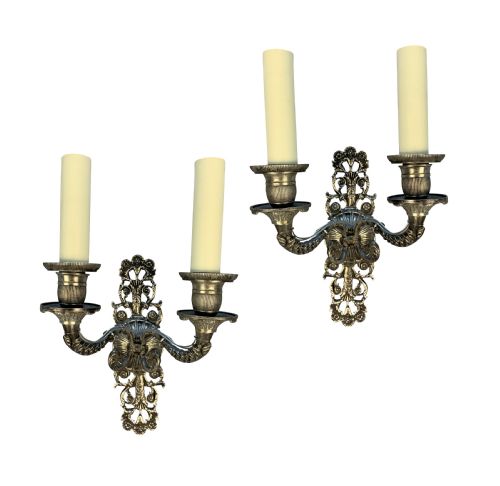
A wall sconce mounts directly to a wall to provide fixed illumination, often holding one or two candle branches. A candelabrum is a freestanding portable candlestick with multiple arms designed for a table or sideboard.
Both forms utilise similar cast bronze and brass materials within french style lighting.
How do I date a brass chandelier?
Dating relies on examining the construction methods, screw threads and fastening types used in the metal armature. Hand-cut crystals and specific decorative styles like empire or rococo revival also point to particular periods.
Consulting the specific period listed helps narrow down the decade of manufacture.