


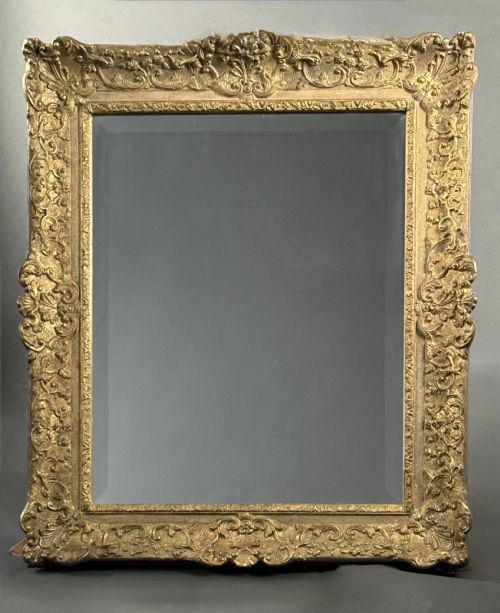
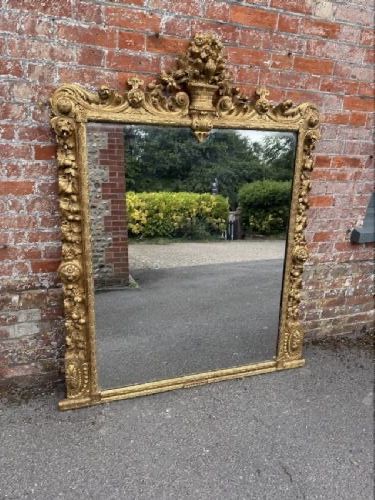
French Style Gold Mirror
When you search for french style gold mirror, you are looking at gilt-framed wall and overmantel looking glasses designed to catch and multiply candlelight.
French Style Gold Mirror
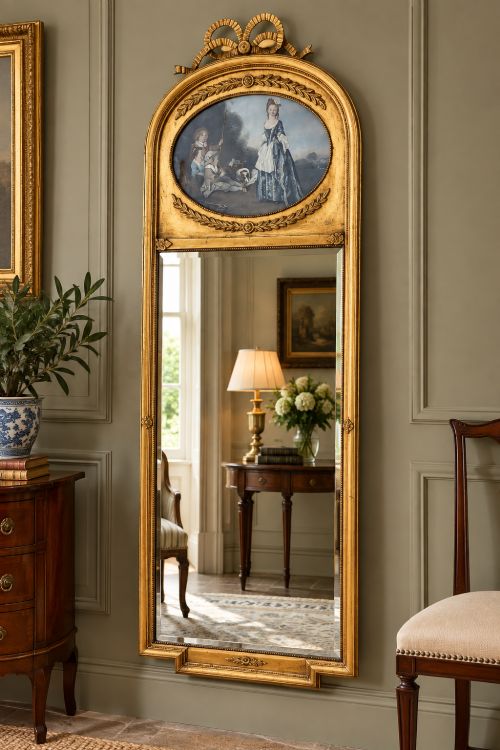
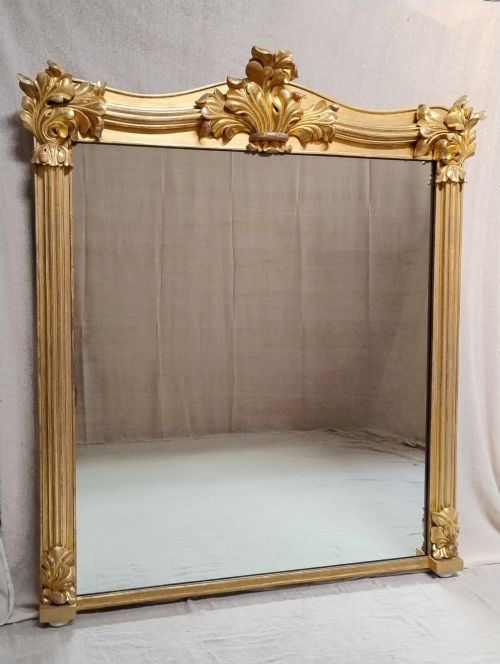
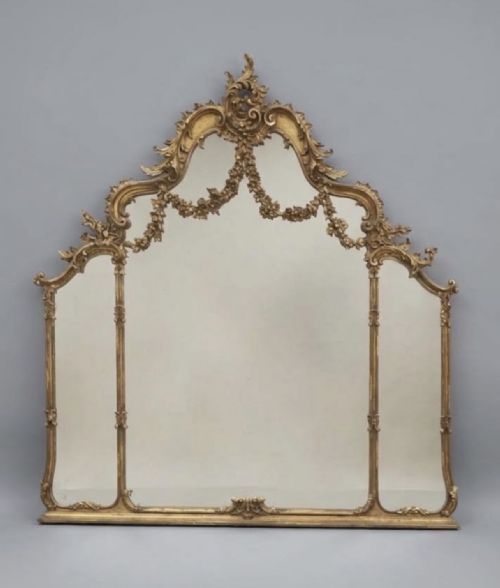
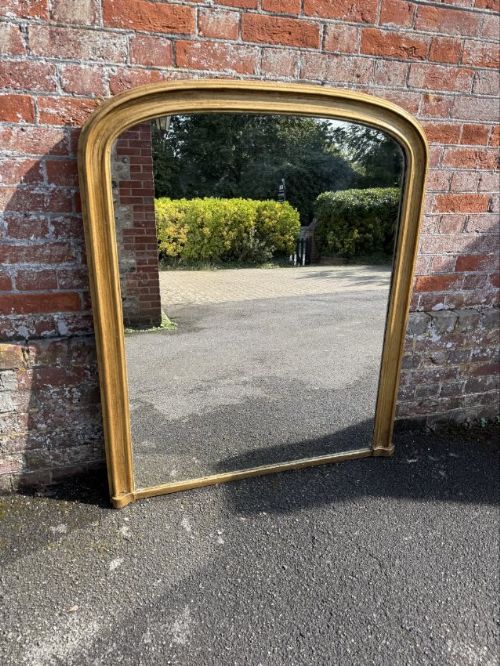
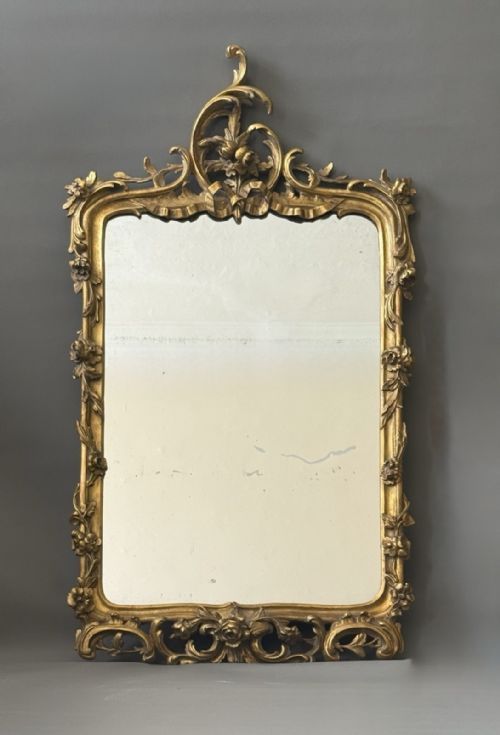
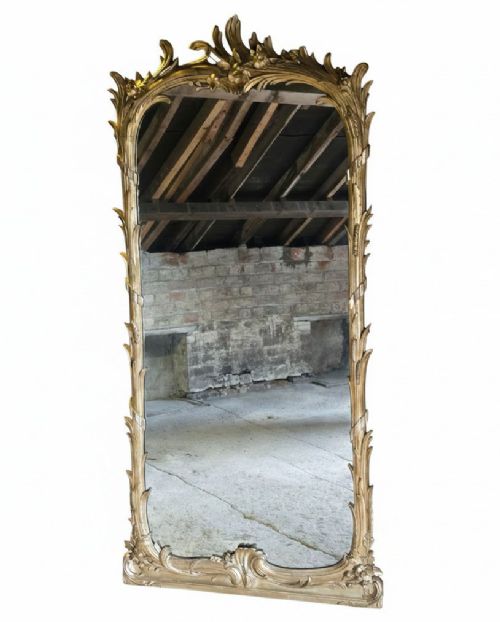
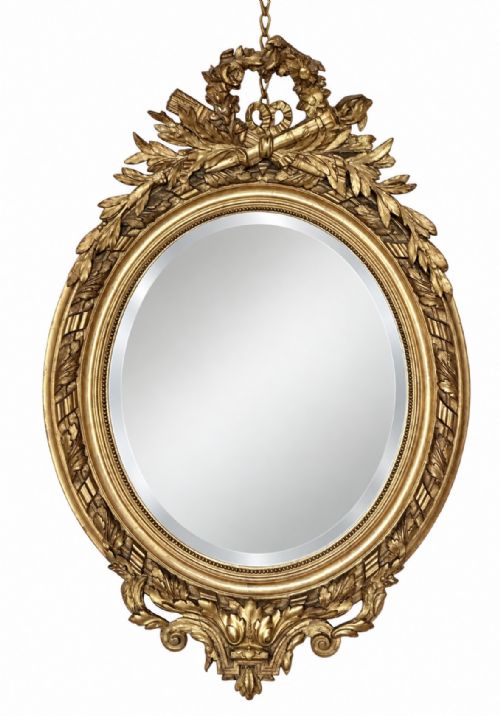
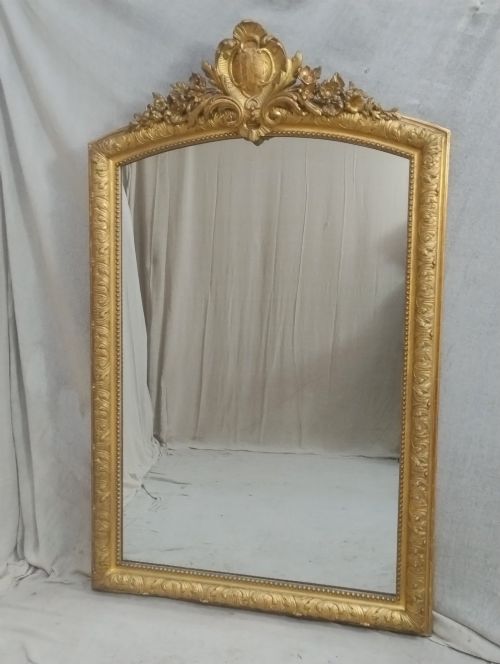
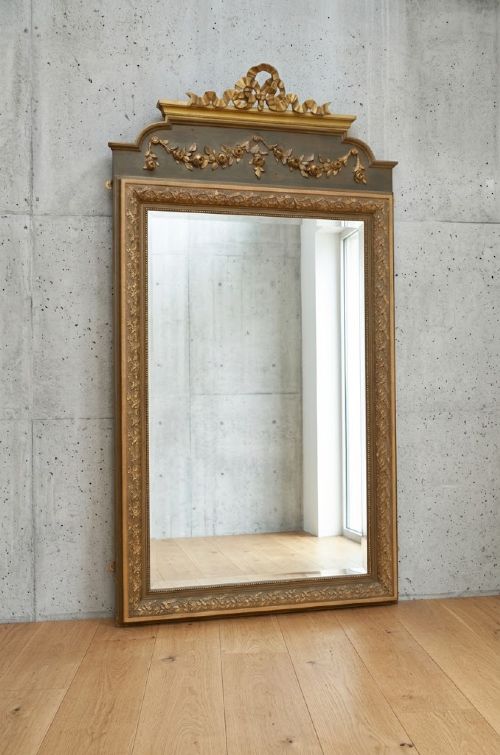
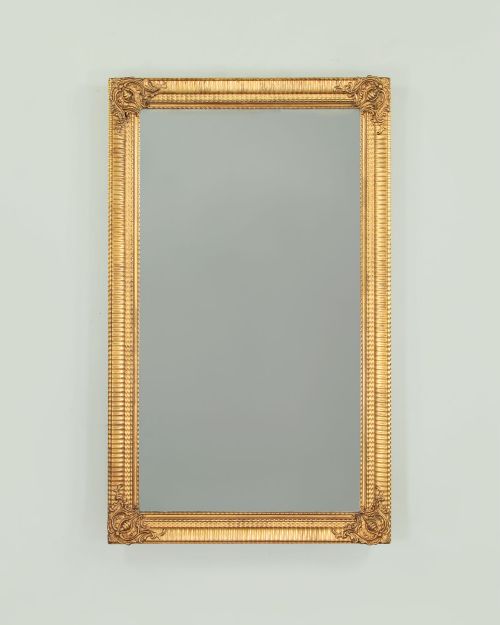
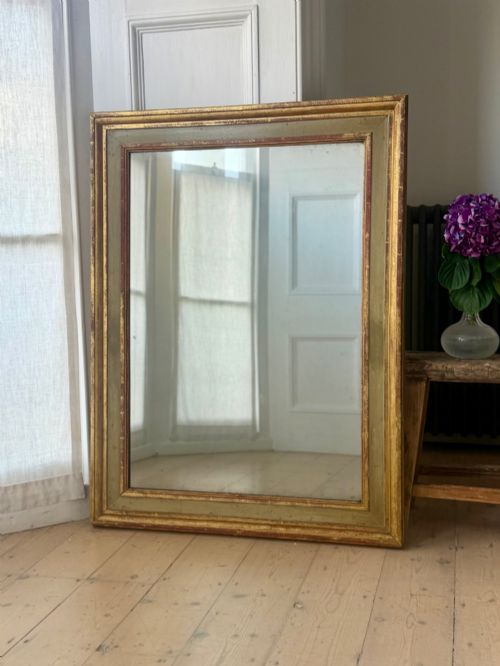
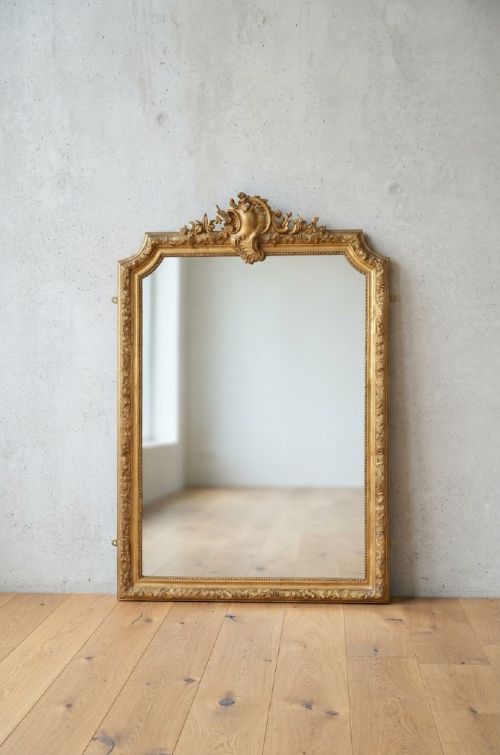
A french style gold mirror encompasses overmantel mirrors, tall leaner mirrors, and wall sconces produced across the nineteenth and eighteenth centuries. These pieces typically display ornate carved frames influenced by Rococo and Neoclassical design principles.
The most frequent examples encountered on this page date from the nineteenth century, featuring arched tops, ribbon crests, or rope twist details. They appear in formats ranging from compact wall pieces to monumental overmantels intended to dominate a chimney breast.
Materials and construction methods
Frames are constructed from timber, such as wood, which is then layered with gesso or plaster to create sculptural relief ornament. Artisans apply gold leaf, gilt finishes, or paint directly onto this prepared surface.
Mirrors utilise traditional glass plates, occasionally including antique mercury glass or bevelled plates set securely within the timber and composition framework.
Listings feature eighteenth-century pieces alongside Victorian interpretations, utilising materials such as gesso, giltwood, and original mercury glass.
Elements of quality
The depth and crispness of the hand-carved wood and moulded gesso decoration dictate the visual impact of the frame. Superior examples display intricate, well-defined motifs rather than soft or repetitive composition mouldings.
The condition and character of the mirror plate itself, whether original mercury glass with foxing or a later replacement, alter the authenticity and reflection of the piece.
The French Style Gold Mirror Glossary
- Gesso
- A plaster-like mixture applied to wood frames to provide a smooth surface for gilding. It allows artisans to carve intricate relief details before applying gold leaf.
- Giltwood
- Timber that has been coated in gold leaf or gold paint. This material forms the primary structure of many antique decorative looking glasses.
- Mercury glass
- A double-walled glass blown in the nineteenth century with a silver-liquid lining poured between the layers. It creates a cloudy, reflective surface often seen in older mirrors.
- Overmantel mirror
- A large looking glass specifically proportioned to hang above a fireplace mantel. These pieces frequently feature horizontal formats or arched tops to fit architectural spaces.
- Rococo Revival
- A nineteenth-century design style inspired by the asymmetrical scrolls, shell motifs, and natural curves of the eighteenth-century French movement.
French Style Gold Mirror: Frequently Asked Questions
How do I hang a heavy overmantel mirror?
These substantial frames require secure fixing directly into wall studs or masonry using heavy-duty brackets. Professional installation is recommended given the considerable weight of timber and plaster construction.
Position the mirror at a height that reflects natural light from windows rather than the ceiling. This maximises the brightening effect intended by the original makers.
What is foxing on a mirror plate?
Foxing refers to the dark spots, speckles, and cloudy patches that develop on antique mirror plates over decades. It occurs when moisture degrades the silver backing behind the glass.
Many collectors prize foxing as genuine evidence of age. It provides a soft, atmospheric reflection distinct from modern flawless glass.
Can I place these mirrors in a bathroom?
High humidity and fluctuating temperatures can damage historic gesso, composition ornaments, and delicate gilt surfaces. Steam causes the underlying wood to expand and the gold leaf to flake.
Dry living spaces, hallways, and reception rooms remain the most suitable environments for preserving nineteenth-century gilded frames. Keep them away from direct heat sources and damp walls.
How do I clean an antique gilt frame?
Dust the carved ornament gently with a soft, dry brush to prevent dirt accumulation in the crevices. Avoid all liquid cleaners, polishes, and chemical sprays, which strip historic gilding.
If the glass requires cleaning, apply a mild glass cleaner to a cloth rather than spraying directly onto the surface. This prevents moisture from seeping behind the frame edge.