
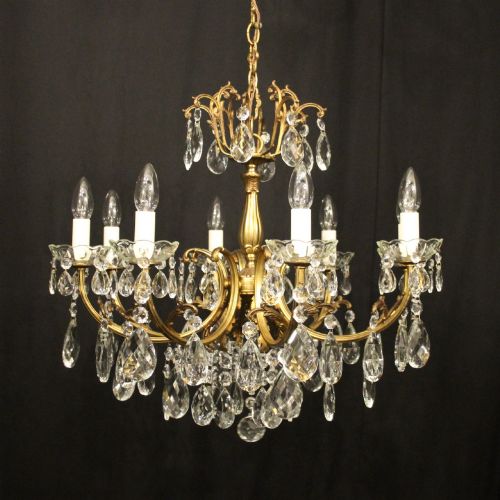
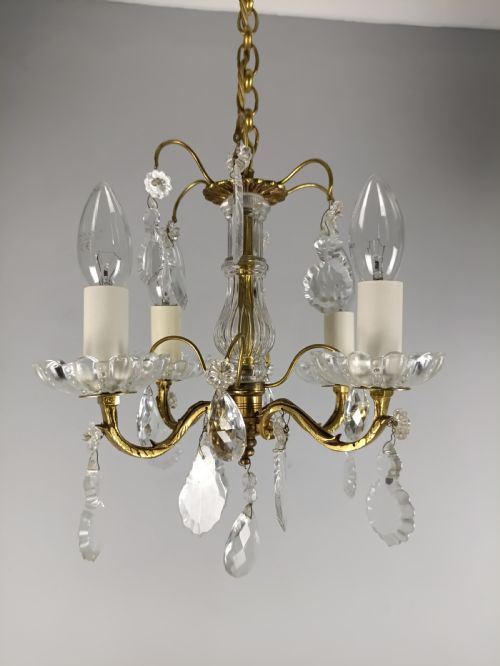
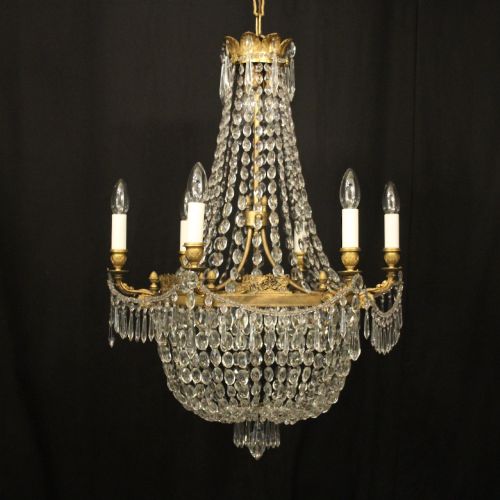
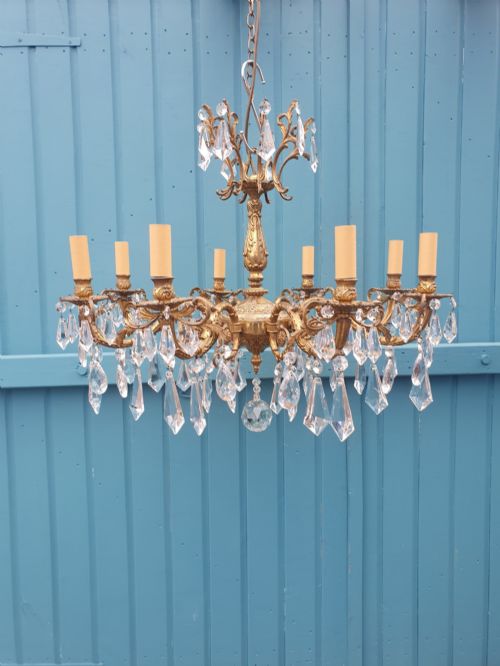
French Style Glass Pendant
These french style glass pendant pieces are illuminating centrepieces that bring historic continental elegance to domestic interiors.
French Style Glass Pendant
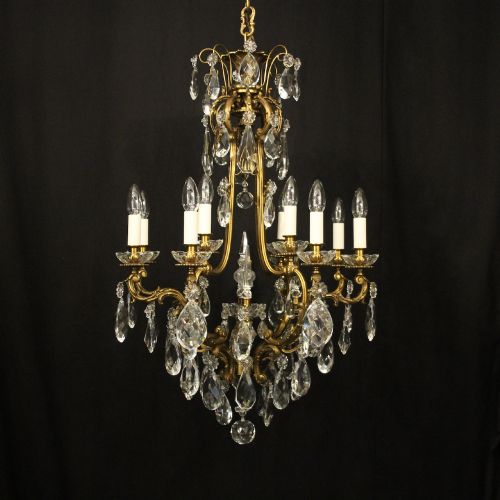
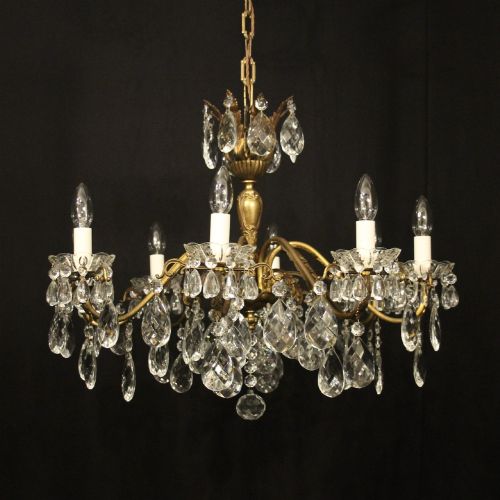
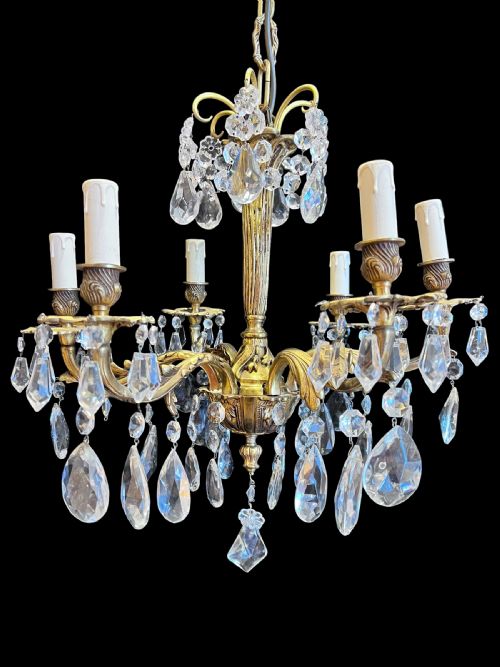
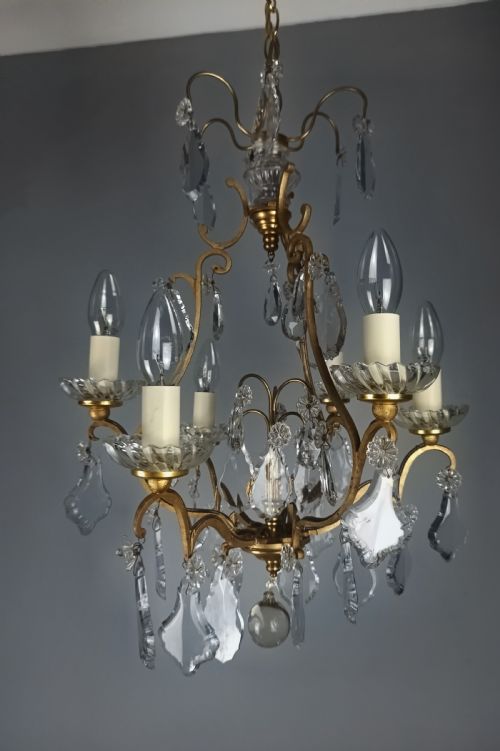
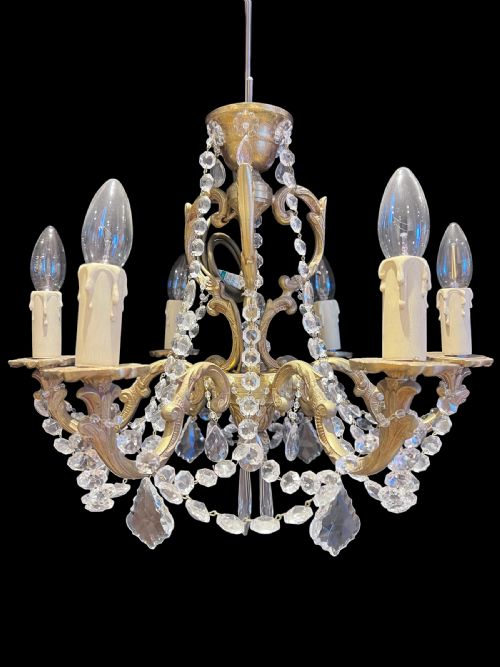
A french style glass pendant encompasses hanging ceiling lights, hall lanterns and chandeliers dating from the nineteenth and early twentieth centuries. Buyers search for this phrase to find ornamental lighting fixtures featuring glass, crystal and gilt bronze or brass mounts.
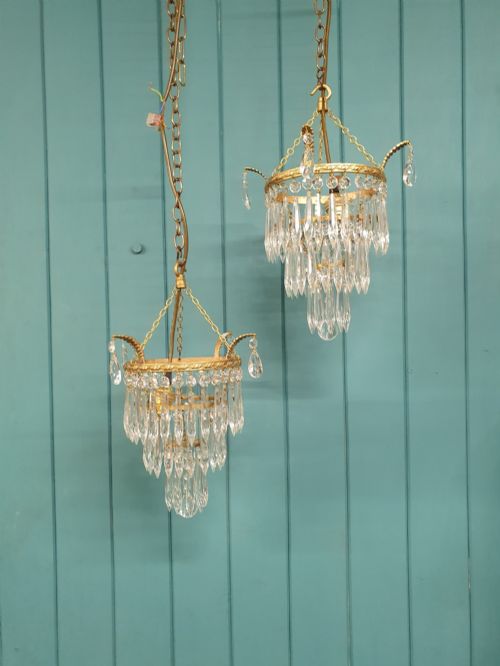
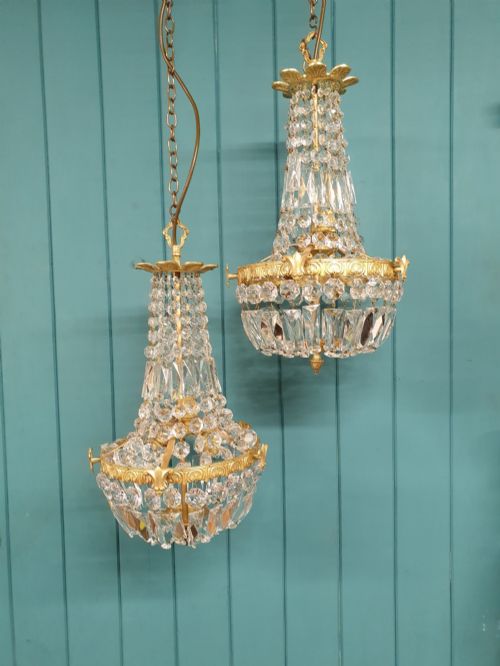
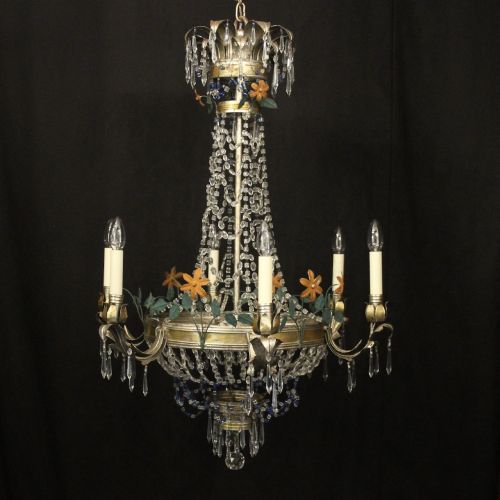
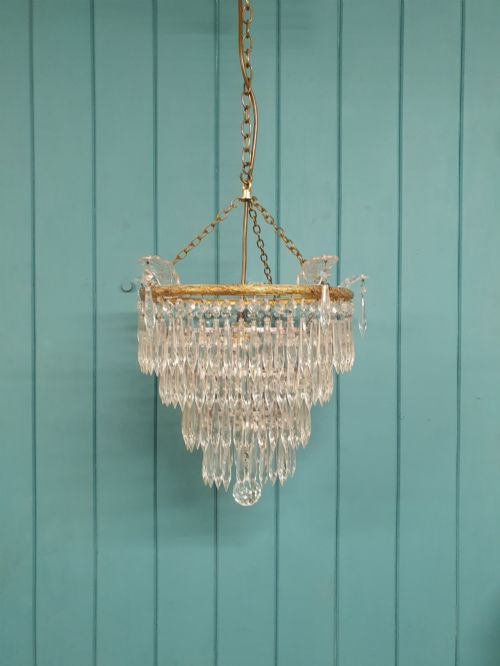
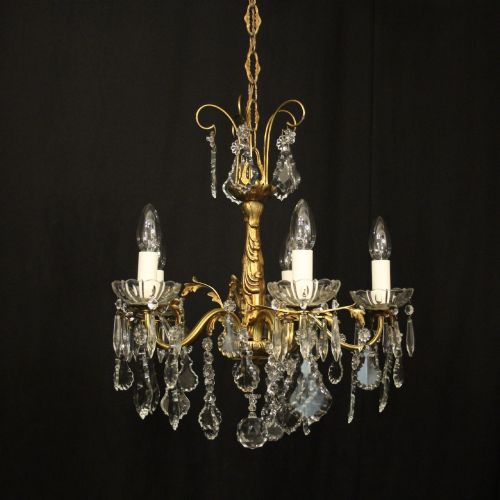
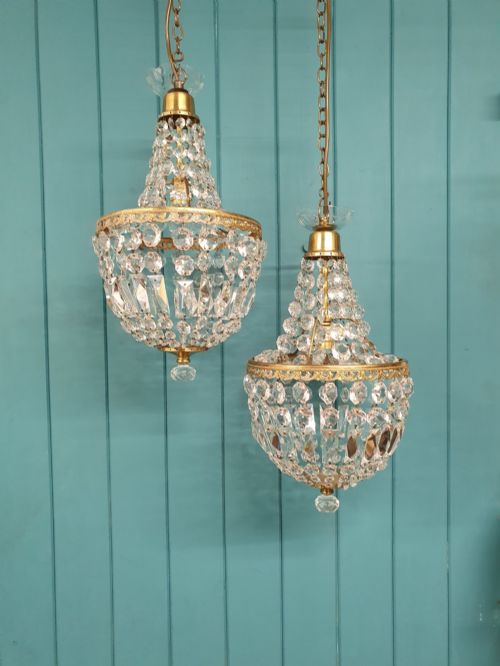
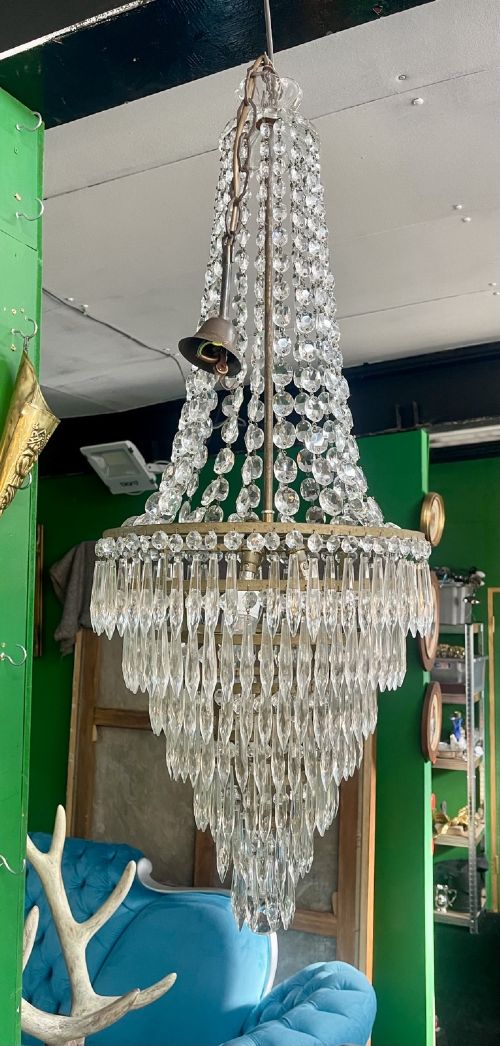
The selections span distinct periods including Edwardian, 1890, 1900, 1910, 1920, 1930 and the wider nineteenth century. Common configurations involve tent and waterfall drops, bag chandeliers, birdcage forms and single or multi-light convex hall lanterns.
Stylistic influences range across French Chateau, French Rococo, French Empire, French Neoclassical, Regency and Art Nouveau. Most examples incorporate metal frameworks combined with hanging crystal lustres and cut glass elements.
Materials and construction methods
Metalwork frames rely on cast brass, bronze, gilt bronze and gilded brass, often fashioned into intricate arms, rims and mounts. These foundations support the weight of numerous glass components while providing structural integrity for suspended lighting.
Glass and crystal elements utilise moulding, hand-cutting and polishing techniques to create light-refracting surfaces. Lustres, beads, bag drops and dome plates are assembled by hand using wire or pins to form elaborate cascades, tents and waterfalls.
Period examples span the late nineteenth century alongside Edwardian and 1920 to 1930 decades.
Assessing quality in decorative lighting
Quality differentiates through the clarity and depth of the crystal cutting, alongside the crispness of detail in cast bronze or brass mounts. Superior pieces display precise facet work that disperses light cleanly, whereas lesser examples utilise plain or pressed glass with softer edges.
The integration of metalwork and suspension hardware indicates the standard of original manufacture. Heavier gauge metals, secure pinwork connecting individual drops and well-proportioned arm arrangements denote careful workshop production.
The French Style Glass Pendant Glossary
- Tent and waterfall
- A lighting configuration where strings of glass beads form an upper triangular tent shape above a looser, cascading lower tier of crystal drops.
- Lustre
- A cut glass pendant drop, typically teardrop or spear-shaped, hung from the arms or perimeter of a chandelier to catch and reflect light.
- Bag chandelier
- A lighting form featuring a flat or rounded upper crown from which dense arrays of cut glass beads taper downward into a bag-like silhouette.
- Gilt bronze
- Copper alloy cast and treated with a gold-coloured surface finish, frequently utilised in French neoclassical and empire lighting mounts.
- Hall lantern
- An enclosed ceiling-hung light fixture, often glazed with curved or flat glass panels within a decorative brass or bronze frame.
French Style Glass Pendant: Frequently Asked Questions
Where should a pendant light hang?
These fixtures suit hallways, entrance foyers, dining rooms and reception spaces where vertical clearance allows suspension from the ceiling.
Positioning depends on traffic flow and room proportions, ensuring adequate headroom beneath the lowest hanging crystal drops or lantern base.
How are antique glass pendants wired?
Many surviving examples receive modern electrical conversion to meet contemporary safety standards while preserving original metal and glass components.
Internal wiring runs discreetly through the central shaft or chain, connecting to standard domestic lamp holders concealed within the design.
How do I clean crystal lustres?
Maintenance involves gentle washing of glass elements using warm water and a mild solution while the drops remain attached or after careful removal.
Regular dusting preserves the refractive quality of the cut glass without damaging the underlying metal frames or wiring.
What defines an empire style pendant?
Empire style lighting draws on neoclassical motifs inspired by the Napoleonic era, featuring symmetrical arrangements, urn-like central shafts and laurel or star brass mounts.
These designs frequently incorporate tent and waterfall crystal configurations suspended from sturdy circular crowns.