


Victorian Cut Glass Pendant
A victorian cut glass pendant brings focused refraction and period weight to an interior, built from heavy lead crystal and brass.
Victorian Cut Glass Pendant
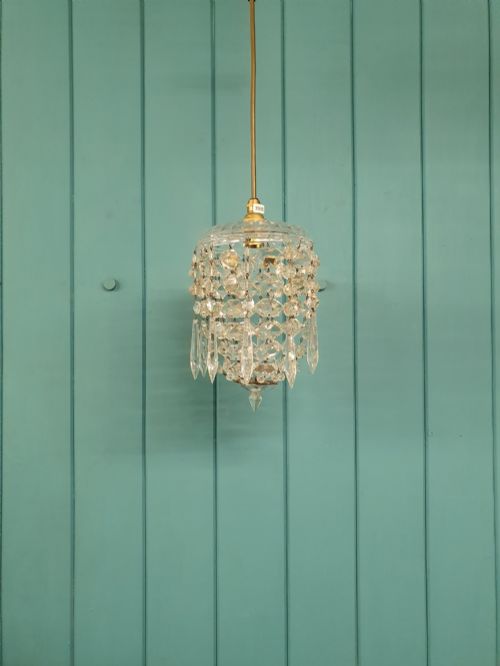
When you search for a victorian cut glass pendant, you encounter hanging light fittings and ceiling fixtures fashioned from faceted glass and metal mounts. These fixtures originate primarily from the nineteenth century, including Victorian and Edwardian periods.
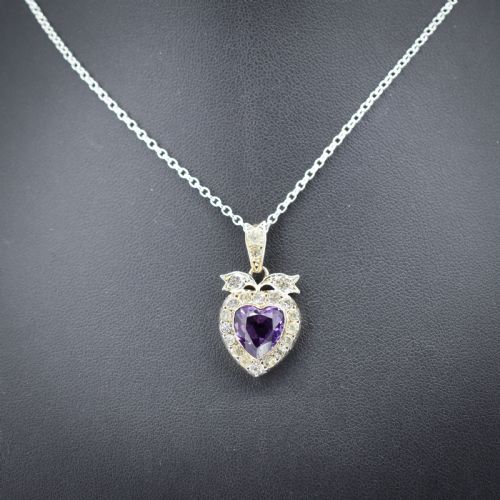
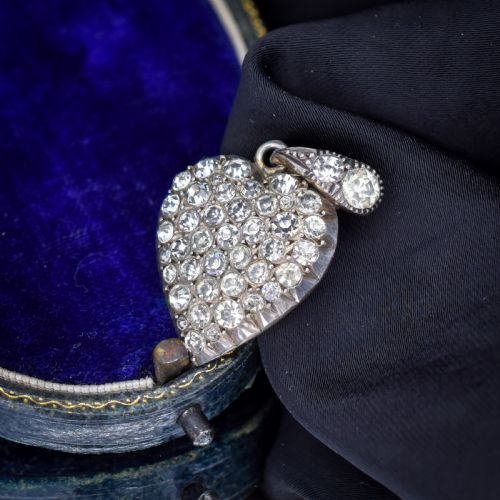
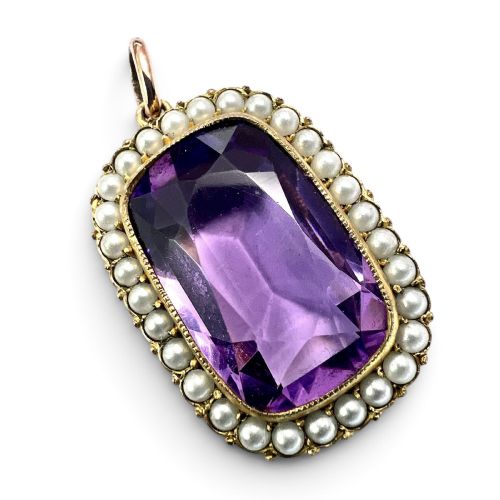
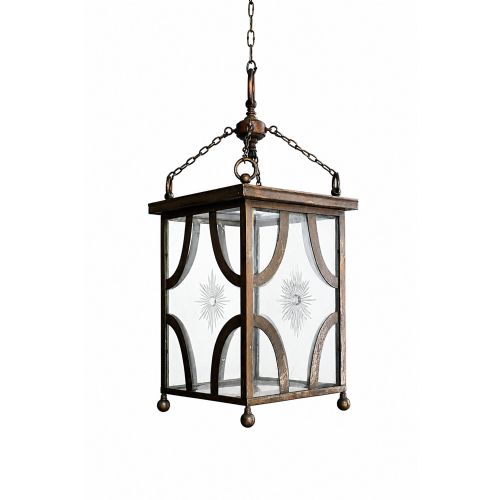
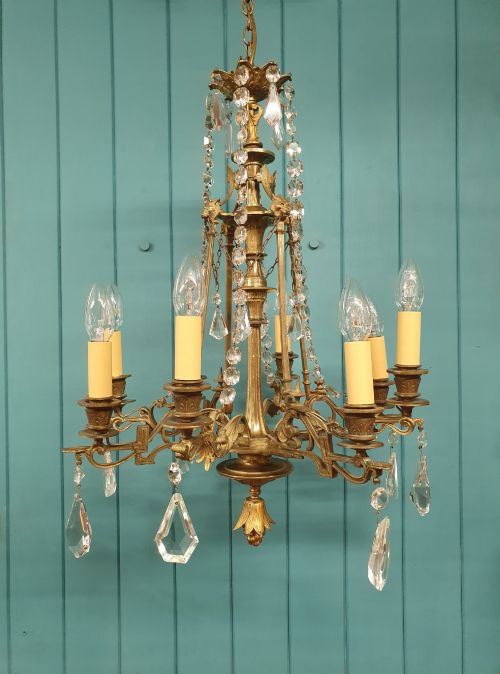
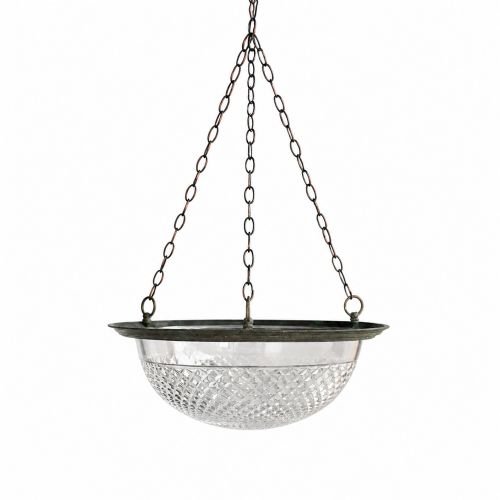
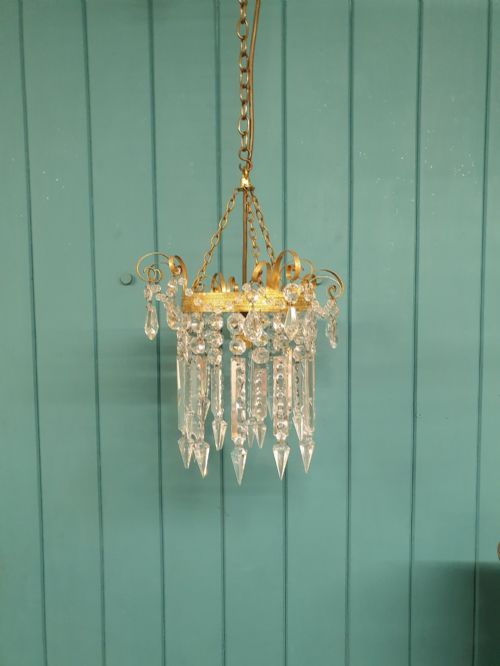
The selections on this page span ceiling lighting forms, from single bell jar lanterns and dish lights to multi-arm chandeliers and drop pendants. Alongside lighting, certain jewellery items such as paste and silver heart pendants appear due to shared nomenclature.
Lighting examples frequently utilise brass, bronze, or gilt metal frameworks to support hand-blown or mould-pressed glass components. The glass is worked with deep prismatic cuts designed to catch and scatter ambient illumination.
How they were made
Makers fashioned the glass elements through blowing and pressing, before applying wheel-cutting techniques to carve deep geometric facets into the surface. Lead crystal provided a softer material that allowed sharper angles and greater optical clarity during the cutting process.
Metal components such as brass, bronze, and gilt bronze were cast and hand-finished to create the frames, bands, and decorative mounts holding the glass drops. Silver plating also appears on specific hardware elements associated with nineteenth-century dish lights and hanging fixtures.
Lion masks peer out from select Victorian brass chandeliers, keeping a watchful glass-eyed vigil over nineteenth-century hallways.
What varies in quality
The distinction between tiers rests upon the crispness of the glass cutting and the weight of the metal chassis. Superior pieces display sharp, clean facet edges that refract light cleanly without the blurring or surface ripples found in simpler commercial production.
Material composition dictates the baseline quality, with heavy lead crystal and substantial bronze or brass frames demonstrating superior durability over lighter pressed glass and plated base metals. Original matching components and integrated cast details further separate standard examples from finer works.
The Victorian Cut Glass Pendant Glossary
- Cut glass
- Glass decorated by grinding and polishing facets onto the surface using rotating wheels. This technique enhances brilliance and light dispersion.
- Lead crystal
- A variety of glass containing metallic oxide that increases weight, refractive index, and softness for easier cutting. It forms the body of finer hanging light fixtures.
- Pendant light
- A solitary light fixture suspended from the ceiling by a chain, cord, or rigid rod. These units hang independently rather than sitting flush against the plaster.
- Chandelier
- A branched branching ceiling light designed to hold multiple lamps or candles. These large fixtures suspend numerous crystal drops and prisms.
- Paste
- Hand-cut lead glass used to imitate gemstones in jewellery pieces sharing search categories with lighting. It sits in silver or gold mounts.
Victorian Cut Glass Pendant: Frequently Asked Questions
How do I hang a heavy pendant?
Suspension requires securing the fixture directly into a ceiling joist or using a rated structural ceiling hook capable of holding the combined weight of metal and glass. Professional electrical installation ensures the brass or bronze frame hangs safely from the existing wiring box.
Adjusting the chain length lets the pendant sit at the correct height above a table or walkway. Ensuring the load rests on the structural hardware protects the historic wiring and ceiling rose.
Were these lights originally electrified?
Most nineteenth-century hanging fixtures were initially designed for candles or gas before being converted for electric bulbs later in their operational lifespan. Rewired examples adapt the historic brass and bronze frames to modern domestic standards while retaining the original glass shades.
Internal wiring runs discreetly through the central channel or chain links. This keeps the focus entirely on the cut crystal and metalwork.
How do I clean cut glass?
Maintenance involves washing removable glass drops and prisms in warm water with a mild detergent, followed by careful drying with a lint-free cloth. Leaving the glass attached to the frame requires wiping each facet individually with a damp cloth.
Harsh chemical cleaners should be avoided to protect antique brass, bronze, and silver-plated surfaces. Regular dusting prevents grime buildup in the deep wheel-cut grooves.