
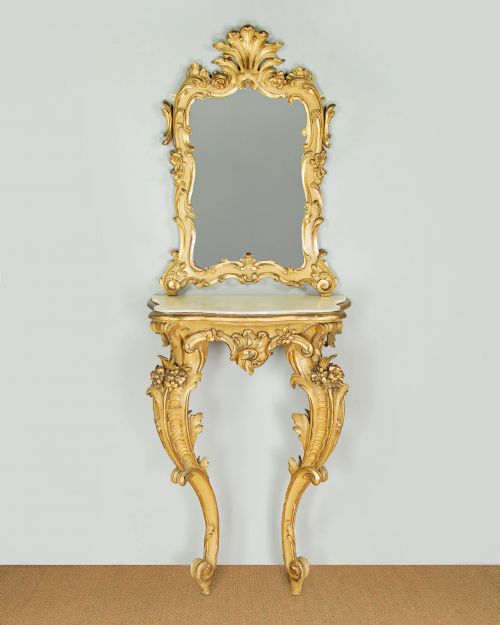


French Style Console Mirror
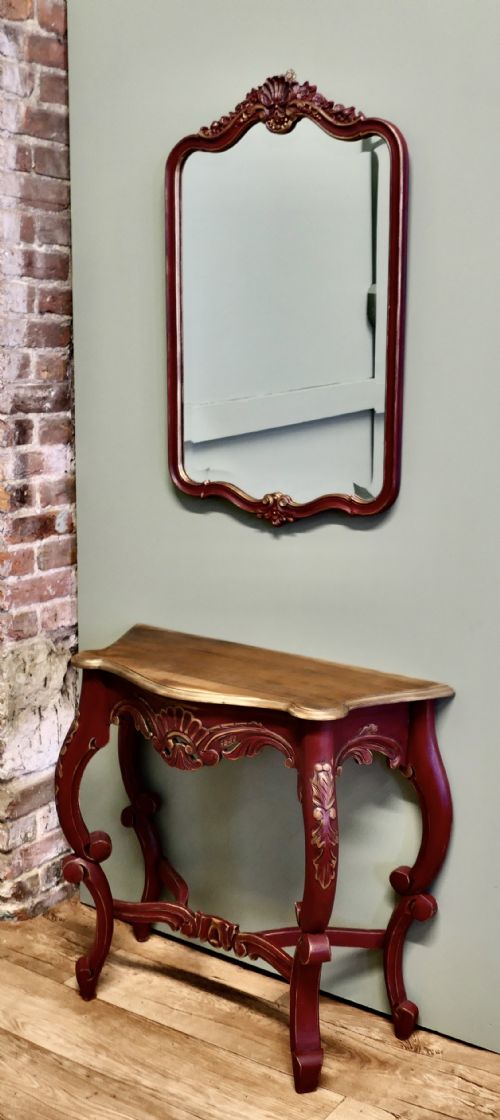
A french style console mirror brings sculptural proportion and reflected light to a room, uniting a wall glass with a matching base or console table.
French Style Console Mirror
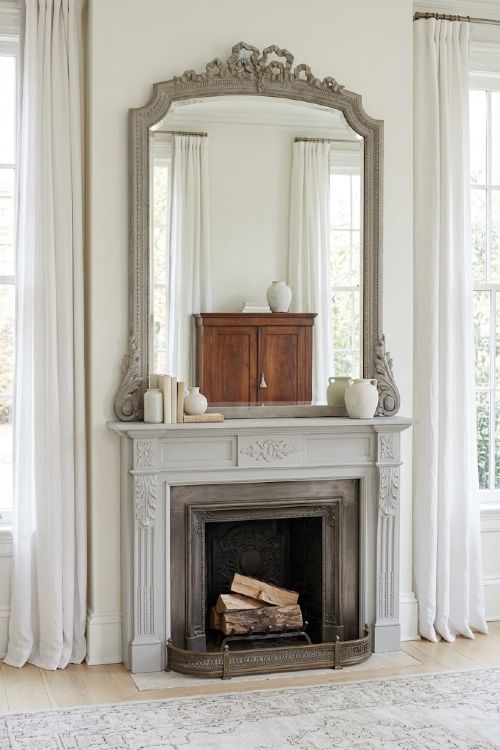
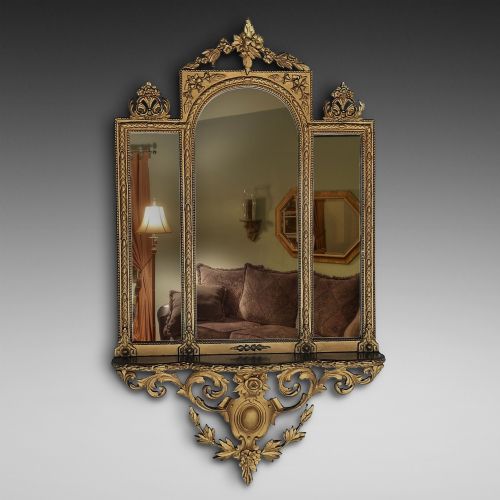
A french style console mirror search reveals an assemblage of decorative furnishings that combine wall mirrors, console tables, and integrated sets originating primarily from the nineteenth century into the early twentieth century. The selections span periods such as the Victorian era, French Empire, and Rococo Revival, alongside specific forms like trumeau mirrors, pier glasses, and marble-topped console tables.
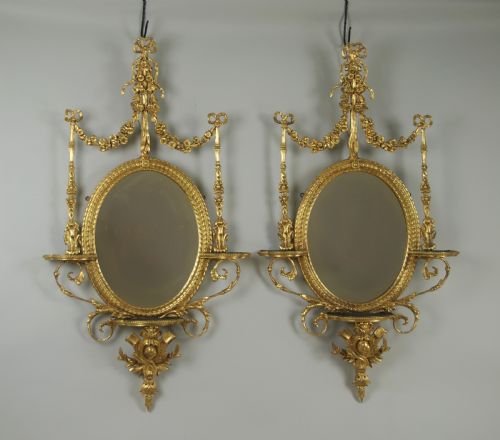
Buyers will encounter grand giltwood overmantels, walnut credenzas, mahogany chiffoniers, and smaller gilt oval wall mirrors fitted with display brackets. Many examples integrate surfaces of white or coloured marble with carved wood structures, creating the characteristic dual furniture and mirror format.
How they were made
Constructed primarily from structural timbers such as mahogany, walnut, and softwood, these frames rely heavily on applied gesso and carved giltwood to achieve their decorative surfaces. Gilding techniques involve the application of thin metal leaf over prepared plaster layers upon wood foundations.
Marble slabs provide heavy, polished tops for console tables and credenzas, secured directly to wooden underframes. Mirror glass panels are housed within rebated wooden rabbets, often retaining their original silvering and backboards.
Ormolu mounts and brass fittings accent the mahogany and painted surfaces, fastened with period screws and fixings. Carved ornamentation ranges from deep relief floral motifs to classical neoclassical swags and empire appliques.
Several mirrors include tiny built-in display brackets, evidently designed to hold miniature trinkets safely aloft.
What varies in quality
The standard of carving and the crispness of the gesso application separate the finer examples from simpler workshop production. Deeply undercut wooden foliage and finely chased ormolu mounts indicate a higher tier of craftsmanship.
The integrity of the original mercury or silvered mirror glass plate, alongside the quality of the supporting marble top, dictates the preservation level of the piece. Matching sets where the console table and mirror retain their original unified finish command distinct attention.
Proportion and structural balance determine the aesthetic success of each piece, particularly where large scale giltwood frames meet heavy stone surfaces.
Donald Ross·Franse Spiegel
The French Style Console Mirror Glossary
- Trumeau
- A decorative wall mirror featuring an upper glass plate paired with a lower painted or carved panel. These units frequently hang above console tables or mantelpieces in classical interiors.
- Giltwood
- Timber carved and coated with gold leaf. It provides a bright reflective surface popular across Victorian and continental revival styles.
- Console Table
- A wall-mounted or freestanding table supported by two or more legs at the front, often relying on the wall for rear stability. They commonly carry marble tops.
- Gesso
- A plaster mixture applied to wood frames to create a smooth surface for gilding or intricate low-relief moulding. It allows for sharp decorative details.
- Pier Glass
- A tall wall mirror designed to hang on the narrow wall space between windows. They frequently incorporate lower console brackets or small display shelves.
French Style Console Mirror: Frequently Asked Questions
How were console mirrors used?
Console mirrors and tables served primarily in grand reception rooms, hallways, and parlours to enhance light and display decorative objects.
The console table provided a surface for porcelain or ornaments, while the mirror above amplified the natural illumination from windows.
Where should I place a console mirror?
These pieces suit entrance halls, drawing rooms, or above mantelpieces where their vertical proportions can anchor a wall.
Matching table and mirror combinations require sufficient floor space against a solid wall to support the weight of the stone top.
How do I identify Victorian pieces?
Victorian examples often display heavy giltwood frames, Rococo Revival scrolls, or rich walnut and mahogany timbers.
Construction details on the reverse, such as hand-sawn backboards and traditional joinery, help confirm the nineteenth-century origin.
What is a French Empire style piece?
French Empire style items feature architectural lines, dark mahogany timbers, and classical brass or ormolu mounts.
These designs draw inspiration from classical antiquity, favouring symmetry, restrained form, and militaristic or imperial motifs.