


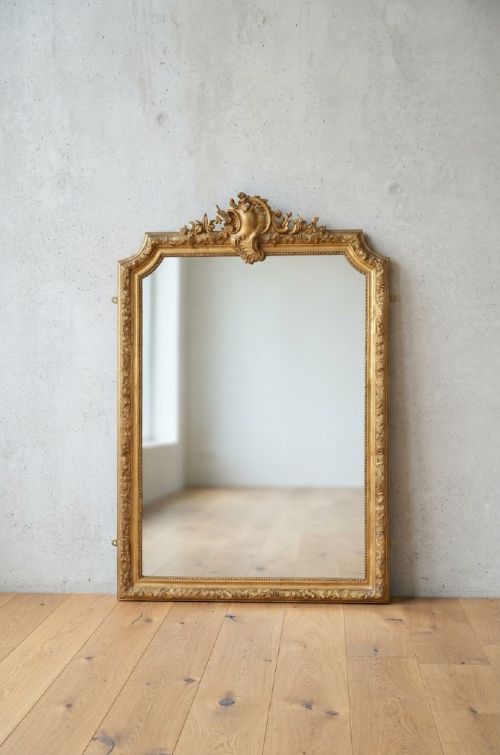
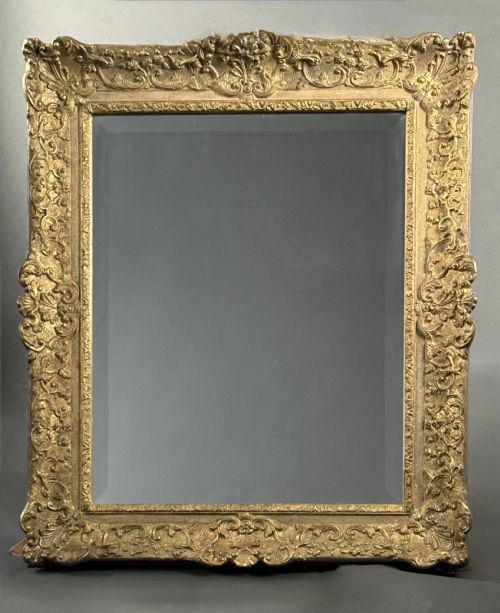
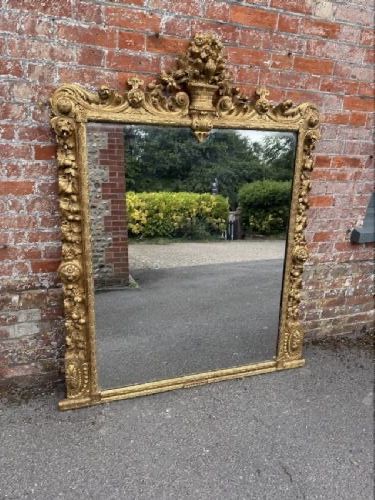
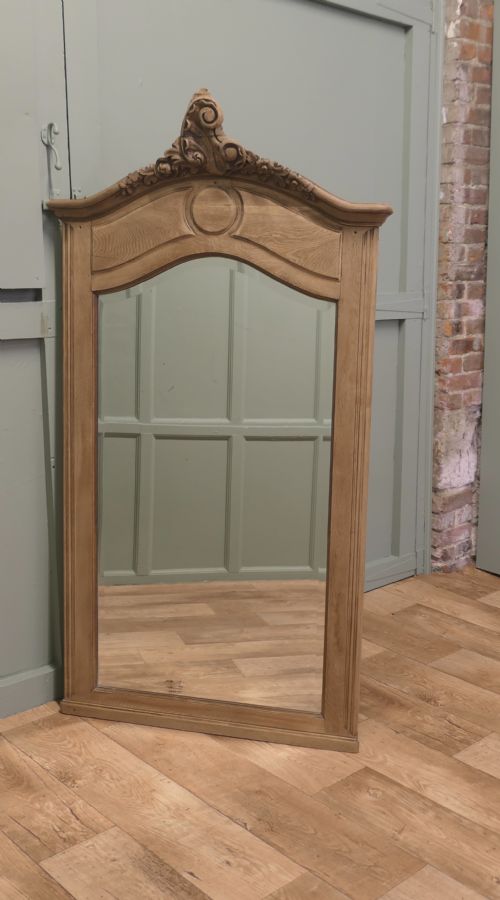
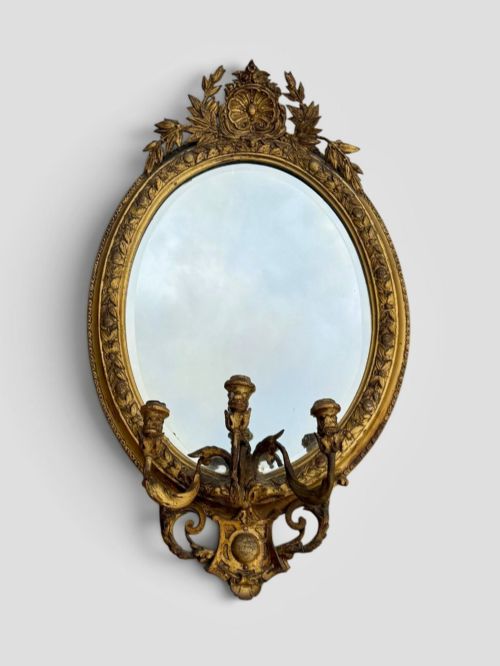
French Style Carved Mirror
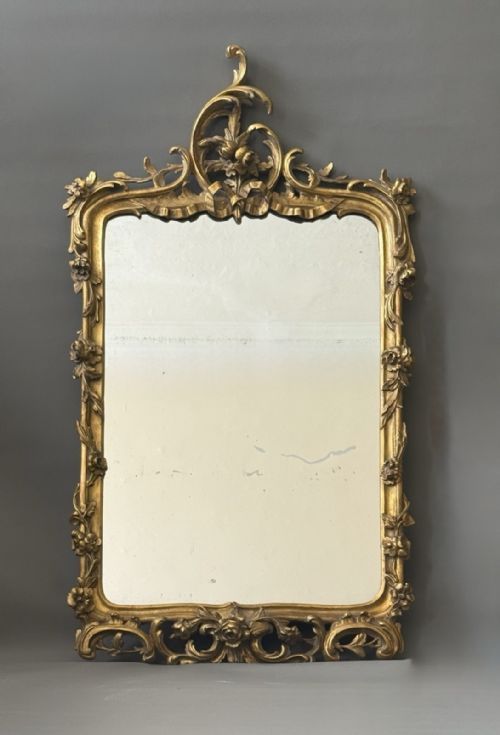
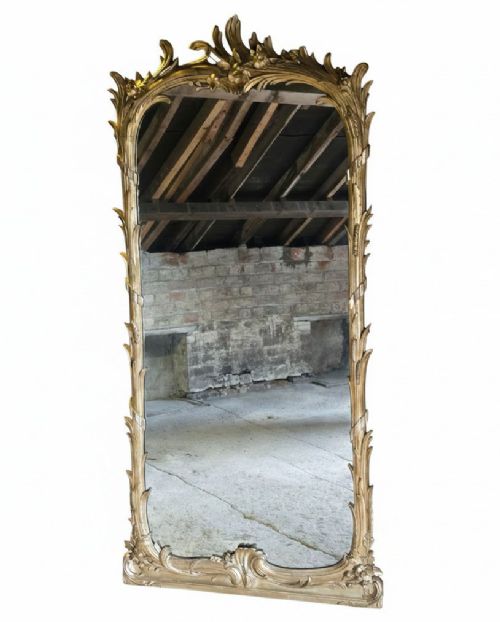
When you search for a french style carved mirror, you seek a piece defined by ornate giltwood and sweeping Rococo lines.
French Style Carved Mirror
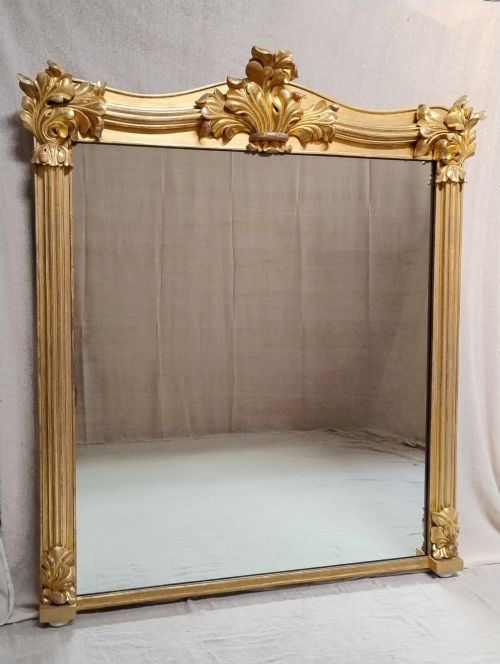
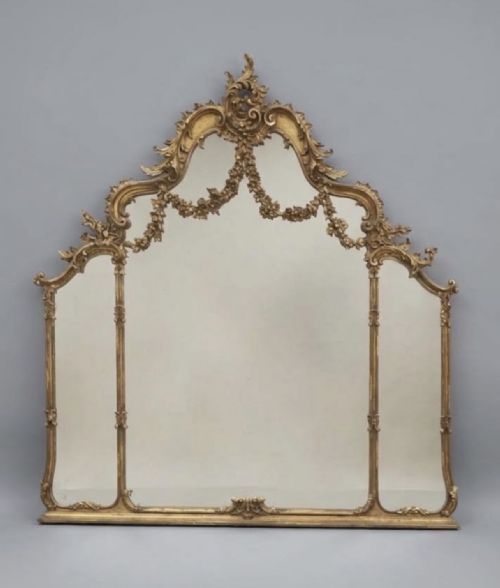
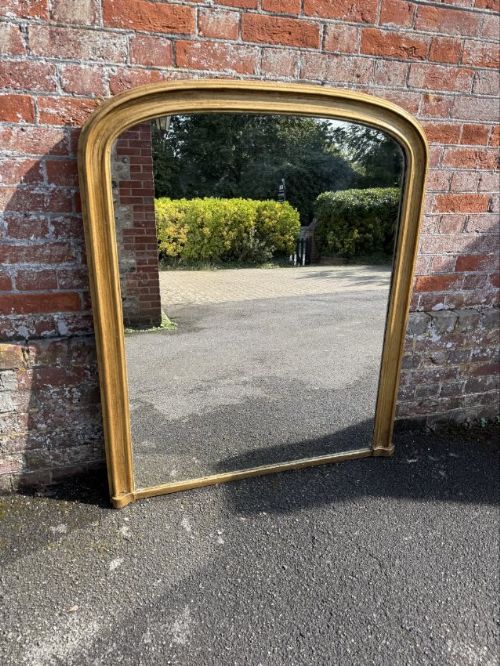
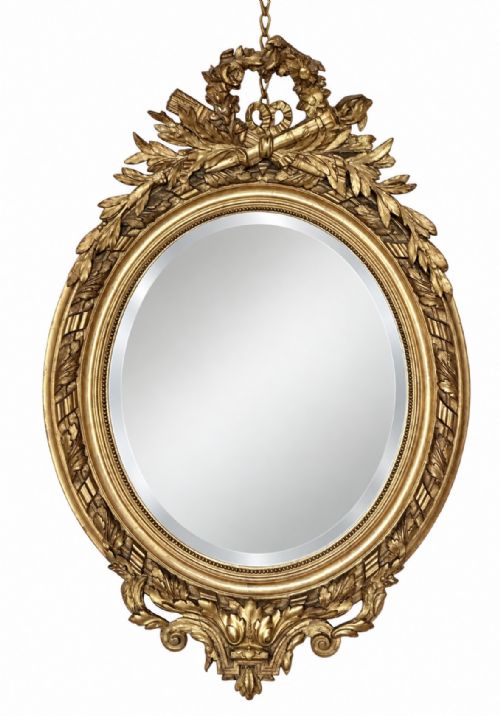
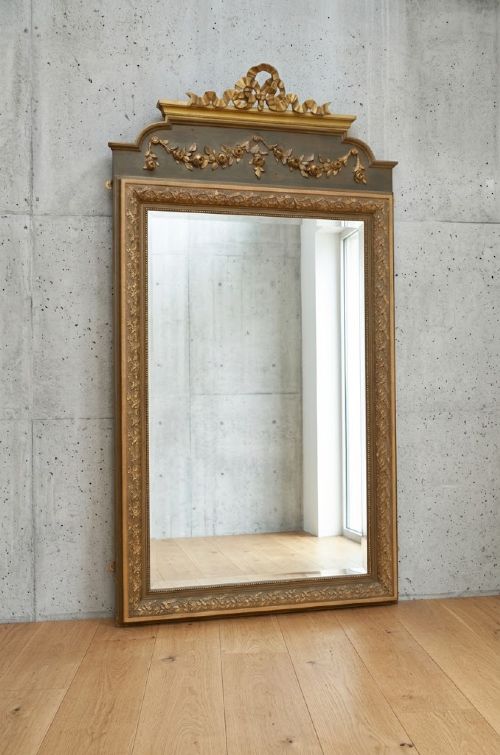
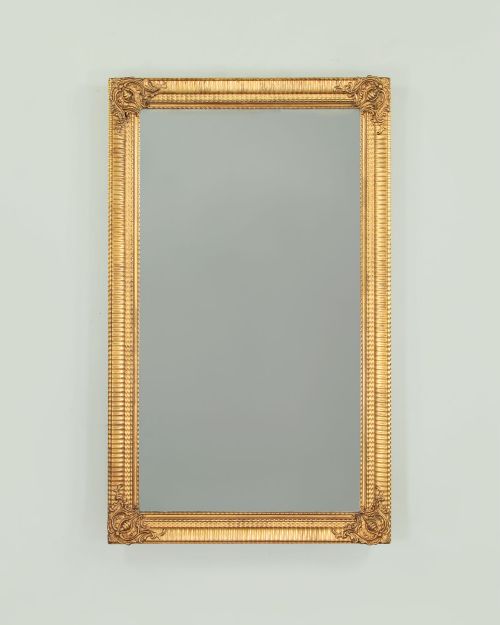
A french style carved mirror brings historical continental elegance into a room through decorative frames designed for walls, overmantels, or dressing furniture. The selection includes substantial architectural overmantel mirrors and tall leaner mirrors alongside smaller wall-hanging options.
Most examples date from the nineteenth century, spanning Victorian interpretations, Rococo Revival pieces, and French chateau styles. Makers utilised traditional forms such as arched tops, cartouches, and ribbon crests to create decorative focal points.
Objects range from simple oak or walnut frames to heavily ornamented giltwood and gesso constructions. Buyers encounter both French imports and English pieces made in the prevalent continental fashions of the period.
How they were made
Frames typically rely on a timber base of wood such as oak, walnut, or beech, which was then worked by hand to create the structural form. Artisans applied layers of gesso over the carved wood to build up intricate relief details like scrolls, foliage, and rope twists.
Giltwood pieces received applications of gold leaf or surface gilding to achieve a reflective metallic finish, while other versions were painted or left as bleached oak. Mirror glass was set within the rebate, with older examples featuring antique mercury plates and characteristic foxing.
Listings feature items spanning the eighteenth, nineteenth, and early twentieth centuries, utilising materials such as giltwood, gesso, composition, and mercury glass.
What varies in quality
The distinction between standard examples and superior items lies in the depth and sharpness of the hand carving on the wooden frame. Crisp, deeply undercut relief work on gesso and wood demonstrates greater artisanal skill than shallow, moulded composition ornament.
The integrity of the gilding and the originality of the mirror plate heavily influence the character of the piece. Intact original mercury glass and well-preserved gold leaf retain the authentic visual depth expected from high-period items.
The French Style Carved Mirror Glossary
- Giltwood
- Wood that has been coated with gold leaf. This finish gives the frame a luminous metallic appearance that catches light within a room.
- Gesso
- A plaster mixture applied to carved wood as a base. It allows craftsmen to model intricate decorative motifs before gilding or painting.
- Overmantel mirror
- A large horizontal mirror designed specifically to hang above a fireplace mantel. These pieces often feature architectural arches and substantial proportions.
- Mercury glass
- A type of silvered glass produced using a mercury amalgam technique. Older plates develop a mottled dark speckling known as foxing over time.
French Style Carved Mirror: Frequently Asked Questions
How do I hang a heavy overmantel mirror?
Substantial frames require secure wall fixings anchored directly into masonry or heavy wall studs. Due to the combined weight of the wood, gesso, and glass, professional installation is strongly recommended.
Position the mirror at a height that reflects natural light while complementing the surrounding furniture proportions. Many larger examples are also designed to stand safely as leaner mirrors against a wall.
What is foxed mirror glass?
Foxing refers to the dark spots and mottled patches that appear within older glass plates over decades of oxidation. This natural ageing process alters the reflection and confirms the antiquity of the mirror plate.
Collectors often value foxed mercury glass for the authentic historic character it brings to nineteenth-century and earlier frames.
How do I clean an antique giltwood frame?
Dust the carved surface gently using a soft, dry brush to prevent damage to delicate gesso and gold leaf layers. Avoid using water, liquid cleaners, or chemical solvents on gilded surfaces.
Professional conservators should handle repairs or deep cleaning if the gesso is unstable or the gilding is actively flaking away.
How can I tell a Victorian copy from an eighteenth-century original?
Examination of the timber construction, backboards, and fastener types reveals the likely manufacturing period. Eighteenth-century pieces typically show hand-cut joinery and specific panel construction methods distinct from later work.
Stylistic proportions and the chemical composition of the gilding layers also help differentiate genuine period pieces from nineteenth-century revival items.