
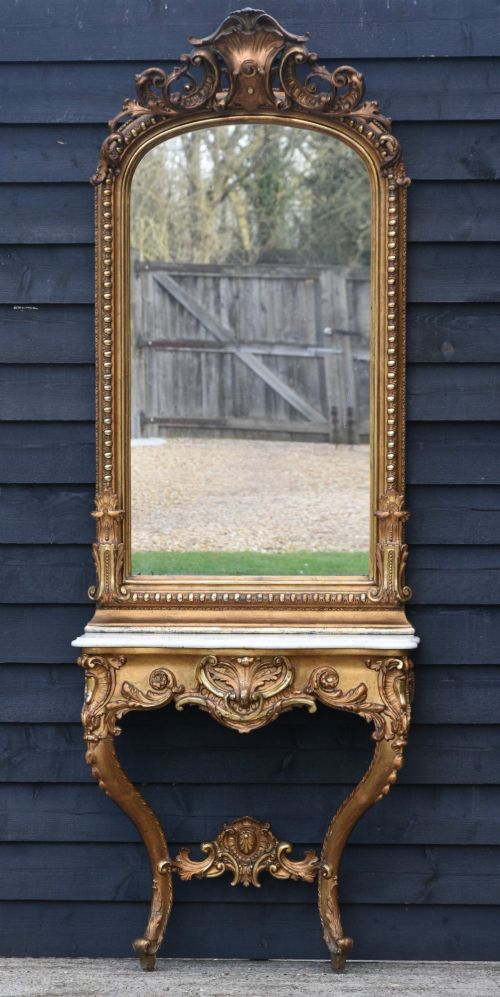
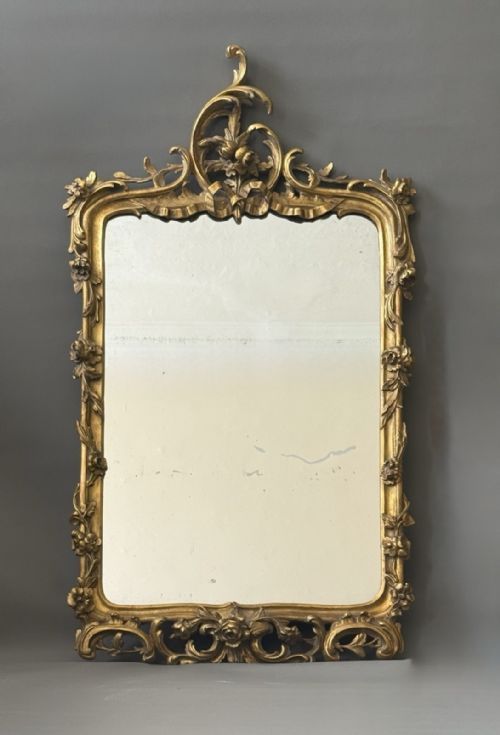
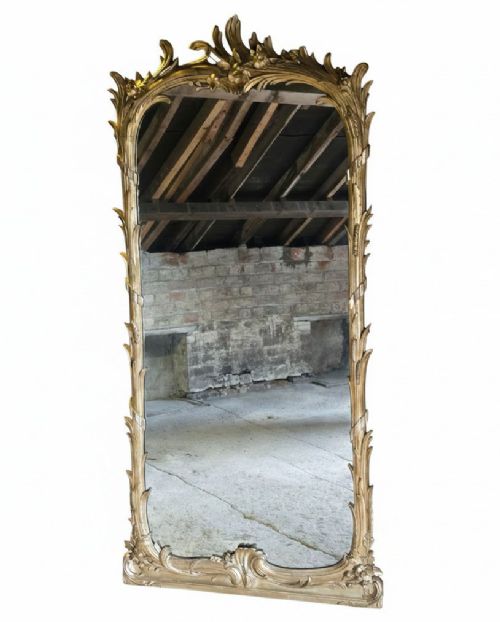
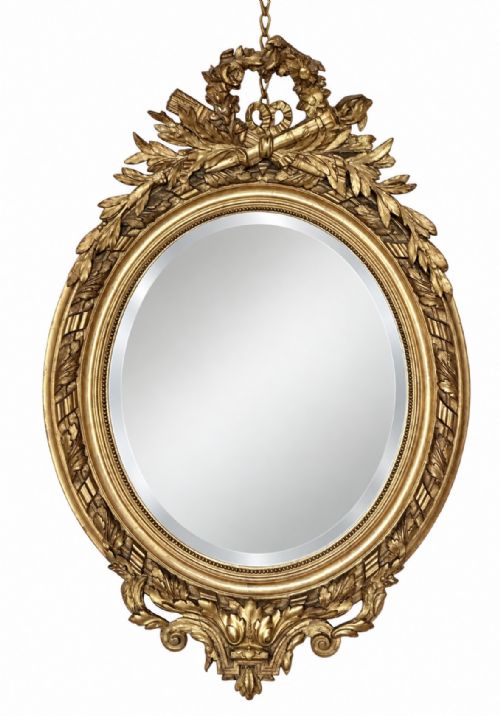


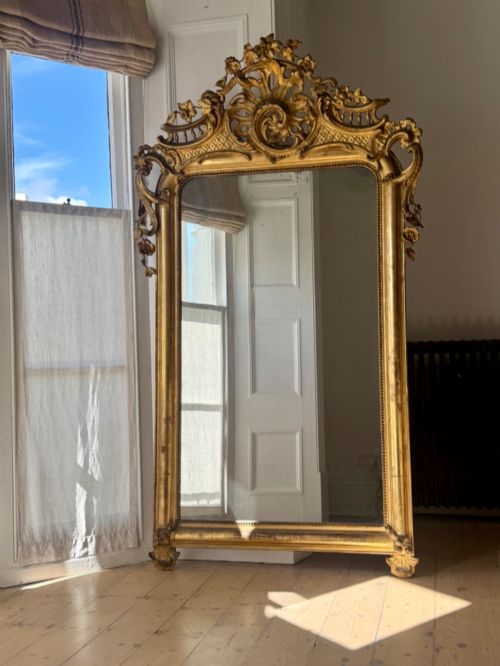
Rococo Carved Wood Mirror
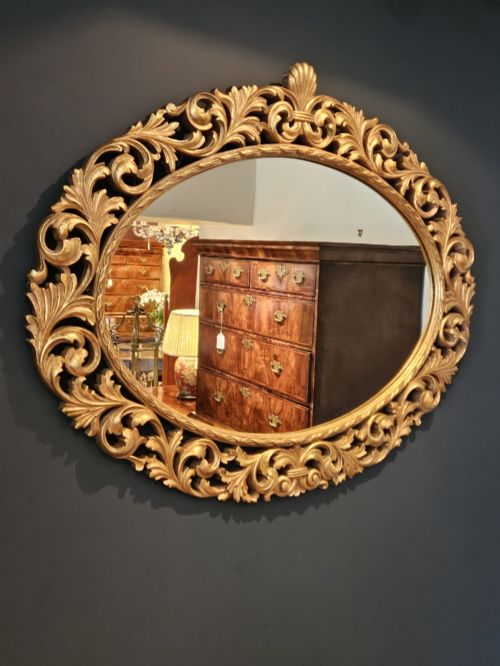
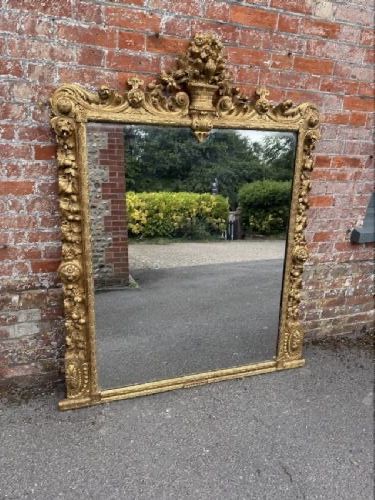
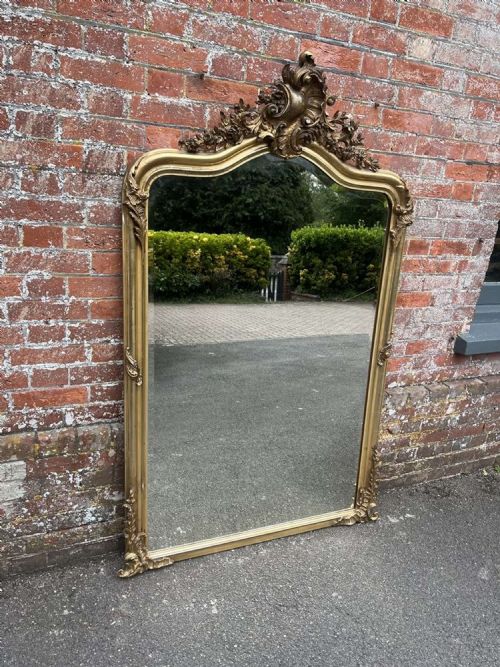
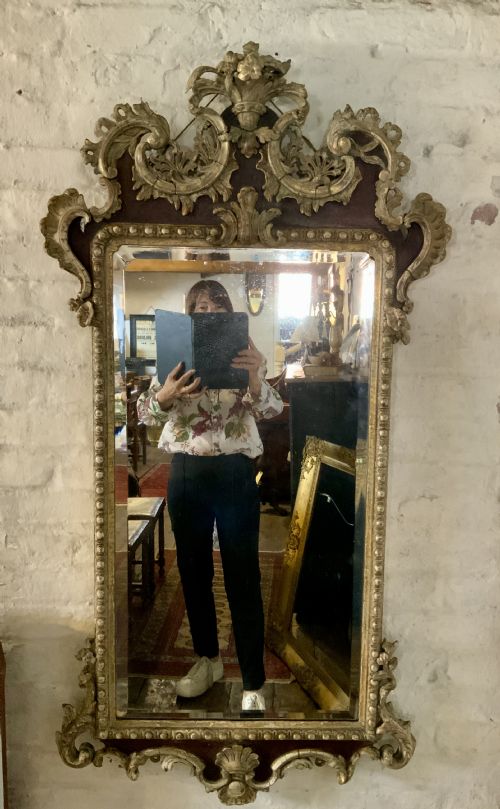
When you search for a rococo carved wood mirror, you are looking at asymmetrical forms, scrolling acanthus leaves, and gilt surfaces designed to catch candlelight and daylight.
Rococo Carved Wood Mirror
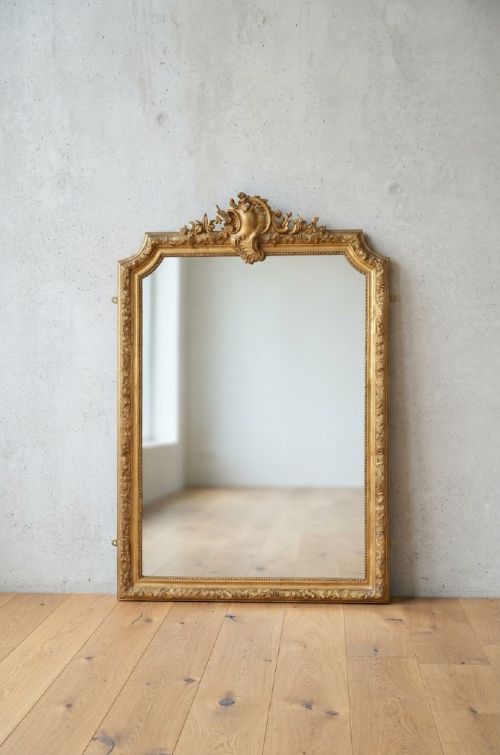
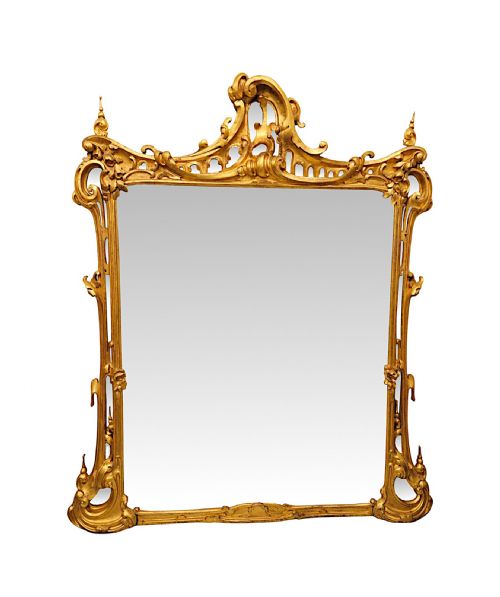
A rococo carved wood mirror brings together the flamboyant curves, C-scrolls, and naturalistic motifs characteristic of eighteenth-century design and its later nineteenth-century revivals.
Buyers will encounter wall mirrors, overmantel mirrors, and girandoles originating from English, French, and Italian workshops across the eighteenth, nineteenth, and early twentieth centuries.
The aesthetic relies heavily on exuberant carvings of foliage, floral sprays, and occasional figural elements built around vertical or oval plates.
Materials and Construction
The underlying structure typically uses carved timber such as pine, oak, or walnut, which provides a sturdy foundation for intricate ornamentation.
Gilded finishes are achieved through the application of gesso and gold leaf over the carved wood, occasionally complemented by parcel gilt or painted surfaces.
Original mirror plates often feature mercury silvering or foxing, displaying the characteristic mottled ageing of early glass manufacturing.
Several mirrors include carved green man masks peeking through the acanthus leaves, watching over the room with leafy indifference.
Assessing Quality
Quality rests upon the depth, sharpness, and fluidity of the hand-carved wooden details, where crisp undercut foliage distinguishes master craftsmanship from mechanical repetition.
The integrity of the original gesso and gold leaf application dictates the visual weight and warmth of the gilded surface over centuries of ageing.
The presence of early or original mirror plates, whether flat, bevelled, or engraved, adds considerable historical authenticity to the piece.
The Rococo Carved Wood Mirror Glossary
- Giltwood
- Timber that has been coated with gold leaf applied over a prepared gesso ground. This finish provides the characteristic metallic brilliance seen on formal antique frames.
- Gesso
- A plaster-like mixture applied to carved wood to create a smooth surface for gilding. It allows carvers to achieve sharp, defined relief details.
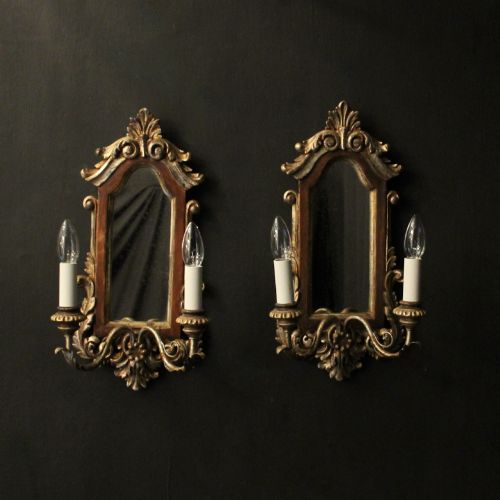
- Girandole
- A wall mirror featuring attached candle sconces or arms. The reflective glass multiplies the candlelight within a room.
- Overmantel Mirror
- A wide mirror designed specifically to hang above a fireplace mantelpiece. These pieces often anchor the proportions of a principal reception room.
- Mercury Glass
- Early mirror glass produced by applying a tin and mercury amalgam to the rear of the plate. It produces a dark, uneven reflection with characteristic foxing spots.
Rococo Carved Wood Mirror: Frequently Asked Questions
How do I date a carved wood mirror?
Dating relies on examining the timber construction at the reverse, the formulation of the gesso, and the characteristics of the glass plate. Eighteenth-century examples often show hand-cut joinery and heavy foxing on mercury plates.
Nineteenth-century revival pieces tend to feature heavier machine-sawn framing components and brighter, more uniform silvering behind the mirror glass.
What is the difference between a pier mirror and an overmantel mirror?
Pier mirrors are traditionally tall and narrow, built to hang on the wall space between two windows. Their proportions reflect light into darker architectural zones.
Overmantel mirrors are constructed with a wider horizontal format to sit comfortably above a fireplace opening, dominating the central hearth wall.
How should I hang a heavy antique giltwood mirror?
Heavy carved frames require secure fastening directly into wall studs or structural masonry using appropriate mirror brackets and heavy-duty fixings. The substantial weight of pine or hardwood frames demands professional installation.
Avoid relying solely on plasterboard anchors, as the combination of timber and gesso creates significant downward force over time.
How do I clean an antique gilt mirror?
Dusting should be performed gently with a soft, dry brush to protect fragile gesso and delicate leaf work. Moisture and standard commercial cleaners will damage historic water gilding instantly.
Glass plates can be wiped sparingly with a slightly damp cloth, taking absolute care to keep liquids away from the exposed edges of the frame.