


French Still Life Art
When choosing french still life art, collectors encounter varied expressions of domesticity and nature captured across changing decades.
French Still Life Art
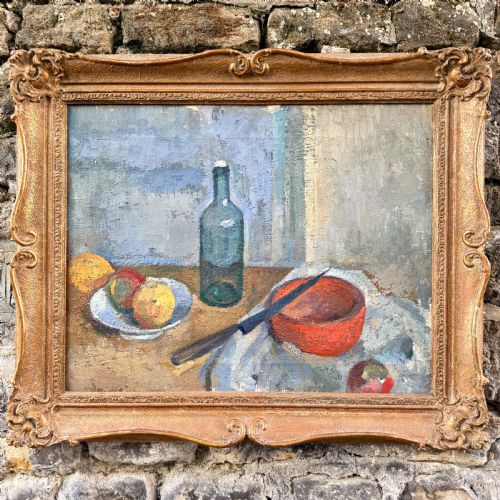
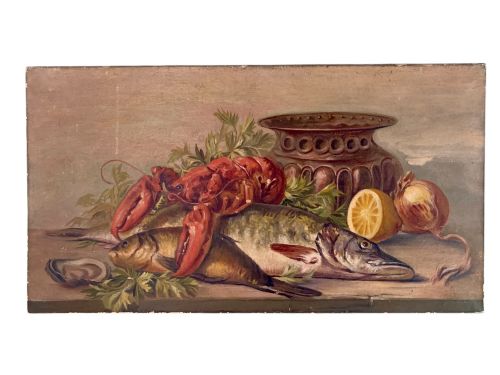
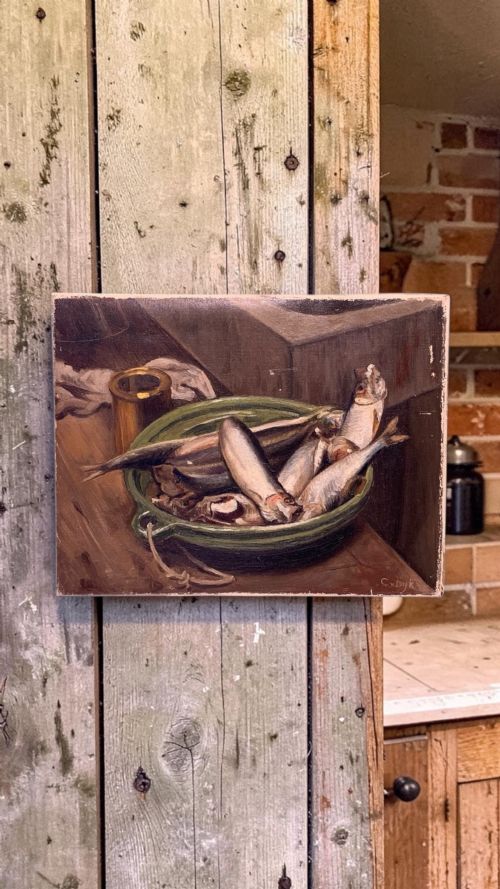
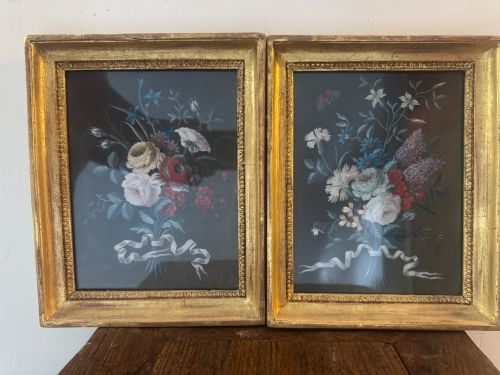
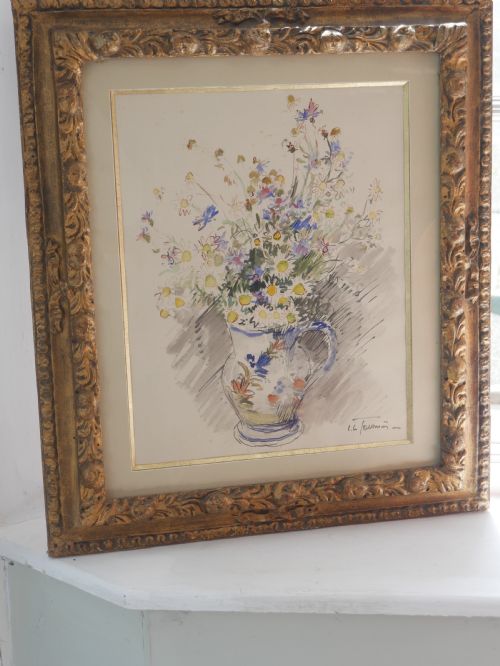
French still life art encompasses oil paintings, gouache works and panels depicting botanical arrangements, foodstuffs and household objects. These pieces range from nineteenth-century academic studies to twentieth-century modernist and fauve compositions.
Buyers frequently meet floral subjects, tabletop arrangements featuring fruit or bread, and game pieces rendered by diverse hands. The selections span from traditional nineteenth-century canvases to abstracted mid-century interpretations.
Representations of everyday items dominate the medium, reflecting shifts in domestic taste and artistic philosophy. Painters utilised common subject matter to explore colour theory, light and texture across successive generations.
How they were made
Artists primarily applied oil paint to stretched canvas, wooden panels or board substrates to build rich surface textures. Gouache on paper and board provided an alternative medium for delicate botanical and illustrative studies.
Framing often involved giltwood or gesso mouldings designed to complement the palette of the central composition. Support structures utilised traditional joinery for panels and sturdy stretchers for canvas works.
Materials recorded across the inventory include oil on canvas, gouache on board, and mahogany panels.
What varies in quality
The sophistication of brushwork and the management of tonal harmony distinguish accomplished compositions from routine decorative output. Masterful handling of light creates depth and spatial illusion within domestic interiors.
The integrity of the original substrate and the stability of the pigment layer influence the enduring condition of the work. Superior pieces display confident draughtsmanship and a coherent chromatic vision.
Jean Baptiste Isabey·Alfred Arthur Brunel de Neuville·Bertoldo Taubert·Emile Lecomte·Jacques Carelman·Marthe Barbaud-Koch·Pierre-Louis Cadre·Suzanne Roche·Simone Herman·Antoine Martinez
The French Still Life Art Glossary
- Gouache
- An opaque watercolour medium consisting of pigment, water and a binding agent such as gum arabic. It produces a flat, matte surface frequently utilised on paper or board.
- Fauve
- A style characterised by vibrant, non-naturalistic use of colour and bold brushwork. Practitioners rejected muted academic tones in favour of emotional immediacy.
- Giltwood
- Wood that has been coated with a thin layer of gold leaf or gilt powder. It is commonly found on traditional frames encasing nineteenth-century canvases.
- Post-Impressionism
- An artistic movement following Impressionism that extended its parameters while rejecting its limitations. Artists emphasised symbolic content, formal order and expressive brushstrokes.
- Encaustic
- A technique involving heated beeswax mixed with coloured pigments. The molten mixture is applied to a surface and fixed with heat.
French Still Life Art: Frequently Asked Questions
How do I date a French still life?
Dating relies upon stylistic markers, framing materials and inscribed dates left by the artist. Nineteenth-century examples often lean towards academic realism, whereas twentieth-century works embrace modernist abstraction.
Examination of the canvas weave, stretcher construction and pigment type offers additional chronological clues. Comparing works to documented pieces by the same school helps narrow the period of creation.
What subjects are most common?
Floral arrangements in vases or baskets dominate the genre across nearly all periods. Tablescapes featuring fruit, bread, wine and game animals also appear frequently in domestic scenes.
Artists occasionally incorporated everyday objects such as books, lamps or glassware to construct intimate narratives. These domestic motifs reflect the changing interior aesthetics of their respective eras.
How should I hang an oil painting?
Paintings on canvas require stable wall environments away from direct sunlight and excessive humidity. Secure picture hooks rated for the weight of the framed artwork must be used.
Allowing adequate clearance from heat sources prevents warping of wooden panels and cracking of oil paint. Proper positioning highlights the interplay of light within the composition.
What is the difference between oil and gouache?
Oil paint utilises slow-drying linseed or other vegetable oils, permitting subtle blending and deep textural build-up. Gouache employs water-soluble binders that dry quickly to a matte, opaque finish.
Canvas and panel serve as the usual supports for oils, while gouache is typically executed on paper or board. Each medium offers distinct visual qualities suited to different artistic intentions.