


French Spelter Lamp
A French spelter lamp brings figural presence and period illumination into a room, combining cast metal sculpture with functional light.
French Spelter Lamp
When you search for a french spelter lamp, you encounter figural table lamps, mood lights, and night lights created in France across the late nineteenth century and the early decades of the twentieth century. These pieces combine cast metal figures with marble bases, glass shades, and occasionally cut glass crystal or fabric elements.
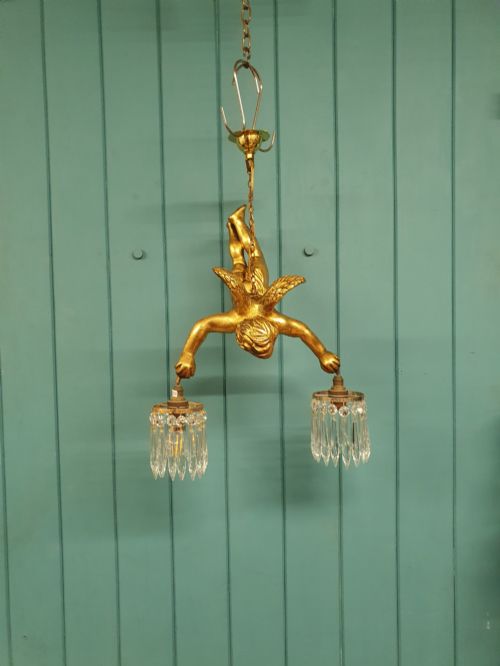
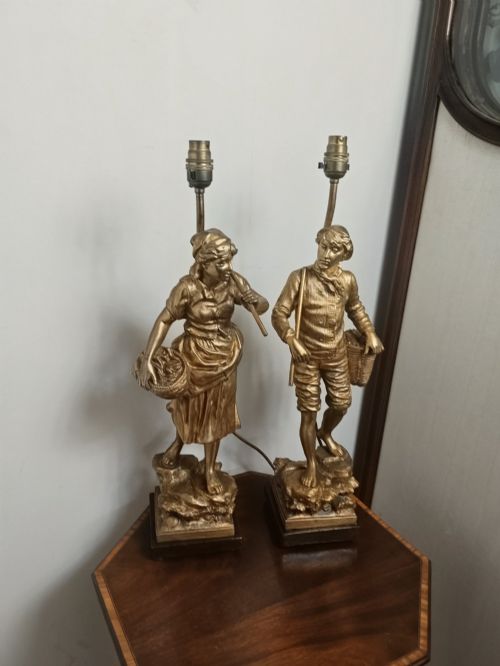
The version you are most likely to meet on this page is a table lamp or mood light from the Art Deco or Art Nouveau periods, often featuring a patinated or gilt metal figure standing on a marble plinth. Figures range from cherubs, soldiers, and classical subjects like Cupid and Arion to Art Deco dancers, animals such as panthers and seagulls, and cultural subjects.
The origins of these objects span Victorian, Edwardian, and interwar decades, showing how domestic lighting evolved from late nineteenth century revival styles through the streamlined geometries of the 1920s and 1930s.
How they were made
Makers cast these lamps using spelter, a zinc-based alloy that was cheaper and softer than bronze, allowing for intricate detail in figural sculpture. This metal frequently received a surface finish such as bronzing, silvering, painting, or gilding to emulate richer materials.
The metal figures were typically mounted onto heavy stone plinths, most commonly marble, to provide stability for the lamp structure. Lighting components incorporated brass, glass shades, torchere shades, and cut glass crystal spikes to diffuse the illumination.
A cheerful Pierrot plays his accordion into the evening light, perched upon a marble base.
What varies in quality
The distinction between tiers rests upon the crispness of the metal casting and the artistry of the surface finish. Sculptures that retain finely rendered facial expressions, distinct drapery folds, and careful patination sit above softer, more generalized castings.
The integration of materials also defines the tier of a piece, particularly the selection of veined marble bases and the quality of associated glass or crystal elements. Signed works by recognised sculptors or foundries generally demonstrate superior sculptural execution.
L & F Moreau·Auguste Moreau·E Rousseau·P Sega·Eutrope Bouret·M Leduca
The French Spelter Lamp Glossary
- Spelter
- A zinc alloy commonly used in European sculpture and decorative objects as a less expensive alternative to bronze. It accepts patination and paint well but is softer than bronze.
- Patina
- The surface coloration or sheen developed on metal through age or applied chemical treatments. Bronzed and silvered patination are common on these figures.
- Mood Lamp
- A decorative secondary light source designed to cast ambient illumination rather than task lighting. Many examples from the interwar period take this form.
- Torchere
- A standing lamp or a shade form resembling an uplifted torch. These direct light upwards.
- Figural
- Containing human or animal forms as the primary decorative element. These lamps frequently feature sculpted figures as the central stem.
French Spelter Lamp: Frequently Asked Questions
What is spelter?
Spelter is a zinc-based metal alloy that was widely utilised in France for decorative castings and sculptural table lamps.
Because it was softer than bronze, it allowed workshops to produce highly detailed figural bases at a lower production cost.
How do I date a french spelter lamp?
Dating relies on stylistic markers, such as the flowing organic lines of Art Nouveau pieces from around 1900 compared to the geometric forms of Art Deco examples from the 1920s and 1930s.
Base materials like marble and the design of associated glass shades also help place pieces within Victorian, Edwardian, or interwar periods.
How were these lamps used?
These pieces functioned as domestic lighting sources, taking the form of table lamps, bedside night lights, or ambient mood lamps.
The figural sculptures served a decorative purpose in the home even when the light was not illuminated.
Are signed lamps different?
Signed lamps bear the name or mark of the sculptor or foundry on the metal base or figure.
Pieces carrying signatures from known artists generally reflect higher standards of sculptural design and casting quality.