









French Spelter Figurines
French spelter figurines bring expressive metal sculpture into a room, offering decorative charm through cast figures set on stone bases.
French Spelter Figurines
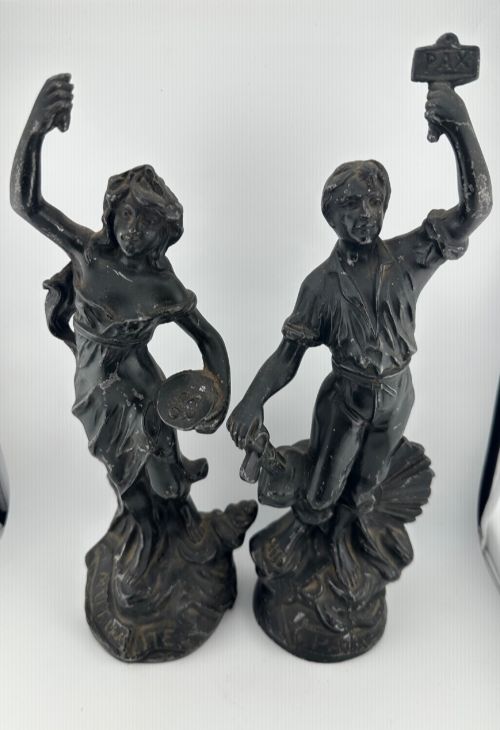
French spelter figurines represent a diverse tradition of sculptural metalwork, encompassing standalone figures, lamp bases, and figural groups. These pieces frequently appear in forms shaped by nineteenth-century realism, Art Nouveau styling, and clean Art Deco lines.
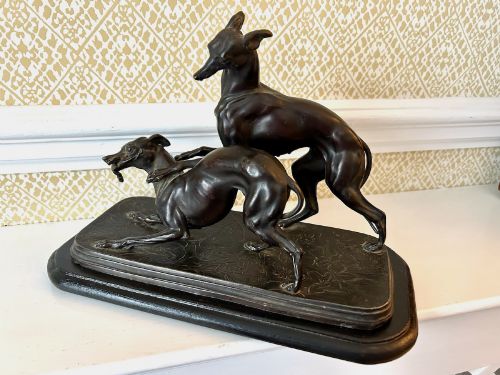
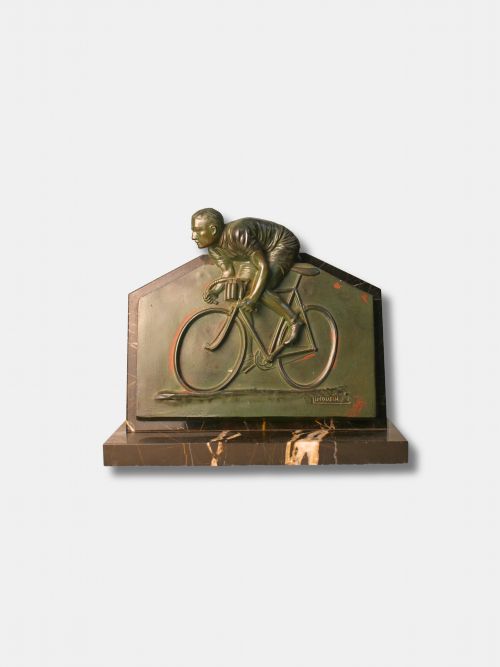
A buyer examining this page encounters subjects ranging from dancers, athletes, and animals to soldiers, harvesters, and allegorical characters. Many of these figures stand mounted upon integral plinths or distinct bases of marble and onyx.
How they were made
Makers cast these sculptures using spelter, an alloy based primarily on zinc, which allowed for intricate detail without the heavy cost of solid bronze. Artisans frequently applied patinated, gilt, or bronzed surface finishes to imitate more expensive metals.
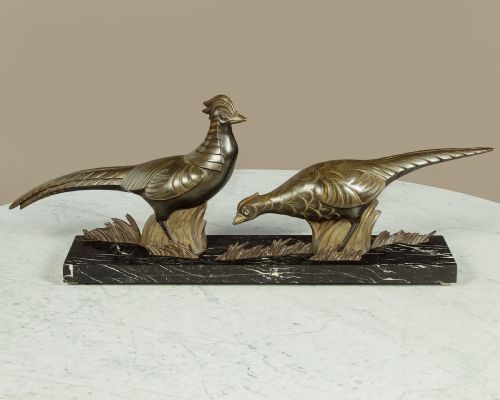
The finished metal figures were often secured onto heavy natural stone foundations, particularly black marble or multi-coloured onyx plinths, providing structural stability and visual contrast.
French Spelter Figurines Retail Price Guide 2026
Typical asking prices for french spelter figurines among the pieces listed under this phrase on Sellingantiques today, from the lower quarter to the upper quarter. They describe what is for sale here now, not the wider market.
Art Deco designs dominate the selection, featuring dynamic groupings of dancers, athletes, panthers, and pheasants.
What varies in quality
The choice of mounting base also indicates quality, with thick, polished marble or onyx plinths elevating the presence of the sculpture compared to simpler wooden or metal mounts.
C Masson·Geo Maxim·H Bal·Chiparus·Moreau
The French Spelter Figurines Glossary
- Spelter
- A zinc-based alloy commonly utilised in French sculpture for casting decorative figures and lamps. It provides a lighter and more accessible alternative to bronze.
- Patination
- The applied surface treatment or chemical finish on metal that creates colour, depth, and the appearance of aged bronze. This coating protects the underlying zinc alloy.
- Onyx
- A banded variety of chalcedony used frequently for the heavy plinths supporting Art Deco figures. Its translucent layers add natural pattern beneath the metal sculpture.
- Art Deco
- A design style prominent around the nineteen-thirties characterised by stylised geometry, streamlined silhouettes, and dynamic depictions of dancers, athletes, and animals.
French Spelter Figurines: Frequently Asked Questions
What is spelter?
Spelter is a zinc-based metal alloy utilised widely by French foundries to cast decorative statues, lamps, and figural groups during the nineteenth and twentieth centuries.
It offered a practical and economical alternative to bronze while maintaining the ability to capture fine sculptural detail.
How do I clean them?
These metal figures require gentle dusting with a soft, dry cloth to prevent the accumulation of dirt within the intricate recesses of the casting.
Moisture and harsh chemical polishes must be avoided entirely to preserve the original patinated surface finish.
Are bases original?
Many figures were cast to fit specific marble, onyx, or wooden plinths chosen by the foundry to complement the proportions and weight of the sculpture.
Examining the underside reveals how the metal figure is bolted directly through the stone base.
What periods are common?
The selection spans from late nineteenth-century styles through to the geometric elegance of the nineteen-thirties Art Deco movement.
Nineteenth-century examples often portray soldiers, harvesters, and classical figures, while later pieces favour dancers, athletes, and animals.