





French Silver Bowl
These french silver bowl pieces range from nineteenth-century wine tasters to art deco serving dishes, offering distinct continental weight and polish.
French Silver Bowl
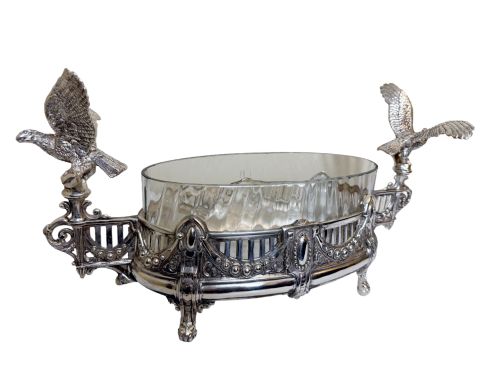
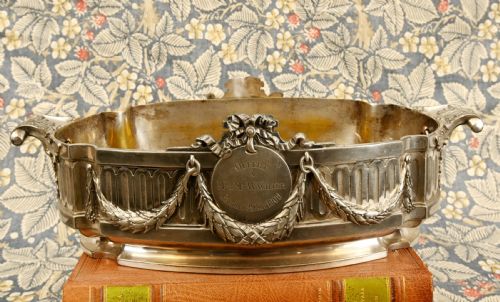
When you search for a french silver bowl, you encounter a variety of forms including centrepieces, planters, wine tasters, and covered serving dishes. The selection spans the nineteenth century through to the nineteen-thirties, covering periods such as Victorian, Napoleon III, Art Nouveau, and Art Deco.
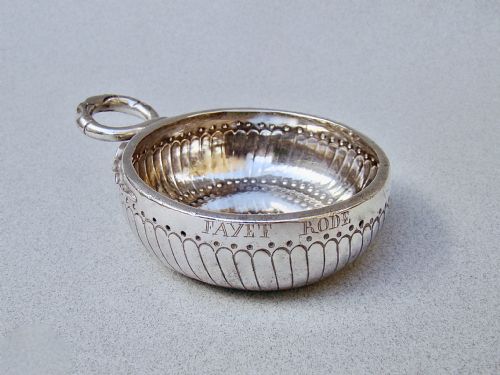
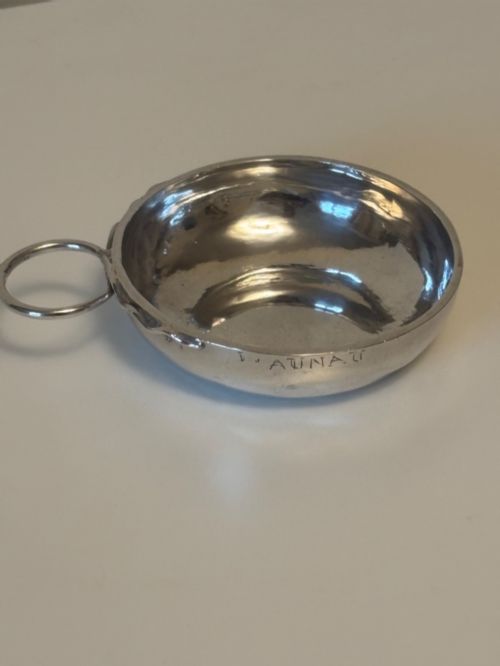
Wine tasters represent a particularly common form within this group, often stamped with Parisian maker marks or associated with nineteenth-century production. Alongside these smaller vessels, larger items such as silvered bronze centrepieces and art deco plated fruit baskets appear frequently.
How they were made
Makers utilised solid silver, silver plate, silver gilt, and silvered bronze, frequently pairing metalwork with materials like marble, wood, bone, and crystal. Techniques involved traditional casting, plating, and chasing, visible on pieces after Lerolle Freres and works by firms like Christofle.
Constructive details range from applied crests to intricate neo-classical and art nouveau motifs cast into bronze or struck in silver. Surface finishes vary from bright vermeil coatings to patinated silvered bronze.
French Silver Bowl Retail Price Guide 2026
Typical asking prices for french silver bowl among the pieces listed under this phrase on Sellingantiques today, from the lower quarter to the upper quarter. They describe what is for sale here now, not the wider market.
A travelling cup allows you to take your wine tasting on the road.
What varies in quality
The distinction between standard domestic items and superior examples lies in the crispness of the chased or cast detail and the weight of the metal. Pieces associated with named Paris workshops or specific makers display finer execution in decorative borders and heraldic motifs.
The integrity of the surface plating or the purity of the silver standard dictates the durability and visual depth of each vessel. Better preserved examples retain their original gilding or silvered bronze patination without excessive thinning from past cleaning.
Pierre Fournerot·Boin Taburet·Christofle·Gallia·Brille
The French Silver Bowl Glossary
- Wine taster
- A small, shallow drinking vessel traditionally used for sampling wine, featuring a flat handle and often embossed with dimples to reflect light.
- Centrepiece
- A large decorative bowl or tazza placed in the middle of a dining table, sometimes accompanied by matching stands.
- Vermeil
- Silver gilt, consisting of sterling silver plated with a thin layer of gold.
- Silvered bronze
- A base metal alloy treated with a surface coating of silver to mimic solid silver object appearance.
French Silver Bowl: Frequently Asked Questions
What is a french silver bowl used for?
These vessels served various functions depending on their form, ranging from table wine tasting to decorative centrepiece displays.
Larger bowls and baskets held fruit or bread during formal dining, while covered dishes kept food warm.
How do I identify art deco pieces?
Art deco items typically date from the nineteen-thirties and feature geometric lines, modernist shapes, and unadorned surfaces.
They contrast sharply with the ornate floral motifs of earlier art nouveau or neo-classical styles.
Are wine tasters marked?
Many nineteenth-century examples bear French hallmarks or maker stamps near the rim or handle.
These marks help identify the city of origin, such as Paris, and the silversmith responsible.
How should I clean silver plate?
Use a soft cloth and a gentle, non-abrasive silver cleaner specifically formulated for plated surfaces.
Avoid aggressive scrubbing to preserve the underlying metal layer.