

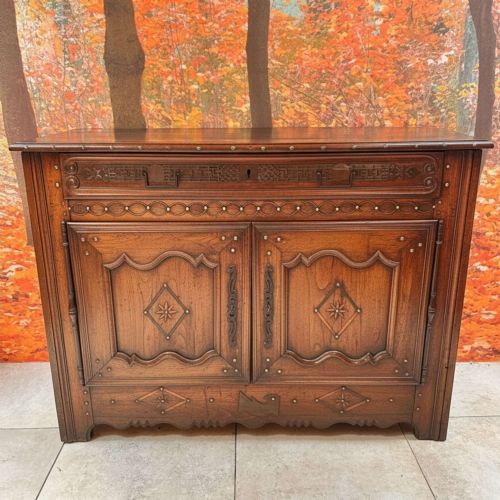
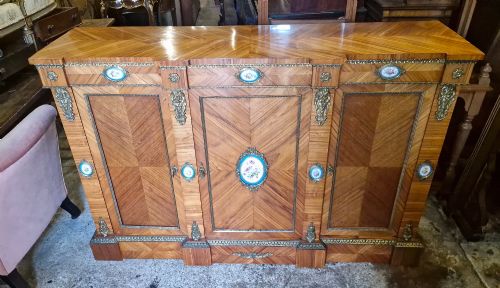
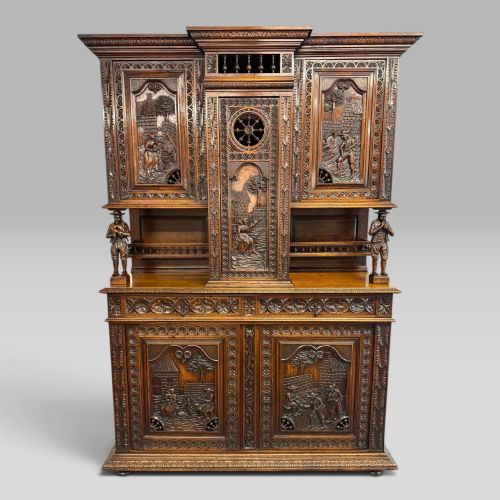
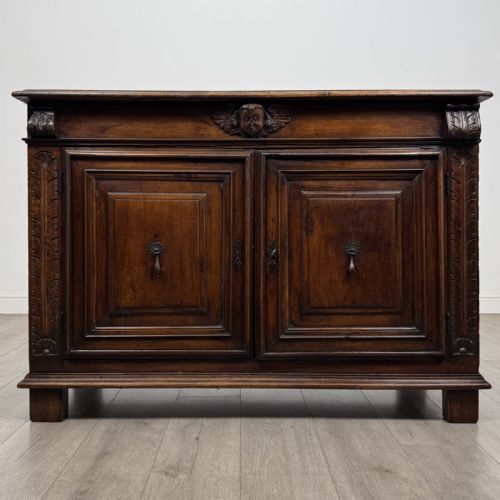
French Sideboard Cabinet
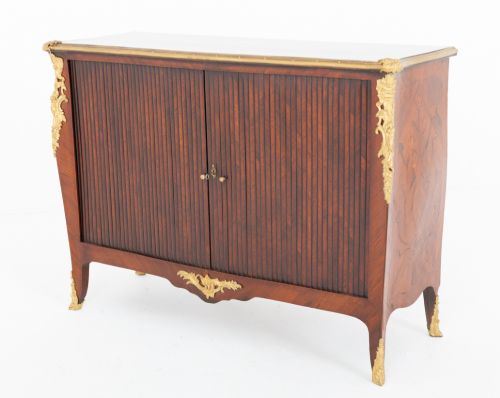
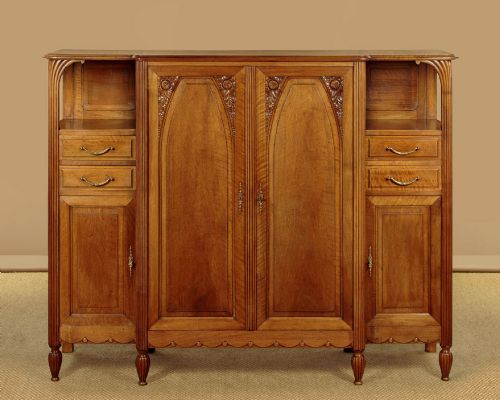
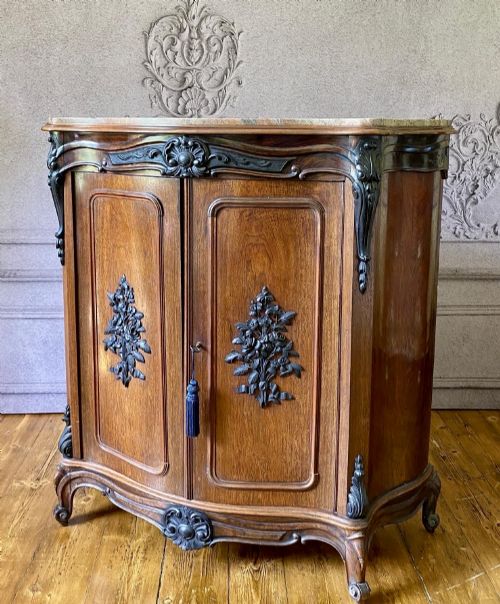
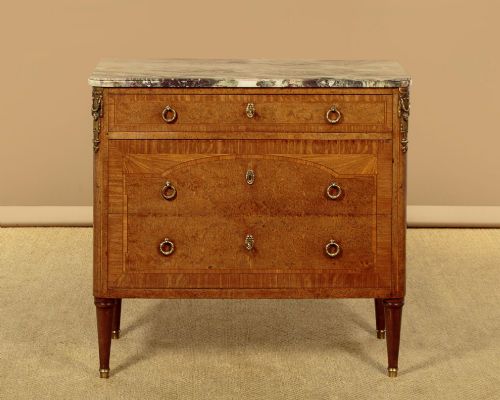
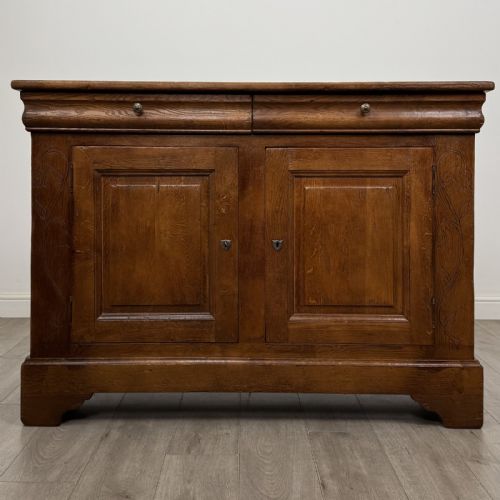
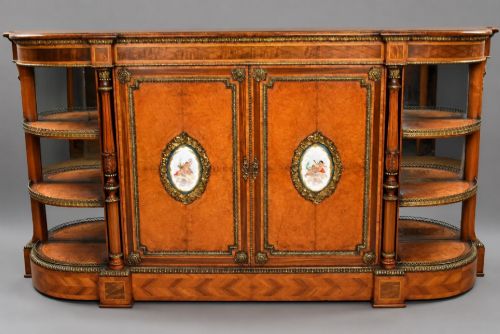
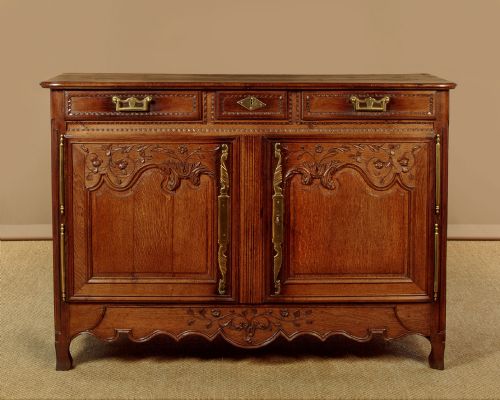
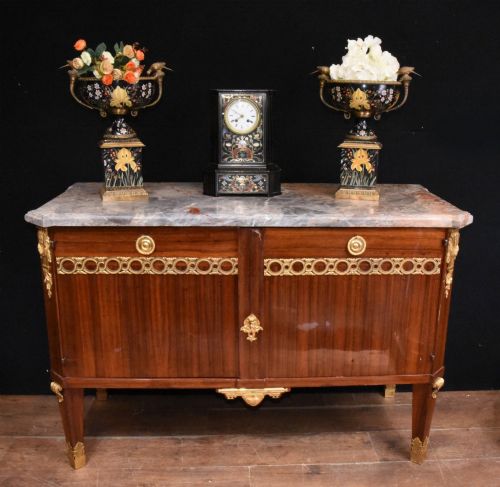
A french sideboard cabinet brings architectural presence and ample storage to a room, ranging from carved walnut buffets to marble-topped credenzas.
French Sideboard Cabinet
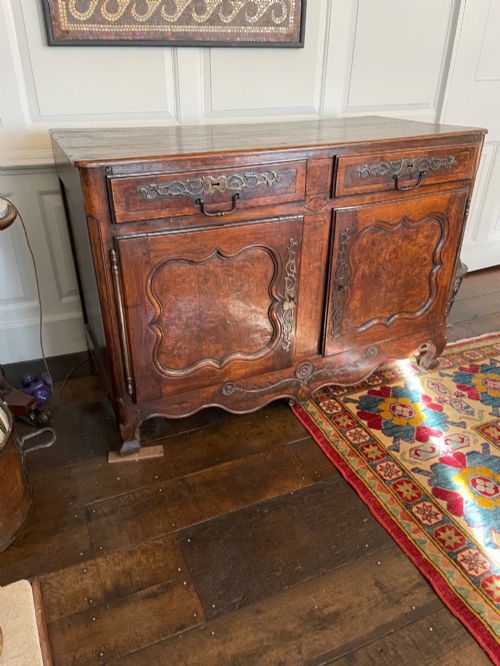
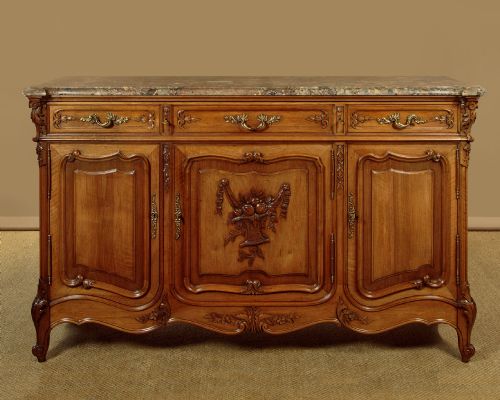
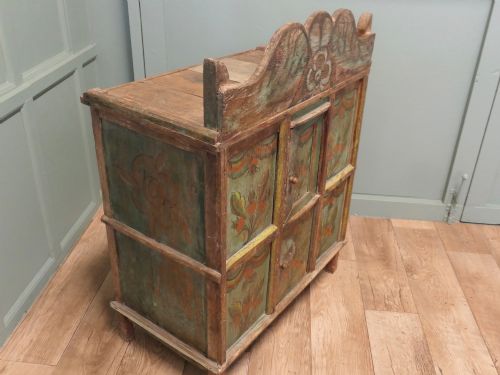
A french sideboard cabinet encompasses diverse forms such as walnut buffets, enfilades, commodes, and credenzas originating from various periods including the eighteenth and nineteenth centuries. These pieces serve as functional storage units while displaying distinct regional and stylistic character.
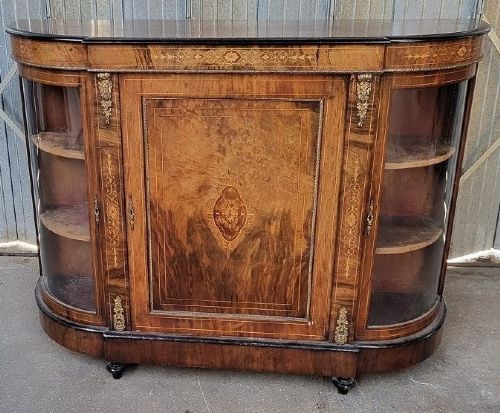
The selection here frequently includes nineteenth-century walnut and oak examples, alongside marble-topped pieces influenced by Louis XVI and Provincial designs. Buyers encounter everything from robust hunting cabinets to refined marquetry credenzas.
Maison Gagneau, Jacques Bircklé, Henry Dasson, and Charles Dudouyt represent some of the notable names linked to these forms through the evidence.
How they were made
Cabinetmakers utilised dense hardwoods like walnut, oak, kingwood, and burr walnut, often applying intricate marquetry patterns in contrasting timbers such as tulipwood, purple wood, and sycamore. Ebonised finishes and boulle work also appear among the construction techniques.
Mounts of ormolu, brass, and porcelain plaques adorn finer examples, while marble tops provide durable, polished surfaces on commodes and credenzas.
Joinery techniques range from traditional hand-carved panels on hunting cabinets to tambour fronts and detailed parquetry.
French Sideboard Cabinet Retail Price Guide 2026
Typical asking prices for french sideboard cabinet among the pieces listed under this phrase on Sellingantiques today, from the lower quarter to the upper quarter. They describe what is for sale here now, not the wider market.
Listings feature oak, walnut, burr walnut, and kingwood timbers alongside marble, ormolu, and porcelain plaque details across the nineteenth century.
What varies in quality
The refinement of the carving and the complexity of the marquetry distinguish standard storage furniture from exhibition pieces. Floral inlays executed in multiple exotic timbers require high technical skill.
The integration of gilt-bronze or ormolu mounts and the selection of quality marble tops elevate certain pieces. Substantial proportions and stamped signatures from established makers add distinction.
Gillows·Charles Dudouyt·Jacques Bircklé·Henry Dasson·Maison Gagneau
The French Sideboard Cabinet Glossary
- Credenza
- A sideboard or display cabinet, often featuring glass doors or gilt-bronze mounts. These pieces frequently stand against a dining room or drawing room wall.
- Ormolu
- Gilt-bronze mounts applied to furniture for decorative accent. This technique was widely utilised during the nineteenth century.
- Marquetry
- Inlay work using various coloured woods to form pictorial or floral patterns on the surface. Cabinetmakers piece these veneers together carefully.
- Enfilade
- A long sideboard with three or more doors, traditional in French dining rooms for serving food and storing tableware.
- Boulle
- A form of marquetry utilising brass and tortoiseshell, developed in France. It creates a striking metallic contrast against dark wood.
French Sideboard Cabinet: Frequently Asked Questions
Where should I place a french sideboard cabinet?
These cabinets work well in dining rooms for tableware storage or in living spaces as a focal point. Their decorative marble tops and rich wood tones suit both traditional and eclectic interiors.
Ensure adequate wall space and clearance for doors or drawers to open fully before positioning.
How do I clean marble-topped cabinets?
Wipe marble surfaces with a soft damp cloth and mild soap, avoiding acidic cleaners that etch the stone. Dry thoroughly to maintain the polish.
Treat the wooden cabinet base with appropriate wax polish according to the timber finish.
Can I use a commode as a sideboard?
Commodes generally provide drawer storage rather than cabinet space, but smaller rooms benefit from their compact surface area. Many feature marble tops suited for serving or displaying objects.
Height and depth proportions should match your room scale.