

French Settee Sofa
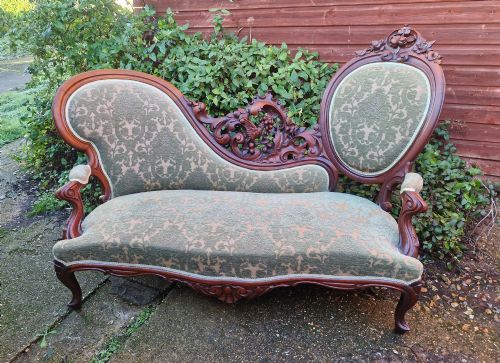
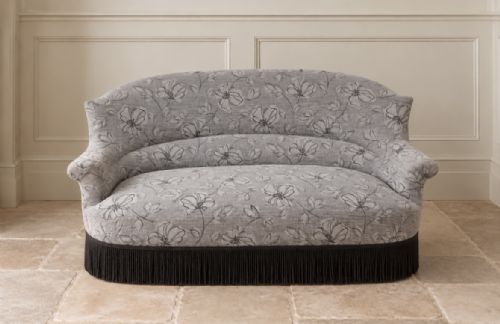
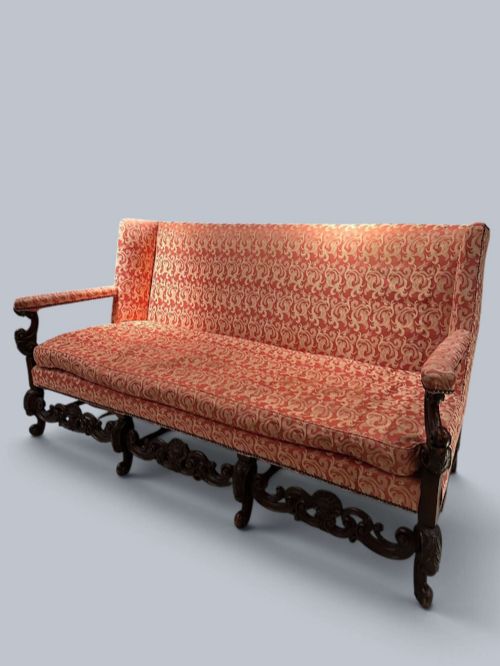
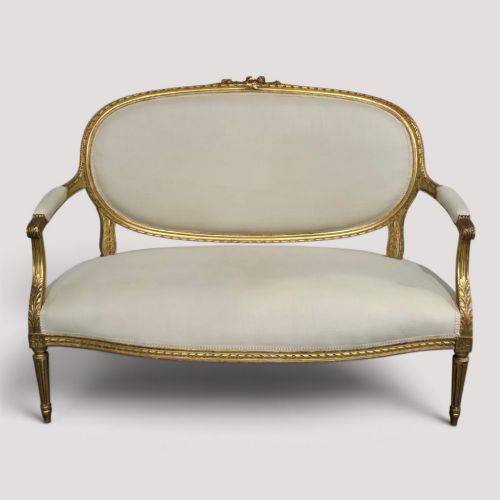
A french settee sofa brings salon elegance to a room, offering carved wooden frames and upholstered or caned seating.
French Settee Sofa
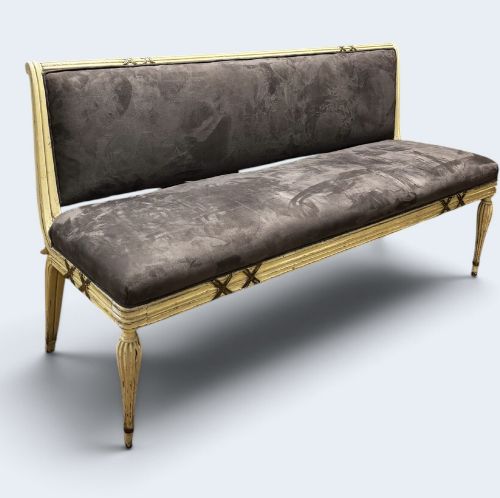
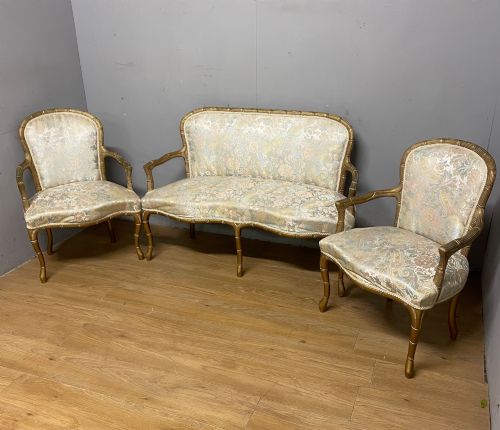
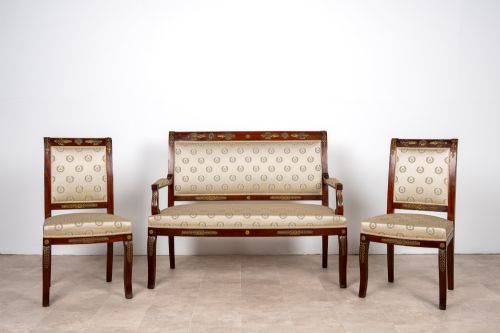
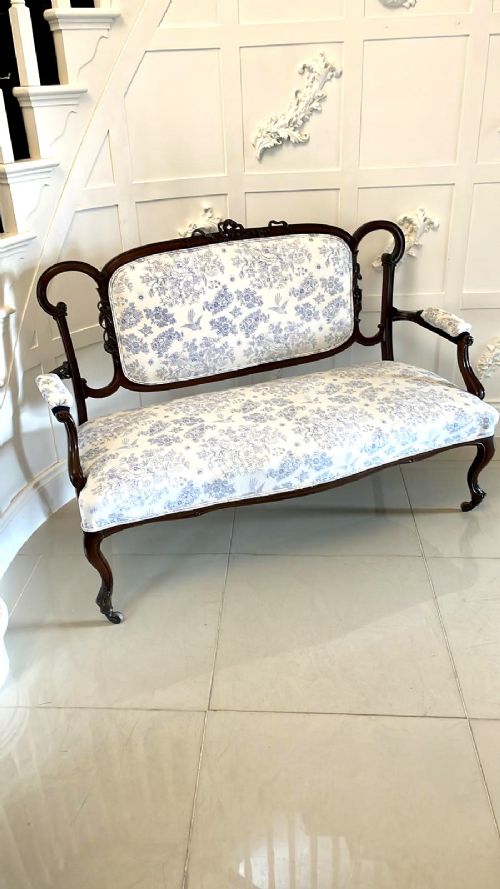
When you search for a french settee sofa, you encounter seating options spanning the nineteenth century and early twentieth century. These pieces emerge in styles reflecting Rococo Revival, Louis XV, Louis XVI, and Napoleon III aesthetics, often grouped alongside salon suites or smaller daybeds.
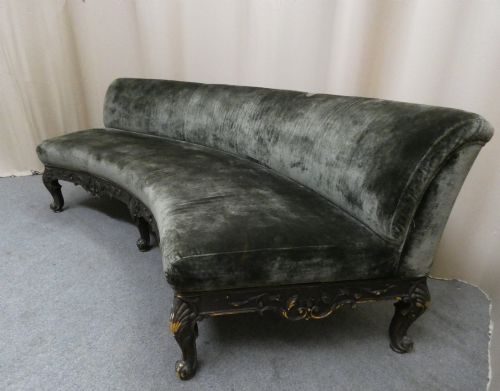
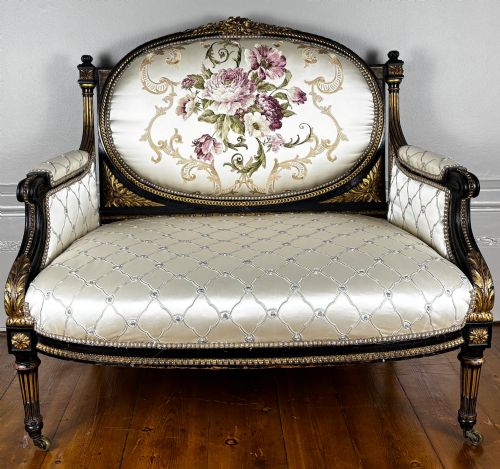
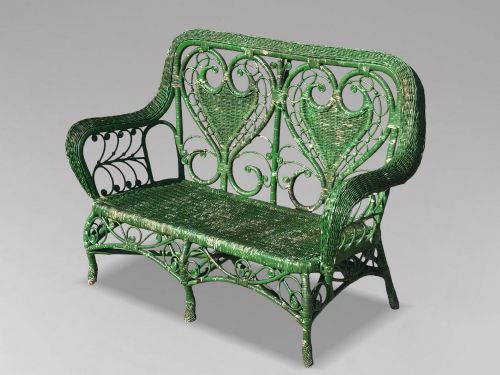
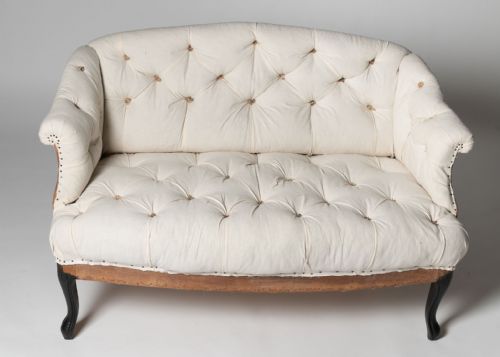
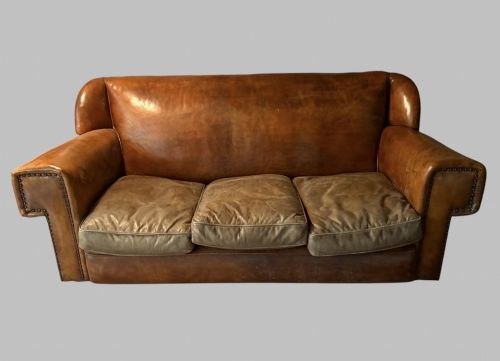
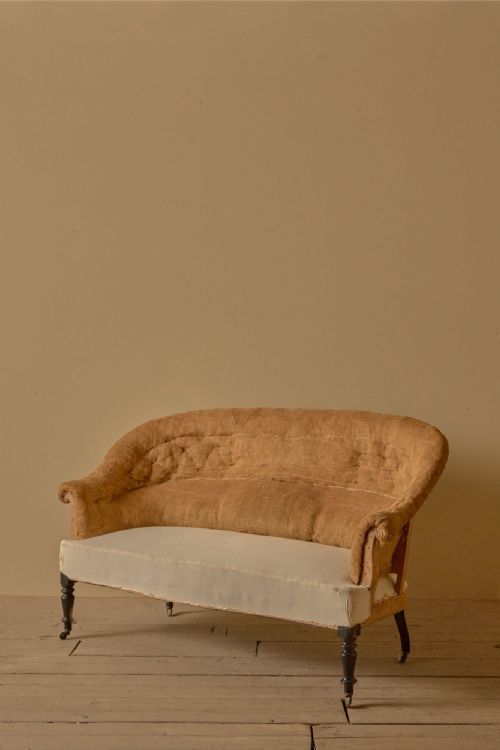
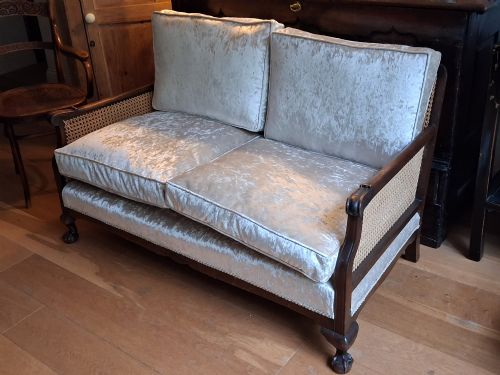
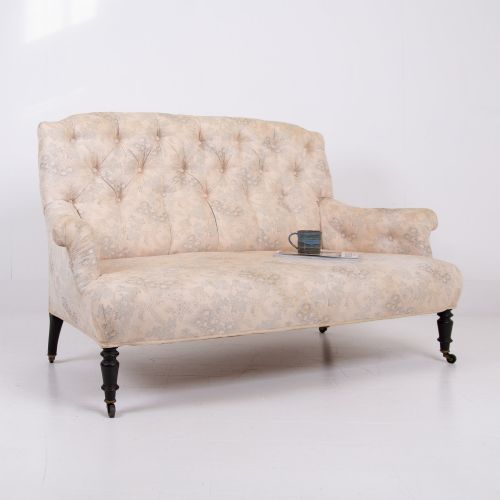
You meet variations ranging from gilded wood canapés with intricate cane work to button-backed velvet boudoir seating and walnut framework. The selection includes everything from ebonised frames to painted finishes and comfortable leather three-seater designs.
Materials and Construction
Carved wooden frames form the structural core, utilising walnut, mahogany, beech, and giltwood. Artisans shape these timbers into flowing curves for Louis styles or crisp linear profiles for neoclassical pieces.
Seating areas incorporate traditional techniques, combining cane work with feather cushions, silk, velvet, and leather upholstery secured by brass or ormolu mounts.
French Settee Sofa Retail Price Guide 2026
Typical asking prices for french settee sofa among the pieces listed under this phrase on Sellingantiques today, from the lower quarter to the upper quarter. They describe what is for sale here now, not the wider market.
Silk love seats whisper secrets of nineteenth-century drawing rooms where guests whispered behind silk fans.
Evaluating Craftsmanship
The distinction between tiers rests upon the crispness of the hand-carved woodwork and the integrity of the joinery within the frame. Superior examples display deeply sculpted floral or scroll motifs executed in solid walnut, beech, or giltwood rather than simpler moulded applications.
Finishing details define the grade of the piece, from tight, even cane weaving to the precision of parcel gilding, ebonising, and the application of high-grade velvet, silk, or leather upholstery.
The French Settee Sofa Glossary
- Canapé
- An upholstered French sofa featuring an exposed wooden frame. This form typically displays the stylistic traits of the Louis periods.
- Bergère
- An enclosed armchair or sofa with upholstered sides. The frame often incorporates detailed cane work alongside loose seat cushions.
- Giltwood
- Timber coated with a thin layer of gold leaf. This material appears frequently on formal nineteenth-century salon seating.
- Ormolu
- Cast bronze mounted with ground gold. These decorative metallic ornaments embellish neoclassical and empire revival frames.
- Banquette
- A long upholstered bench or small sofa. It provides formal seating in boudoirs and reception rooms.
French Settee Sofa: Frequently Asked Questions
What is the difference between a settee and a canapé?
A settee is a broad term for a wide seat accommodating multiple people. A canapé specifically denotes a traditional French upholstered sofa with an exposed wooden structure.
Both forms served similar reception functions in historic drawing rooms and salons.
Where should I place a boudoir settee?
A boudoir settee suits smaller sitting rooms, bedrooms, or entrance halls where massive seating proves too large. Their compact proportions fit neatly against feature walls or beneath windows.
They function well as standalone statement pieces rather than primary lounge seating.
How do I care for cane work on a sofa?
Cane work requires consistent humidity levels to prevent the natural plant fibres from drying and snapping. Avoid placing these pieces near direct heat sources or harsh sunlight.
Dust the woven panels gently with a soft brush to keep the material clean.