


French Second Empire
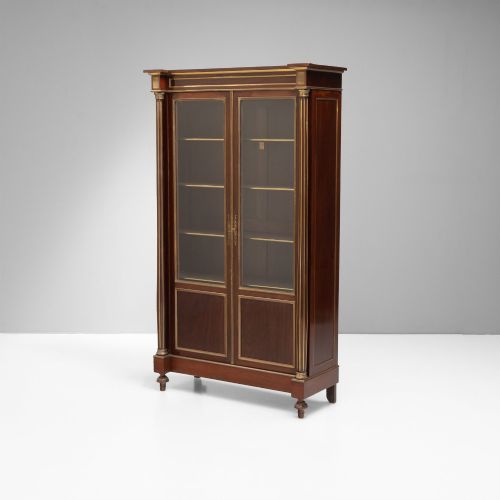
French second empire pieces bring together rich mahogany, gleaming ormolu, and heavy marble to create a striking statement in any interior.
French Second Empire
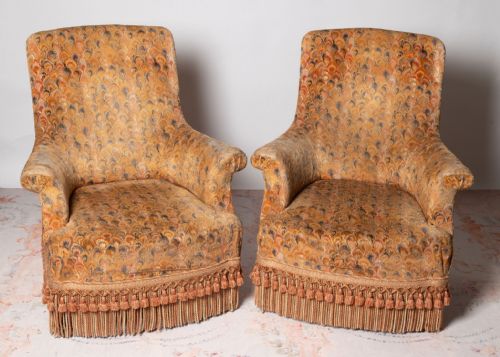
When buyers search for french second empire pieces, they encounter a distinct selection of nineteenth-century furnishings and decorative objects. The objects appearing most frequently on this page include armchairs, wall lights, bookcases, and mantel clocks.
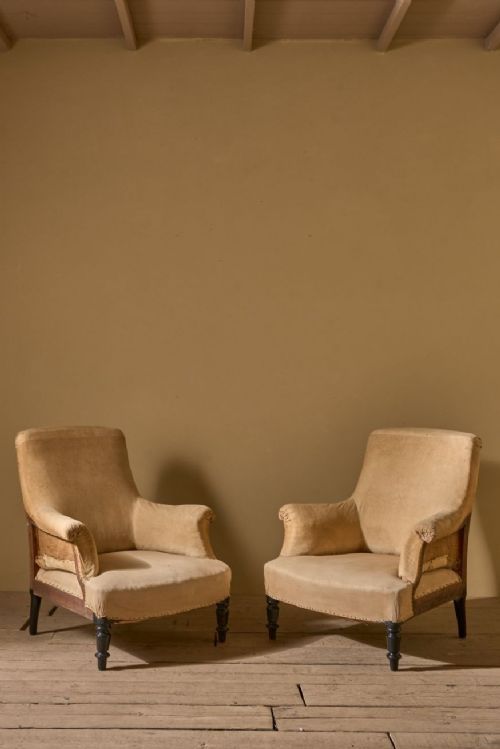
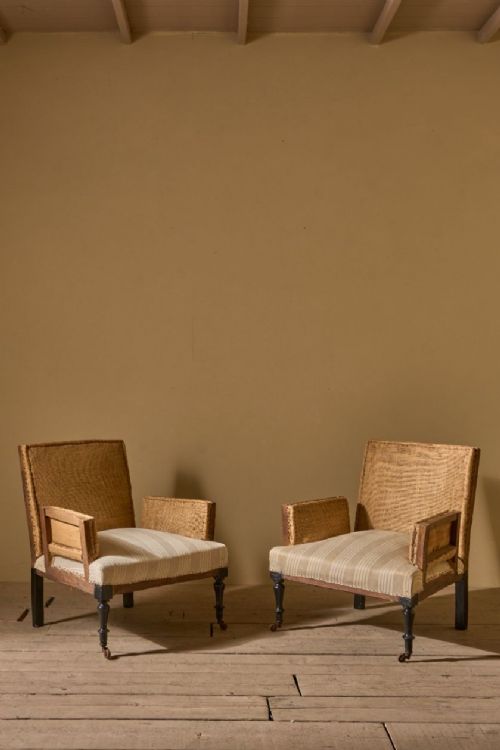
Seating takes various forms such as slipper chairs, fauteuils, and settees, frequently displaying deep wood tones or ebonised surfaces. Alongside these, decorative accents like candelabra, trays, and mirrors provide the ornate detail typical of the period.
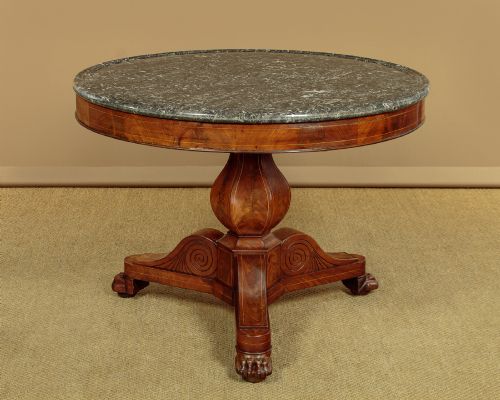
The material palette relies heavily on mahogany, rosewood, and walnut, often paired with marble tops and gilt bronze mounts. These pieces originate predominantly from nineteenth-century French workshops, reflecting the opulent tastes of the Napoleon III era.
How they were made
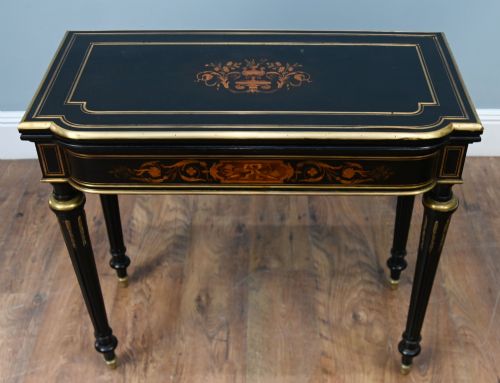
Cabinetmakers utilised dense hardwoods like mahogany, burr walnut, and rosewood as the structural foundation for tables, cabinets, and seating frames. Ebonised wood and applied tortoiseshell alongside brass inlay frequently decorated the surfaces of pier cabinets and small tables.
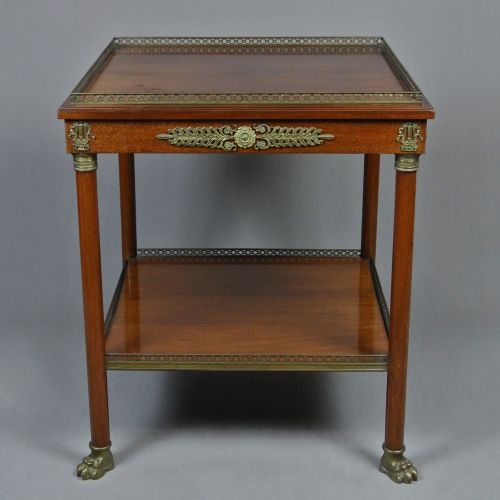
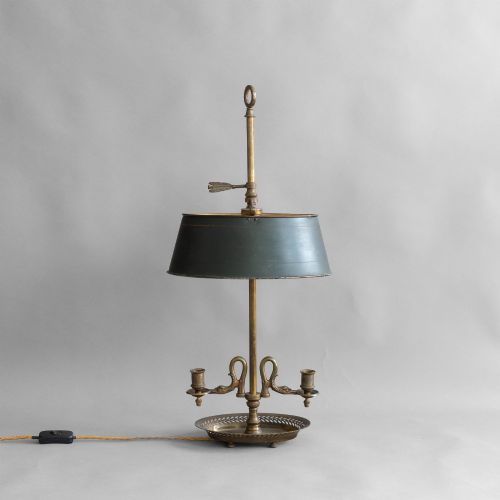
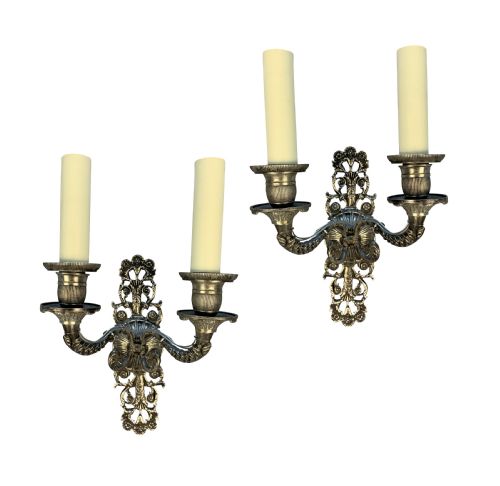
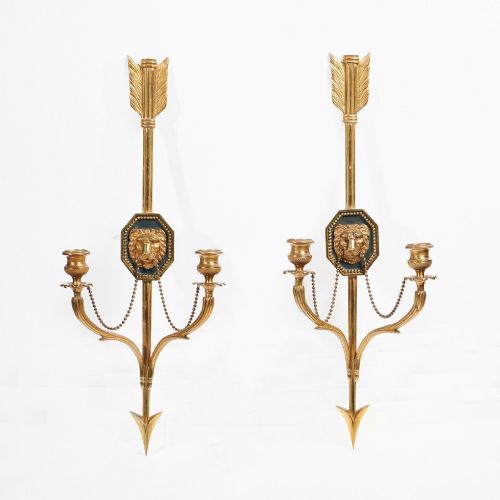
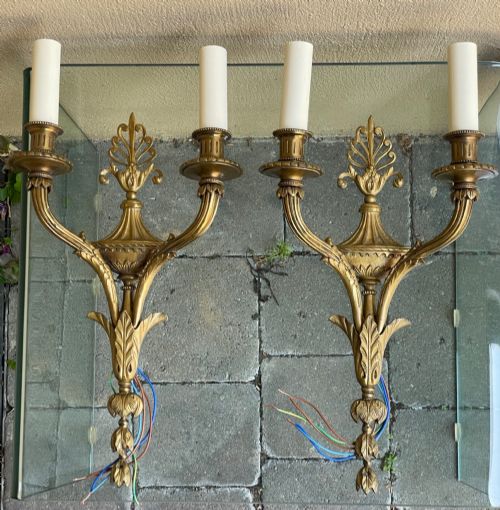
Metalwork played a defining role, with ormolu and gilt bronze cast into elaborate mounts, wall lights, and candelabra details. Marble slabs, particularly rouge and white varieties, were cut and polished to form heavy tabletops and mantel clock bases.
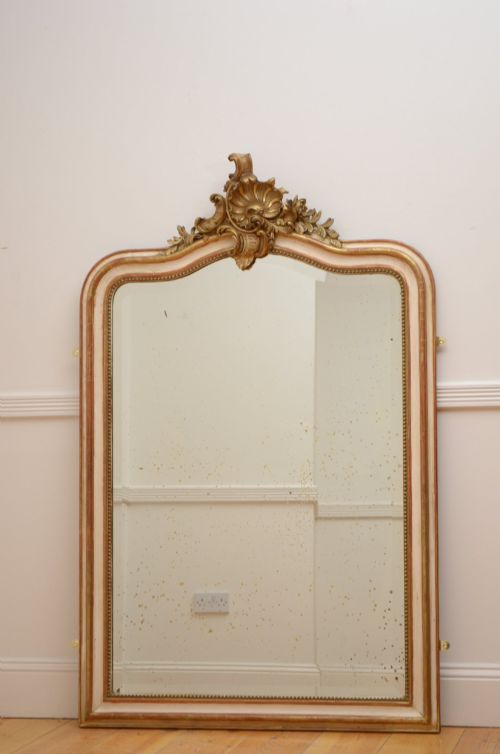
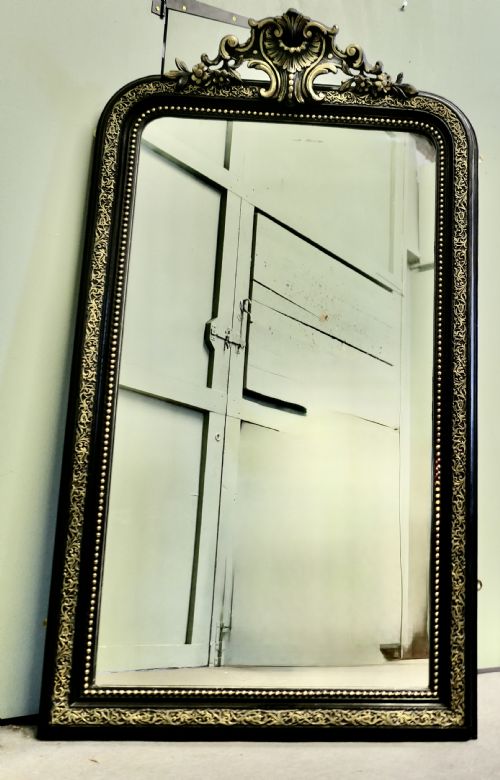
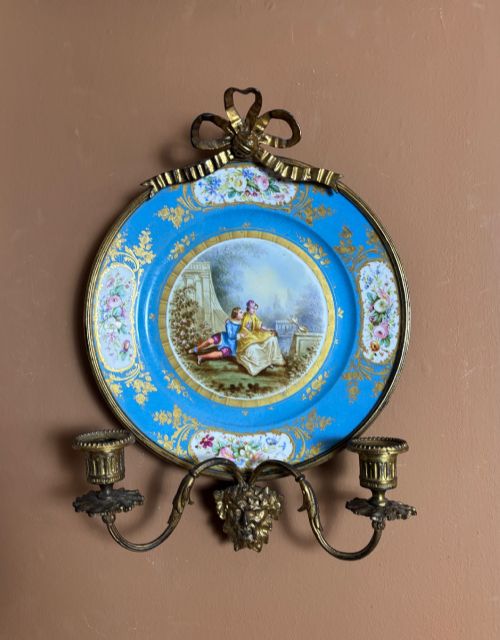
Porcelain elements from manufacturers like Sevres added painted colour and delicate figures to mantel clocks and candelabra. Gilt leaf and gesso built up the decorative frames seen on large wall and pier mirrors.
Listings feature mahogany, rosewood, and ebonised wood paired with gilt bronze and marble across nineteenth-century seating and tables.
What varies in quality
The standard of carving and casting marks the distinction between ordinary production and superior work. Crisp, deeply chased ormolu mounts demonstrate high skill in the foundry, whereas softer, shallower cast metal lacks definition.
Timber selection and veneer matching dictate the visual depth of cabinets and desks. Finely figured mahogany and intricate tortoiseshell and brass Boulle work indicate a higher grade of craftsmanship than plain, unadorned secondary woods.
Original elements remaining intact, from fire gilding on bronze to period mirror glass and marble slabs, elevate the integrity of the piece. Replacements or later additions alter the unified appearance expected from premier workshops.
Japy Freres·Krieger·Letu and Mauger·Tahan of Paris
The French Second Empire Glossary
- Ormolu
- Gilded bronze applied as decorative mounts to furniture, clocks, and lighting. This technique involved coating cast bronze with a mercury and gold amalgam before heating.
- Boulle
- A style of marquetry utilising brass and tortoiseshell inlaid in counterpoint patterns. It appeared frequently on cabinets and tables of the period.
- Fauteuil
- An open-armed upholstered armchair with exposed wooden framing. The style developed earlier in France but remained popular in nineteenth-century salons.
- Gueridon
- A small round occasional table supported by a central pillar or multiple legs. These frequently featured marble tops and decorative wood veneers.
- Pier glass
- A tall mirror designed to hang on the wall space between windows. They often sat above matching console tables or pier cabinets.
French Second Empire: Frequently Asked Questions
What is a French Second Empire clock made of?
These mantel clocks typically combine carved marble cases with cast bronze or ormolu mounts. Enamel clock faces and painted porcelain panels frequently complete the design.
Movements were often produced by established French clockmakers of the nineteenth century, housed within architectural marble or ebonised bodies.
How do I identify Napoleon III furniture?
Napoleon III pieces generally display dark timbers such as ebonised wood, mahogany, or rosewood, often enhanced with marquetry or gilt bronze. Proportions are substantial and ornamentation leans toward revival styles.
Seating forms include button-backed armchairs and slipper chairs designed for comfortable Victorian and Second Empire drawing rooms.
Where were wall lights placed?
Wall lights and appliques served to illuminate formal reception rooms and salons alongside central chandeliers. They were mounted directly to drawing room walls, often flanking mirrors or large paintings.
The reflective gilt bronze surfaces helped amplify candle or early gas light within the room.