


French Scent Flask
A French scent flask is a portable vessel for fragrance that combines glasswork and precious metal mounts.
French Scent Flask
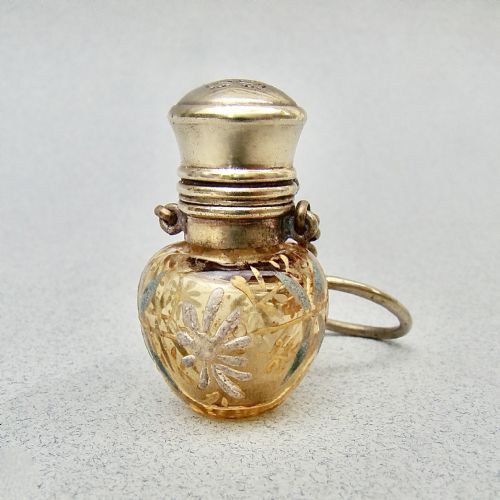
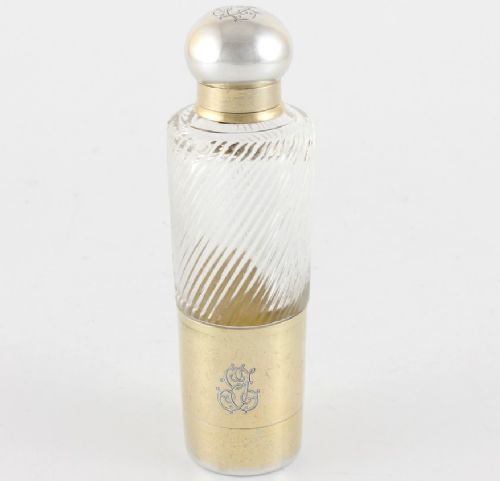
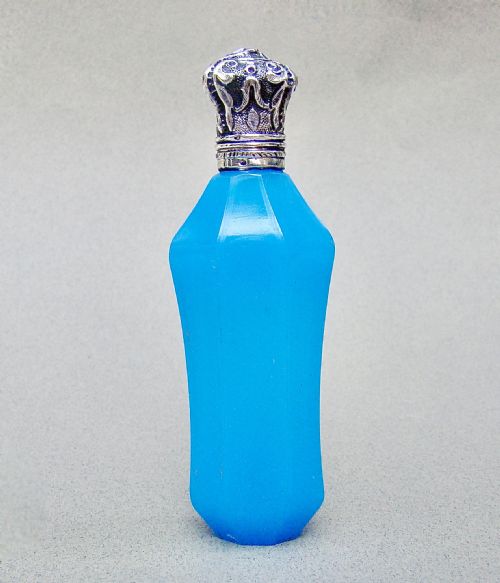
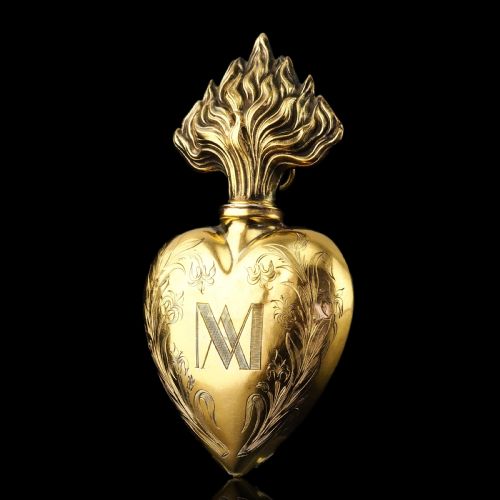
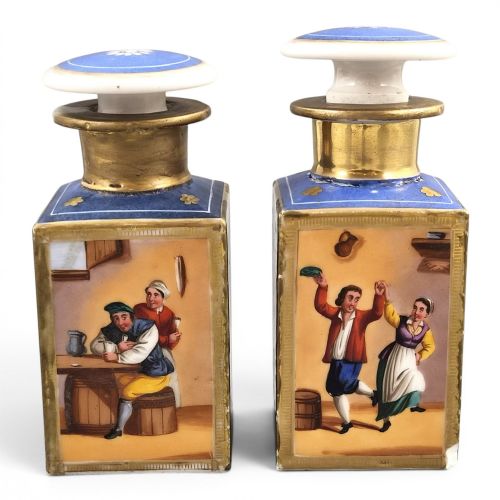
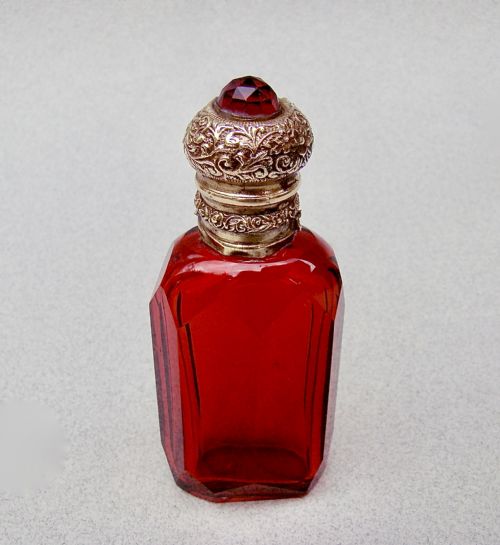
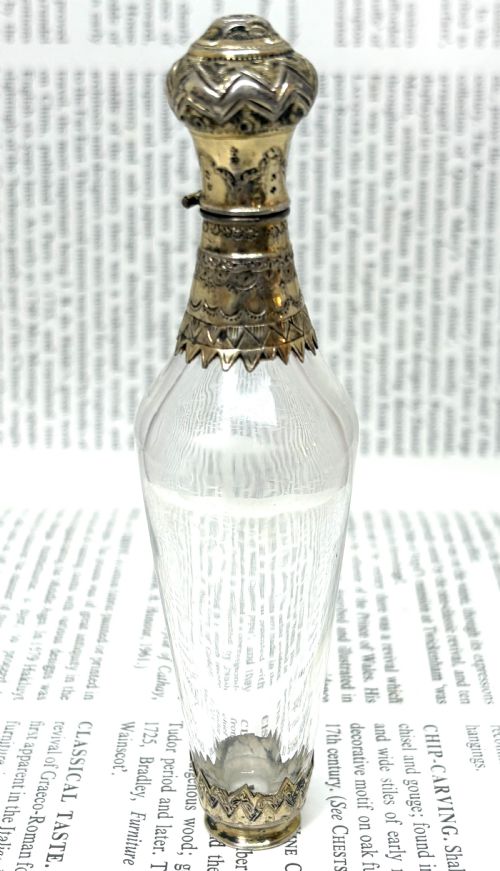
A French scent flask brings together glassmaking and metalwork in a compact vessel designed for personal fragrance. These objects appear in various forms on this page, ranging from chatelaine pieces meant for suspension to table flasks and vanity bottles. The selection spans the nineteenth century through the Art Deco period, capturing distinct shifts in design and manufacture.
Nineteenth-century examples frequently combine coloured glass with silver, ormolu, or enamel mounts, reflecting the ornate tastes of periods such as the Second Empire and the Belle Epoque. Later pieces from the twentieth century shift towards moulded opalescent and frosted glass, demonstrating the transition into Art Deco aesthetics. Buyers encounter everything from ruby and cranberry glass to intricate guilloché enamel and silver gilt details.
Assessing quality
Quality rests on the crispness of the glass moulding or cutting and the weight and detail of the metal mounts. Finer pieces display hand-chased ornamentation on silver or ormolu and precise enamel application without loss or damage.
The integration between the glass body and the metal collar indicates the maker's skill, where tighter tolerances and secure fittings distinguish superior production from simpler commercial work.
Listings feature glass, enamel, silver, and vermeil across periods ranging from the early nineteenth century through the Art Deco era.
Rene Lalique·Sabino·Jacob Petit·Moser·Tonnel Paris
The French Scent Flask Glossary
- Chatelaine scent bottle
- A small flask equipped with a chain or hook designed to hang from a belt or chatelaine. These portable containers were popular accessories during the nineteenth century.
- Guilloché enamel
- A decorative technique where a precise, intricate pattern is mechanically engraved into metal beneath a translucent layer of enamel. This creates shifting reflections of light across the coloured surface.
- Ormolu
- Gilded bronze used for mounts, feet, and decorative framing on glassware. The finish provides a rich gold appearance that complements coloured glass.
- Opalescent glass
- Glass that diffuses light with a milky, translucent quality, often showing blue or amber tones. This material became prominent in twentieth-century production.
- Vermeil
- Sterling silver plated with a thin layer of gold. It offers the appearance of solid gold combined with the structural strength of silver.
French Scent Flask: Frequently Asked Questions
How were French scent flasks used?
These flasks held liquid perfumes and essential oils for personal refreshment throughout the day. Portable versions hung from chatelaines or fitted inside small vanity cases.
Larger examples sat upon dressing tables as decorative containers. The stoppers sealed the contents to prevent evaporation of the fragrance.
How do I date a scent flask?
Dating relies on the stylistic markers of the glass and the character of the metal mounts. Nineteenth-century pieces typically feature cut glass, heavy ormolu, or coloured overlays.
Twentieth-century examples lean towards moulded opalescent or frosted glass associated with Art Deco design. Maker signatures and hallmarks on the silver further narrow the production period.
What is opalescent glass?
Opalescent glass diffuses light through its milky, semi-translucent body, often catching blue or amber tints at the edges. It gained popularity in the early twentieth century for decorative objects.
Makers utilised this material to create depth in moulded relief designs, particularly in Art Deco perfume bottles.
How should I display my flask?
Display these vessels in well-lit cabinets away from direct sunlight to protect coloured and enamelled surfaces. Placing them on mirrored trays enhances the translucent quality of the glass.
Ensure stable placement where the flasks cannot roll or tip over, particularly pieces with rounded or chatelaine bases.