




French Rustic Seat
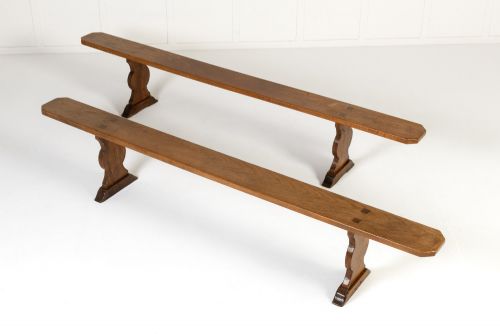
These pieces of french rustic seat span the 18th century to the early 20th century, offering practical timber and iron forms for daily use.
French Rustic Seat
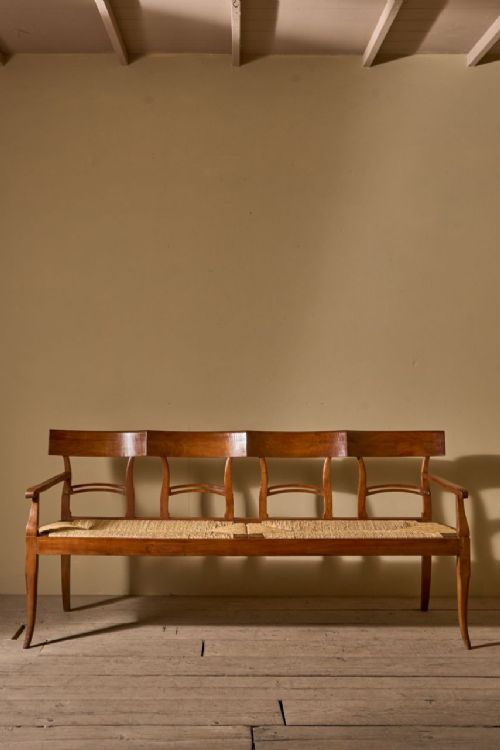
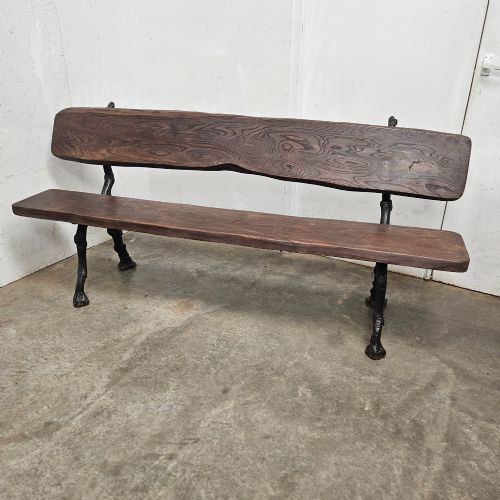
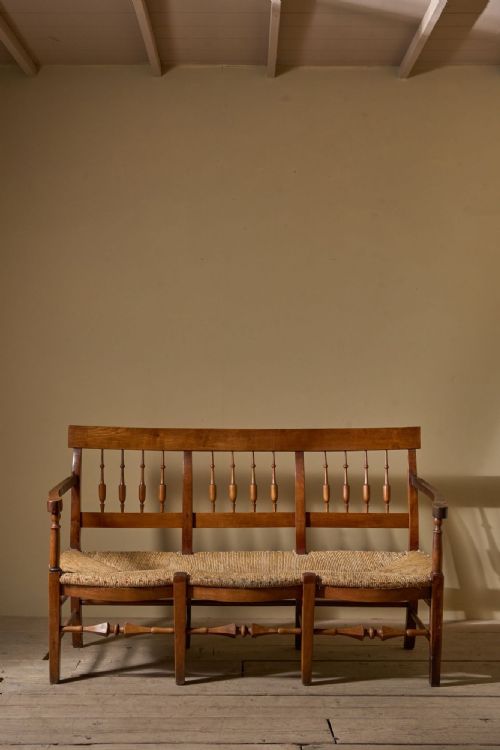
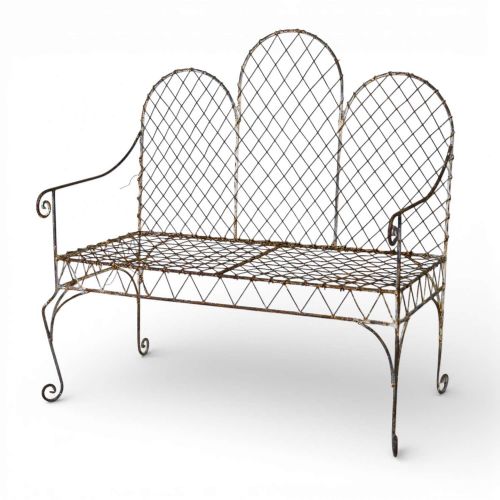
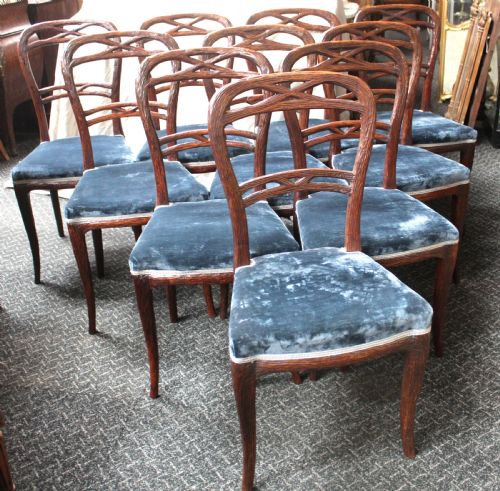
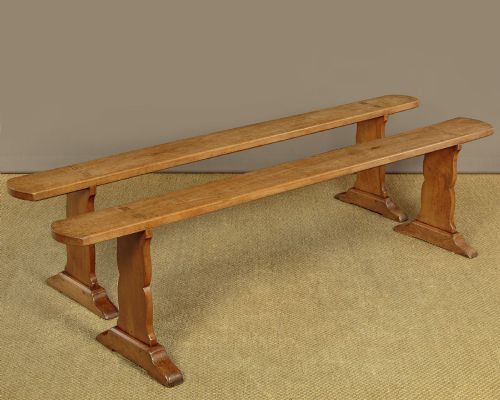
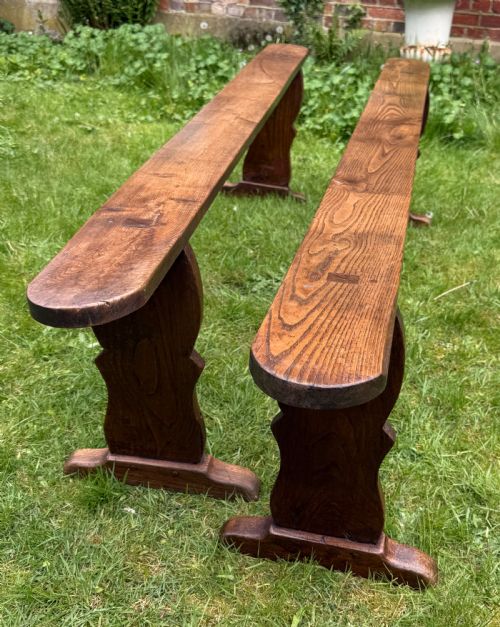
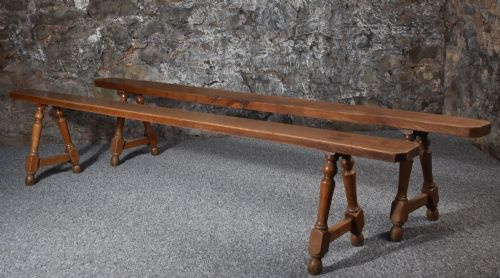
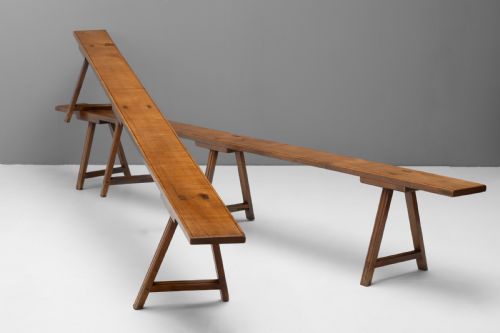
When you search for a french rustic seat, you are looking at practical timber and metal furniture designed for provincial interiors, gardens, and dining spaces. The selections range from long cherrywood and oak benches to ladder back chairs, armchairs, and settles built for hard use.
You are most likely to meet 19th-century cherrywood benches and fruitwood dining chairs on this page, alongside wrought iron and faux bois garden pieces. These forms reflect provincial traditions across France, relying on straightforward construction rather than courtly ornament.
Quality differences
The distinction between ordinary workshop output and finer provincial seating lies in the selection of timber and the integrity of the joinery. Dense hardwoods like cherry and oak, selected without excessive knotting or decay, hold up better than softer pine or hastily assembled country alternatives.
Original surfaces also separate examples; pieces retaining their early or original paint layers, or undisturbed patinated timber surfaces, carry more character than stripped or heavily restored equivalents.
Listings feature oak, cherrywood, fruitwood, pine, and wrought iron across 18th-century, 19th-century, and early 20th-century periods.
The French Rustic Seat Glossary
- Rush
- A wetland plant material woven into durable seating pads. It provides a flexible and supportive surface on ladder back chairs and hall benches.
- Faux bois
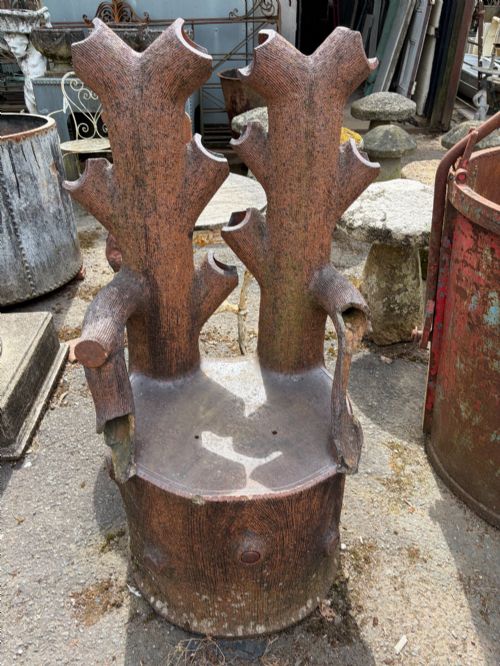
- Concrete or metal shaped and painted to imitate natural wood. This technique appears frequently on 19th-century and early 20th-century garden seats.
- Settle
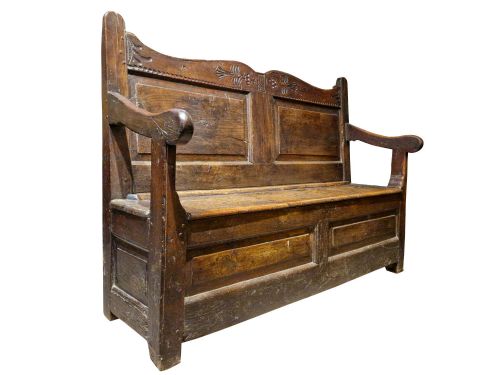
- A wooden bench featuring a high back and solid arms to block drafts. Some examples include box-seated compartments beneath the cushion for storage.
- Ladder back
- A chair back constructed with horizontal arched slats between the vertical posts. This regional style is common in French provincial kitchens and dining rooms.
- Refectory
- A long, narrow table style historically used in communal dining halls. It frequently pairs with long timber benches in country settings.
French Rustic Seat: Frequently Asked Questions
How do I identify a faux bois garden seat?
Faux bois garden seats are typically made from reinforced concrete or metal formed to mimic knotted branches, bark, and timber grain. They often display textured surfaces finished with historic layers of paint.
These pieces were popular in the 19th and early 20th centuries for parkland and garden use, offering a durable alternative to natural wood.
What is the difference between a hall bench and a dining bench?
Hall benches are generally designed with simpler profiles or storage compartments like box seats, intended for entryways and corridors. Dining benches are proportioned specifically to sit comfortably alongside tables during meals.
Both forms utilise regional hardwoods like cherry, oak, and fruitwood, but their height and depth reflect their intended placement in the home.
How should I care for rush seats?
Rush seats require a dry environment to prevent the natural fibres from becoming brittle or damp. Regular dusting with a soft brush keeps debris from settling between the woven strands.
Avoid placing these chairs in direct sunlight or heavy moisture, as the dried marsh plants respond poorly to extreme humidity changes.
Are these chairs suitable for daily dining use?
Many of these pieces, including ladder back chairs and fruitwood dining sets, were built precisely for everyday kitchen and dining tasks. Their solid timber frames and pinned joints provide sturdy support.
Checking that the joints remain tight ensures the seating handles regular daily activity without loosening.