
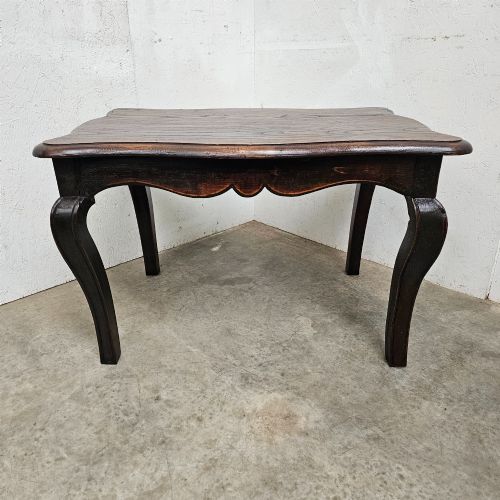
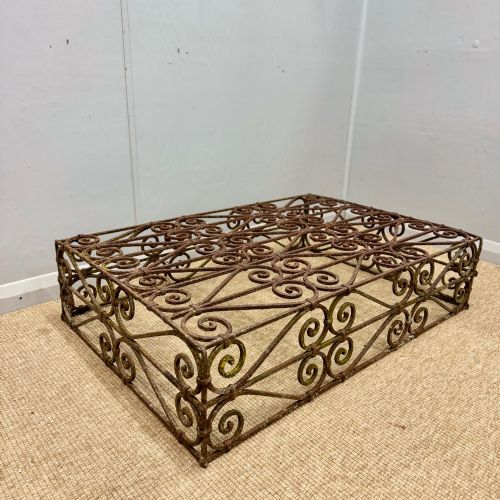


French Rustic Low Table
A french rustic low table brings warmth and practicality to a room through honest timber construction and regional character.
French Rustic Low Table
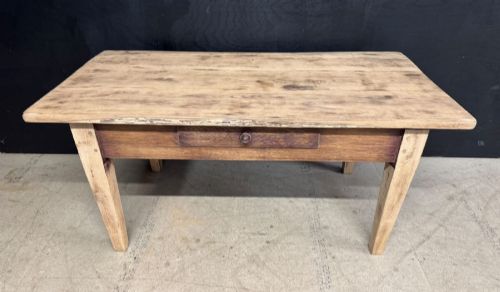
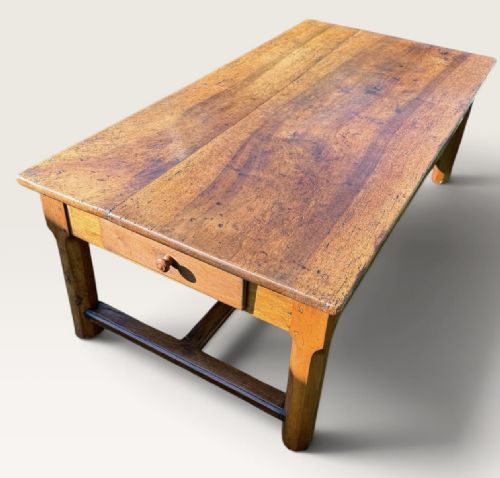
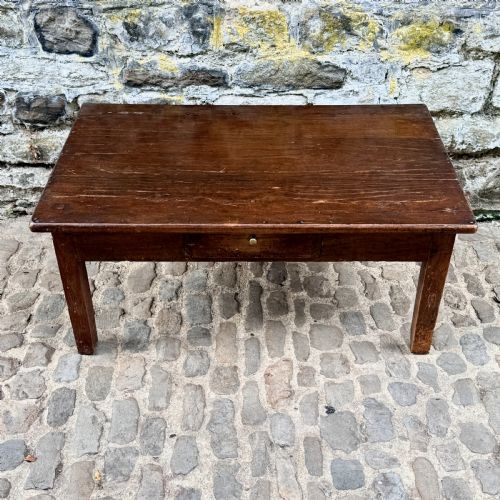
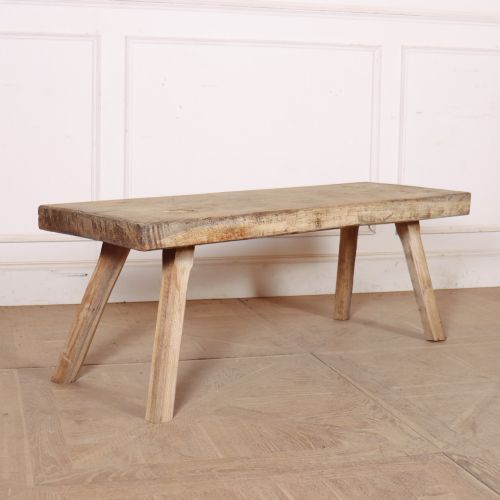
A french rustic low table encompasses solid timber forms designed for low placement, originating from provincial workshops and farmhouses. These pieces often adapt historical furniture types, transforming formal dining formats, work benches, or storage chests into low coffee and display tables.
The selection here ranges from eighteenth-century walnut examples to nineteenth-century oak, cherrywood, and fruitwood pieces. Alongside conventional coffee tables, the inventory includes trestle tables, display surfaces, and adapted cobblers benches or dough prooving boxes.
Buyers seek these objects for their tactile wooden surfaces and unpretentious proportions. Each piece reflects regional French country traditions, utilising local timbers that have aged with distinct patinas over generations of domestic use.
What Varies in Quality
Quality rests in the integrity of the timber and the honesty of the construction, distinguishing purpose-built regional items from later adaptations. Superior pieces display harmonious proportions and original surface treatments that reveal the grain rather than hiding it.
The handling of structural details, such as integrated drawers, turned legs, and iron bracing, separates standard utilitarian items from finer examples of provincial craftsmanship. Depth of patina and stability in the timber further define the standing of each table.
Cobblers benches and dough prooving boxes quietly retired from trade work to serve as your afternoon coffee rest.
The French Rustic Low Table Glossary
- Patina
- The surface sheen and soft texture developed by wood through age, handling, and regular waxing. It serves as a visual indicator of a piece's history.
- Fruitwood
- A collective term for timbers harvested from fruit-bearing trees such as pear, apple, or cherry. These woods offer a fine grain and warm tone.
- Trestle Table
- A table structure consisting of two or more vertical supports connected by a horizontal beam. This design provides robust stability for heavy timber tops.
- Dough Prooving Box
- A lidded wooden coffer originally used for resting bread dough during fermentation. When adapted, these boxes function as low tables with internal storage.
French Rustic Low Table: Frequently Asked Questions
How do I clean a rustic low table?
Maintain the timber by dusting with a dry cloth and applying natural beeswax periodically to nourish the grain.
Avoid harsh modern cleaning chemicals and excessive moisture, which can damage the historic surface and strip the accumulated patina.
Are these tables suitable for daily use?
These pieces were built for robust domestic environments from farms and workshops, making them durable for contemporary living.
Their solid oak, walnut, and fruitwood construction withstands regular placement of books, cups, and daily items while retaining structural integrity.
How can I tell the age of the wood?
Age is identified through tool marks left by hand planes, the shrinkage patterns in the timber, and the depth of the finish.
Examining the underside and joinery reveals hand-cut elements and fastening methods consistent with eighteenth and nineteenth-century carpentry.
What is scrubbed sycamore?
Scrubbed sycamore refers to timber that has been thoroughly washed and scrubbed to remove old finishes, exposing the pale, clean grain beneath.
This treatment creates a lighter appearance favoured in nineteenth-century French provincial furniture design.