

French Rococo Wall Sconces
French rococo wall sconces bring asymmetrical curves and candlelight into a room, offering an ornate touch of eighteenth-century design.
French Rococo Wall Sconces
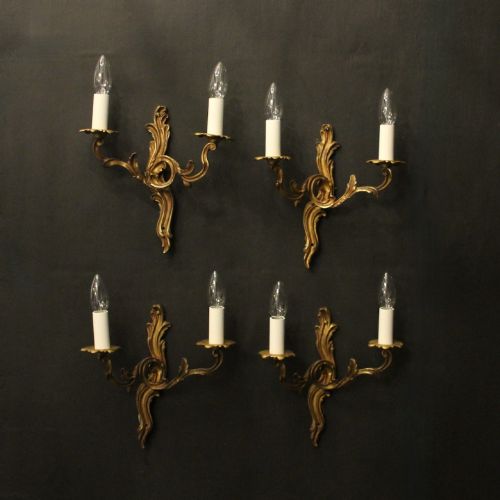
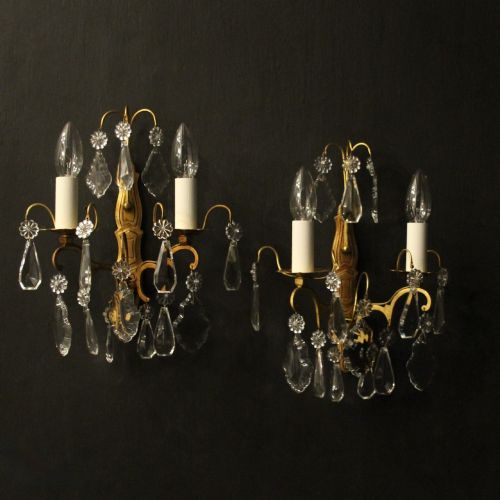
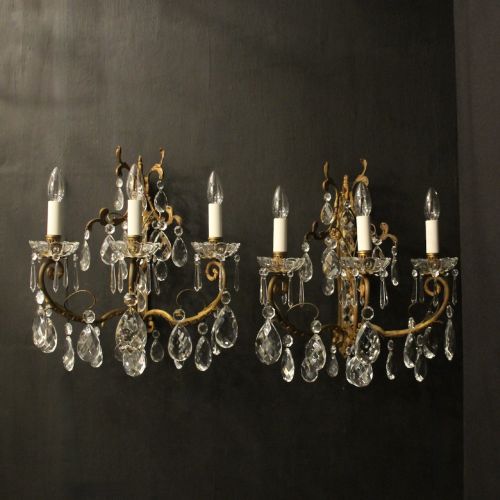
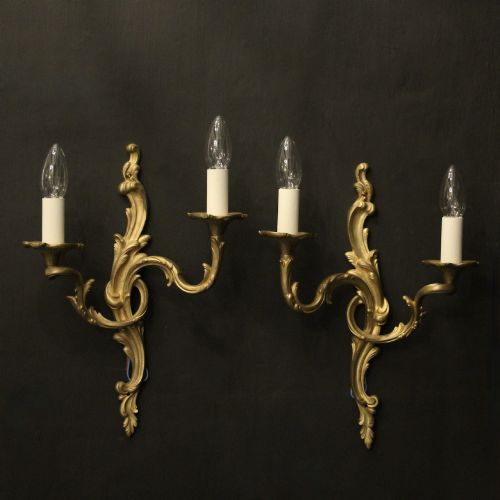
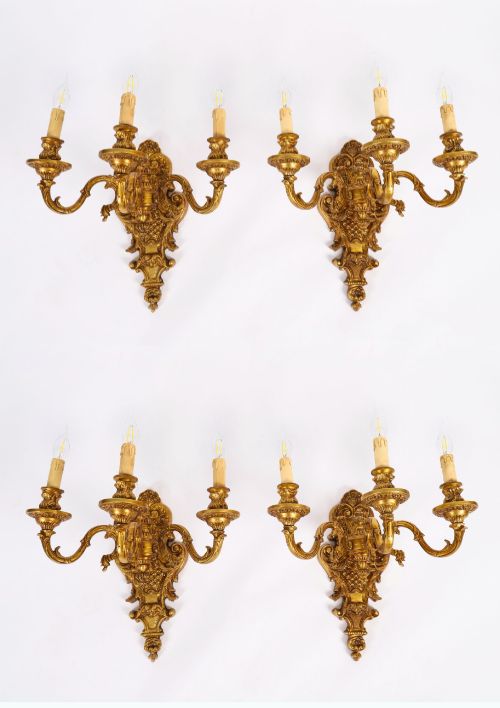
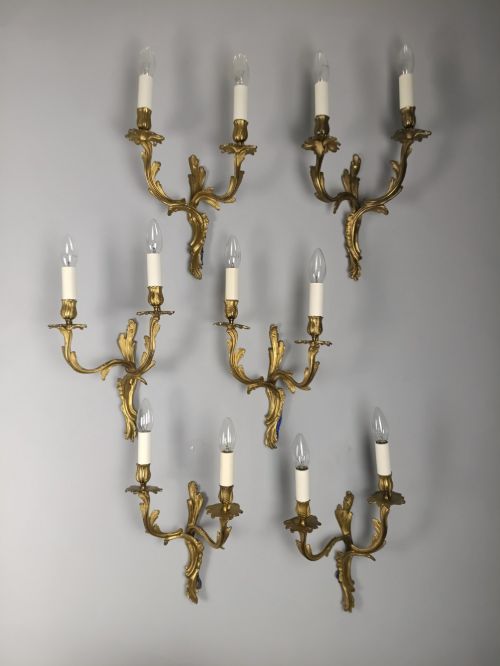
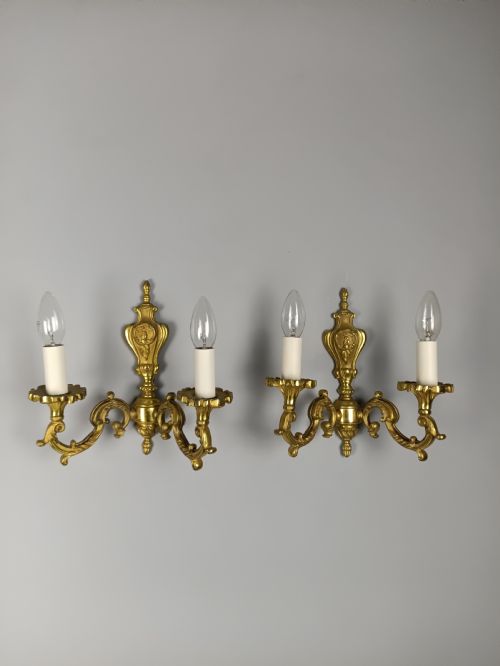
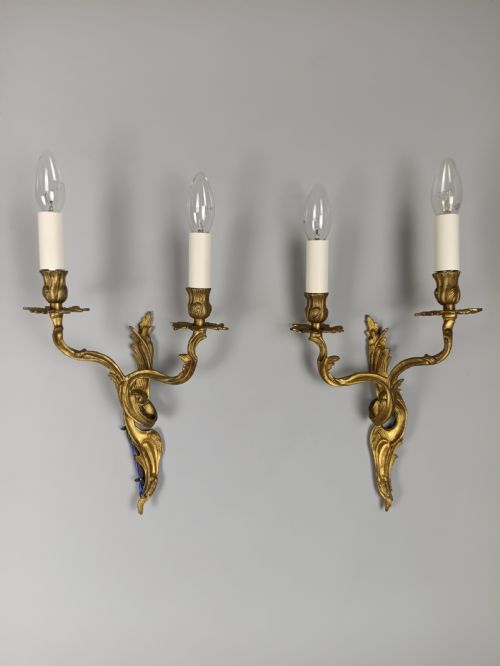
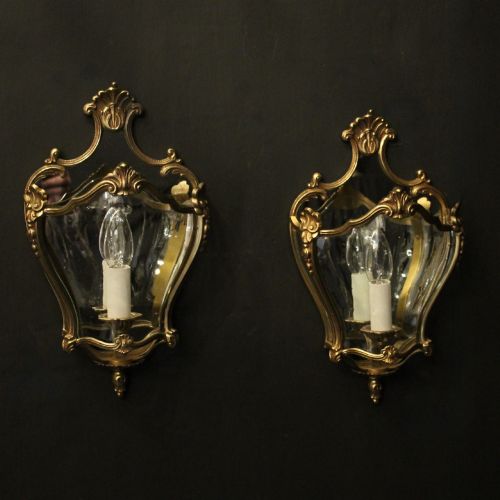
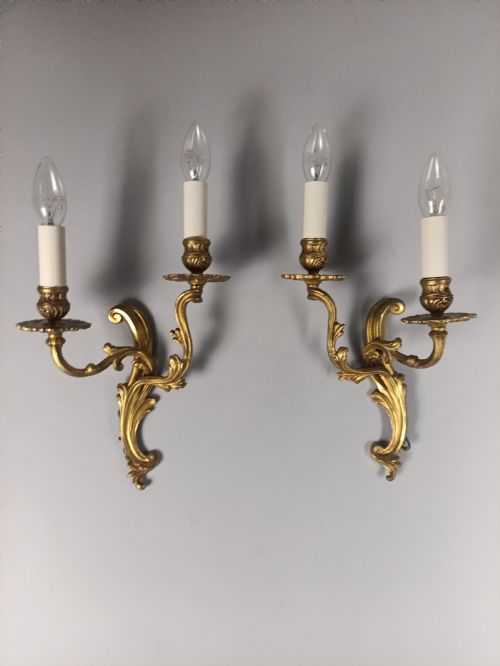
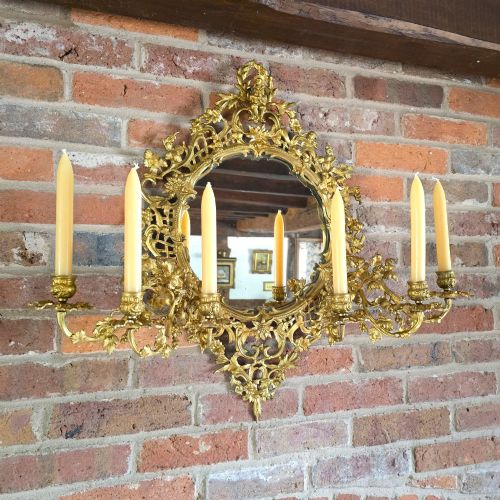
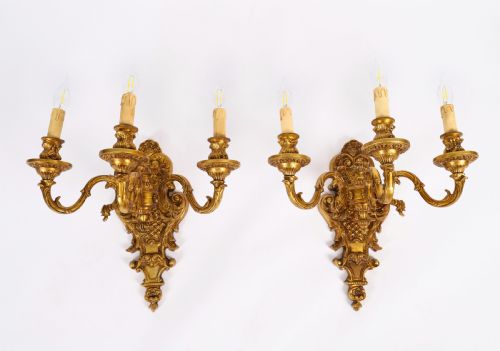
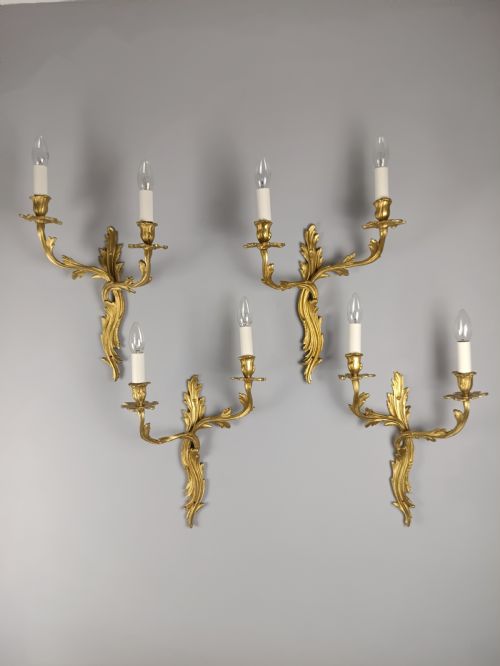
When searching for french rococo wall sconces, buyers encounter lighting fixtures designed to mount directly onto a wall surface. These pieces often take the form of twin-arm or triple-arm wall lights, alongside related items such as girandole mirrors and wall brackets.
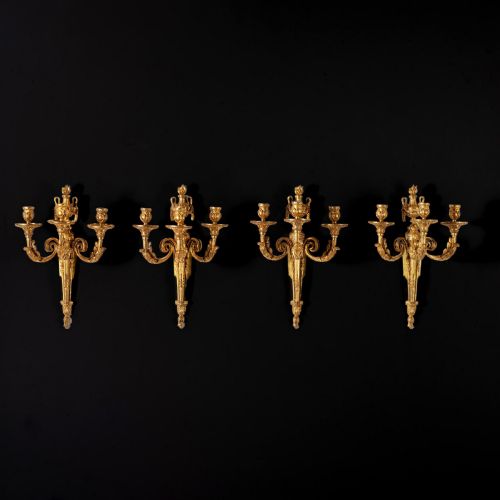
The selections span from authentic eighteenth-century examples down to revival pieces produced during the nineteenth and early twentieth centuries. Twin-arm brass and bronze lights from the early twentieth century appear frequently, alongside grander nineteenth-century ormolu appliques.
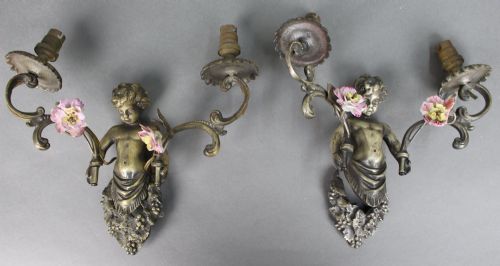
Design characteristics include asymmetrical scrollwork, C-scrolls, and naturalistic motifs like porcelain flowers and putti figures. Many examples incorporate mirrored backplates that amplify the illumination cast by the candle branches.
Quality factors in craftsmanship
The definition and depth of the chased metalwork separate standard production from finer examples. Superior pieces display crisp, hand-finished relief in the acanthus leaves and scrolls, whereas lesser items show softer, shallower surface details from worn moulds.
The weight and gauge of the cast bronze or brass dictate the structural rigidity of the arms and backplate. Heavier metal allows for more elaborate, projecting branches that hold their alignment securely over decades of use.
French Rococo Wall Sconces Retail Price Guide 2026
Typical asking prices for french rococo wall sconces among the pieces listed under this phrase on Sellingantiques today, from the lower quarter to the upper quarter. They describe what is for sale here now, not the wider market.
The French Rococo Wall Sconces Glossary
- Ormolu
- Gilded bronze, where finely ground gold is applied to a bronze base using a mercury amalgam technique or electroplating. This finish gives the metal a warm, durable lustre that resists tarnish.
- Girandole
- A branched wall light or sconce, often incorporating a mirror to reflect and multiply the light. The reflective backplate helps to brighten darker corners of a room.
- Applique
- A wall-mounted light fitting designed to hold candles or electric lamps. These fixtures sit flat against the wall surface while projecting decorative arms forward.
- Putti
- Depictions of plump, winged infants derived from classical art, frequently incorporated into rococo designs. They often appear supporting the branches or framing the central mirror plate.
French Rococo Wall Sconces: Frequently Asked Questions
How do I wire old wall sconces?
Many vintage wall sconces require professional rewiring to meet modern electrical safety standards before installation. A qualified electrician can thread new heat-resistant flex through the internal channels without altering the visible exterior.
Original backplates sometimes feature pre-drilled mounting holes that align with modern conduit boxes, though spacing varies on older pieces. It is wise to consult an expert regarding wall anchors capable of supporting heavy bronze and brass assemblies.
Are these fixtures suitable for candles?
While historic wall sconces were originally built for wax candles, most surviving examples have been converted to electricity over time. Using low-wattage candle-style LED bulbs helps preserve the vintage fittings from excessive heat exposure.
If you prefer genuine candlelight, ensure the drip pans are clean and keep the sconces away from drafts and curtains. Metal arms remain stable, but older soldered joints benefit from gentle treatment.
How do I date a wall sconce?
Dating relies on examining the casting methods, fastening screws, and surface wear patterns across the metal components. Eighteenth-century pieces exhibit hand-filed surfaces and bespoke fixings, whereas later revival items from the nineteenth and twentieth centuries show uniform machine-cut threads.
Stylistic shifts also provide clues, as nineteenth-century revivals often exaggerate rococo asymmetry compared to authentic period originals. Maker marks or stamps on the reverse side can occasionally verify a specific era of manufacture.
How do I clean gilded bronze?
Gilded surfaces require gentle dusting with a soft, dry brush to prevent the accumulation of grit in the recesses. Avoid abrasive metal polishes and chemical cleaners, which strip away the thin gold leaf or ormolu layer entirely.
Persistent grime can be lifted using a slightly damp cloth with mild soap, followed immediately by drying with a soft lint-free towel. Regular care preserves the original surface patina built up over generations.