
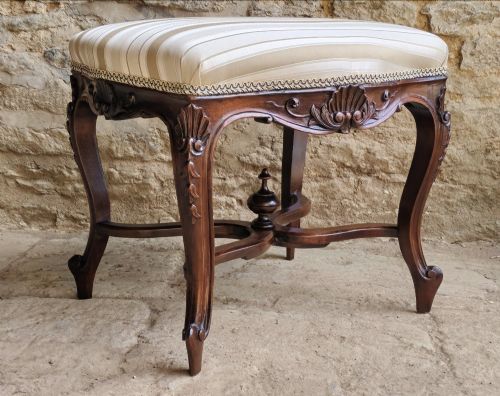
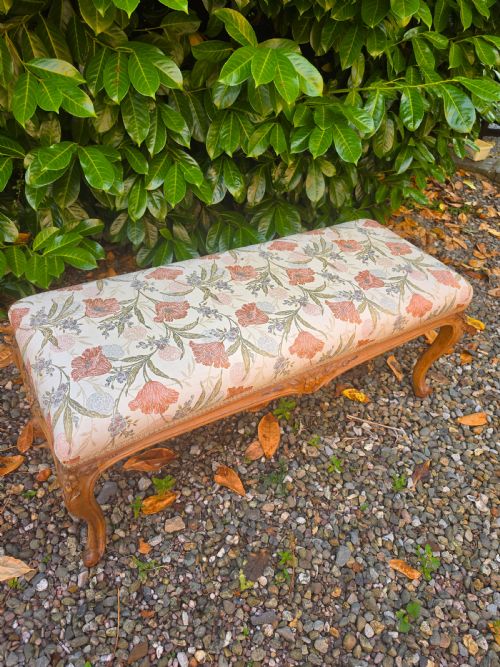


French Rococo Stool Bench
These French rococo stool bench pieces combine flamboyant carved woodwork with low upholstered seats, bringing opulent Continental flair to any room.
French Rococo Stool Bench
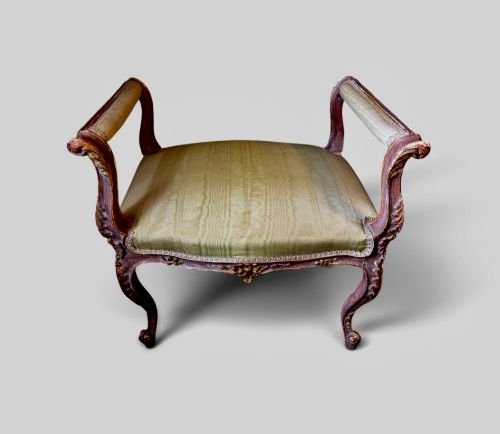
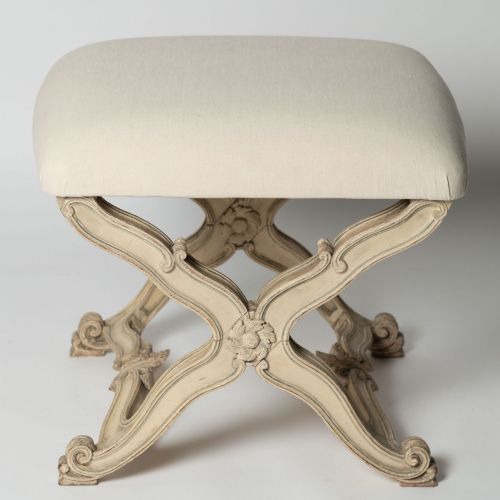
A french rococo stool bench brings together ornate carved frames and upholstered seating designed for salons, drawing rooms, and bedrooms. The items found here span compact footstools, long window seats, and generous salon benches made across the nineteenth and early twentieth centuries.
The aesthetic relies heavily on revival movements, drawing from Louis XV styles and Continental rococo traditions. Buyers encounter pieces categorised under various labels including French provincial, baroque, and Victorian interpretations of classic French seating forms.
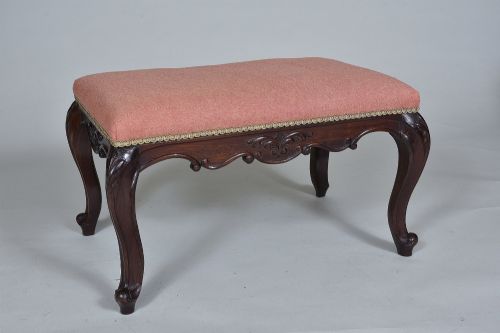
Most examples feature distinct low profiles intended for resting feet or casual seating near windows and dressing tables. Long benches and window seats also double as low coffee tables in contemporary interior schemes.
How they were made
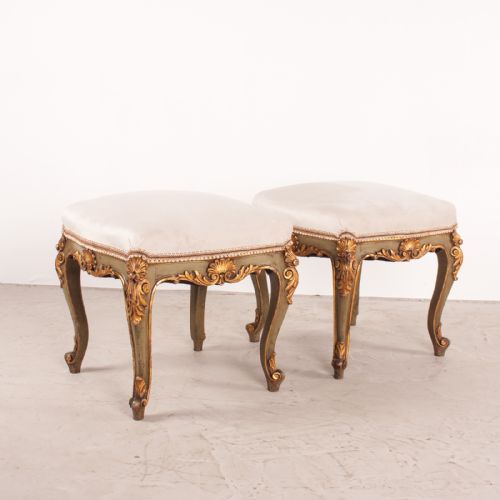
Frames are constructed from solid timbers such as walnut, mahogany, and lesser woods that receive paint, giltwood, or parcel gilt finishes. Artisans shaped these structures by hand, employing traditional joinery to support heavy carving work.
Carving forms the primary decorative vocabulary, featuring asymmetric curves, foliage, and scrolling motifs native to the rococo idiom. Upholstery materials range from plain linen and modern fabric to traditional textiles stretched over sprung or stuffed foundations.
Materials recorded across the selection include giltwood, painted wood, mahogany, walnut, linen, and diverse decorative textiles.
What varies in quality
The crispness of the hand carving dictates much of the visual merit, separating fluid, deeply undercut woodwork from softer, more mechanical shaping. Superior examples display meticulous attention to detail in the execution of foliage, scrolls, and cabriole legs.
Original surface treatments also define the hierarchy, with genuine period gilding or undisturbed paint finishes holding greater appeal than later re-decorations. The integrity of the underlying timber frame and the quality of the joinery complete the measure of distinction.
The French Rococo Stool Bench Glossary
- Cabriole leg
- A furniture leg that curves outward and then tapers inward, mimicking an animal's leg. This form is a defining characteristic of rococo and Louis XV revival design.
- Window seat
- A long, narrow bench designed specifically to fit within the recess of a window. These pieces often incorporate upholstered tops and carved frames.
- Parcel gilt
- A decorative technique where only specific raised portions of a carved wooden surface are gilded, leaving the painted or natural wood visible elsewhere.
- Rococo revival
- A nineteenth-century artistic movement that resurrected the ornate, asymmetric scrollwork and natural motifs of the eighteenth-century French court.
French Rococo Stool Bench: Frequently Asked Questions
Where should I place a long stool bench?
These long benches sit comfortably at the end of a bed, beneath a window, or arranged in a formal salon setting. Their low profile also allows them to function as improvised coffee tables.
Positioning them away from direct sunlight protects delicate giltwood finishes and fragile upholstery textiles from fading over time.
How do I identify a revival piece?
Nineteenth-century revival items often blend rococo curves with Victorian or Continental manufacturing techniques and denser secondary timbers. Examining the tool marks and the composition of the frame helps distinguish nineteenth-century production from earlier work.
Stylistic cues, such as heavy walnut frames or giltwood finishes combined with Victorian upholstery methods, usually point directly to the later revival periods.
Are these benches comfortable for daily sitting?
Most antique examples serve primarily as decorative accents, footstools, or occasional perches rather than deep lounge seating. The firm padding and low height reflect the formal posture required in historic drawing rooms.
Replacing or supplementing the internal padding can improve comfort if you intend to use the bench for prolonged daily seating.
What is the difference between French and Italian versions?
French examples often adhere strictly to courtly rococo or provincial Louis XV design idioms, prioritising elegance and balanced asymmetry. Italian interpretations tend to feature bolder, heavier carving influenced by regional baroque traditions.
Comparing the curvature of the cabriole legs and the density of the floral motifs helps reveal the geographic origin of the workshop.