

French Rococo Ormolu
French rococo ormolu brings together exuberant 19th-century gilt bronze mounts and ornate furniture forms designed to catch the candlelight.
French Rococo Ormolu
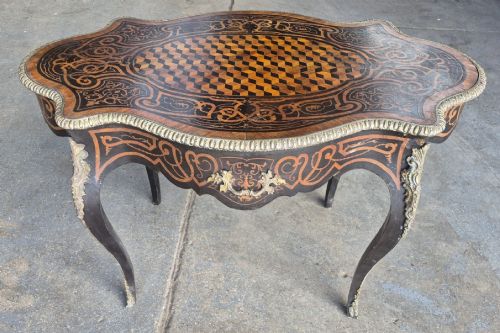
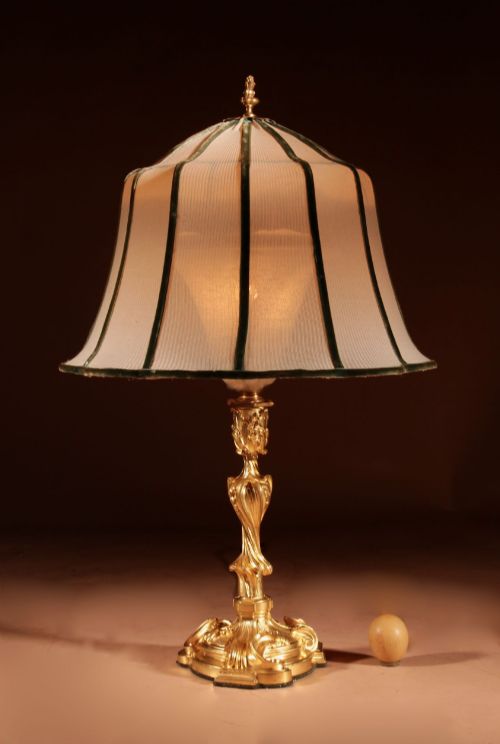
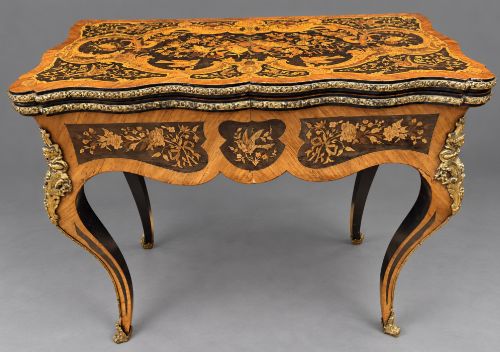
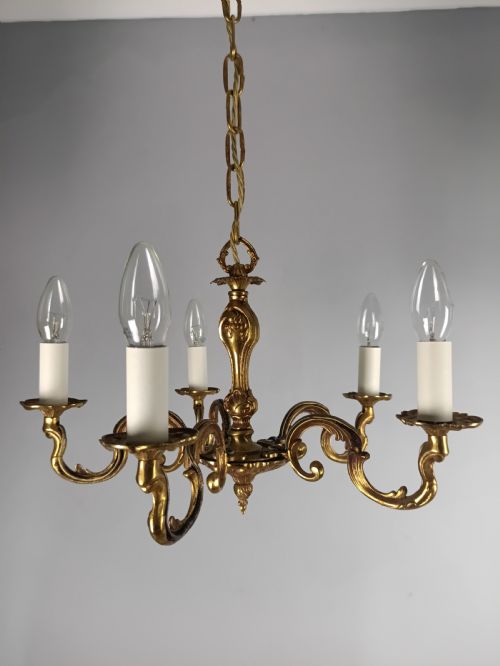
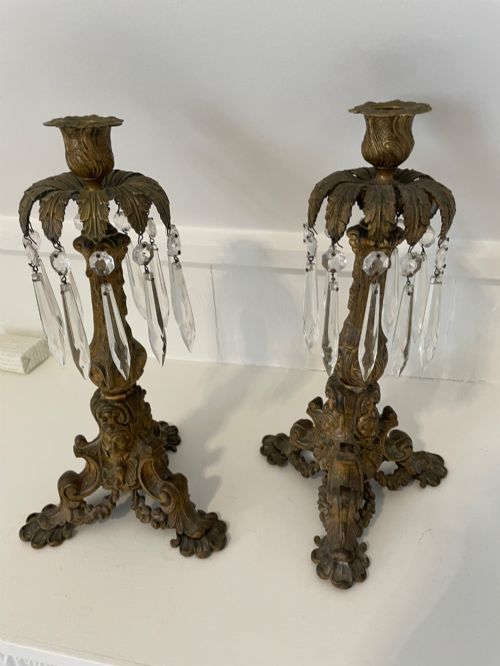
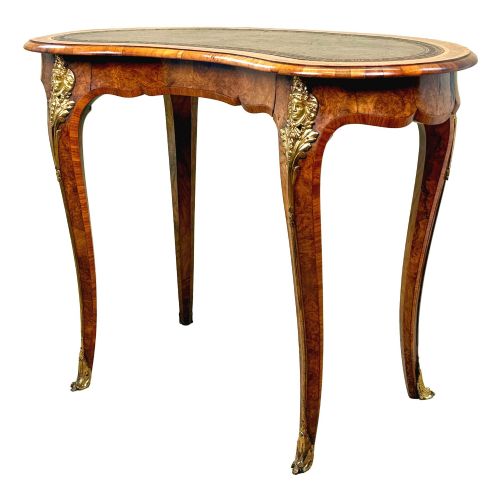
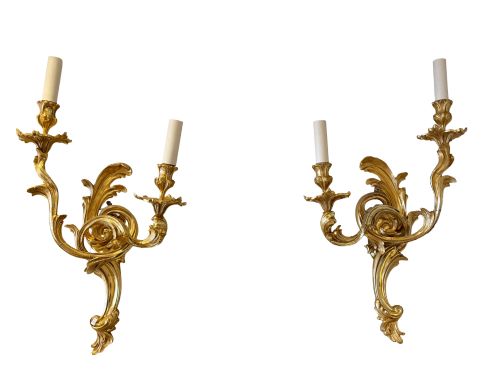
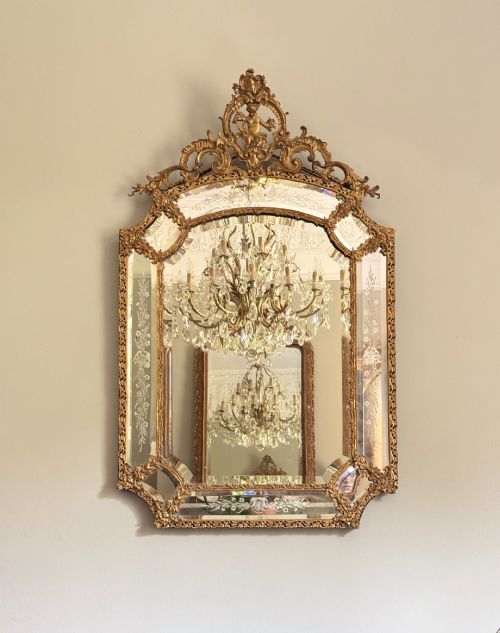
When you search for french rococo ormolu, you encounter elaborate furnishings and decorative objects dating mainly from the nineteenth century. These items include heavy gilt bronze wall lights, crystal chandeliers, and kingwood or walnut furniture embellished with ornamental mounts.
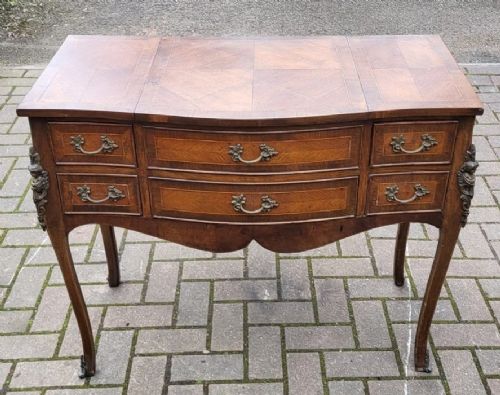
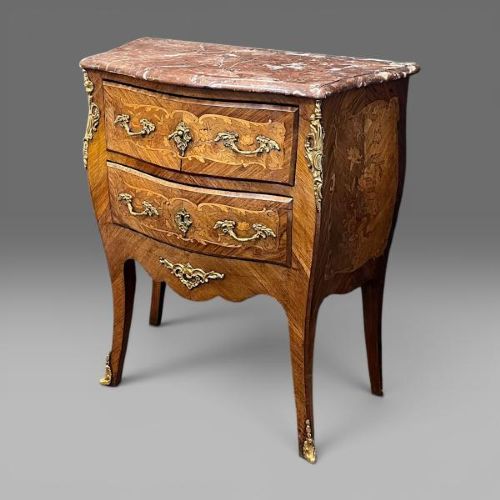
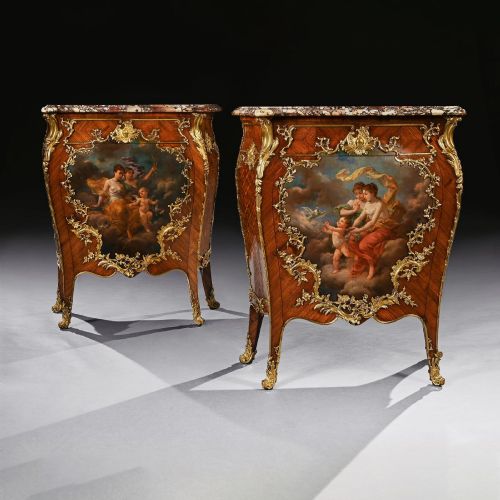
The dominant aesthetic draws heavily on Louis XV revival styles, featuring asymmetrical curves, scrollwork, and natural motifs. Side tables, bombé chests of drawers, and vitrines form the core of the selection available on this page.
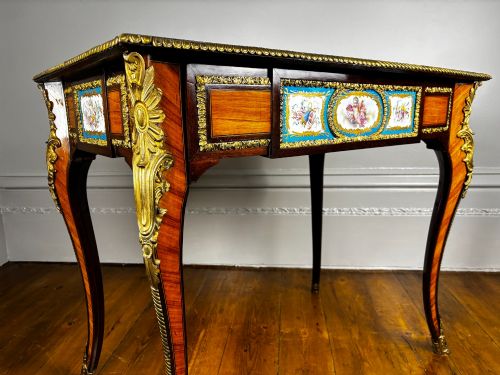
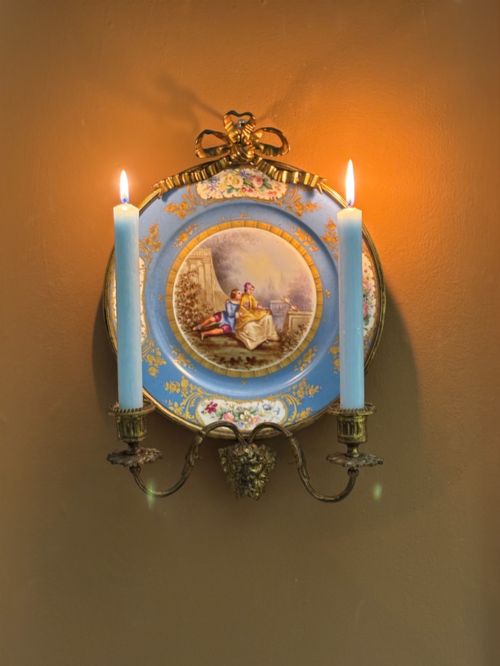
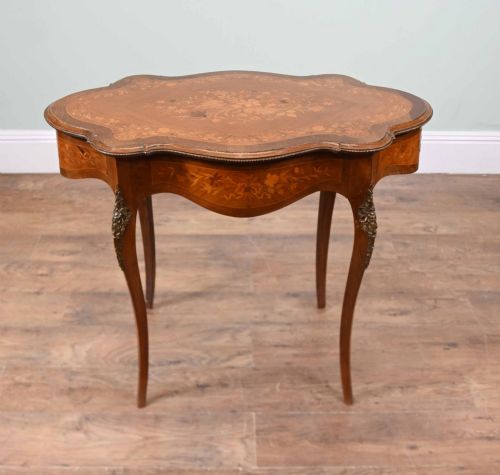
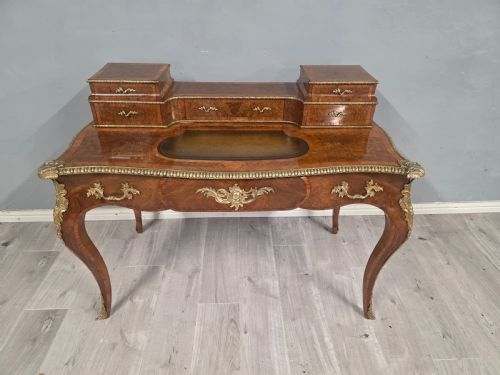
Many examples incorporate contrasting materials such as marble tops, porcelain plaques, or marquetry inlay alongside the characteristic metallic decoration. The pieces range from large freestanding centre tables to smaller decorative items like mantel clocks and jardinières.
How they were made
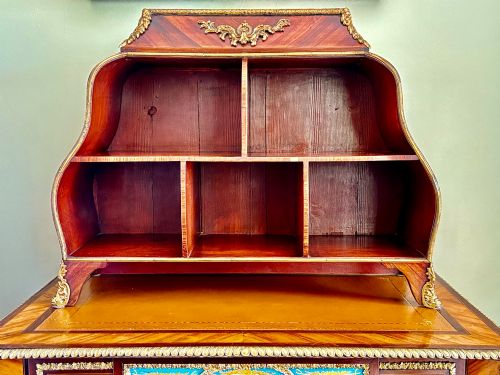
Makers utilised cast bronze finished with a golden ormolu coating, pairing the metalwork with dense hardwoods like kingwood, walnut, and rosewood. Veneers were often arranged in intricate parquetry or marquetry patterns across the surfaces of desks and cabinets.
The bronze mounts were cast and subsequently chased by hand to sharpen the floral and scroll details before being fire-gilded. These metal fittings were then meticulously secured to structural carcases of oak or pine, often topped with shaped marble slabs.
French Rococo Ormolu Retail Price Guide 2026
Typical asking prices for french rococo ormolu among the pieces listed under this phrase on Sellingantiques today, from the lower quarter to the upper quarter. They describe what is for sale here now, not the wider market.
Materials commonly recorded across the inventory include ormolu, gilt bronze, kingwood, walnut, marble, and porcelain.
What varies in quality
The crispness of the bronze chasing dictates the visual success of the metalwork, separating sharply defined acanthus leaves and putti from softer, shallower castings. Heavier gauge bronze and thicker ormolu layers hold their lustre and detail far better over time.
Cabinetwork quality is evident in the precision of the parquetry joints and the depth of the timber figuring on surfaces veneered in kingwood or walnut. The integration of the mounts into the wooden carcase shows whether the bronze was cast specifically to fit the contours of that individual piece.
Maison Millet·Francois Linke·Poix Blin
The French Rococo Ormolu Glossary
- Ormolu
- Gilt bronze produced by applying a mercury and gold amalgam to cast bronze and heating it to drive off the mercury. This technique creates a durable, warm golden finish characteristic of the period.
- Bombe
- A bulging, outward-curving furniture shape popular in commodes and chests. The contour swells outward towards the base before tapering to the feet.
- Marquetry
- Decorative veneer work forming pictures or geometric patterns using various coloured woods. Craftsmen cut thin pieces of timber and fit them together before applying them to the furniture carcase.
- Vitrine
- A glass-fronted display cabinet designed for porcelain and small objects. These pieces often feature extensive ormolu mounts framing the glass panels and glazed sides.
French Rococo Ormolu: Frequently Asked Questions
What is french rococo ormolu?
French rococo ormolu refers to decorative gilt bronze furnishings and mounts inspired by the 18th-century Louis XV style, predominantly manufactured during the 19th century.
These objects combine cast metal ornamentation with rich timber carcases, marble tops, and porcelain elements.
How do I clean ormolu mounts?
Ormolu requires gentle dusting with a soft, dry brush to prevent dirt from accumulating in the recessed chased areas.
Harsh metal cleaners must be avoided because they strip away the historic golden surface layer permanently.
Are these pieces from the eighteenth century?
Most pieces associated with this style date from the 19th century, particularly the revival periods between 1850 and 1900.
Craftsmen of this era looked back to earlier French royal designs, using similar bronze casting and marquetry techniques.
Where should I place a vitrine?
A vitrine or display cabinet looks best against a solid wall away from direct sunlight to protect interior timber and displayed porcelain.
Because these cabinets are freestanding and finished on the front and sides, they require space to be appreciated from multiple angles.