





French Rococo Low Table
These french rococo low table pieces bring fluid curves and ornate surface work into a room, offering a distinct centrepiece for modern living spaces.
French Rococo Low Table
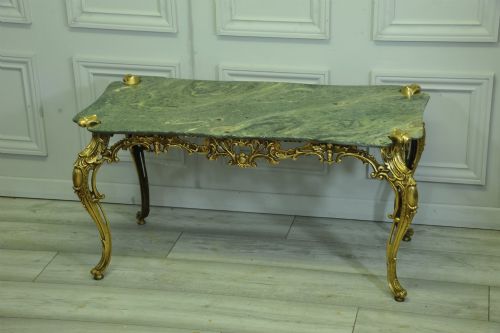
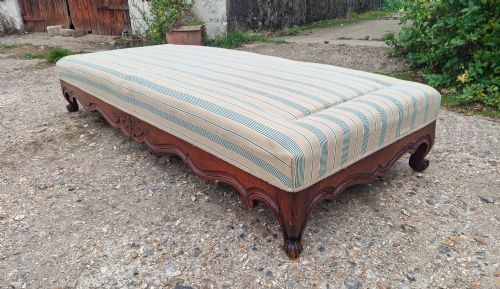
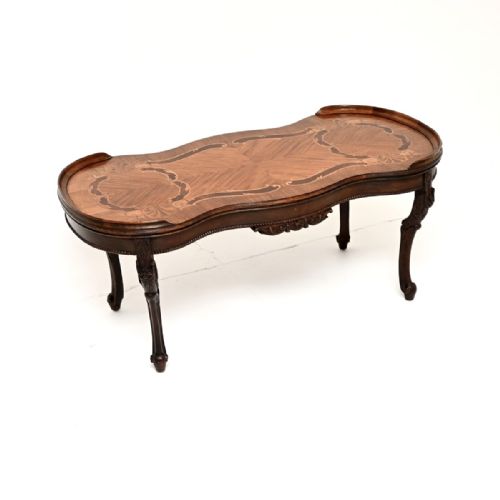
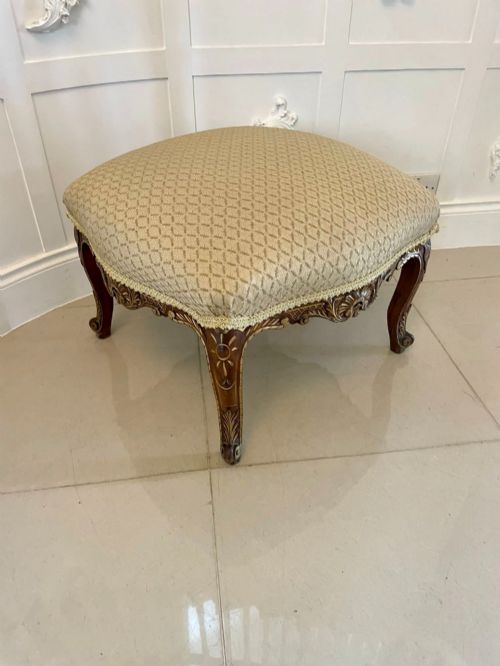
When you search for a french rococo low table, you encounter a selection spanning the Victorian era through to the early decades of the twentieth century. These pieces predominantly take the form of coffee tables, occasional tables, and adapted stools or window seats.
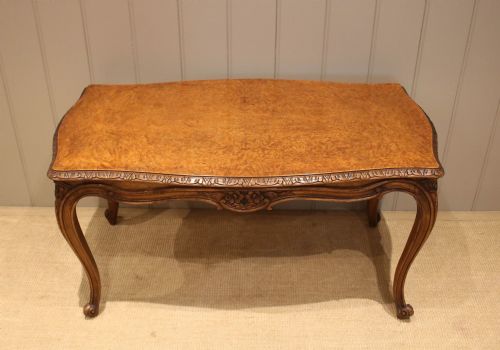
The aesthetic draws heavily on Louis XV revival styles and French Régence influences, showcasing characteristic serpentine lines and low proportions. Walnut, mahogany, and painted wood provide the foundations for these decorative surfaces.
Materials and construction
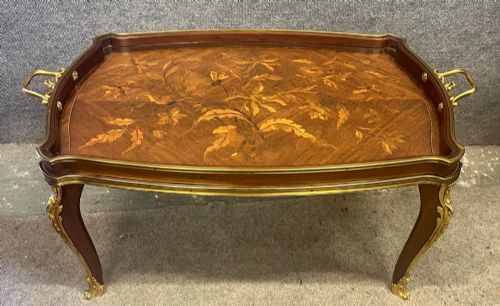
The construction relies on timber frames embellished with intricate parquetry and marquetry in woods such as kingwood and satinwood. Ormolu mounts and brass details frequently accent the structure, adding metallic warmth to the timber.
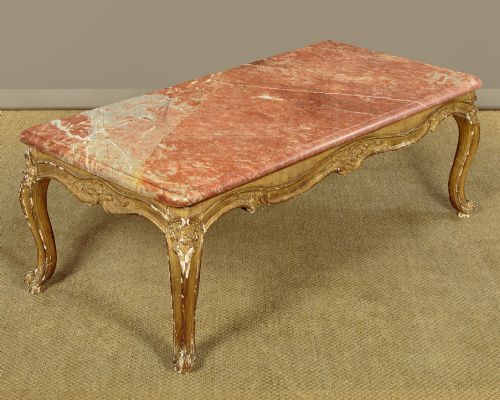
Marble tops appear alongside glazed or fabric-inset surfaces, while giltwood finishes provide an ornate sheen. Carved walnut and black lacquer further demonstrate the varied techniques used to achieve the characteristic revival look.
French Rococo Low Table Retail Price Guide 2026
Typical asking prices for french rococo low table among the pieces listed under this phrase on Sellingantiques today, from the lower quarter to the upper quarter. They describe what is for sale here now, not the wider market.
Some items started life as window seats before finding a second career holding coffee cups.
Assessing the work
Quality rests in the precision of the marquetry inlay and the crispness of the carved details on the timber. Superior examples exhibit harmonious proportions between the low frame and the decorative surface.
The refinement of the ormolu mounts and the depth of the giltwood finish distinguish finer specimens from simpler utilitarian adaptations.
The French Rococo Low Table Glossary
- Marquetry
- Decorative veneer work arranged in pictorial patterns on the surface of the timber. This technique utilises contrasting wood grains to create detailed floral or geometric designs.
- Ormolu
- Gilt bronze mounts applied to furniture for ornamentation. The technique involves a mercury amalgam applied to brass or bronze.
- Parquetry
- Geometric wood inlay forming repetitive patterns across a tabletop. It creates a structured contrast to the fluid curves of the frame.
- Giltwood
- Timber coated with gold leaf or gold paint to give a metallic surface. This finish accentuates carved details on revival frames.
- Cabriole leg
- A furniture leg that curves outward and then tapers inward, ending in a pad or scroll foot. It forms a defining feature of the revival style.
French Rococo Low Table: Frequently Asked Questions
How were these tables used?
Originally utilised as occasional tables or coffee surfaces, some examples began life as stools or window seats before conversion. They served to hold decorative objects, books, or drinks in formal reception rooms.
Today, their primary function remains centred around domestic entertaining and display. Their low stature complements contemporary upholstery arrangements.
How do I live with one?
Integrating these pieces into a room requires balancing their ornate decoration with surrounding furnishings. Placing them centrally allows the carved details and inlaid tops to catch the light.
Care involves protecting vulnerable surfaces like polished wood, marble, and gilt finishes from moisture and heavy impact. Regular dusting keeps the intricate marquetry and ormolu mounts clear of debris.
How do I tell periods apart?
Distinguishing between Victorian interpretations and later twentieth-century revival pieces involves examining the timber preparation and mounting techniques. Earlier items often display heavier carving and distinct patination on the wood.
Later revival works from the early decades of the twentieth century may show cleaner veneer work and machine-assisted joinery. Comparing the specific style markers, such as Régence versus Louis XV influences, aids in dating.