
French Rococo Gilt Frame
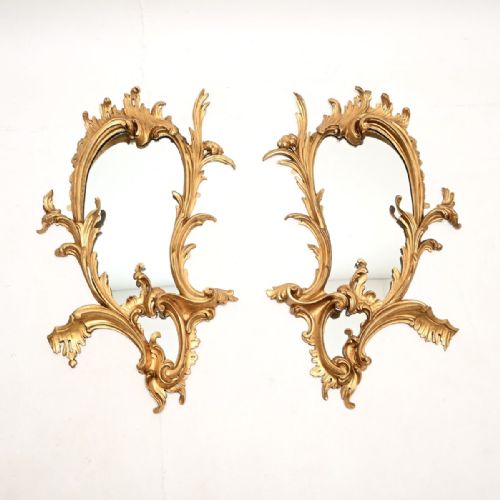
These pieces of French rococo gilt frame bring extravagant asymmetry and shimmering gold into a room, drawing the eye instantly.
French Rococo Gilt Frame
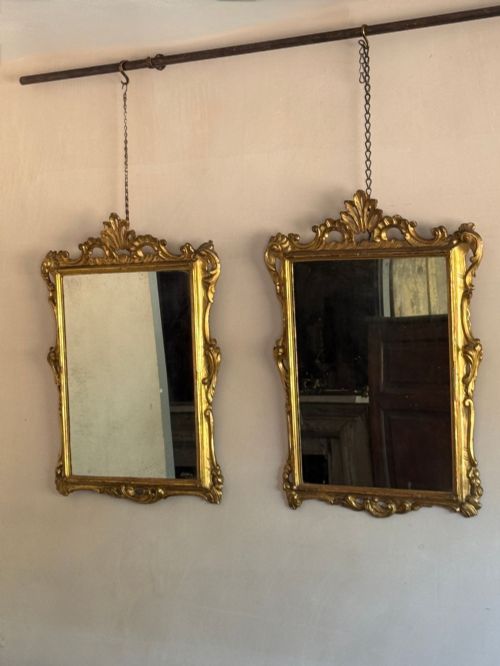
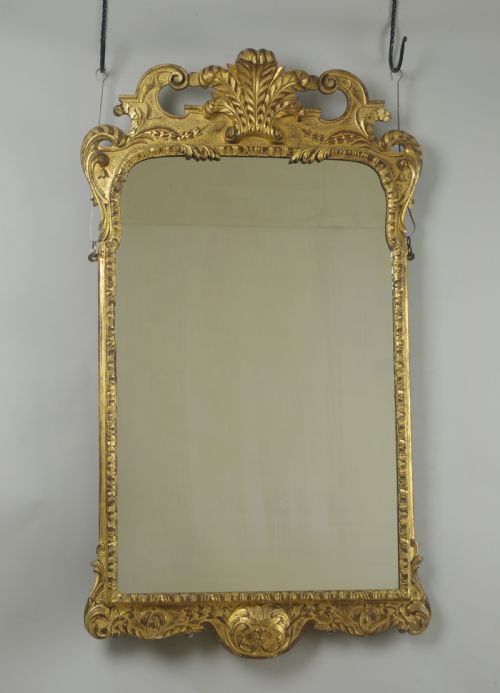
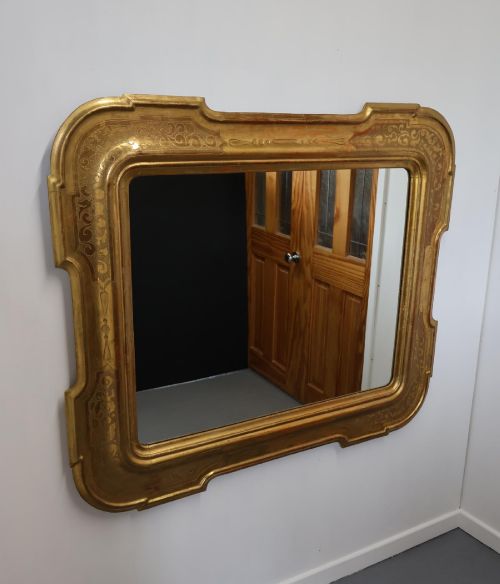
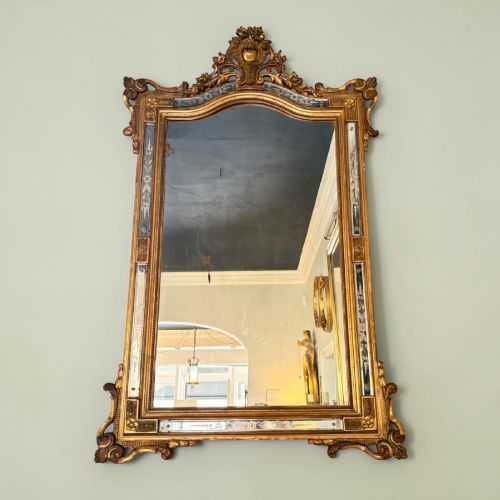
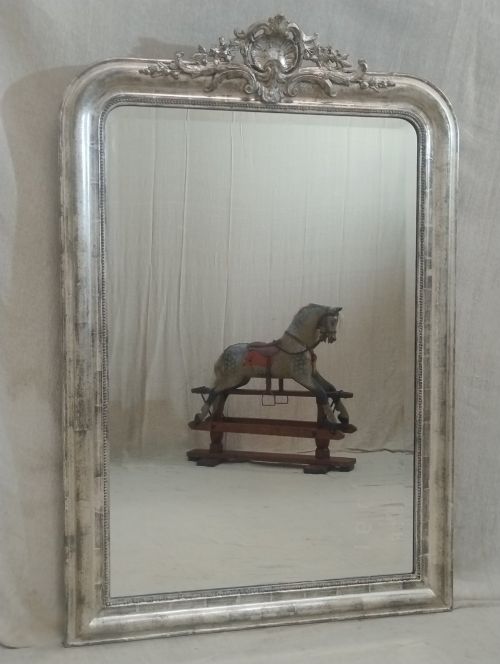
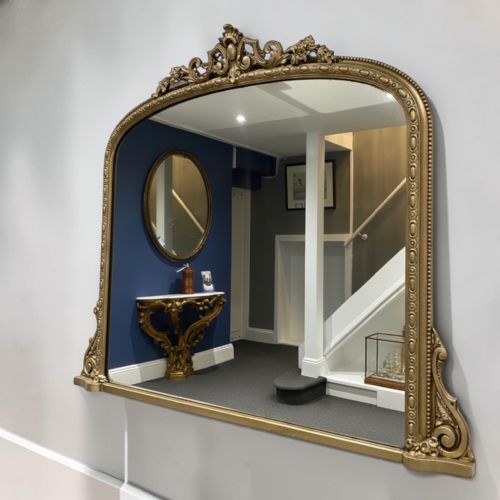
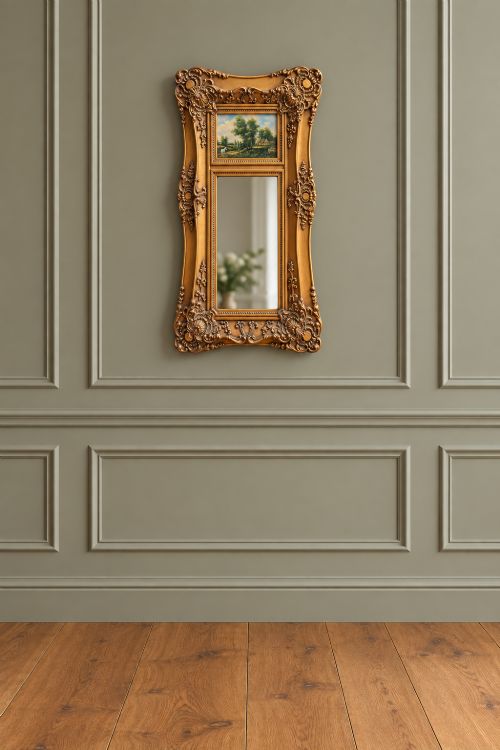
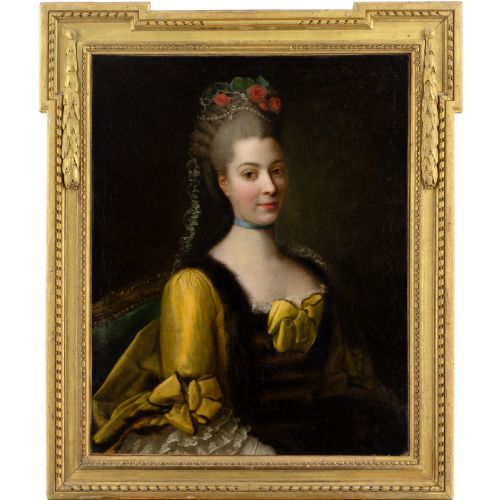
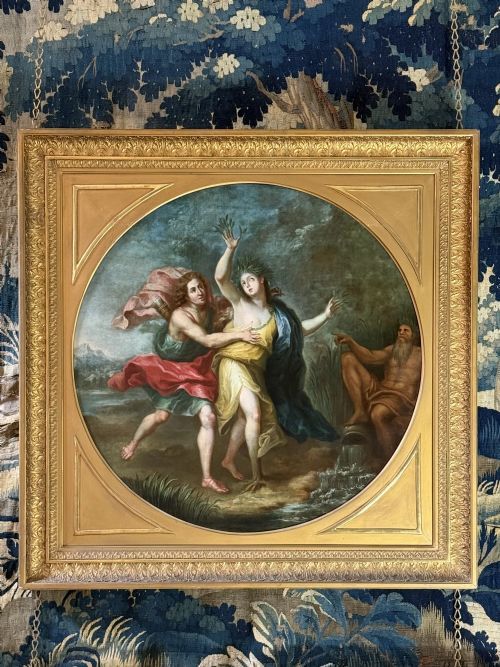
When searching for a french rococo gilt frame, a buyer encounters wall mirrors, overmantel mirrors, picture frames and trumeau mirrors spanning the eighteenth and nineteenth centuries. These objects display the curves, C-scrolls and naturalistic motifs characteristic of the rococo style and its later revivals.
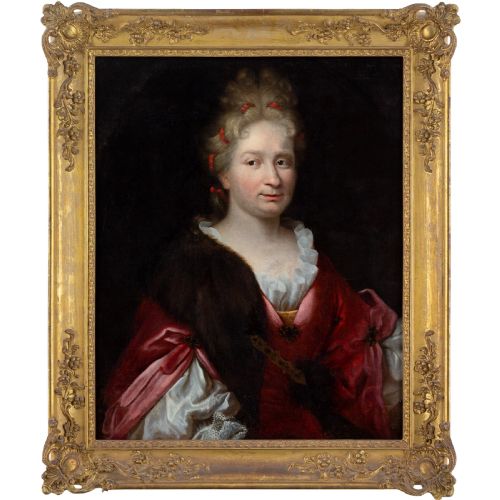
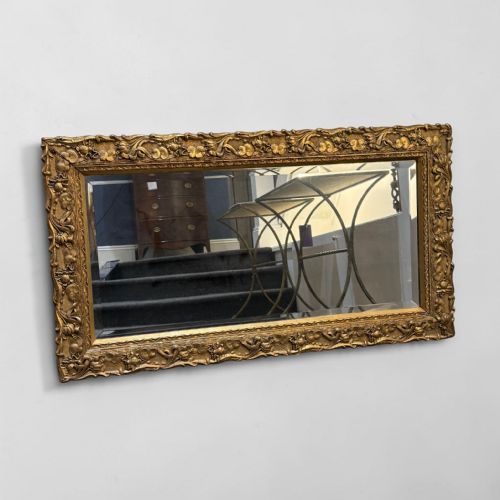
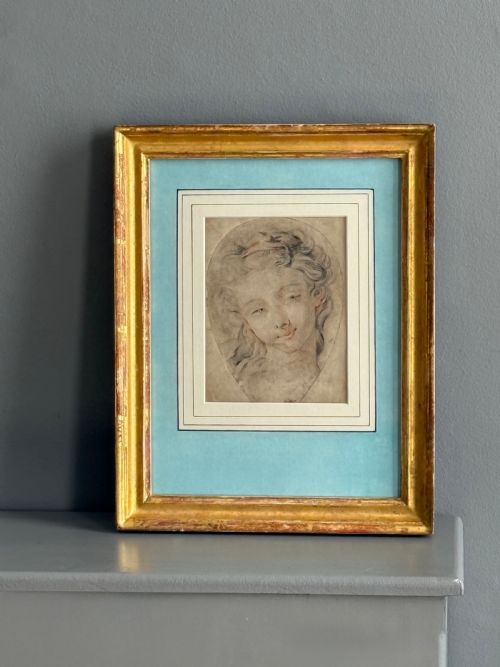
The versions most frequently met on this page are nineteenth-century French and English wall mirrors and overmantel mirrors fashioned in giltwood and gesso. Alongside these, one finds occasional eighteenth-century originals alongside painted panels and engravings set within ornate gilded surrounds.
How they were made
Wood serves as the foundational substrate for these frames, often carved deeply from timber or built up with moulded gesso to achieve elaborate sculptural relief. Artisans applied gold leaf or silver-gilt onto the prepared surfaces, sometimes burnishing the metal to create contrasting reflective finishes.
Mirrors utilise glass plates, including antique mercury glass and bevelled edges, secured behind frames that occasionally incorporate oil paintings or silk elements.
Listings feature periods from the eighteenth century through the 1920s, with a strong concentration of nineteenth-century French and English pieces.
What varies in quality
The depth and fluidity of the carving dictate the visual impact of the piece, separating mechanical repetition from hand-modelled organic movement. Crisp relief work in the gesso and wood reveals the hand of a skilled artisan rather than a hurried production.
The application and preservation of the gold leaf determine the warmth of the surface, with genuine leaf weathering differently over centuries compared to later metallic paints.
Charles Antoine Coypel·Maurice Quentin de la Tour·Francois Boucher·Jean Baptiste Greuze·Jean Baptiste van Loo
The French Rococo Gilt Frame Glossary
- Giltwood
- Wood that has been coated with gold leaf or gold paint. This finish provides a warm, reflective surface characteristic of formal antique frames.
- Gesso
- A plaster-like mixture applied to wood frames to create a smooth surface for carving and gilding. It allows for intricate moulded details and deep relief work.
- Trumeau
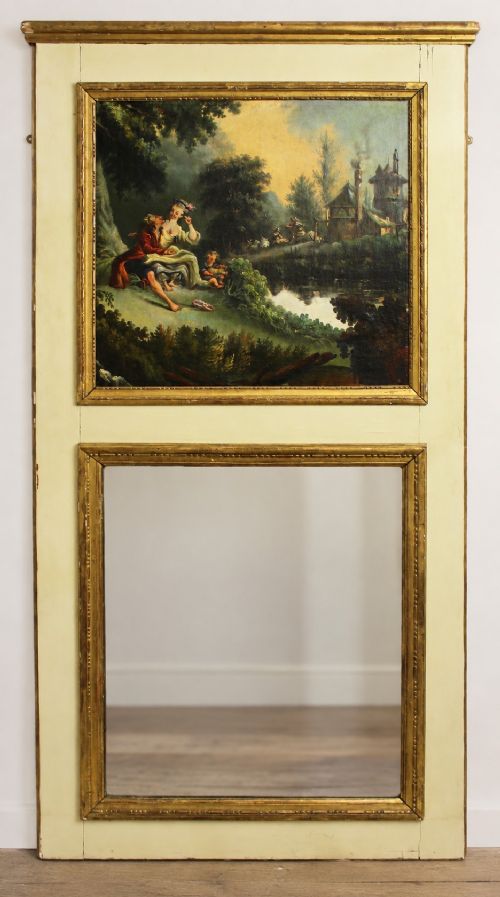
- A decorative wall mirror featuring an oil painting or panel set above the glass plate. These architectural panels often incorporate pastoral scenes.
- Mercury glass
- An early type of silvered glass produced by coating the inner walls of double-walled glass with a liquid mercury amalgam. It creates a speckled, atmospheric reflection.
- Overmantel mirror
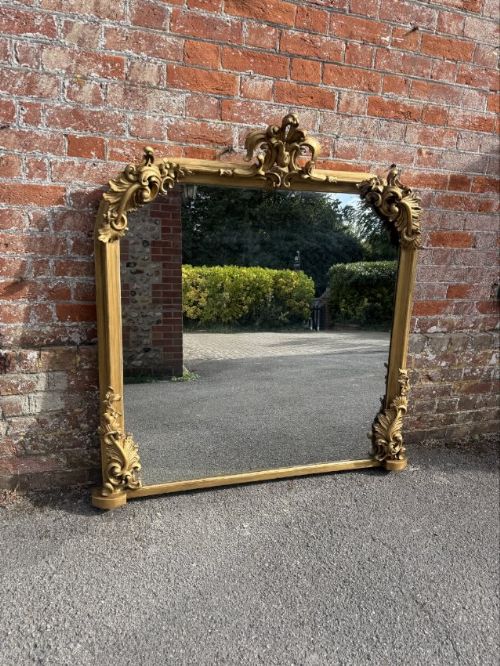
- A large mirror designed to hang directly above a fireplace mantelpiece. These substantial pieces frequently anchor the decor of a formal room.
French Rococo Gilt Frame: Frequently Asked Questions
How do I date a gilt frame?
Dating relies on examining the construction methods of the wood, the composition of the gesso, and the style of the carving. Eighteenth-century pieces typically display hand-carved nuances that differ from later nineteenth-century revivals.
Material analysis of the mirror plate, such as the presence of mercury glass or later bevels, also helps establish the era of creation.
What is a trumeau mirror?
A trumeau mirror combines a looking glass with a decorative painted panel or engraving set into the upper section of the frame. These architectural elements originated in eighteenth-century interior design.
They were designed to fit specific wall spaces between windows or above mantelpieces, often featuring pastoral or marine oil paintings.
How were overmantel mirrors used?
Overmantel mirrors were hung above fireplaces to reflect candlelight and daylight around formal rooms. Their large proportions helped visually expand the interior space.
They served as a primary decorative focal point on chimney breasts in period drawing rooms and parlours.
Are these frames made of solid wood?
Most frames combine a solid timber base structure with applied layers of gesso to build up the intricate sculptural ornamentation. Artisans carved the rococo scrolls and floral motifs directly into this gesso and wood composite.
Pine, oak, and walnut frequently form the underlying framework beneath the gilded surface.