




French Rococo Fire Guard
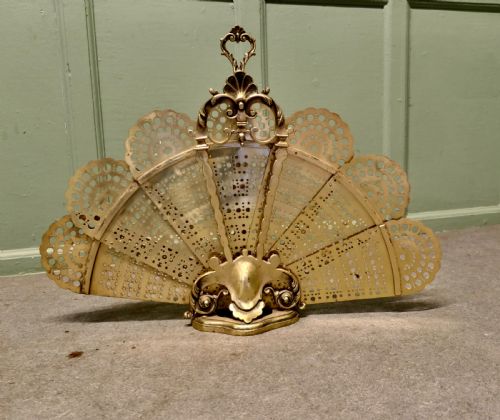
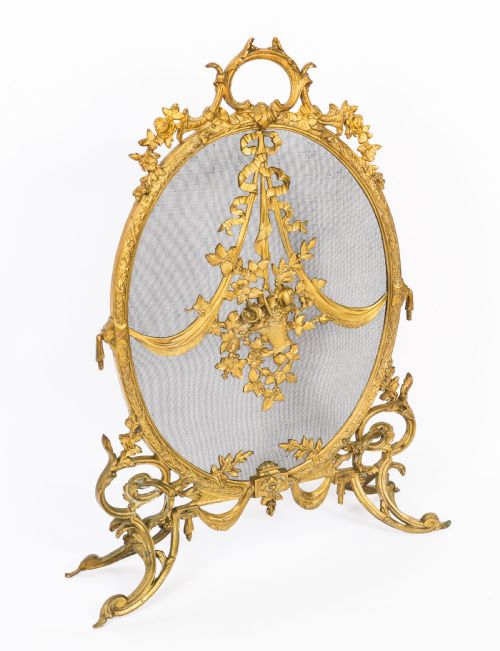
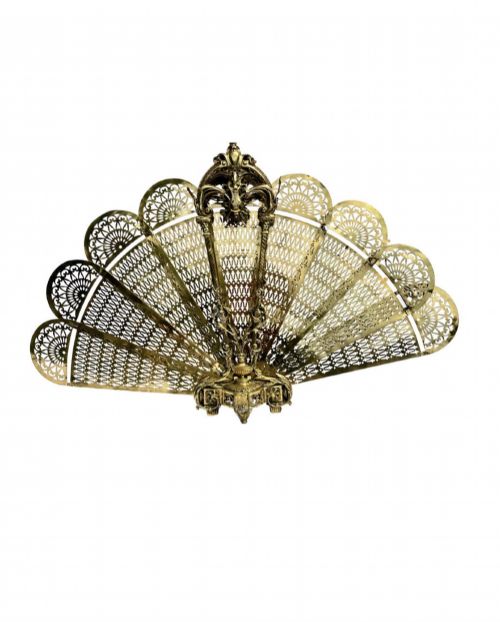
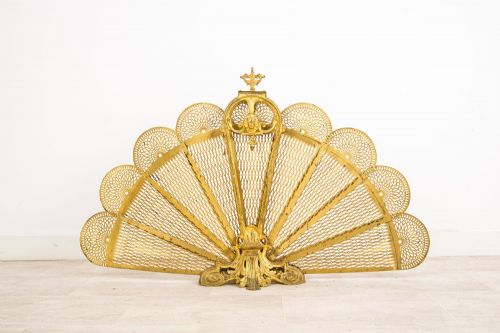
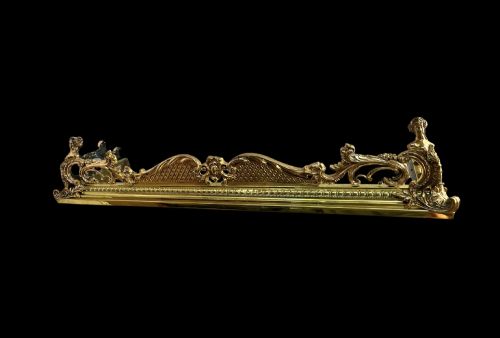
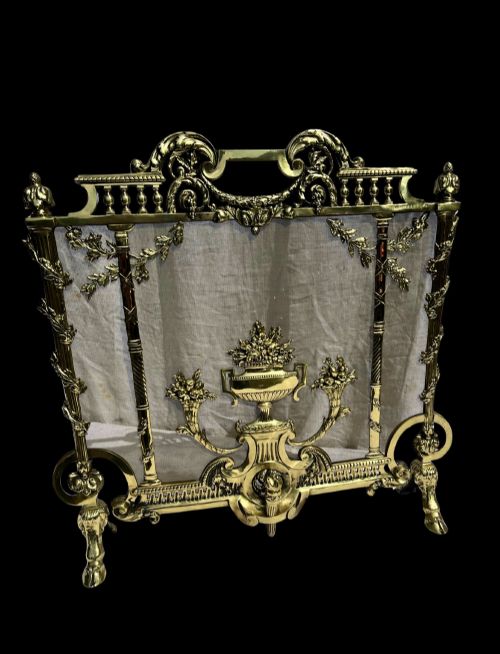
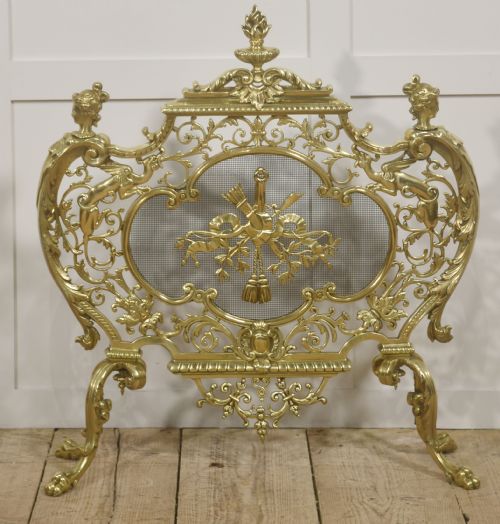
These French rococo fire guard pieces bring elaborate scrolling metalwork and folding mesh panels to period hearths.
French Rococo Fire Guard
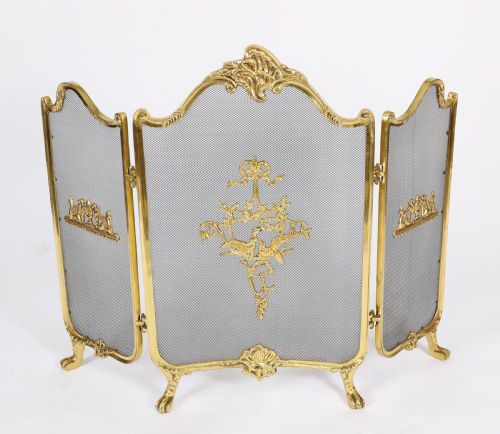
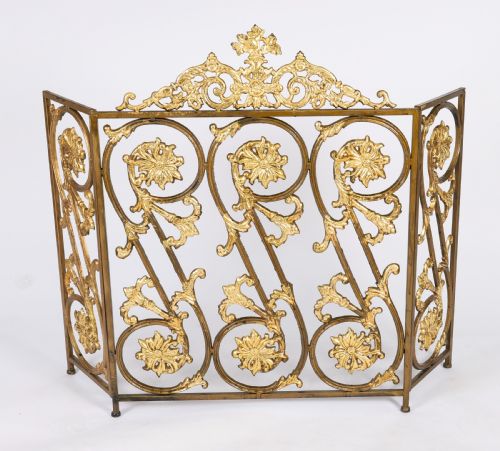
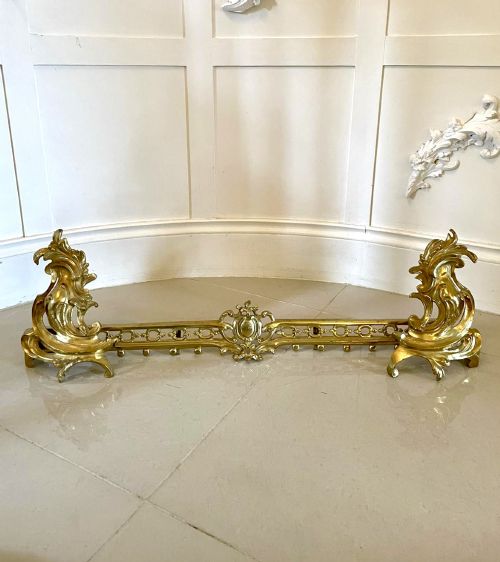
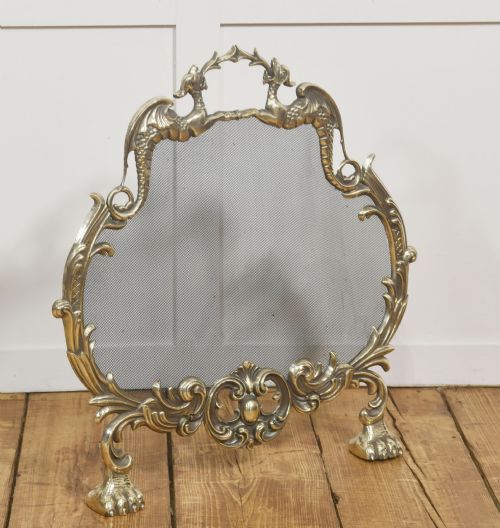
A French rococo fire guard combines decorative metal framing with protective mesh to shield a room from hearth sparks. When searching this phrase, buyers encounter various folding spark screens, peacock fans, and adjustable fireplace fenders originating from the nineteenth century.
The objects take the form of freestanding screens and expandable fenders designed to sit before an active fireplace. Most examples date from the nineteenth century, reflecting the revival of Louis styles during the Victorian era.
Makers produced these accessories in distinct configurations, ranging from solid brass frames with intricate pierced decoration to elaborate gilt bronze peacock tails that expand outwards.
Materials and construction methods
Craftsmen utilised brass, cast brass, and bronze as the primary structural metals for frames and fenders. Many pieces received a fine gilt finish, ormolu, or fire gilding to enhance the decorative surface.
Fine wire mesh or articulated metal panels formed the protective barrier of the spark screens. Artisans cast intricate rococo scrollwork and floral motifs separately before assembling the components into freestanding hearth furniture.
The listings demonstrate a strong preference for nineteenth-century manufacturing dates, spanning the Victorian period up to nineteen ten.
Distinguishing quality across the range
Quality rests upon the crispness of the cast ornamentation and the weight of the metal used in the frame. Superior examples display deeply chased gilt bronze or ormolu mounts rather than simple stamped sheet brass.
The integrity of the folding mechanism and the tightness of the wire mesh distinguish finer pieces from standard utilitarian guards. Heavier gauge brass and solid construction ensure the screen stands stable on the hearth floor.
The French Rococo Fire Guard Glossary
- Ormolu
- Gilded bronze applied to ornamental metalwork and mounts. This technique involves amalgamating gold with mercury onto a bronze base.
- Chenets
- Andirons placed at the sides of a hearth to support firewood. They frequently match the design of the associated fire guard.
- Spark screen
- A protective mesh barrier designed to catch flying embers from an open fire. These often feature folding panels or fan designs.
- Fender
- A low metal guard placed on the floor around a hearth opening. Adjustable versions expand to fit varying fireplace widths.
- Louis XV style
- A decorative design movement characterised by asymmetrical scrolling, curves, and natural motifs. This aesthetic heavily influences nineteenth-century fire screens.
French Rococo Fire Guard: Frequently Asked Questions
How do I use a folding fire screen?
Place the screen directly in front of the fireplace opening when a fire burns. The wings or fan panels adjust to cover the hearth width.
Fold the screen flat against the wall or side when the fireplace is not in use to display the decorative metalwork.
What is the difference between a screen and a fender?
A fire screen stands upright to block radiant heat and flying sparks from entering the room. Screens typically feature mesh panels supported by a decorative frame.
A fender sits low on the floor to contain rolling logs and demarcate the hearth boundary. Some examples combine both functions into an adjustable surround.
How do I clean antique brass and ormolu?
Dust the metal surfaces regularly with a soft, dry cloth to prevent grime accumulation. Avoid harsh chemical polishes that strip original gilt or ormolu finishes.
Consult a specialist conservator if the piece requires deep cleaning or restoration of the delicate wire mesh.
How do I date a nineteenth-century fire guard?
Examine the casting quality, fastening methods, and the style of the scrollwork. Nineteenth-century revival pieces often replicate earlier Louis XV or Louis XIV motifs using nineteenth-century manufacturing techniques.
Look for signs of hand-finishing on the bronze and brass components, which distinguish period items from later reproductions.