





French Rococo Centrepiece
A French rococo centrepiece brings flamboyant asymmetry and sculptural gilt bronze to a dining table or sideboard.
French Rococo Centrepiece
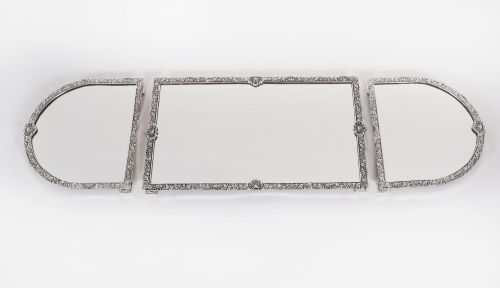
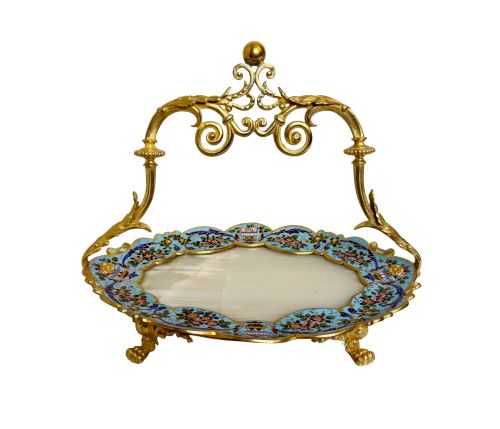
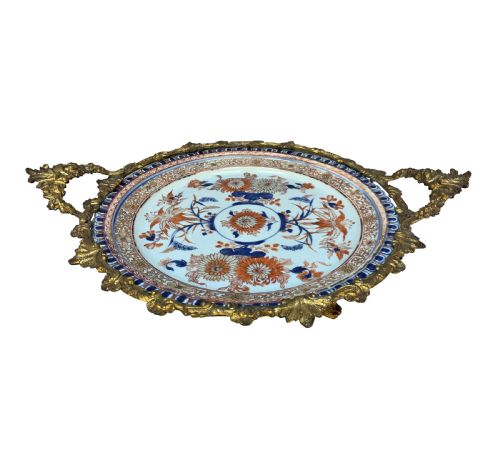
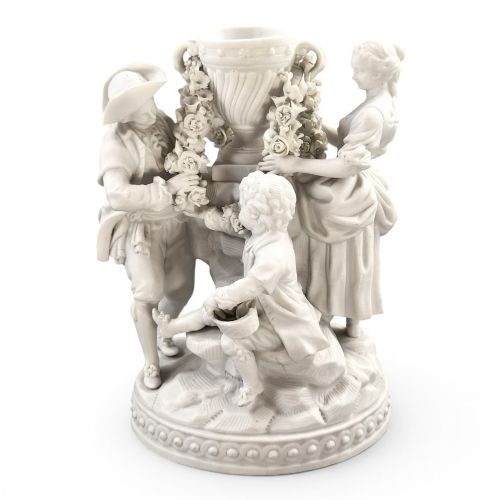
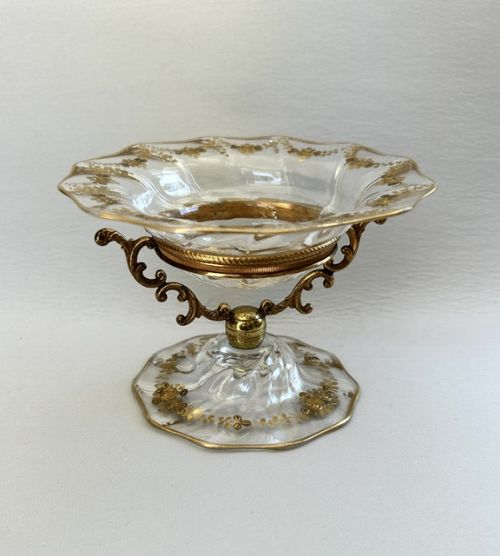
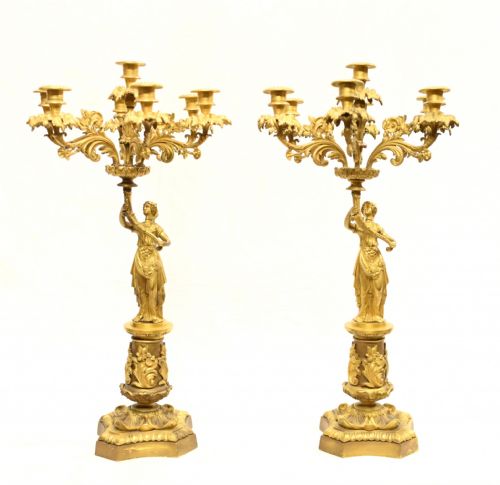
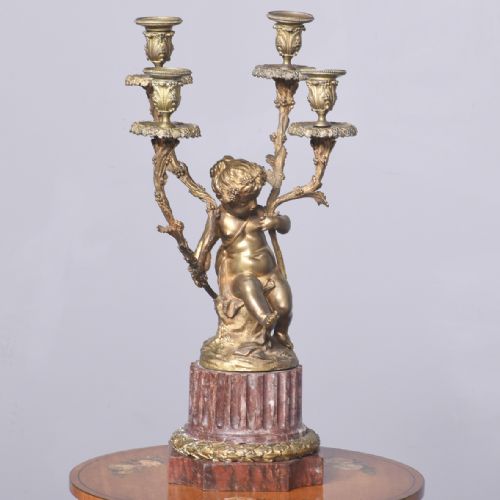
A french rococo centrepiece is an elaborate table decoration designed to command attention in a formal interior. You will encounter these primarily as heavy metal trays, comports, and figural candelabra dating from the nineteenth century.
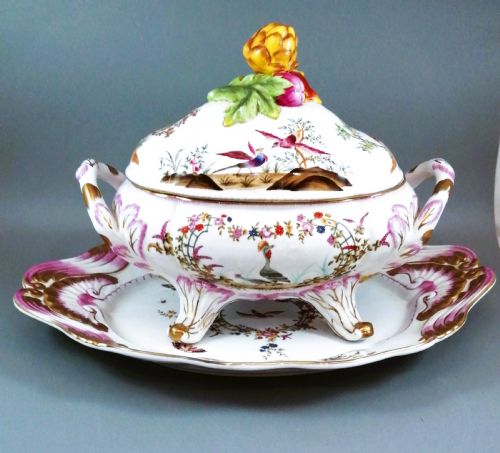
The objects combine cast bronze frames with porcelain bodies, glass, or marble bases. They draw heavily on eighteenth-century design motifs, featuring scrolling foliage and classical figures.
Many items recorded here span the Victorian era and the later nineteenth century, reflecting a sustained European appetite for revivalist luxury. They function as both standalone display pieces and functional vessels for fruit or flowers.
Separating the best from the ordinary
Quality rests upon the crispness of the metal chasing and the weight of the bronze or ormolu armature. Superior examples exhibit deep, tactile relief work where individual feathers, hair strands, and floral petals are sharply defined rather than softened by worn casting moulds.
The integration of materials dictates the status of a piece, such as hand-painted porcelain panels or finely cut crystal bowls fitted precisely into custom-cast metal mounts. Heavier, multi-part constructions with multiple branches or figural groups demand greater technical skill from the foundry.
French Rococo Centrepiece Retail Price Guide 2026
Typical asking prices for french rococo centrepiece among the pieces listed under this phrase on Sellingantiques today, from the lower quarter to the upper quarter. They describe what is for sale here now, not the wider market.
Listings feature items from the eighteenth century up to later twentieth-century studio pieces, dominated by nineteenth-century revival work.
The French Rococo Centrepiece Glossary
- Ormolu
- Gilded bronze produced by applying a mercury-gilding technique to a cast brass or bronze base. This gives the metal a distinctive warm lustre.
- Champleve enamel
- A technique where troughs are dug into a metal surface and filled with vitreous enamel before firing. It frequently decorates nineteenth-century metal trays.
- Comport
- A raised dish or bowl mounted on a stem and foot, used for serving fruit or sweets. They form a significant category of table centrepieces.
- Soft-paste porcelain
- An artificial ceramic body fired at lower temperatures than hard paste, popular in eighteenth-century French manufactories. It possesses a slightly warmer glaze texture.
- Chasing
- The manual tooling of metal with hammers and punches after casting to refine surface details. Fine chasing separates master foundry work from routine production.
French Rococo Centrepiece: Frequently Asked Questions
How are these centrepieces cleaned?
Dusting with a soft, dry brush preserves the delicate gilt surfaces on ormolu and bronze without removing the finish.
Avoid liquid cleaners entirely, as chemical agents can strip the gilding or damage vulnerable porcelain and enamel elements.
Can I use them for dining?
Most of these objects are structurally sturdy enough to hold fruit or floral arrangements during dinner parties.
Take care with heavy porcelain bowls and candelabra arms, ensuring they are placed securely away from table edges.
What defines the rococo style?
The style relies on asymmetrical scrolls, shell motifs, and naturalistic flora rather than rigid classical symmetry.
Figures like putti and cherubs frequently integrate into the swirling bronze armatures.
How do I spot nineteenth-century copies?
Examine the casting quality on the underside or hidden joints for modern machine marks or rough seams.
Nineteenth-century revival pieces still display hand-chased details, whereas cheaper twentieth-century reproductions often appear uniform and flat.