
French Rococo Bronze Mounts
French rococo bronze mounts turn a cabinet or bureau plat into a masterclass of asymmetrical curves and cast gilt enrichment.
French Rococo Bronze Mounts
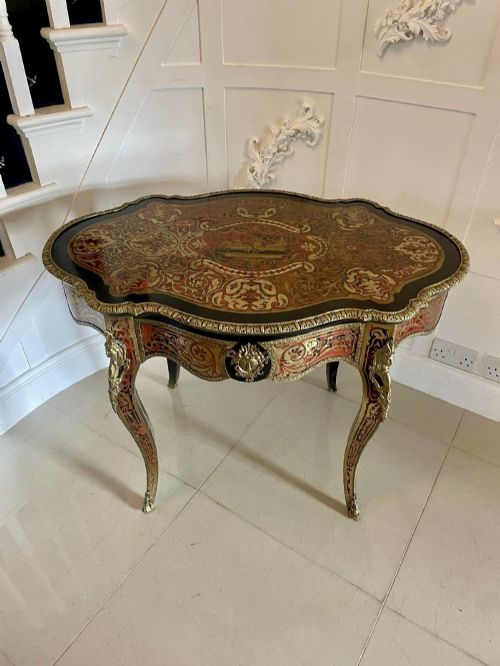
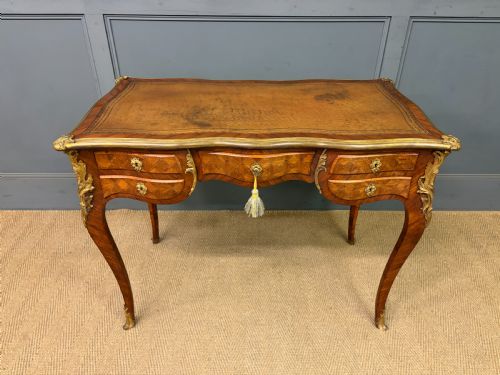
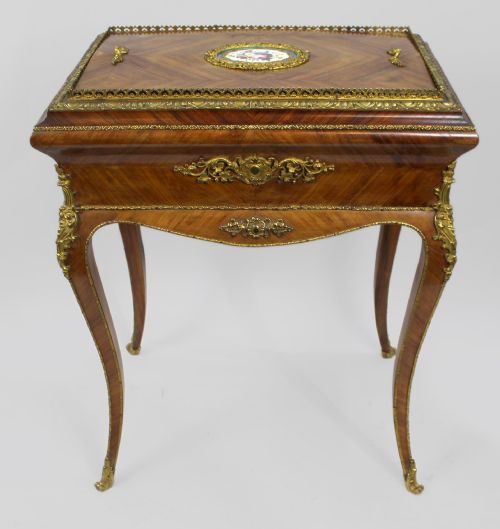
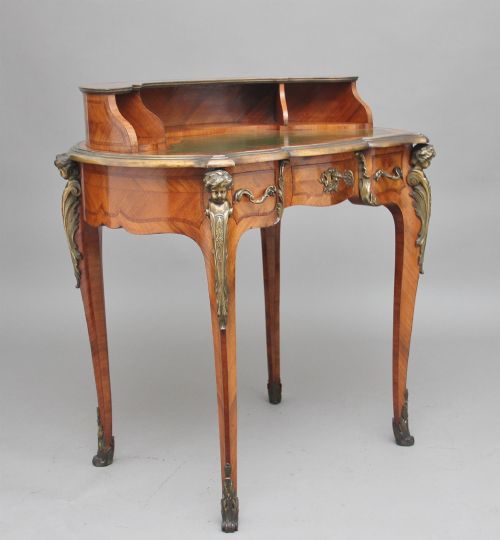
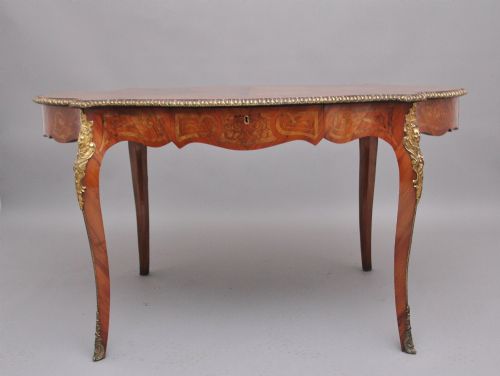
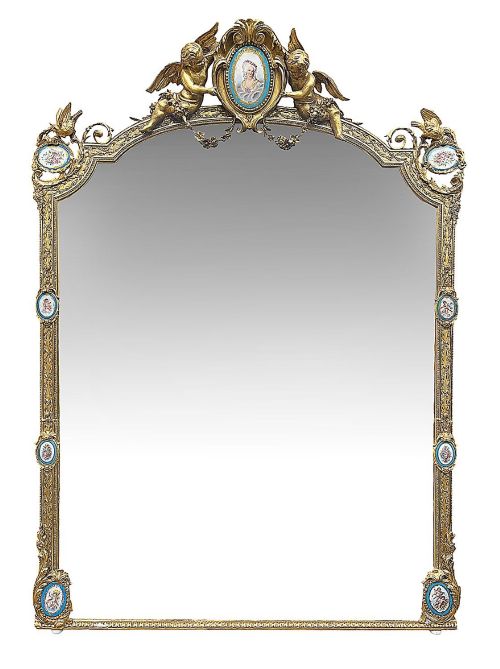
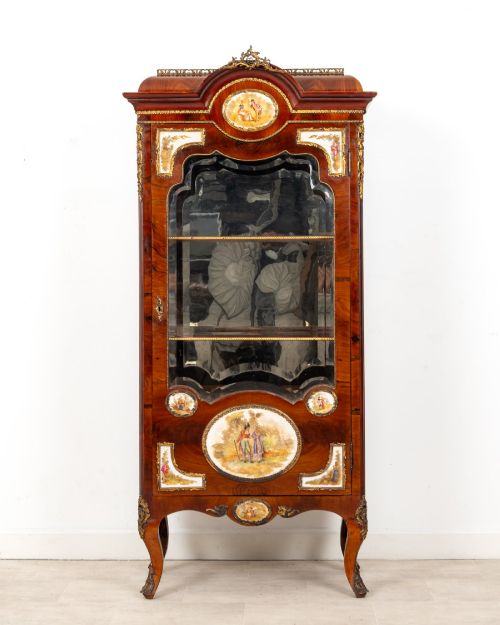
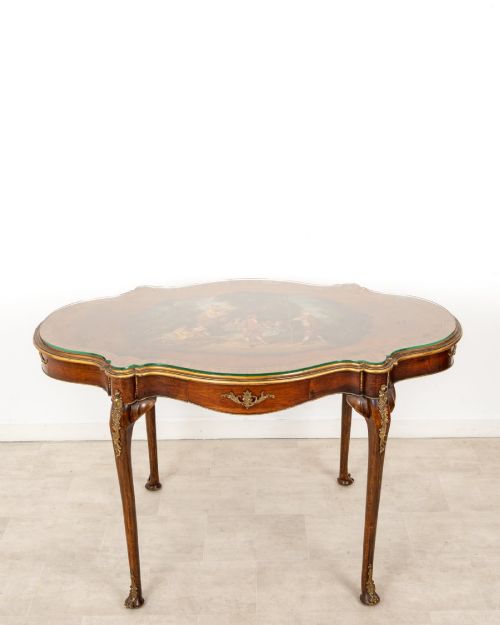
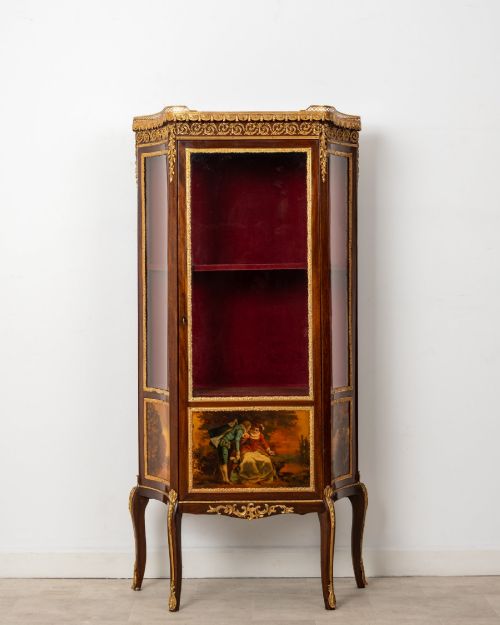
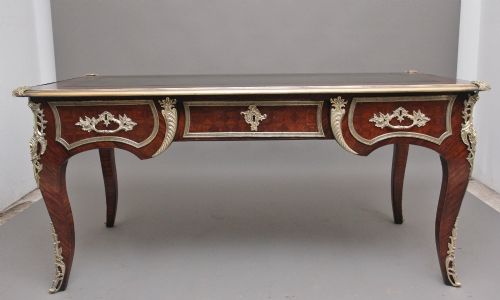
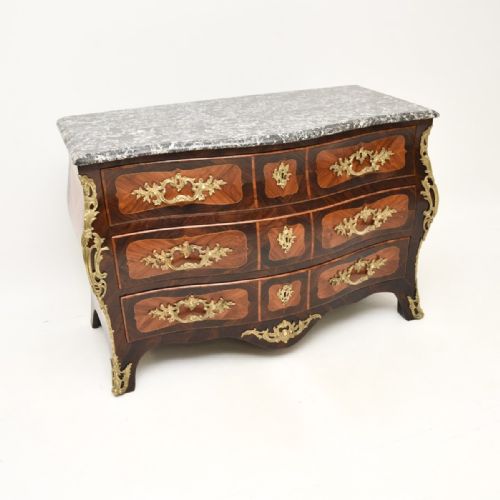
When you search for french rococo bronze mounts, you encounter decorative gilt-bronze and ormolu hardware applied to case furniture, desks and display cabinets from the eighteenth, nineteenth and early twentieth centuries. These cast metal elements frame drawers, outline serpentine edges and terminate in scrolling sabot feet on Louis XV revival and period pieces.
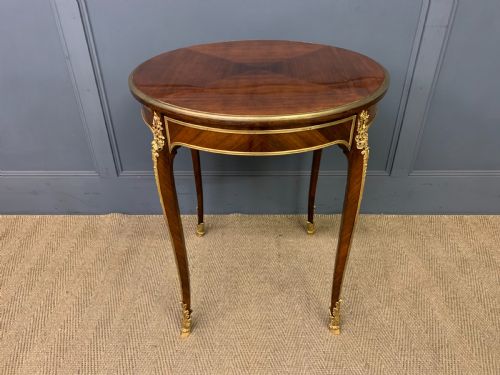
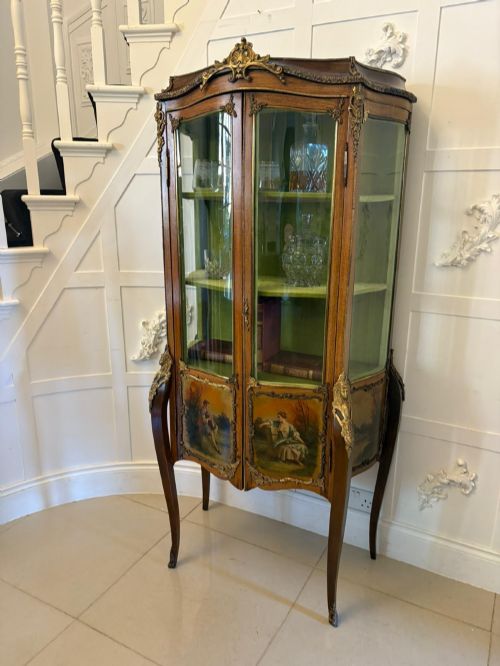
You are most likely to meet nineteenth-century revival pieces made in Paris by renowned cabinet-makers who combined kingwood and vernis martin panels with elaborate bronze mounts. These items range from freestanding occasional tables and bureau plats to large vitrines and marble-topped commodes.
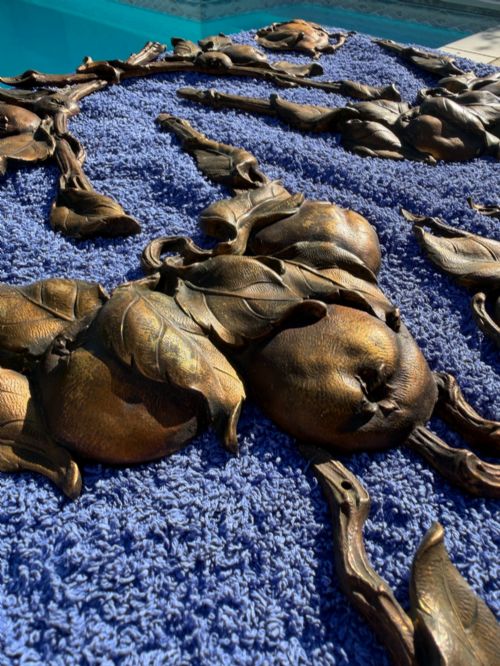
The aesthetic relies heavily on naturalistic motifs like acanthus leaves, C-scrolls and rocaille shellwork that wrap around the structural corners of the furniture. Understanding these pieces means looking past the timber to examine how the bronze was chased, gilded and fitted to the wood.
Craft and Materials
Foundries created french rococo bronze mounts by pouring molten bronze into intricate sand moulds before skilled metalworkers chased the surfaces by hand with chisels and punches. This cold-working defined the sharp edges of the foliage and scrolls.
The finished bronze components received a mercury gilding process or electroplating to impart a rich, durable layer of gold before being screwed or pinned directly onto kingwood, mahogany or vernis martin surfaces.
Some bureau plats conceal clever mechanical springing systems designed to reveal hidden writing surfaces with a single touch.
Quality and Craftsmanship
Quality rests entirely in the crispness of the bronze chasing and the precision with which the mount follows the contours of the wood. Superior castings retain deep, sharp undercuts and varied surface textures, whereas lesser examples appear flat and indistinct.
The integration between mount and substrate also dictates worth; fine pieces show no visible gaps where the metal meets the veneer, and the screws used are historically consistent rather than modern replacements.
François Linke·Jacques Bircklé·Joseph-Emmanuel Zwiener·E. Kahn·Millet·Edwards and Roberts
The French Rococo Bronze Mounts Glossary
- Ormolu
- Gilt-bronze decorative metalwork applied to furniture and clocks. The term derives from the French phrase for ground gold.
- Bureau plat
- A flat-topped freestanding writing desk typically fitted with drawers and elaborate bronze mounts. These tables sit centrally in a room rather than against a wall.
- Vernis Martin
- A type of simulated Japanese lacquer developed in France during the eighteenth century. It uses multiple resin coats to create translucent panels painted with pastoral or oriental scenes.
- Vitrine
- A glass-fronted display cabinet designed to showcase porcelain and small objects. They frequently incorporate marble tops and heavy gilt-bronze appliqués.
- Commode
- A decorative chest of drawers standing on legs, originating in France. Nineteenth-century revival versions often feature serpentine fronts and marble slabs.
French Rococo Bronze Mounts: Frequently Asked Questions
What is the difference between ormolu and gilt bronze?
Ormolu and gilt bronze refer to the exact same material of cast bronze treated with a gold finish. French makers and traditional dealers historically used ormolu to describe the high-grade mercury gilding found on fine furniture.
The terminology often shifts depending on regional preference or the specific period of manufacture, but the underlying metal and finishing techniques remain identical.
Are these mounts removable from the furniture?
Most mounts are held in place by small brass screws or pins that pass through the wood from the interior. Removing them is discouraged because the wood surrounding the screw holes shrinks and hardens over centuries, making realignment difficult.
Original mounts were fitted specifically to each individual piece of furniture during initial construction, meaning they rarely interchange cleanly with other items.
How do I distinguish eighteenth-century pieces from nineteenth-century revivals?
Eighteenth-century originals show hand-cut screw threads and subtle irregularities in the bronze casting from sand-moulding techniques unique to that era. The timber framing and internal oak carcase construction also reflect period workshop practices.
Nineteenth-century revival pieces, while often exceptionally well made by makers like François Linke, utilise machine-standardised fixings and crisper, more symmetrical castings characteristic of industrial advancements.