





French Reclining Nude
These French reclining nude pieces range from tactile bronze sculptures to oil paintings, capturing human form across successive European eras.
French Reclining Nude
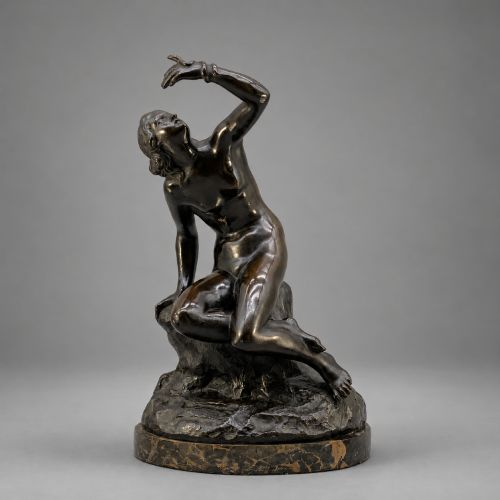
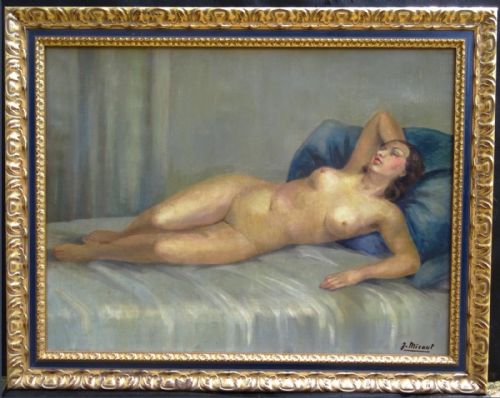
A French reclining nude encompasses sculptural works in bronze, alabaster, and marble alongside oil paintings and drawings depicting figures at rest. These representations appear across multiple eras, including nineteenth century academic pieces and twentieth century works.
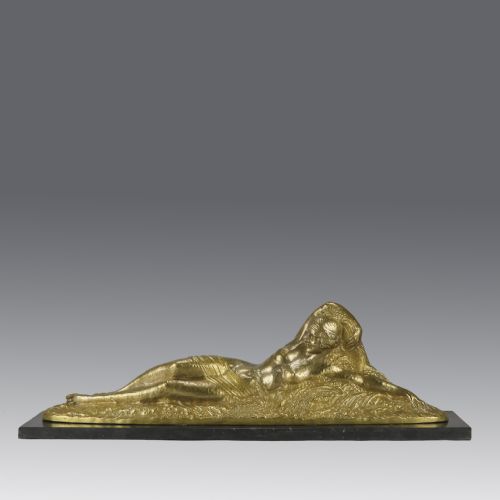
The most common examples encountered here are twentieth century bronze sculptures and Art Deco creations, often mounted on marble bases. Alongside these sculptural forms, buyers frequently find early twentieth century oil paintings and portrait studies.
Materials and construction methods
Sculptural pieces rely on cast bronze, sometimes accented with gilt, paired with solid marble or alabaster plinths and onyx mounts. Bronze figures are cast using traditional methods, yielding patinated or polished surfaces that define the contours of the subject.
Two-dimensional works utilise oil on canvas or oil on board, framed with gilt moulding to house the painted composition. Artisans applied pigments to capture the soft lighting and tonal gradients typical of French academic and modernist portraiture.
French Reclining Nude Retail Price Guide 2026
Typical asking prices for french reclining nude among the pieces listed under this phrase on Sellingantiques today, from the lower quarter to the upper quarter. They describe what is for sale here now, not the wider market.
Several bronze ladies double as bookends, keeping your library upright while reclining.
Differentiating quality across the range
Quality in sculptural pieces rests on the crispness of the casting and the refinement of the cold-painted or patinated finish. The density and grain of the accompanying marble or alabaster base also influence the overall character of the piece.
In painted works, the fluidity of the brushwork and the handling of light across the canvas dictate the standard of execution. Signed compositions and those retaining clear foundry marks or artist inscriptions demonstrate a higher degree of documentation.
Demetre Chiparus·Sibylle May·Fernand Jean Barbier·Edmond Leveque·James Pradier·Susse Freres·Ugo Cipriani·Jean Vyboud·Clodion
The French Reclining Nude Glossary
- Bronze
- An alloy of copper and tin utilised for casting detailed sculptural figures. It accepts patination and cold-painted finishes readily.
- Alabaster
- A fine-grained mineral often carved into soft, translucent sculptural forms. It provides a warm alternative to white marble.
- Patinated bronze
- Metal treated with chemical solutions to produce an aged surface colour. This technique enhances the depth of sculptural contours.
- Gilt bronze
- Bronze coated with a thin layer of gold or gold leaf to impart a bright metallic sheen. It appears frequently on decorative objects.
- Oil on canvas
- Pigment suspended in drying oil applied to a stretched woven fabric support. This medium permits subtle blending and rich texture.
French Reclining Nude: Frequently Asked Questions
What periods do these pieces span?
The works span from the nineteenth century through the early decades of the twentieth century. They encompass nineteenth century academic traditions alongside Art Deco modernism.
Collector interest bridges classical nineteenth century styling and sleek twentieth century interpretations of the human form.
Are these works signed?
Many sculptures and paintings carry artist signatures or foundry stamps confirming their origin. Cast signatures appear directly on the bronze surface or along the marble base.
Documentation varies by piece, with some works attributed to known makers through historical records and stylistic markers.
How should bronze sculptures be displayed?
Bronze figures require stable placement away from direct heat sources and excessive moisture. Their heavy marble or onyx bases provide natural stability on flat surfaces.
Regular dusting with a soft, dry cloth preserves the patinated finish without harming the metallic surface.
How do paintings differ from sculptures here?
Paintings utilise oil on canvas or board to depict the subject through colour and light. Sculptures offer three-dimensional form using cast bronze, marble, or alabaster.
Both mediums share a focus on the reclining human figure across French artistic movements.