




French Pressed Glass
When you search for french pressed glass, you enter a world of moulded vessels and decorative objects defined by tactile relief and optic play.
French Pressed Glass
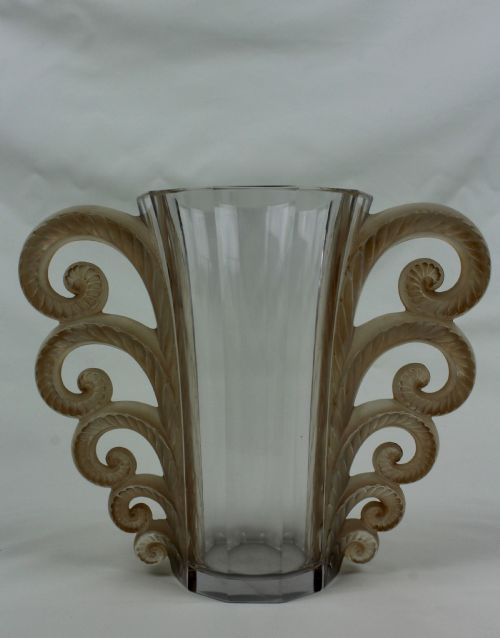
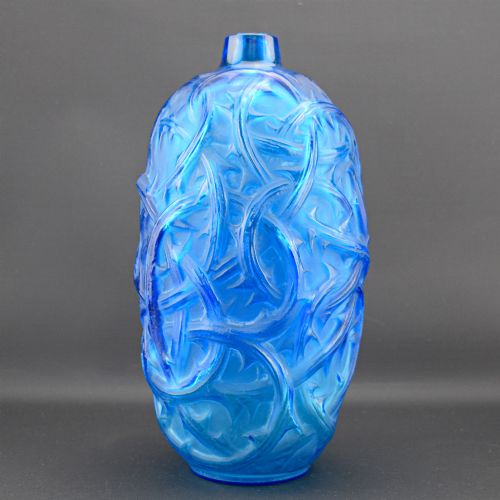
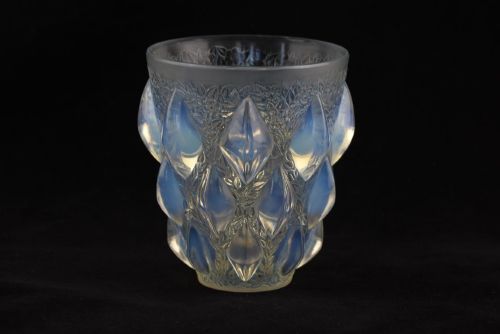
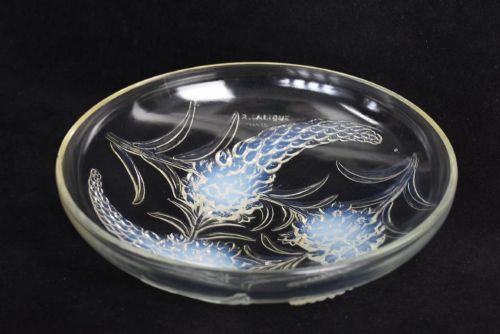
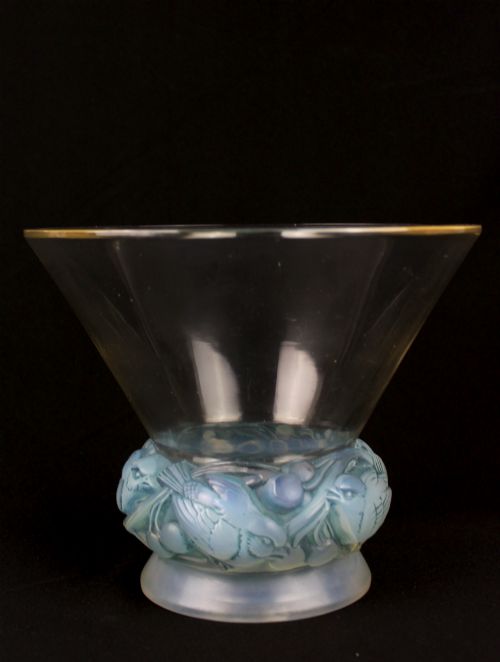
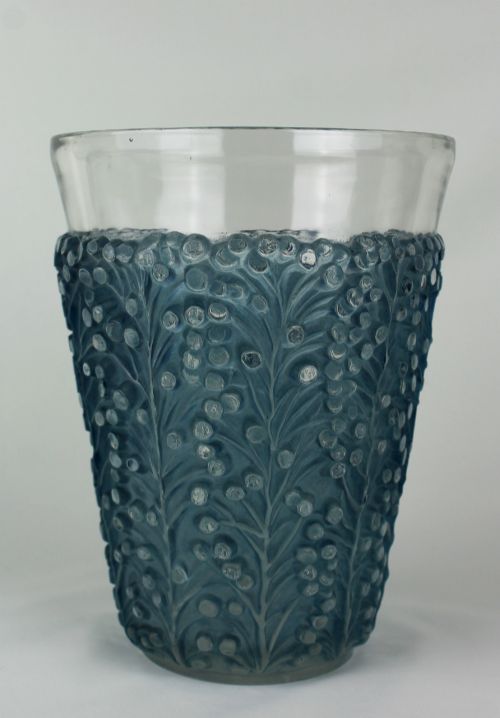
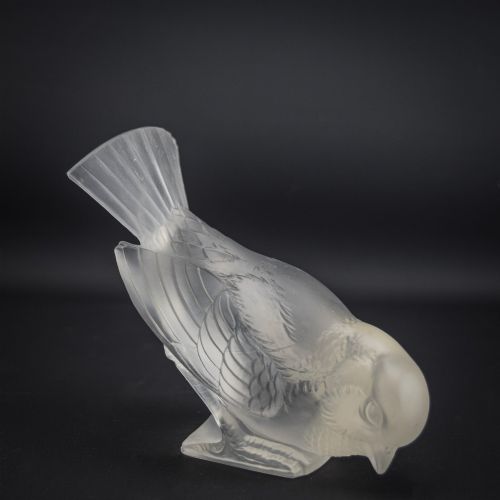
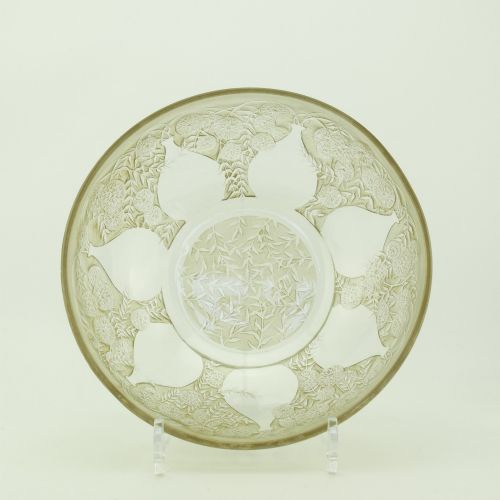
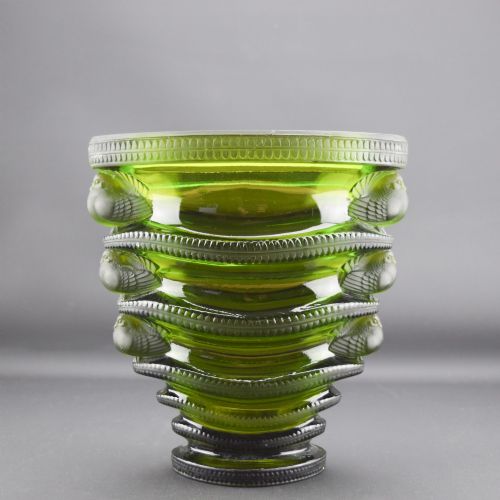
When buyers search for french pressed glass, they encounter items shaped by mechanical press or mould techniques originating primarily from the early twentieth century. The selection spans vases, shallow bowls, scent bottles, and paperweights rather than utilitarian domestic tableware.
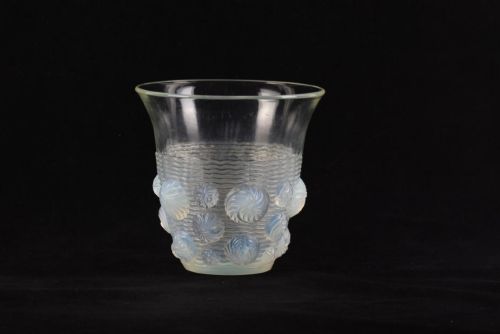
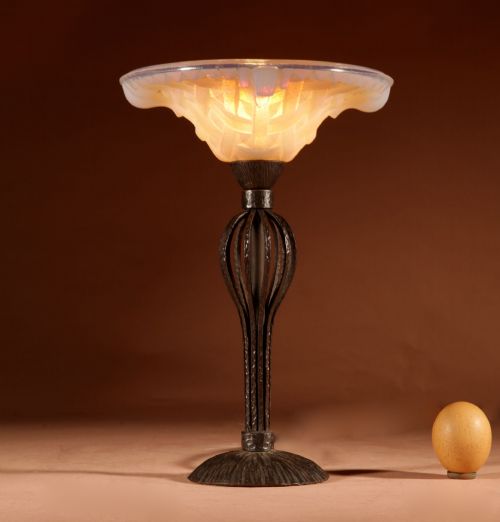
Art Deco and Art Nouveau aesthetics dominate the visual language of these pieces. Makers utilise opalescent glass, frosted surfaces, and coloured tints to catch ambient light across raised motifs of flora, fauna, and geometric forms.
While the phrase suggests basic mechanical pressing, the objects appearing here often bridge industrial production and studio artistry. Master designers directed the chemistry of the glass to achieve specific opacities and colour shifts in the finished vessel.
What varies in quality
Depth of relief and sharpness in the moulded detail separate exceptional examples from standard production pieces. Superior items retain crisp edges on feathers, petals, and figures without blurring or surface distortion from worn moulds.
The sophistication of the glass body itself dictates merit, particularly in opalescent formulations that shift from amber to blue depending on the angle of light. Even staining application and the complete absence of interior manufacturing bubbles elevate the standing of a piece.
French Pressed Glass Retail Price Guide 2026
Typical asking prices for french pressed glass among the pieces listed under this phrase on Sellingantiques today, from the lower quarter to the upper quarter. They describe what is for sale here now, not the wider market.
The material selection spans vases, decorative bowls, perfume bottles, and paperweights from the early twentieth century.
René Lalique·Verlys·Etling·Marius Ernest Sabino
The French Pressed Glass Glossary
- Opalescent glass
- Glass that milky blue or amber quality achieved by adding specific chemical agents that scatter light across raised surfaces. This optical effect defines many twentieth century decorative vessels.
- Frosted glass
- A surface treatment created by acid etching or sandblasting to give the material a matte, diffusing finish. It accentuates contour lines in moulded figural designs.
- Plafonnier
- A ceiling bowl light fixture suspended by metal mounts, common in Art Deco interiors. These fixtures distribute diffused illumination through patterned glass bodies.
- Staining
- The application of coloured pigment into the recessed areas of a pressed design to heighten contrast. Artisans wipe excess pigment away to leave colour only in the crevices.
- Moulded glass
- Glass formed by pressing molten material into an iron or bronze matrix. This method produces consistent relief patterns across multiple production runs.
French Pressed Glass: Frequently Asked Questions
What is french pressed glass?
These items are decorative vessels and sculptural objects formed by pressing molten material into metal moulds rather than free-blowing. They rely on tactile relief and optical glass formulations for their visual impact.
Most examples date from the early twentieth century and embody Art Deco or Art Nouveau design principles. Collectors prize them for their sculptural presence and play of light.
Are these items signed?
Many production pieces feature moulded signatures, acid-stamped marks, or hand-engraved initials near the base. These signatures identify the studio or designer responsible for the mould design.
Absence of a visible signature does not preclude authenticity, as some factory marks were polished away or worn down during production. Examine the quality of the glass body and relief work alongside any potential signatures.
How should I display them?
Place vases and bowls near natural light sources to activate the opalescent qualities and frosted contrasts within the glass body. Ensure the supporting surface is stable and free from vibration.
Keep pieces out of direct, prolonged sunlight to prevent any applied enamel stains from fading over time. Adequate spacing allows the sculptural silhouettes to be viewed from multiple angles.