



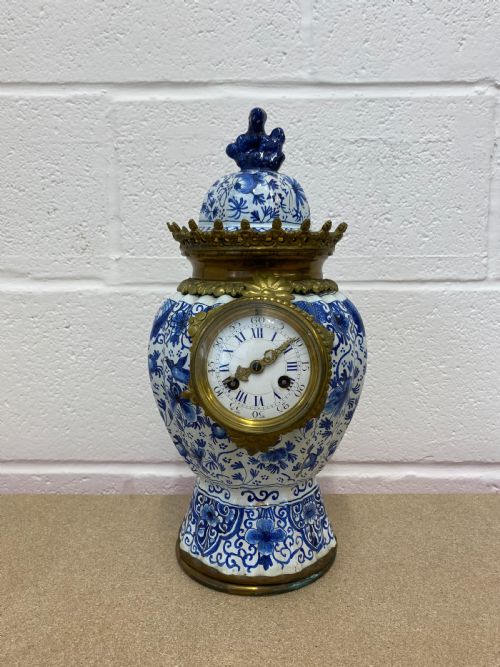


French Pottery Vase
A French pottery vase brings continental elegance to a room, spanning rustic confit jars to ornate glazed urns.
French Pottery Vase
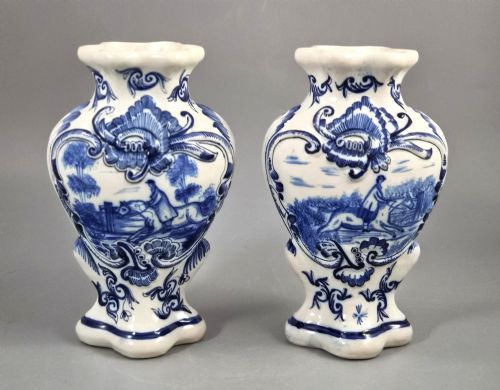
A French pottery vase encompasses a varied range of ceramic vessels, from nineteenth century earthenware confit pots to twentieth century art pottery and faience pairs. Buyers seeking a French pottery vase will encounter forms influenced by Rococo Revival, Art Nouveau, and Art Deco movements, originating from regional workshops and notable makers.
The selections span utilitarian jars used for storage to highly decorative Mantel Clocks and handled urns. Pieces frequently employ tin-glaze, polychrome painting, and bronze mounts, reflecting shifting aesthetic preferences across the nineteenth and twentieth centuries.
How they were made
Makers utilised earthenware, terracotta, and ceramic bodies, shaping vessels by hand or on the wheel before applying glazes. Tin-glaze and enamel surface treatments provided the base for painted blue and white or polychrome decoration.
Confit pots and utilitarian jars received partial or full green and clear lead glazes to ensure functional durability. More ornate faience and porcelain pieces underwent multiple firings to fix intricate designs and enamel highlights.
French Pottery Vase Retail Price Guide 2026
Typical asking prices for french pottery vase among the pieces listed under this phrase on Sellingantiques today, from the lower quarter to the upper quarter. They describe what is for sale here now, not the wider market.
Materials represented include terracotta, earthenware, tin-glaze, and ceramic.
What varies in quality
Quality depends on the precision of the hand-painted detailing, the consistency of the glaze application, and the presence of supplementary elements like bronze mounts. Faience pieces from established factories display crisper execution in their cobalt or polychrome palettes.
The structural integrity of the ceramic body and the preservation of the original enamel or glaze distinguish standard utility vessels from decorative art pottery. Pairs matched by origin and design command greater interest than assembled variants.
Jacob Petit·Fourmaintraux-Courquin·Robert T Lallement·Mougin·Jules Vieillard
The French Pottery Vase Glossary
- Faience
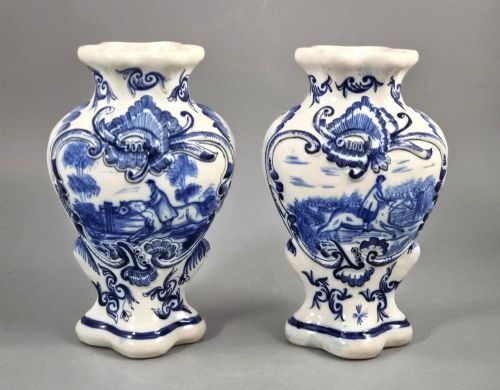
- Tin-glazed earthenware produced in France and other European regions, often featuring painted decoration over the opaque white glaze. This technique allows for detailed motifs ranging from traditional blue and white patterns to vibrant floral designs.
- Confit Pot
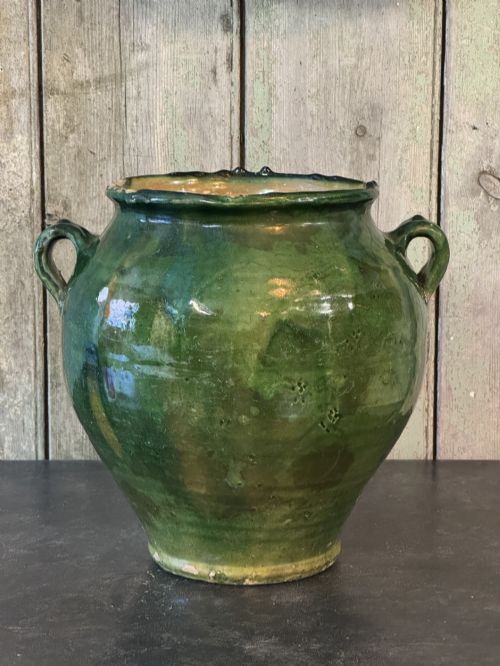
- A traditional French earthenware vessel featuring a glazed interior and upper exterior, originally utilised for preserving food. These utilitarian jars are now sought after for their rustic appeal and rich surface patination.
- Bronze Mounts
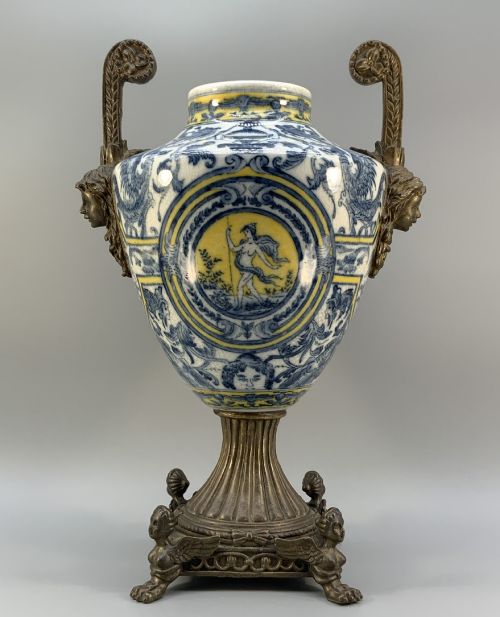
- Cast bronze fittings attached to ceramic bodies to provide handles, bases, or decorative rims. They appear on revival pieces to elevate the status of the vessel.
- Tin-Glaze
- An opaque white glaze containing tin oxide, providing a smooth canvas for subsequent painted enamel decoration. It is a defining characteristic of traditional faience production.
French Pottery Vase: Frequently Asked Questions
How do I identify a confit pot?
Confit pots are heavy earthenware or terracotta vessels characterised by glazed interiors and handles, designed originally for storing fats and preserves. They typically display earthy tones with green or clear surface glazes.
These jars were made for practical farm use rather than display, which accounts for their robust forms and honest utilitarian wear.
What is the difference between faience and porcelain?
Faience is tin-glazed earthenware, which is more porous and opaque than porcelain. It provides a distinct matte or soft-gloss surface suited to hand-painted cobalt and enamel designs.
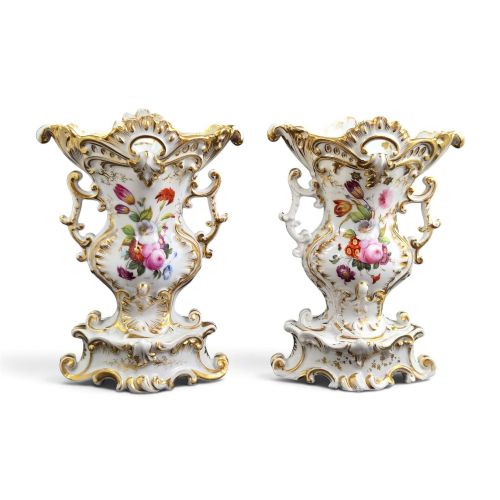
Porcelain utilises refined white clay fired at higher temperatures to achieve a vitreous, non-porous body. Jacob Petit pieces demonstrate this more delicate ceramic medium.
Are these pieces waterproof?
Many nineteenth century glazed earthenware and faience vessels hold water, but older terracotta and confit pots can be porous. It is wise to use a discreet inner liner for fresh floral displays.
Checking the interior glaze coverage helps determine whether a vessel is suited for direct contact with water.