
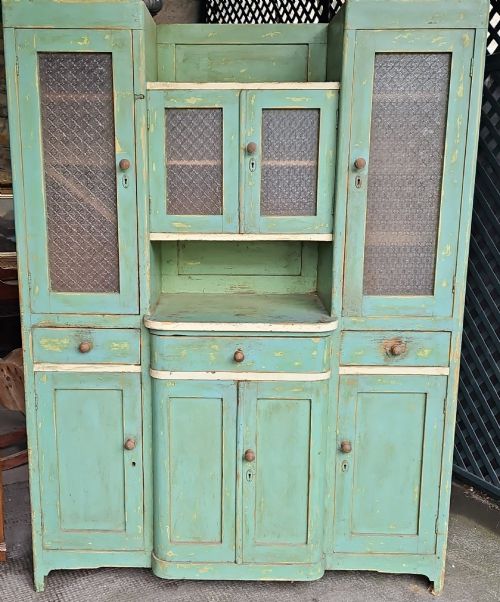


French Pine Cabinet
These french pine cabinet pieces offer practical storage built from softwood, turning provincial utility into a warm domestic focal point.
French Pine Cabinet
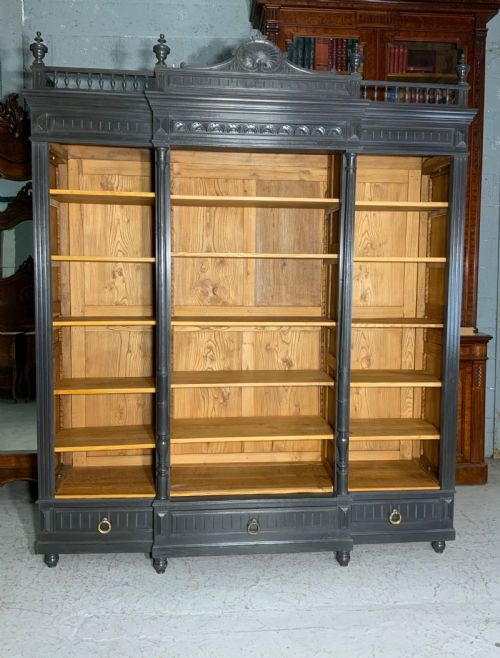
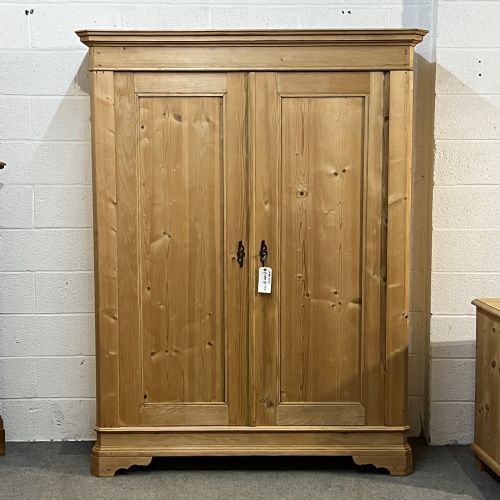
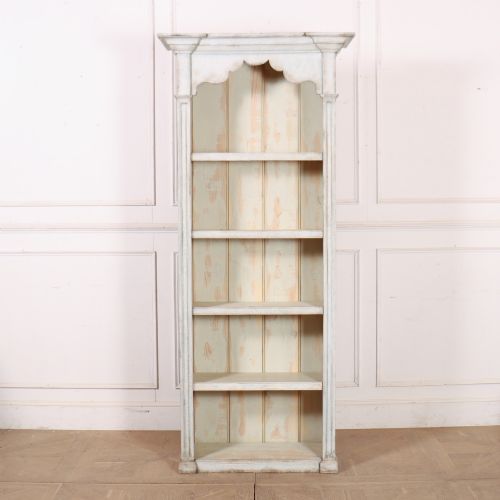
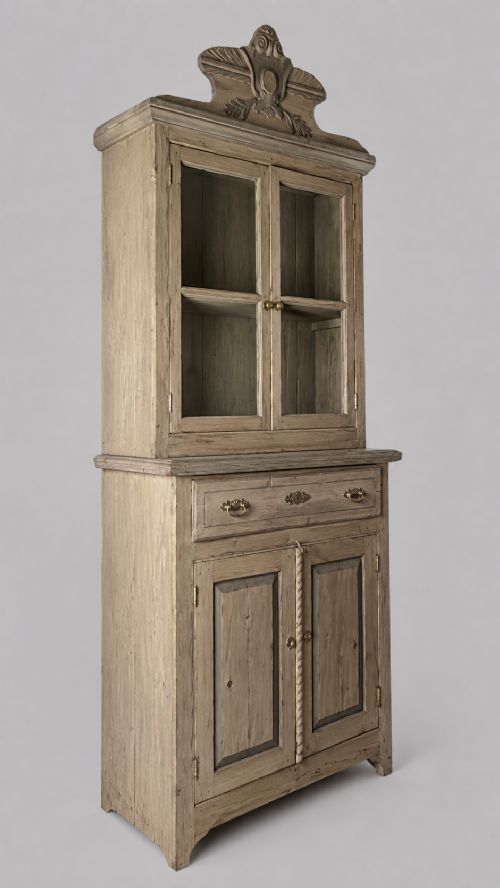
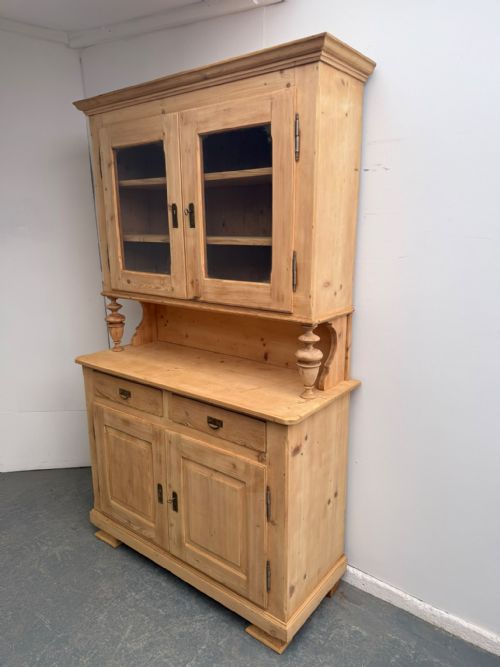
A french pine cabinet encompasses a broad selection of storage furniture, ranging from small bedside tables and confiturier jam cupboards to large housekeeper cupboards and library bookcases. You will frequently encounter tall wardrobes, dressers, and two-door storage cupboards originating from provincial settings.
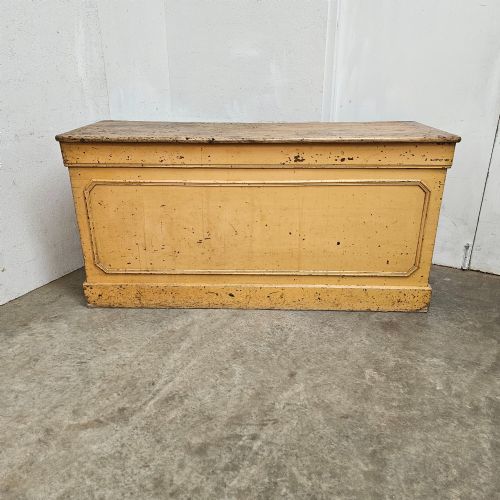
The objects span multiple eras, with nineteenth century examples appearing most often alongside eighteenth century mountain cupboards and early twentieth century items. Forms vary from simple bedside cabinets with marble tops to extensive shop counters, filing shelves, and multi-drawer banks.
Materials and construction methods
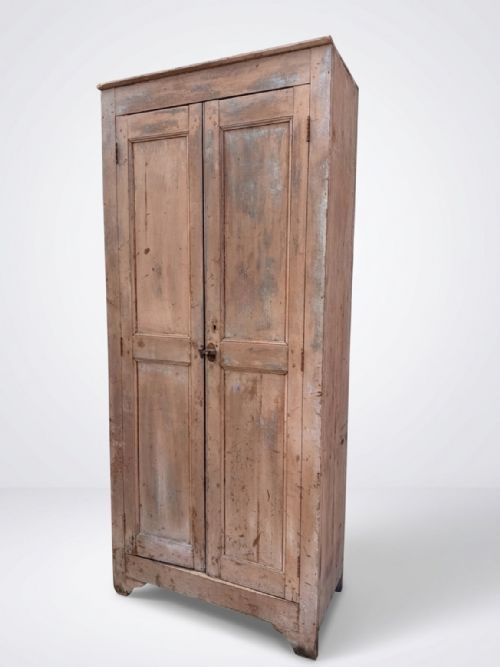
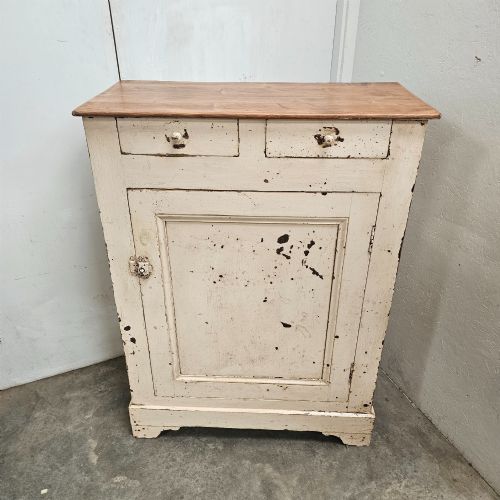
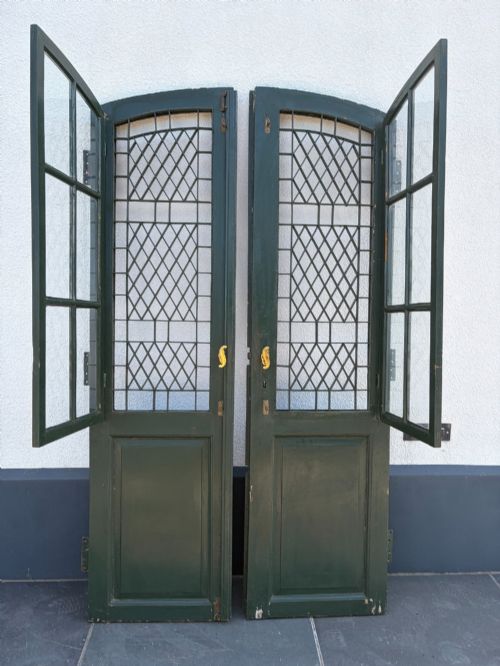
Constructed predominantly from pine and pitch pine, these pieces frequently incorporate iron and brass hardware such as hinges, latches, and drawer pulls. Glass appears in the doors of glazed cupboards and bookcases, while wood surfaces often carry layers of original or later paint.
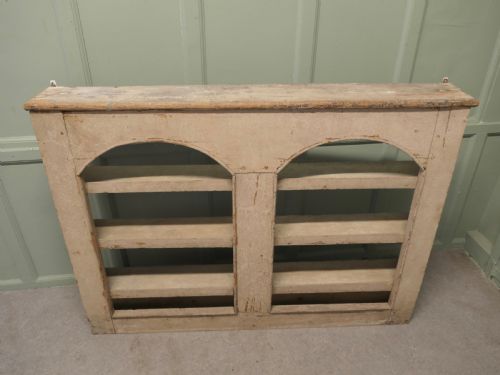
Joinery methods reflect traditional regional carpentry used in provincial workshops. Surfaces are typically finished with wax or left with weathered paint finishes, showing the natural grain and wear of domestic use.
Listings feature pine alongside iron, brass, glass, and painted wood, spanning forms from bedside cabinets to massive library bookcases.
Evaluating quality and construction
Quality rests in the integrity of the original timber frame, the retention of authentic painted surfaces, and the survival of period hardware like brass and iron fixtures. Better examples maintain their structural proportions without excessive modification to interiors or shelves.
The distinction between ordinary utility pieces and finer items often lies in the subtlety of provincial mouldings, panel construction, and the presence of untouched patination accrued over generations of daily service.
The French Pine Cabinet Glossary
- Buffet deux corps
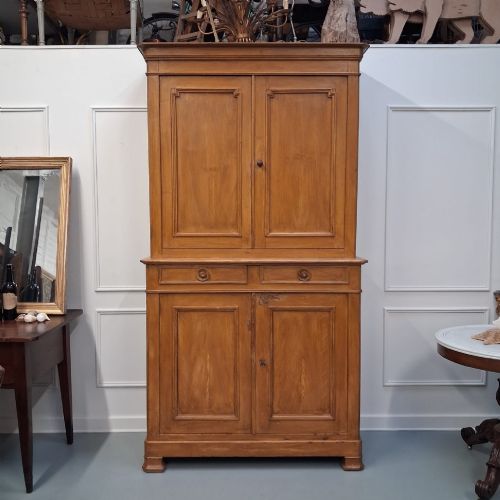
- A large two-tier storage cupboard consisting of a lower cabinet and an upper section. This substantial architectural form provides extensive display and storage space.
- Faux bamboo
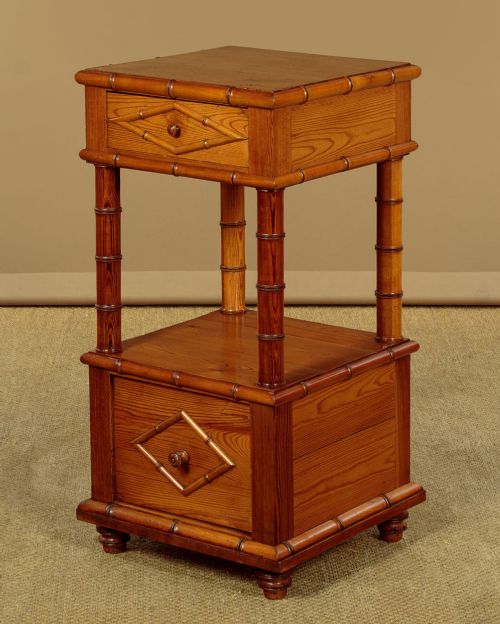
- Wood turned to imitate the segmented joints of natural bamboo canes. This decorative technique appears on nineteenth century bedside cabinets.
- Housekeeper cupboard
- A tall storage piece traditionally used for linens and provisions in large domestic settings. These cupboards often feature multiple internal shelves or hanging space.
- Pitch pine
- A dense, resinous softwood variety used for robust furniture construction. This material provides durability and distinct grain patterns.
French Pine Cabinet: Frequently Asked Questions
What rooms suit a french pine cabinet?
These cabinets fit easily into kitchens, hallways, and bedrooms where practical storage is required. Their natural wood or painted finishes complement both rustic and traditional interiors.
Larger bookcases and wardrobe formats require adequate wall space and ceiling height. Smaller bedside tables and confituriers adapt well to tighter residential layouts.
How are painted finishes preserved?
Maintaining painted surfaces involves gentle dusting with a dry cloth and avoiding harsh chemical cleaning agents. Direct sunlight can cause fading on older painted wood.
Wax can be applied sparingly to unpainted pine sections to protect the timber. Keeping humidity stable prevents wood movement beneath the paint layer.
How do I date a pine cabinet?
Dating relies on examining construction techniques, hardware types, and timber characteristics. Hand-cut joints and forged iron hinges typically point to nineteenth century or earlier origins.
Design styles also provide clues, such as faux bamboo turning popular around eighteen ninety. Secondary woods and backboards help confirm the period of manufacture.
Were these cabinets originally painted?
Many provincial pieces received coats of paint for practical protection or decorative purposes in period homes. Original paint layers often show natural wear and craquelure over time.
Some items left the workshop with plain waxed pine surfaces while others were painted later. Both treatments appear across the historical record.