

French Pendant Lighting
French pendant lighting brings character to a room through brass, glass, and crystal suspended from above.
French Pendant Lighting
French pendant lighting encompasses hanging fixtures designed to illuminate interiors from ceilings, ranging from elaborate chandeliers to functional hall lanterns. When searching for french pendant lighting, buyers encounter pieces spanning the nineteenth century through the early twentieth century, including Edwardian examples.
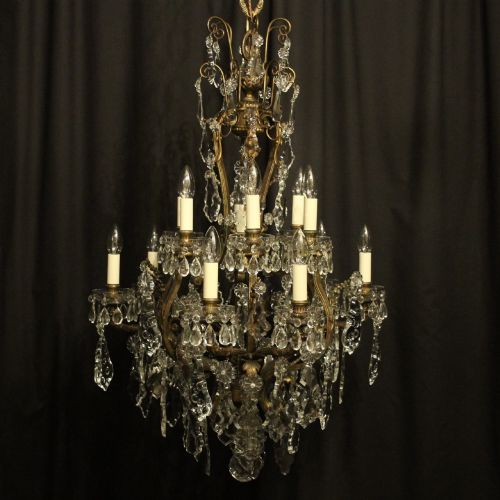
Materials such as brass, gilt bronze, crystal, and glass predominate across these hanging ceiling lights. Many pieces incorporate multiple bulb configurations, from single-light pendants to grand twelve-light fixtures.
Materials and construction
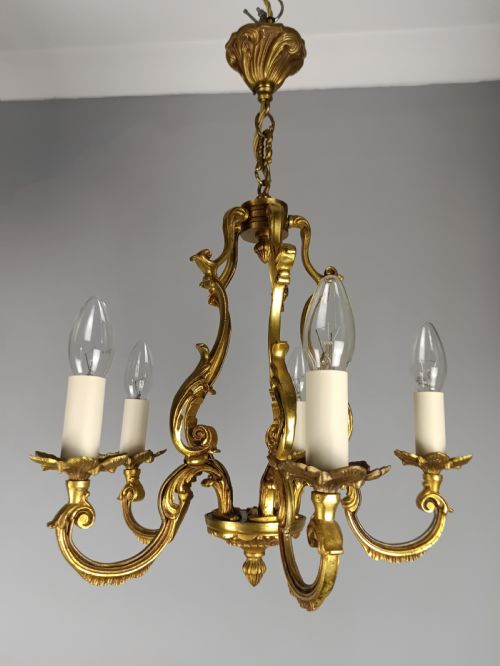
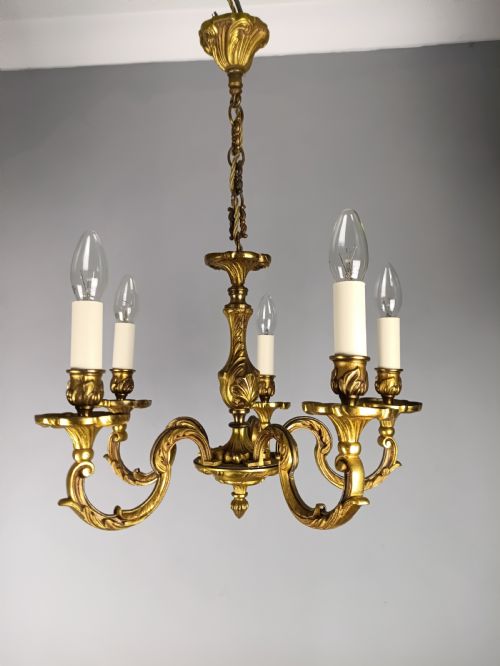
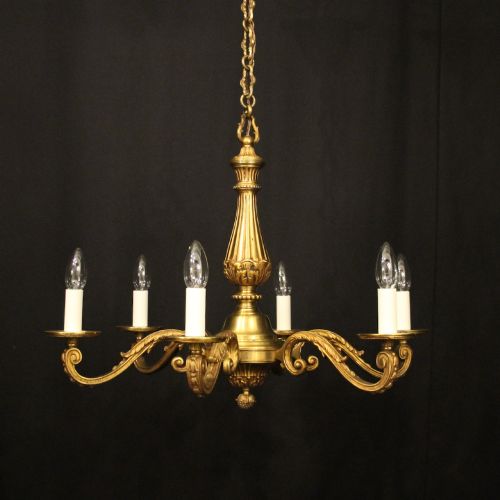
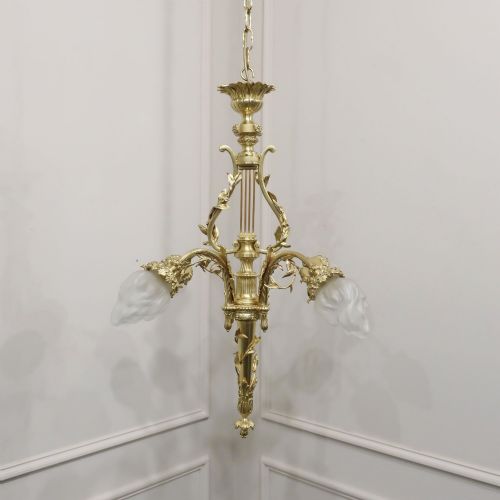
Metals form the structural backbone of these fixtures, with gilt bronze, brass, iron, and copper utilised extensively in casting and framing. Gilding and patination techniques give these metallic surfaces their finished appearance.
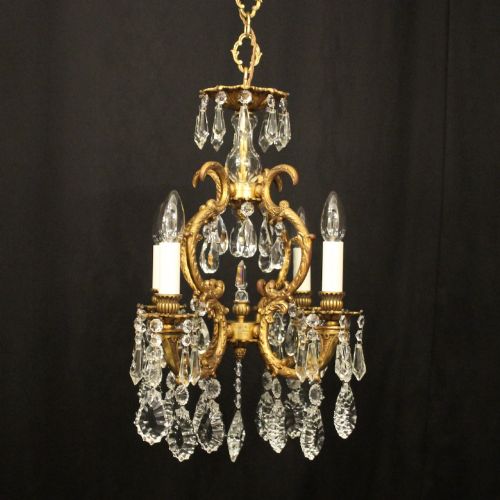
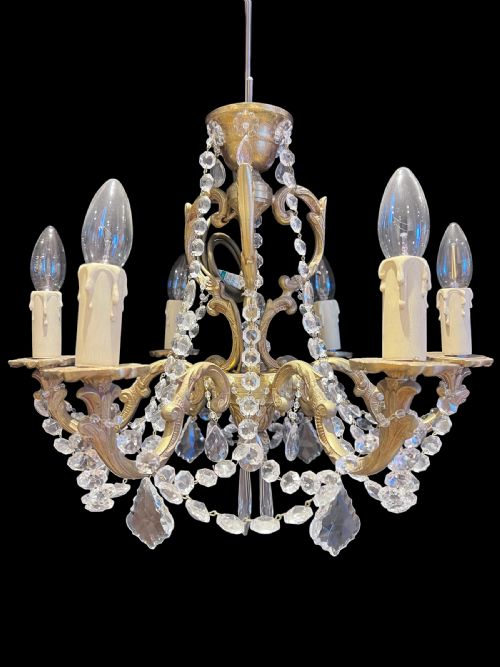
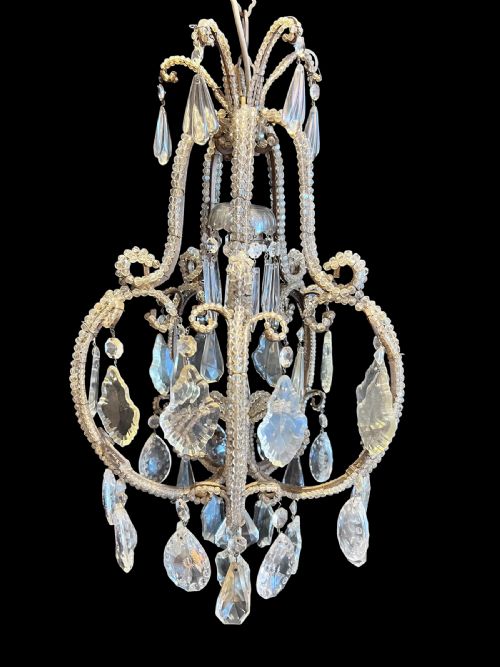
Glass and crystal elements are integrated through cut glass, crystal lustres, beaded strands, and glass globes. These translucent components catch and reflect light, shaping the illumination cast by the bulbs or candles within.
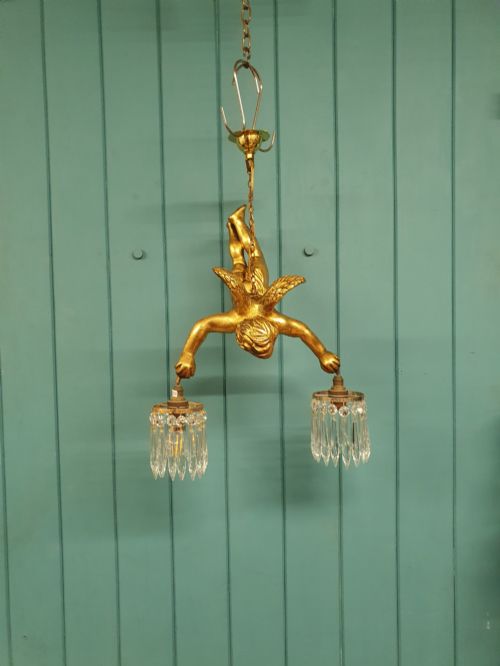
Several fixtures incorporate winged cherubs and antique birds alongside cascading crystal waterfalls.
Quality variations
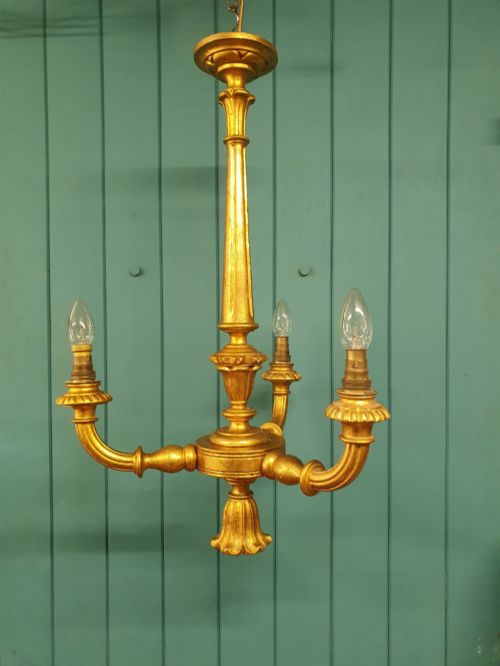
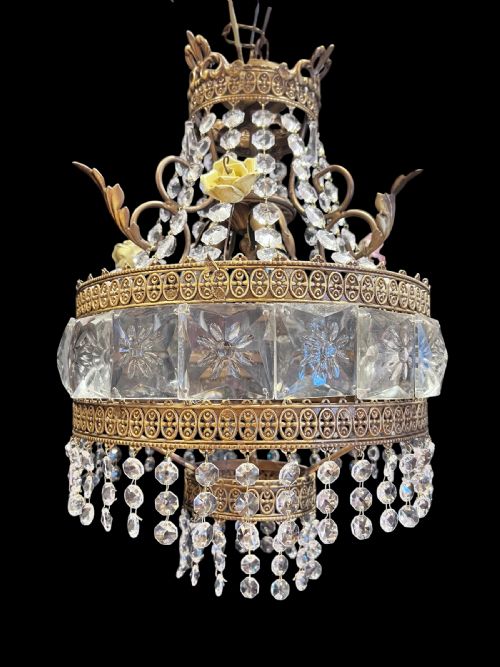
The refinement of the metalwork separates differing tiers of these fixtures, distinguishing finely chased gilt bronze from simpler brass castings. Details like carved giltwood or integrated porcelain flowers indicate higher levels of artisan effort.
The density and cut of the crystal components also drive distinction, where hand-cut lustres and complex bead arrangements produce superior refraction compared to plain glass panels.
Émile-Jacques Ruhlmann
The French Pendant Lighting Glossary
- Chandelier
- A branched ornamental light fixture suspended from the ceiling. These hold multiple bulbs or candles.
- Hall Lantern
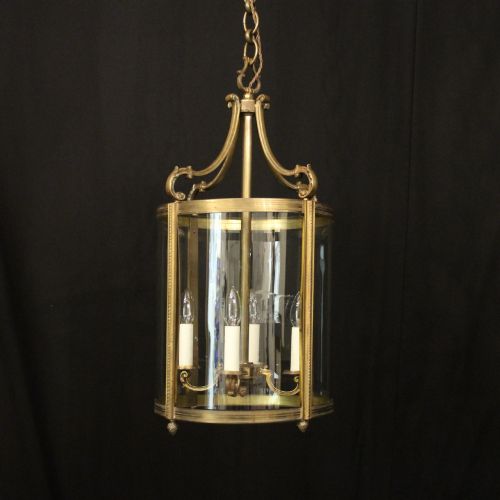
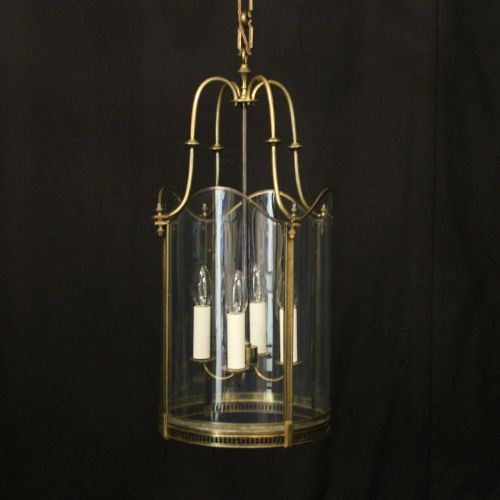
- An enclosed hanging light designed specifically for entryways and corridors. They often feature convex glass panels within a metal frame.
- Tent and Waterfall
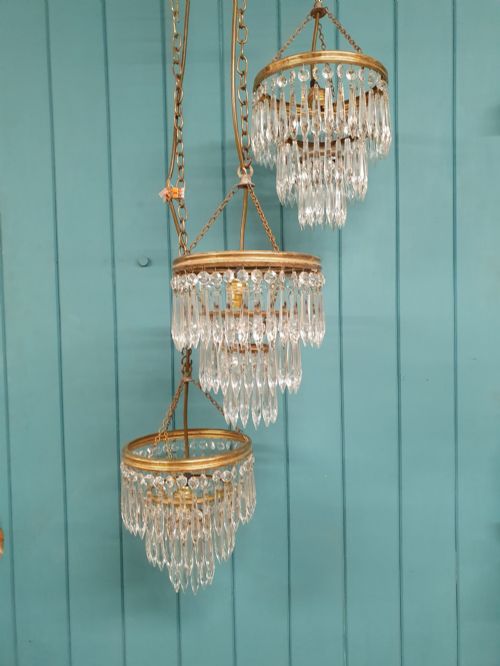
- A chandelier style featuring a gathered upper canopy of crystal beads resembling a tent, dropping into cascading tiers of crystal strands below.
- Plafonniere
- A shallow ceiling light or bowl fixture mounted close to the ceiling rather than suspended on a long drop.
- Lustre
- A cut crystal pendant suspended from a chandelier to refract light. They catch illumination from the bulbs.
French Pendant Lighting: Frequently Asked Questions
How do I hang a heavy French chandelier safely?
Heavy fixtures require secure attachment to ceiling joists using rated structural hooks rather than standard plaster fixings. Professional installation ensures the weight of bronze and crystal is supported properly.
Electrical wiring must also match the voltage requirements of the specific fixture, accommodating multiple bulb configurations safely.
What rooms suit French hall lanterns best?
Hall lanterns work effectively in entrance halls, corridors, and high-ceilinged stairwells where vertical space allows them to hang freely. Their enclosed design protects the interior components from drafts.
They also provide focused downward illumination suited to transitional spaces within a home.
How do I clean crystal pendants without damaging them?
Crystal elements should be cleaned in place using a gentle spray solution and a soft cloth, or removed individually for careful washing in lukewarm soapy water. Avoid harsh chemicals that might dull the metal mountings.
Patinated bronze and brass require gentle dusting rather than abrasive polishing to preserve their historic surface appearance.
What is the difference between Empire and Rococo styles here?
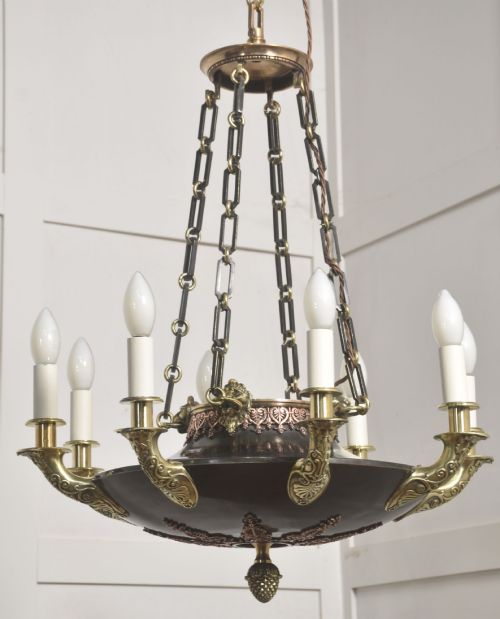
Empire style lighting draws on classical motifs, featuring symmetrical proportions, laurel wreaths, and restrained geometric lines. These pieces often date from the nineteenth century.
Roococo designs incorporate asymmetrical scrollwork, naturalistic floral elements, and more exuberant decorative flourishes derived from eighteenth-century aesthetics.