


French Painted End Tables
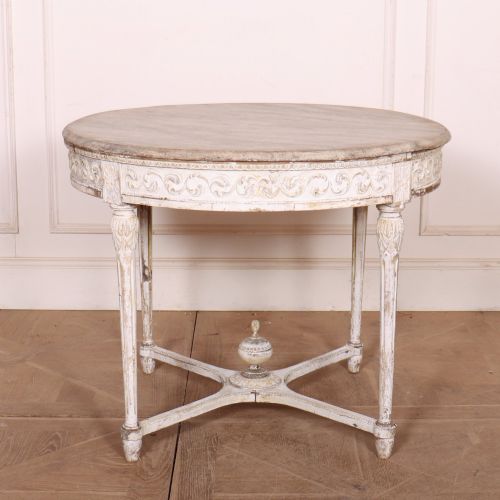
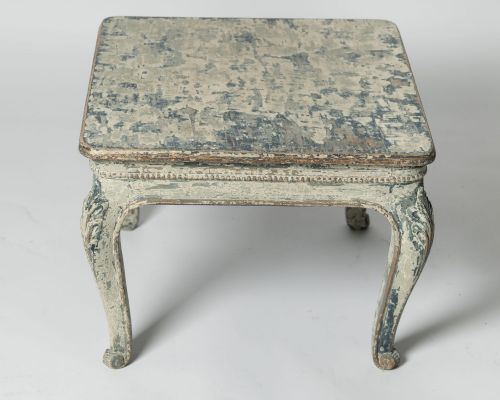
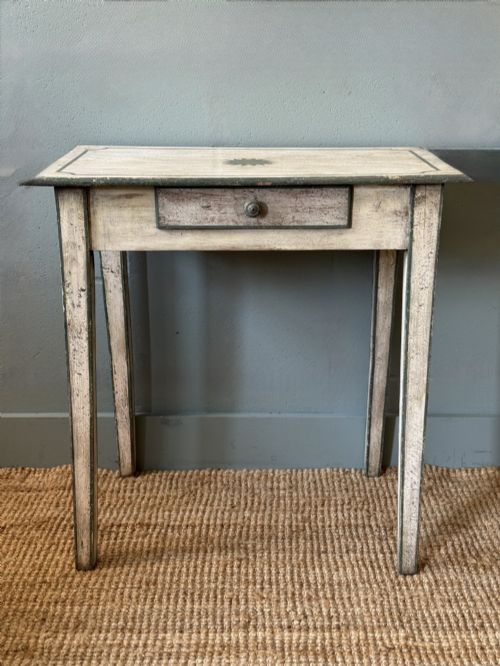
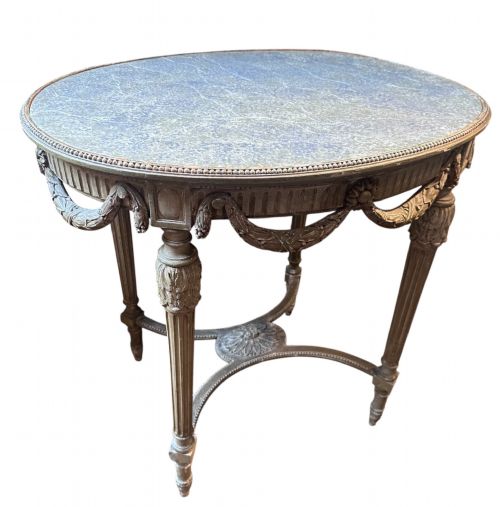
French painted end tables bring continental grace to a room, offering compact surfaces finished with decorative paint and period detail.
French Painted End Tables
These pieces are compact occasional items designed to sit beside seating or beds, spanning forms such as side tables, lamp tables, bedside tables, and nests of tables. The selection ranges from nineteenth-century examples to earlier eighteenth-century items, alongside twentieth-century interpretations.
The most common formats on this page are lamp and side tables finished with paint, often reflecting classical French design idioms. Alongside traditional tables, buyers will also encounter occasional forms and related seating pieces such as stools and benches sharing similar decorative treatments.
How They Were Made
Construction relies primarily on timber and wood, shaped into frames and surfaces that accept decorative finishes. Applied paint serves as the main medium for surface expression, frequently complemented by carved woodwork.
Certain examples incorporate inset marble tops or metal mounts in brass to accent the wooden structures. Surface decoration ranges from simple painted schemes to detailed hand-painted motifs and chinoiserie lacquer.
One signed nest of tables invites you to wonder if its maker ever imagined it stacking neatly into the twenty-first century.
What Varies in Quality
Quality rests in the fidelity of the period style, distinguishing restrained classical interpretations from plainer commercial production. The execution of the painted surface, from original layered pigment to decorative brushwork, shapes the character of each piece.
Proportion and the integration of materials like marble or brass distinguish finer examples from standard items. The crispness of carved wooden details further separates standard utility pieces from more ambitious cabinetwork.
E.Daligny
The French Painted End Tables Glossary
- Louis XVI Style
- A neoclassical design idiom characterised by straight tapered legs, geometric symmetry, and restrained classical ornamentation. It emerged during the late eighteenth century and influenced later nineteenth and twentieth-century cabinetmakers.
- Gueridon
- A small circular table supported by a central column or pillar, originating in seventeenth-century France. These pieces function as occasional tables for lamps or decorative objects.
- Chinoiserie
- European decorative style employing imagined Chinese motifs, often rendered in lacquer and painted decoration on furniture. It gained popularity during the eighteenth century and saw revivals in subsequent periods.
- Quartetto Nest
- A set of four graduating tables designed to stack beneath one another when not in use. This form became particularly favoured in the nineteenth and early twentieth centuries for domestic flexibility.
- Fruitwood
- Timber derived from fruit-bearing trees such as cherry, pear, or apple, utilised for furniture construction and decorative veneers. It provides a warm grain and fine texture suited to polishing and painting.
French Painted End Tables: Frequently Asked Questions
What defines French provincial end tables?
These tables reflect regional French craftsmanship, prioritising functional domestic utility over courtly excess. They typically feature softer lines and simpler painted finishes than their Parisian counterparts.
Such pieces integrate easily into contemporary interiors while retaining distinct historical character through their timber construction and patinated surfaces.
How do I care for painted wooden tables?
Protect the painted surface from direct heat and moisture by using coasters and mats. Dust gently with a dry, soft cloth rather than utilising harsh cleaning agents.
Maintaining a stable indoor humidity prevents the underlying timber from expanding or contracting, which preserves the integrity of the paint layer.
Where should I place an occasional lamp table?
These compact tables suit living rooms beside sofas or armchairs to hold lighting and small objects. They also function effectively in bedrooms as bedside surfaces.
Their modest footprint allows them to occupy awkward corners or hallways without crowding the space.
How can I tell a nineteenth-century table from a modern one?
Examine the timber construction methods, jointing details, and the nature of the paint layer for signs of age. Period pieces exhibit hand-finished surfaces and natural wear consistent with decades of use.
Materials like old fruitwood and patinated brass hardware further indicate historical manufacture compared to modern reproductions.