

French Overmantle
A french overmantle brings substantial nineteenth-century presence to a chimney breast through grand scale and gilded reflection.
French Overmantle
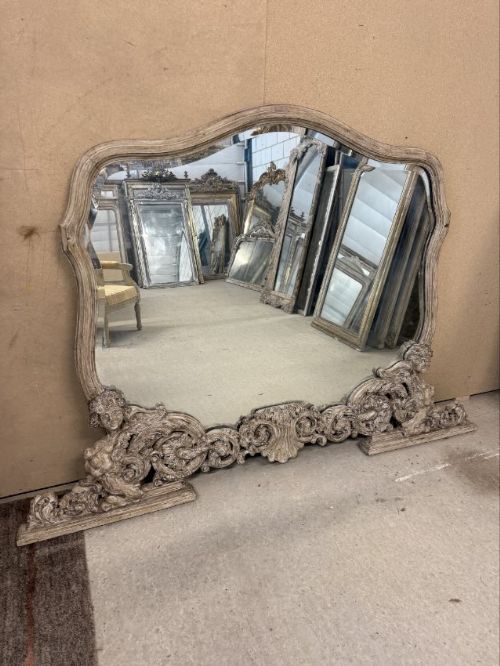
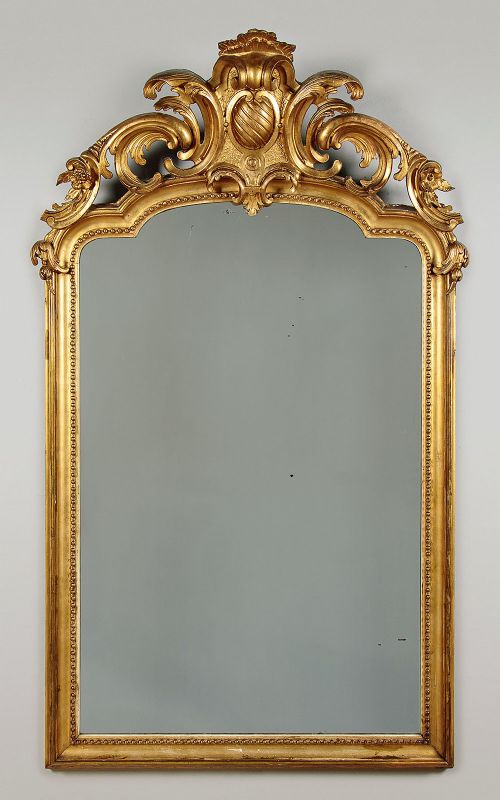
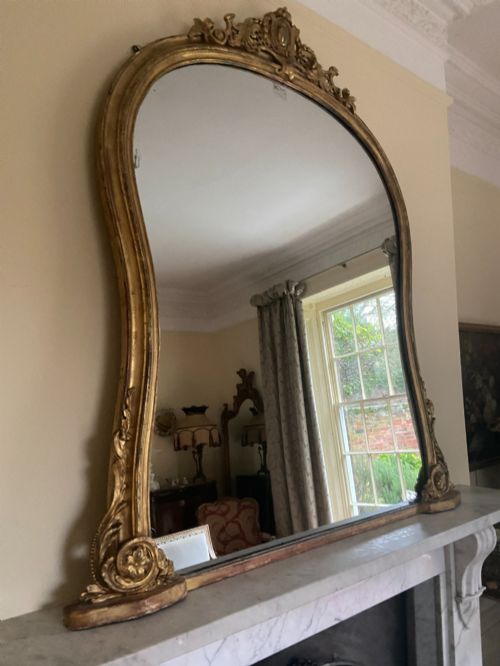
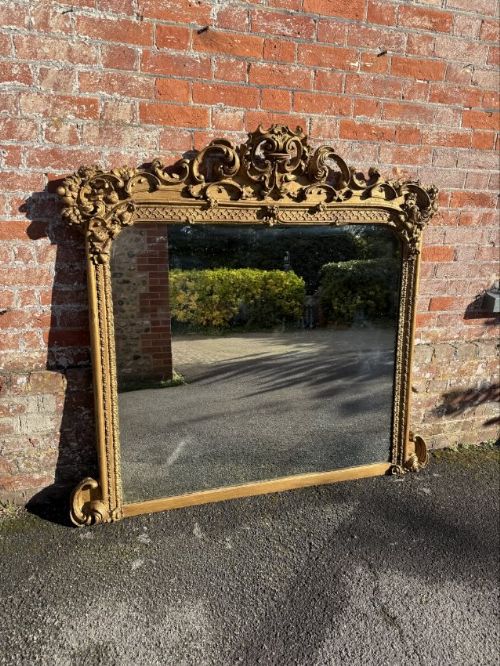
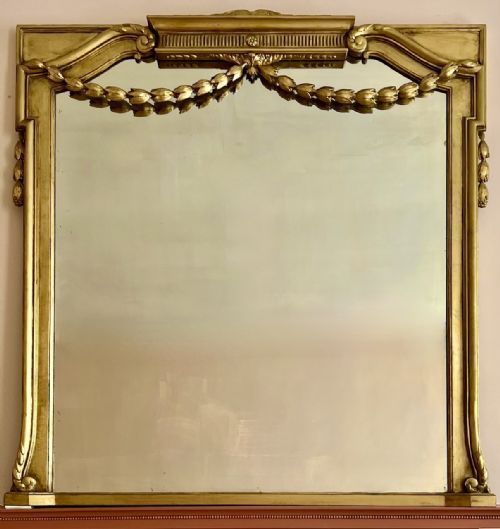
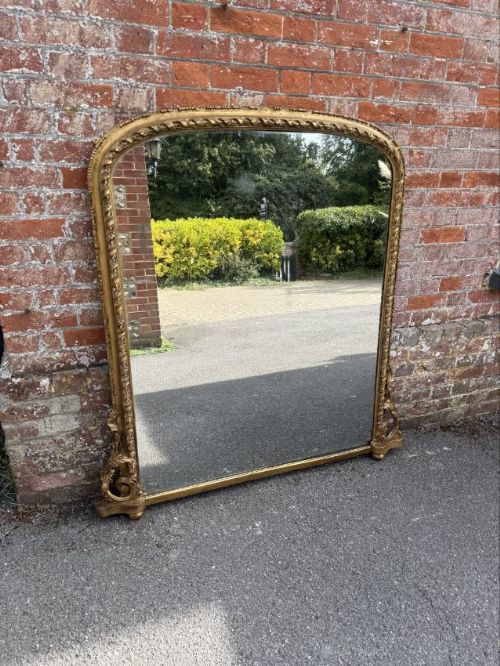
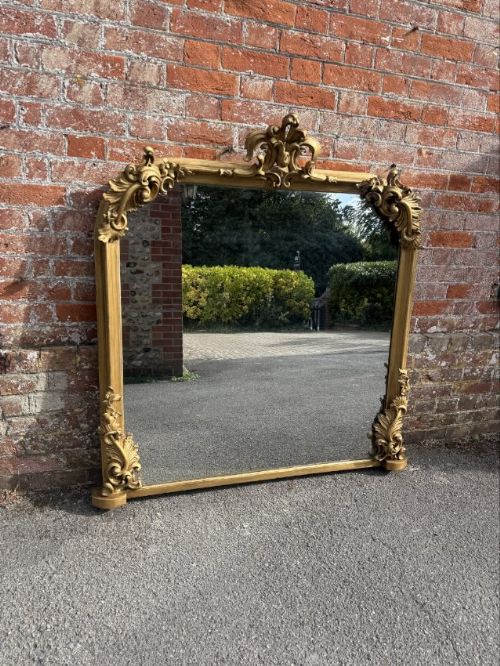
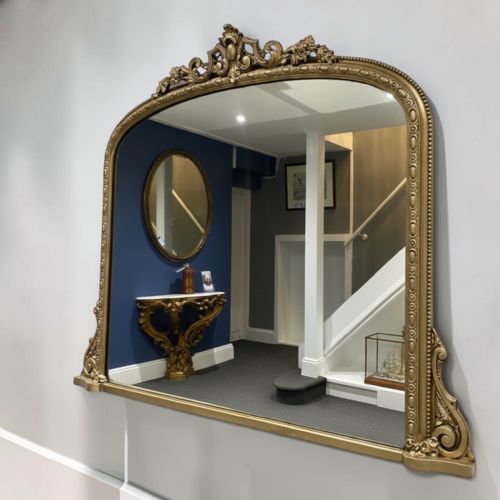
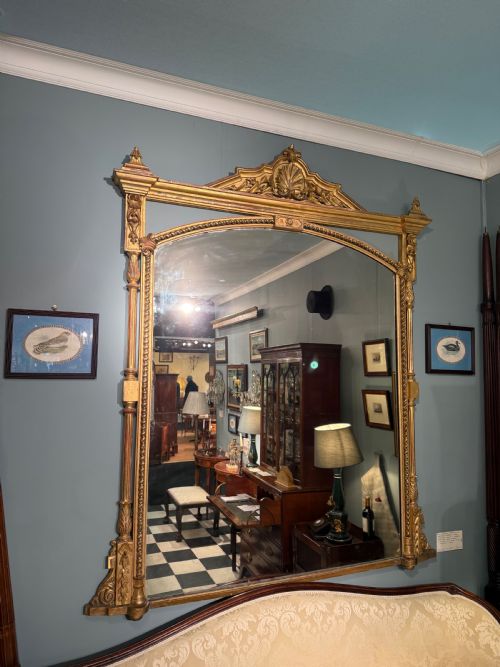
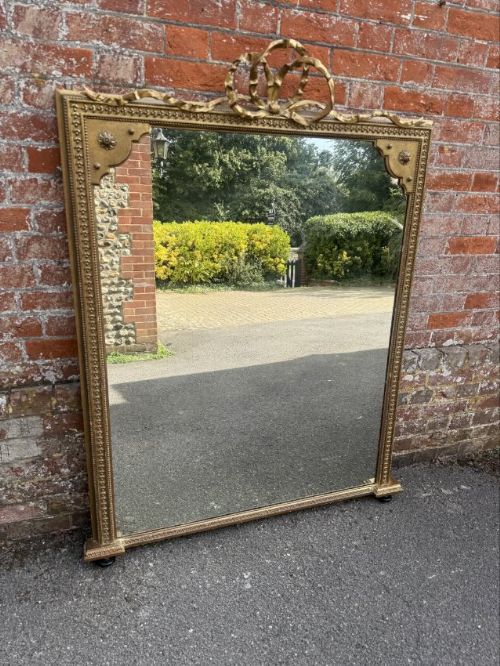
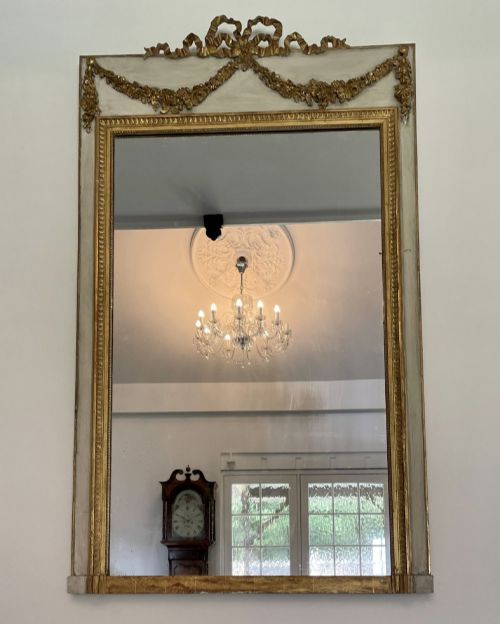
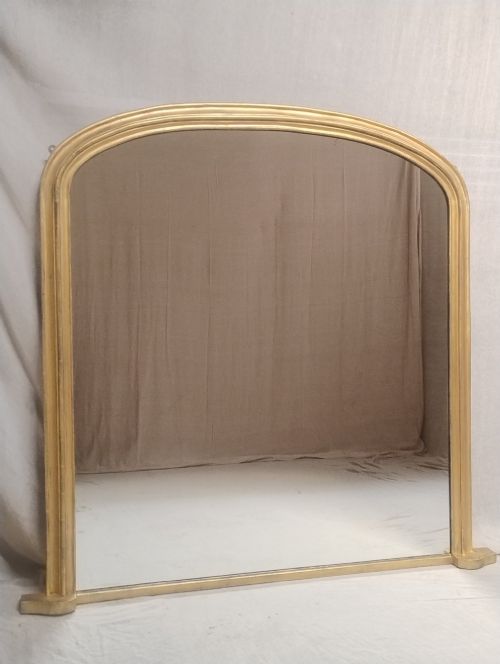
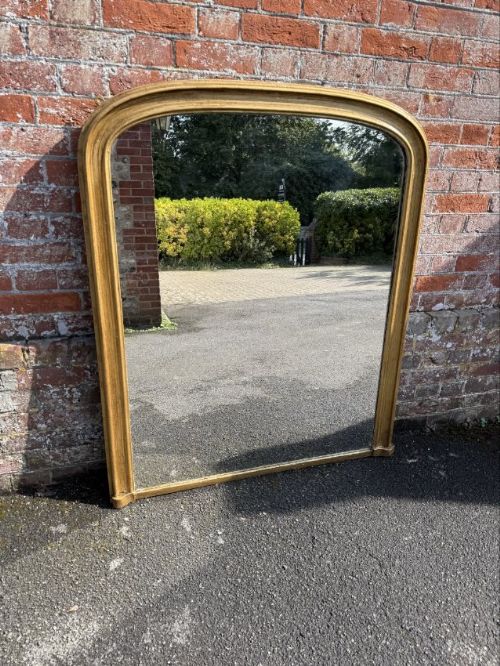
A french overmantle is a large mirror designed to sit directly upon a mantelpiece, anchoring the focal point of a principal reception room. The inventory on this page consists predominantly of nineteenth-century pieces from the Victorian era, spanning decades such as the eighteen-fifties, sixties, seventies, and eighties.
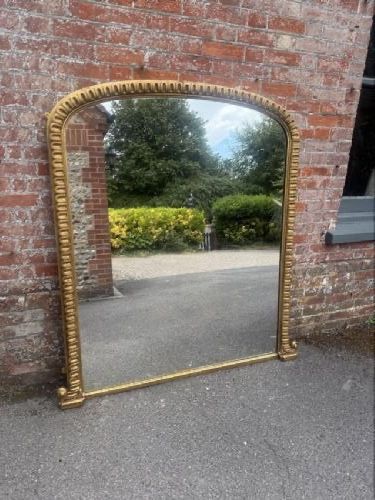
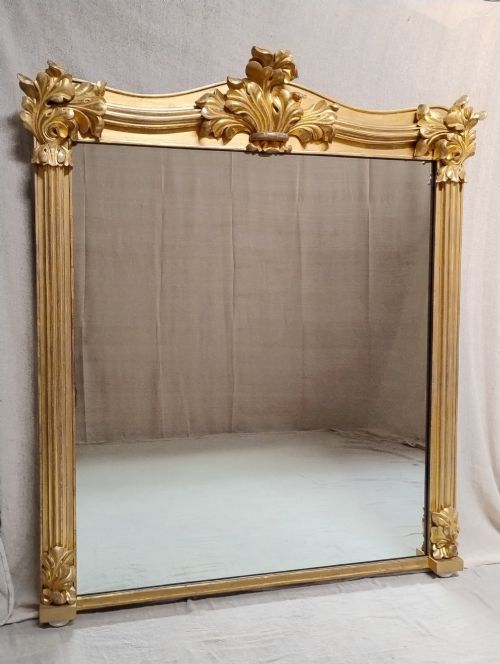
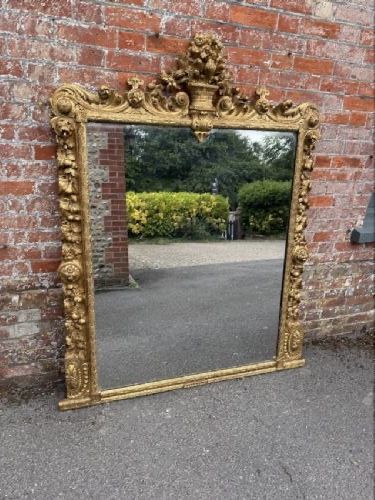
These items manifest in distinct architectural shapes including arched tops, shaped profiles, and traditional rectangular wall pier formats. Stylistic influences draw heavily from French chateau design, Louis Philippe symmetry, and elaborate rococo revival curves.
Makers produced these statement objects to reflect light across grand drawing rooms and parlours. Surviving examples demonstrate the enduring appeal of nineteenth-century proportions in contemporary interior settings.
Materials and Construction
Makers constructed the structural frames primarily from carved wood, applying layers of gesso to build up intricate surface ornamentation before applying gold leaf or paint. Composition material frequently appears in the moulded decorative details, allowing workshops to achieve complex relief patterns efficiently.
Glazing relies upon heavy mirror glass secured within substantial woodenrebates to support the considerable overall weight. Finishes range from bright gold leaf and parcel gilt schemes to white painted and silvered treatments.
French Overmantle Retail Price Guide 2026
Typical asking prices for french overmantle among the pieces listed under this phrase on Sellingantiques today, from the lower quarter to the upper quarter. They describe what is for sale here now, not the wider market.
Craftsmanship and Detailing
The distinction between standard production and superior work lies in the depth and crispness of the hand-carved wood elements versus moulded composition. Finer examples display meticulous joinery in the arched top frames and precise application of gold leaf over carefully prepared gesso grounds.
Subtleties in decorative motifs, such as rope twist carvings or ribbed columns, indicate the degree of artisan skill invested in the original commission. Original mirror glass plates with authentic foxing and ageing also contribute to the integrity of higher-tier specimens.
The French Overmantle Glossary
- Overmantel mirror
- A large looking glass specifically proportioned to hang on the wall or rest upon the shelf immediately above a fireplace mantelpiece.
- Gesso
- A plaster-like mixture applied to wooden frame foundations as a smooth base for subsequent gilding or painting.
- Giltwood
- Timber that has been coated with thin sheets of gold leaf or gold paint to simulate solid gold.
- Rope twist
- A carved decorative moulding resembling the spiral strands of a rope, frequently seen running along the inner or outer borders of mirror frames.
- Louis Philippe
- A nineteenth-century French style characterised by restrained classical proportions, often featuring gentle curves and minimal ornamentation.
French Overmantle: Frequently Asked Questions
How do I secure a heavy overmantle safely?
These large mirrors require fixing directly into solid masonry or substantial wall studs using heavy-duty brackets to bear the significant weight. Many traditional overmantles were designed to rest partially on the mantel shelf while anchored securely to the wall to prevent tipping.
Professional installation is strongly advised given the substantial dimensions and fragile nature of nineteenth-century glass and giltwood frames.
Can these mirrors hang without a fireplace?
While originally conceived for chimney breasts, these large pieces function effectively as standalone wall mirrors in hallways or living rooms. Their grand scale makes them ideal for bouncing natural light around high-ceilinged spaces regardless of architectural context.
Ensure the wall structure can support the considerable mass before mounting a heavy frame away from a supporting mantel shelf.
How should I clean a gilded frame?
Dust the intricate carved wood and gesso surfaces gently with a soft, dry brush to prevent accumulation without disturbing delicate gold leaf. Avoid moisture and chemical cleaning agents entirely, as liquid can soften the underlying gesso and cause the metallic finish to flake.
Glass panels may be wiped carefully with a microfibre cloth and mild glass cleaner, taking care not to let overspray reach the antique frame.
What defines the Louis Philippe style?
The Louis Philippe aesthetic favours understated elegance, typically avoiding the heavy exuberance of earlier rococo revival designs in favour of clean architectural lines. These frames often incorporate simple arched crowns and subtle beaded or moulded borders.
This restrained French sensibility allows nineteenth-century mirrors to integrate seamlessly into both minimalist modern apartments and traditional period homes.