

French Ormolu Table Lighting
French ormolu table lighting brings warmth and architectural detail to a room through gilded metalwork paired with marble, porcelain, and crystal.
French Ormolu Table Lighting
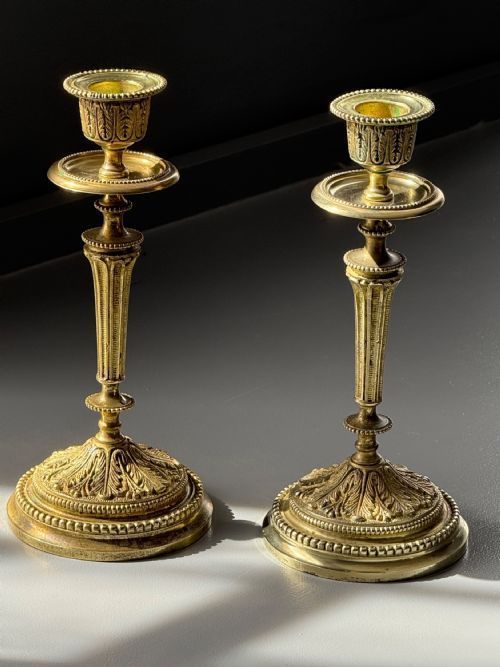
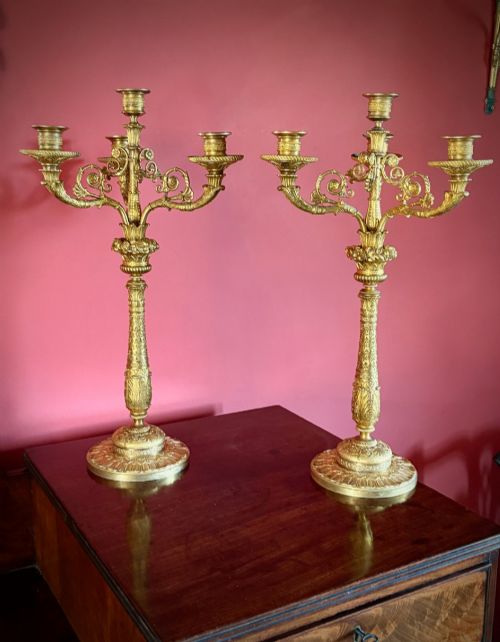
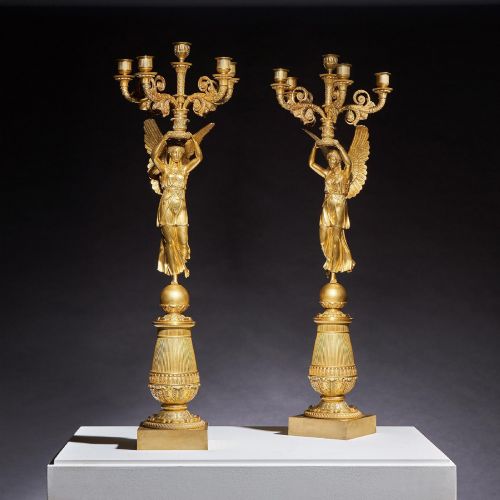
French ormolu table lighting encompasses candelabra, candlesticks, and adapted lamp bases cast in bronze and gilt brass, often dating from the nineteenth century. These pieces draw heavily on historical design vocabularies including Louis XVI, Empire, and Rococo Revival styles.
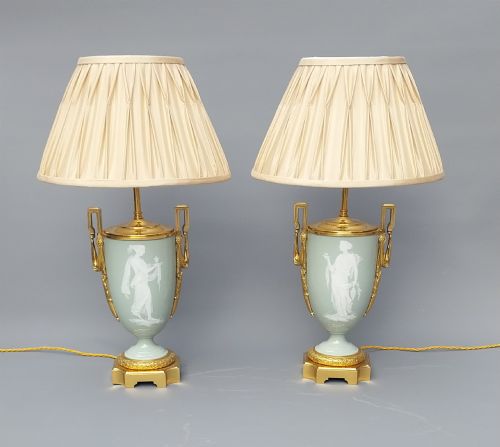
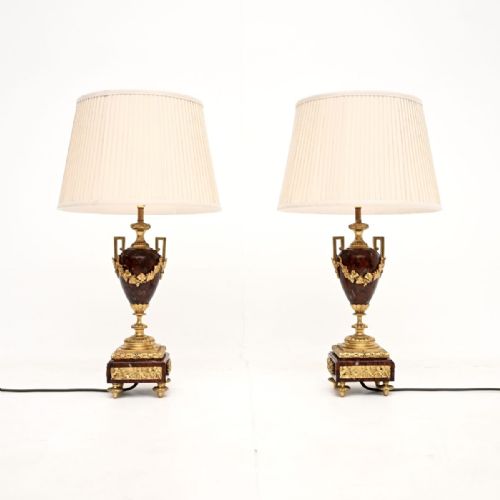
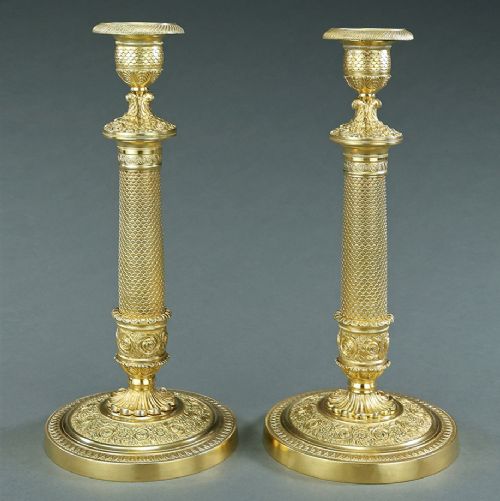
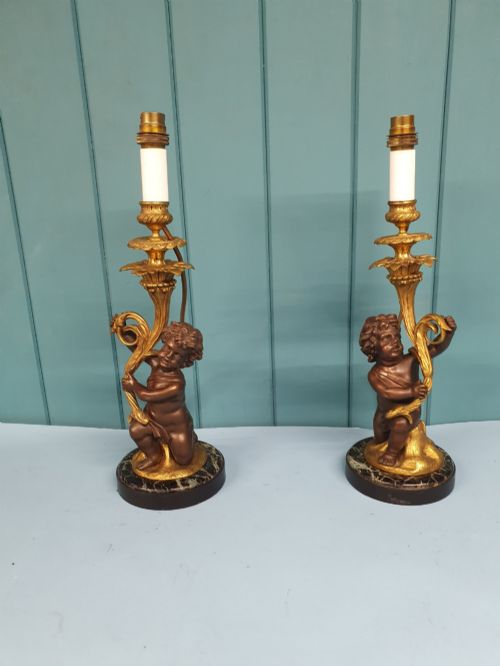
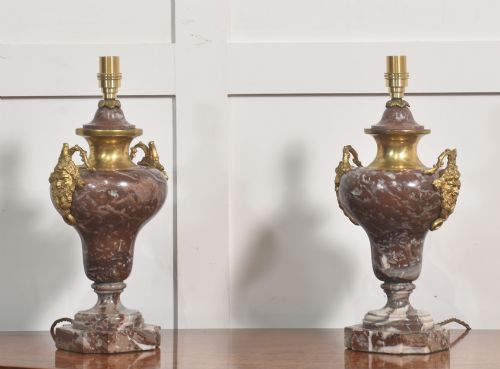
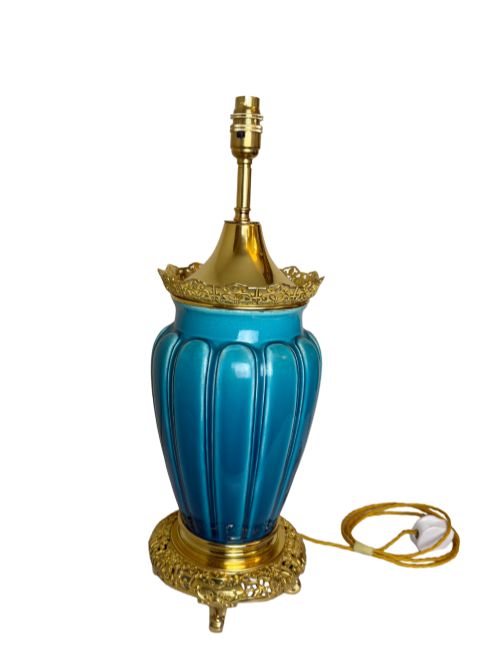
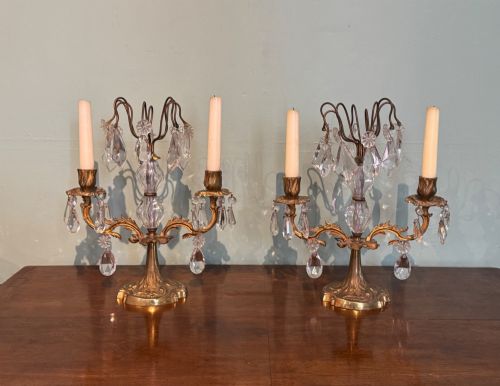
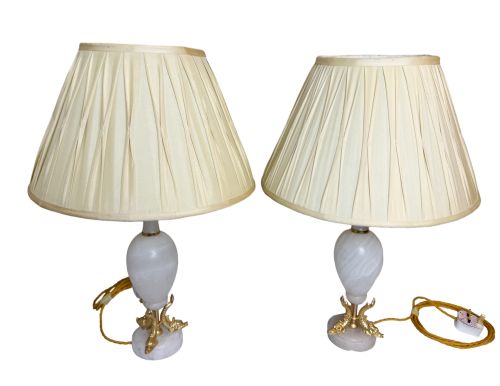
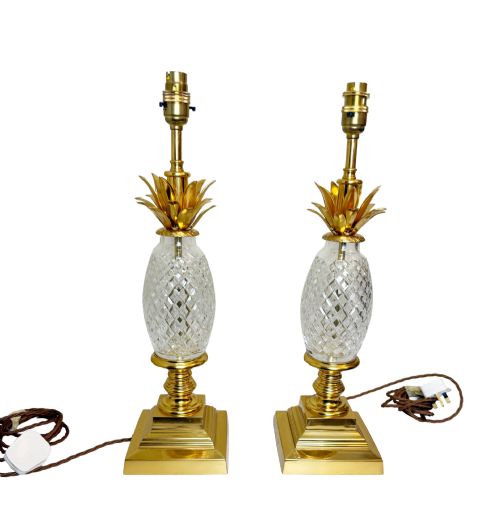
Buyers frequently encounter pairs of matching candlesticks or multi-armed candelabra fitted for electricity alongside column lamps and urn bases mounted on stone plinths. The material combinations frequently pair shimmering metallic surface finishes with contrasting blue porcelain, onyx, and rouge marble bodies.
Materials and Construction
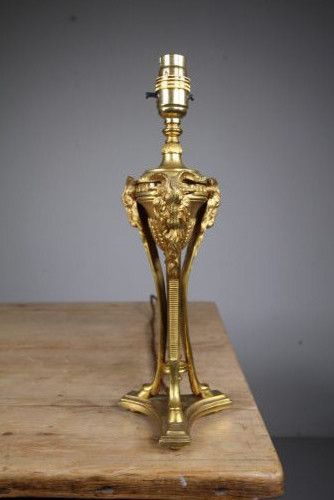
The foundation of these objects is typically cast bronze or brass, shaped through sand-casting to achieve crisp architectural moulding and sculptural figures such as cherubs or rams' heads. Artisans applied mercury gilding or modern electroplating to impart the characteristic rich golden finish known as ormolu.
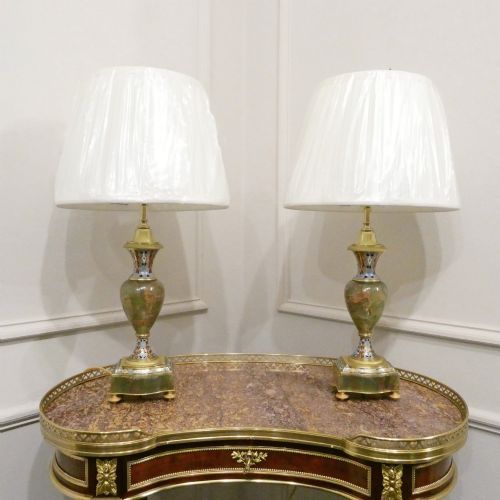
Many items incorporate secondary structural elements like white marble bases, champleve enamel sections, and hand-cut glass or crystal drops. These components are secured using threaded metal rods and bolts, allowing the complex assemblies to be taken apart for cleaning and repair.
The listings show nineteenth-century French production dominated by Empire and Louis XVI revival styles, frequently combining gilt bronze with marble.
Assessing Quality and Execution
Quality rests primarily in the crispness of the chasing, where master metalworkers manually refined the cast bronze using small chisels and punches to sharpen details like acanthus leaves and drapery. Softer, blurred ornamentation indicates secondary casting or excessive wear from past cleaning.
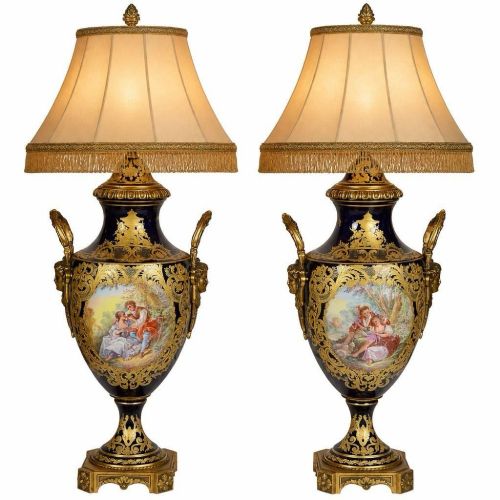
The weight and selection of constituent materials further distinguish superior examples, such as solid heavy bronze mounts rather than thin pressed metal, paired with unblemished natural marble or high-fired Sevres-style porcelain.
Pierre Philippe Thomire·Rabiat
The French Ormolu Table Lighting Glossary
- Ormolu
- A golden-coloured metallic finish applied to bronze objects, derived from the French term for ground gold. It creates a warm reflective surface on candelabra and lamp bases.
- Candelabra
- A branched candlestick designed to hold multiple taper candles simultaneously. Many surviving examples are later converted to take electric lamp fittings.
- Cassolette
- A decorative vessel shaped like a vase or urn, often featuring a reversible lid that functions as a candleholder. They frequently appear in matching pairs mounted with gilt bronze.
- Champleve
- An enamelling technique where troughs are dug into a metal surface and filled with coloured glass paste before firing. It appears on nineteenth-century decorative bases.
- Patinated Bronze
- Darkened chemical treatment applied to bronze surfaces to create contrast against bright ormolu highlights. It accentuates the depth of sculptural figures.
French Ormolu Table Lighting: Frequently Asked Questions
How do I safely wire antique ormolu lamps?
Rewiring should be handled by a qualified electrician who can run modern insulated cord through the existing central channels without damaging the historic bronze structure.
Retaining original socket components where possible preserves the integrity of the piece while ensuring domestic safety standards are met.
Can I polish ormolu metalwork?
Aggressive metal polishes will strip away the fragile historic gold surface layer, exposing the dull base brass or bronze underneath. Gentle dusting with a dry microfiber cloth is the best approach for daily maintenance.
If cleaning is necessary, use only warm water with mild soap and dry immediately to prevent moisture damage.
How do I identify Louis XVI style pieces?
Louis XVI style lighting is characterised by strict symmetry, straight fluted columns, and classical motifs like bead-and-reel moulding and ribbon twists. This aesthetic contrasts sharply with the sweeping, asymmetrical curves typical of earlier Rococo designs.
Most pieces featuring this vocabulary on the market date from nineteenth-century revival periods rather than the eighteenth century itself.
Where should I place these lamps in a room?
Because these items feature reflective gilded surfaces and contrasting stone plinths, they perform well on dark wooden sideboards or mantels where they catch ambient light. Placing them away from direct sunlight protects vulnerable porcelain bodies and fabric shades from fading.
Their balanced proportions also make them suitable for flanking mirrors or artwork on console tables.