





French Occasional Games Table
A french occasional games table brings versatile surface space and refined card-playing utility into a drawing room with unmistakable continental flair.
French Occasional Games Table
When you search for a french occasional games table, you are looking at multi-functional furniture designed for domestic leisure and elegant display throughout the nineteenth and twentieth centuries. These pieces combine the compact footprint of an occasional table with surfaces adapted for chess, cards, or general use.
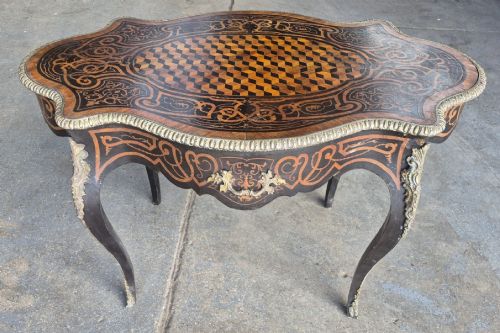
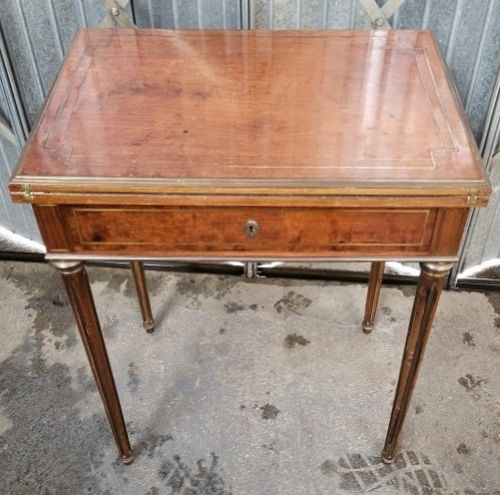
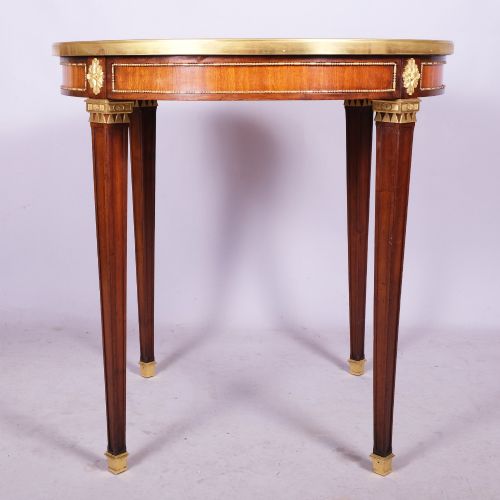
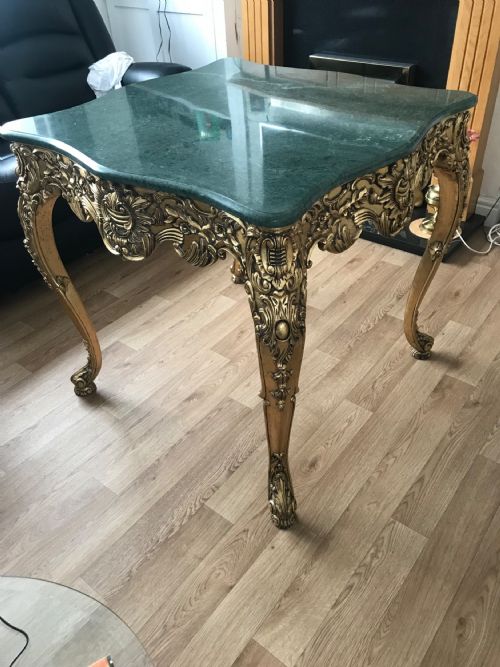
The versions you are most likely to meet on this page span the nineteenth century, including styles such as Louis XVI, French Provincial, and Rococo Revival. Forms range from circular bouillotte tables with marble tops to flap tables and intricate marquetry card tables.
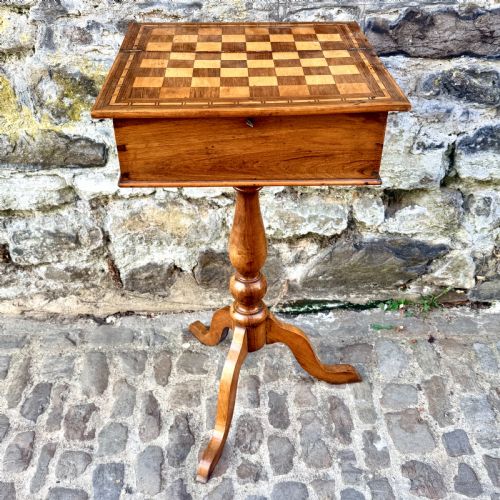
Makers and workshops utilised rich veneers and brass mounts to create pieces that served as both functional gaming boards and decorative centre tables. Many incorporate clever mechanisms, reversible tops, or small drawers for storing counters and pieces.
How they were made
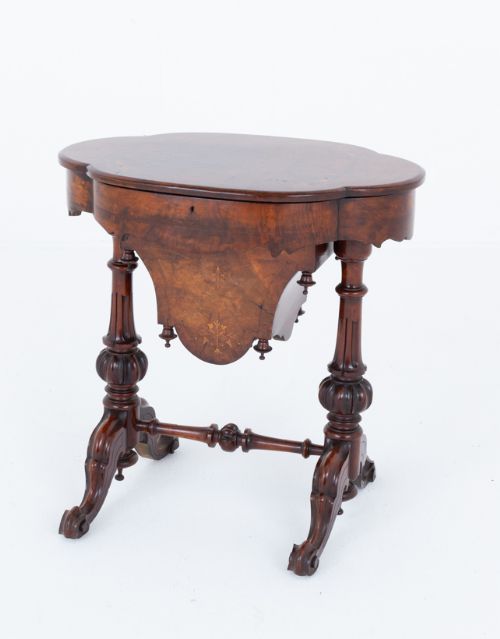
Carpenters constructed these tables using solid woods and fine veneers such as walnut, mahogany, fruitwood, and kingwood over sturdy carcases. Marquetry and inlaid wood created contrasting chequerboards on the playing surfaces, while brass and ormolu mounts added structural definition and decorative contrast.
Many examples incorporate polished marble inset tops with raised brass galleries, particularly on bouillotte and heavy occasional forms. Boulle work utilising tortoiseshell and brass inlay appears on grander Revival pieces, reflecting sophisticated cabinet-making techniques of the period.
French Occasional Games Table Retail Price Guide 2026
Typical asking prices for french occasional games table among the pieces listed under this phrase on Sellingantiques today, from the lower quarter to the upper quarter. They describe what is for sale here now, not the wider market.
Listings feature walnut, mahogany, fruitwood, and kingwood, alongside marble-topped bouillotte forms and marquetry inlaid surfaces.
What varies in quality
The distinction between standard production and finer pieces lies in the crispness of the brass ormolu mounts and the precision of the wood inlay. Hand-cut marquetry and tightly fitted pivoting or folding tops demonstrate superior workshop standards.
Material selection significantly affects the character of the piece, from simple fruitwood constructions to elaborately figured burr walnut and heavy, polished solid marble slabs. Original hardware, intact galleries, and smooth drawer operations elevate the standing of an individual table.
Antoine Lampre
The French Occasional Games Table Glossary
- Bouillotte table
- A small circular occasional table featuring a raised brass gallery around a marble top, traditionally used for the card game of the same name. They often include small pull-out candle slides beneath the rim.
- Ormolu
- Gilded bronze mounts and ornaments applied to furniture for decorative accent. The technique involves applying a mercury-gilding process to bronze, producing a rich golden lustre.
- Marquetry
- Decorative veneer patterns formed by fitting together thin pieces of wood, shell, or metal onto a structural carcase. It differs from inlay by assembling the entire design as a sheet before applying it.
- Boulle
- A style of marquetry developed in France utilising tortoiseshell and brass inlaid in counter-changed patterns. Named after the royal cabinet-maker André-Charles Boulle, it defines grand nineteenth-century revival pieces.
- Envelope table
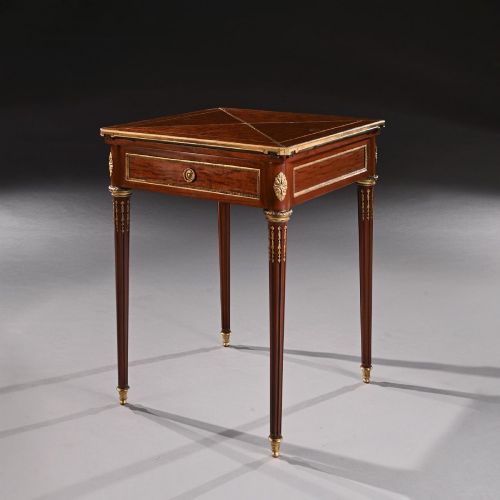
- A card table with four triangular flaps that fold over the centre like an envelope to reveal a baize-lined playing surface. When closed, it serves as a compact square occasional table.
French Occasional Games Table: Frequently Asked Questions
How were antique games tables used?
These tables served a dual purpose in nineteenth-century drawing rooms, functioning as everyday occasional surfaces for lamps or ornaments before being adapted for evening entertainment. Families and guests gathered around them to play chess, draughts, or card games using built-in boards and storage drawers.
Many designs featured clever folding, swiveling, or reversible tops that concealed the gaming surface when not in use. This allowed a formal parlour to transform quickly into a space for social recreation.
What is a bouillotte table?
A bouillotte table is a specific type of French circular occasional table characterised by a raised brass gallery rim designed to stop items from sliding off the marble top. They typically stand on slender legs and often include small pull-out slides for holding drinks or candles.
Originating in the eighteenth century and revived throughout the nineteenth, these tables were named after a popular French card game. Their compact proportions make them particularly adaptable as bedside or corner tables in modern homes.
How do I identify Louis XVI style features?
Louis XVI style furniture is defined by a return to classical straight lines, geometric symmetry, and restrained neoclassical ornamentation. Look for fluted tapering legs, rectangular or circular forms, and architectural motifs such as bead-and-reel carvings.
In contrast to the flowing curves of earlier Rococo designs, these tables emphasise proportion and structured elegance. Ormolu mounts on these pieces frequently depict classical foliage, ribbons, or urns.