

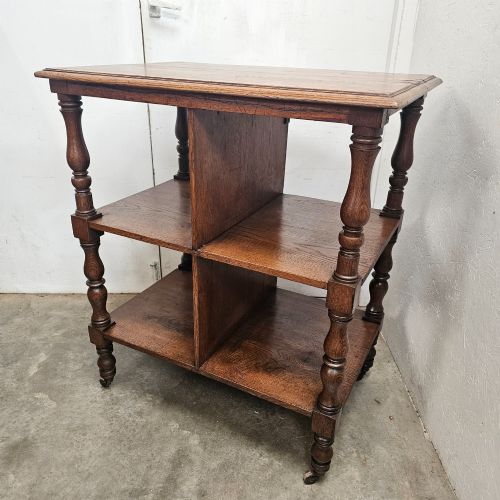
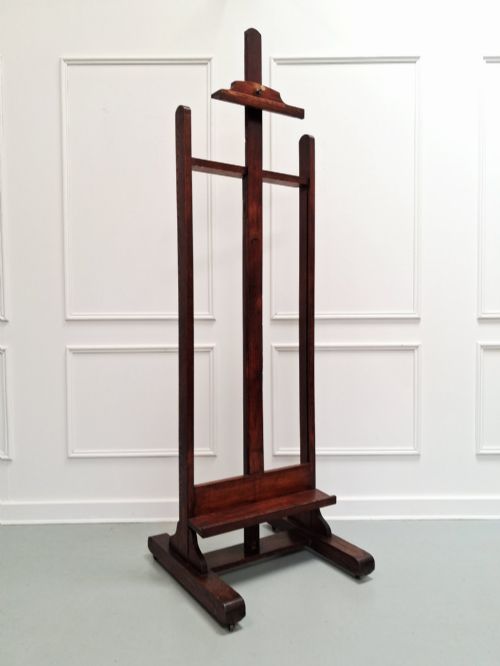


French Oak Stand
These french oak stand examples range from carved pedestals and display cabinets to washstands and library carts, shaped by provincial craftsmanship and practical utility.
French Oak Stand
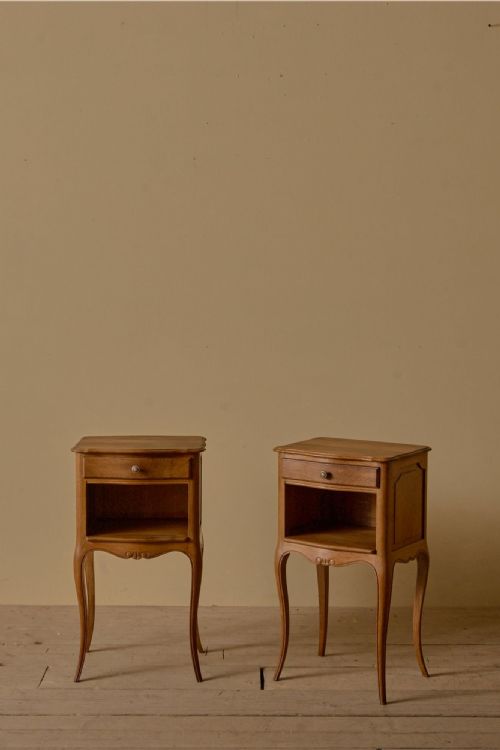
A french oak stand encompasses a diverse group of domestic and commercial furnishings, spanning pedestals, bedside cabinets, display tables, and storage cupboards. These pieces originate from various periods including the eighteenth and nineteenth centuries, reflecting both rural and urban workshop traditions.
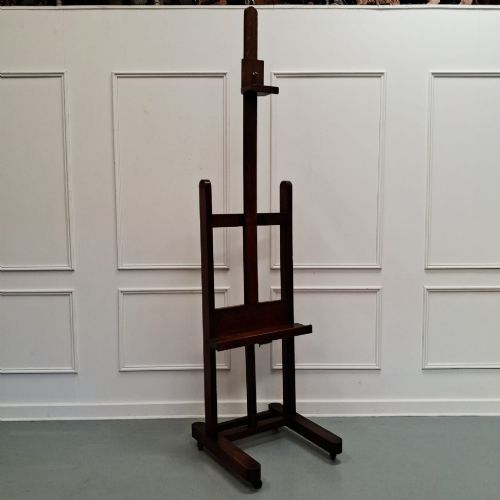
The objects appearing here take many functional forms, from column display pedestals and washstands to tabletop easels, hall racks, and specialised game blocks. Buyers most frequently encounter nineteenth-century examples alongside provincial cupboards and occasional tables.
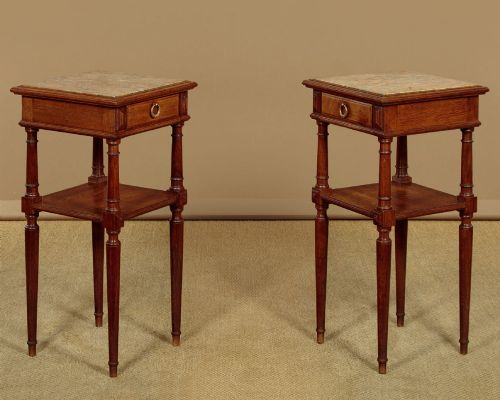
Regional diversity shapes the selection, incorporating French Provincial, French Country, and Renaissance Revival styles. The underlying timber remains consistently oak, frequently paired with secondary materials such as marble, brass, and iron.
What varies in quality
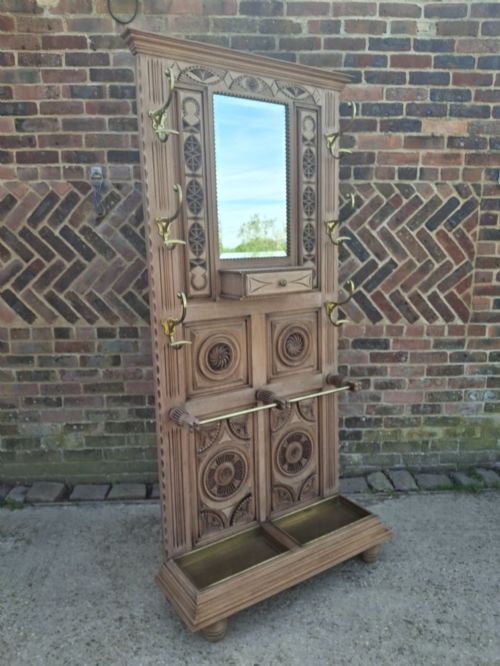
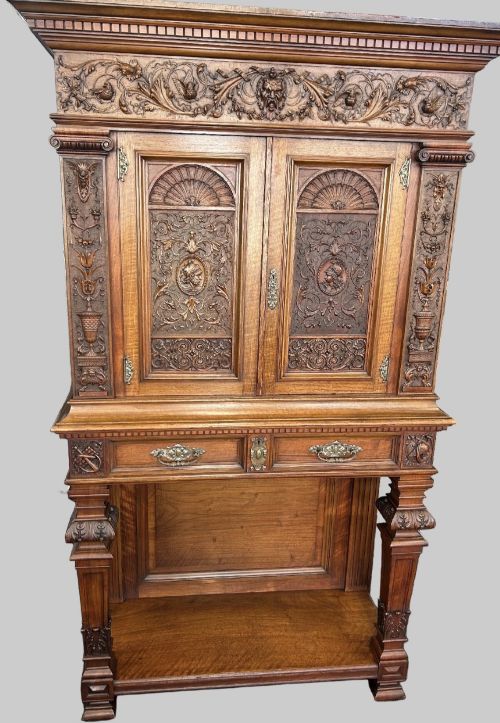
The depth and execution of hand-carved detailing set finer pieces apart from simpler utilitarian items, particularly within Renaissance Revival and provincial styles. Crisp mouldings, well-proportioned columns, and integrated hardware reflect higher workshop standards.
The condition and integrity of the primary oak timber, alongside supplementary materials like marble and brass, determine the overall merit of a piece. Original surfaces and honest patina demonstrate better preservation through changing domestic environments.
French Oak Stand Retail Price Guide 2026
Typical asking prices for french oak stand among the pieces listed under this phrase on Sellingantiques today, from the lower quarter to the upper quarter. They describe what is for sale here now, not the wider market.
Among the functional furniture stands, a taxidermy hall rack waits quietly to greet visitors.
Gillows
The French Oak Stand Glossary
- Pedestal
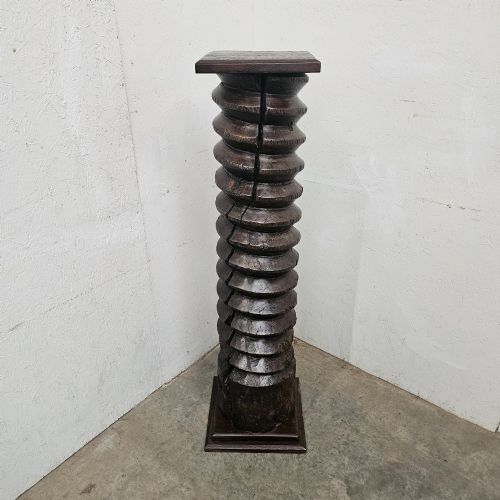
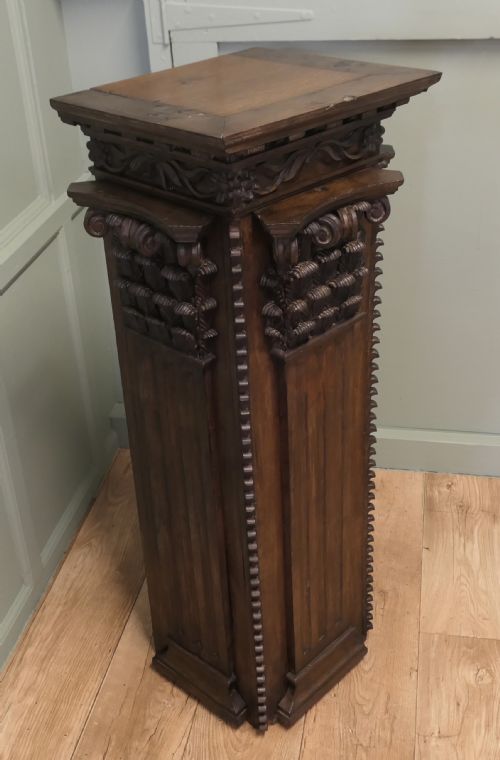
- A structural support or column designed to elevate a display object, bust, or sculpture. These take vertical column forms in carved oak.
- Etagere
- An open piece of furniture featuring multiple tiers for display. Examples combine oak with marble and canework.
- Jardiniere
- A decorative container intended to hold plants or flowers. Listed items include lined golden oak versions from the nineteenth century.
- Torchere
- A tall stand or candlestick holder designed to support a light source. Wooden examples appear carved from oak.
- Washstand
- A domestic piece designed to hold a basin and washing equipment. These often incorporate cabinetry and durable surfaces.
French Oak Stand: Frequently Asked Questions
What periods do these stands cover?
The listings span from the eighteenth century through to the early twentieth century, encompassing various regional French workshops. Nineteenth-century examples form a substantial portion of the available items.
Earlier eighteenth-century provincial cupboards sit alongside later Arts and Crafts and Renaissance Revival productions, showing evolving domestic requirements.
How were these stands used originally?
They served diverse roles in homes, shops, and restaurants, ranging from display surfaces for taxidermy and sculpture to functional storage in bedrooms and kitchens.
Specialised forms like library carts, game blocks, and reception stations highlight the practical commercial applications found alongside domestic bedside cabinets and washstands.
What materials accompany the oak?
Solid oak forms the primary structure of these pieces, often finished in dark or golden tones. Secondary materials are integrated for utility and decoration.
Brass, iron, and wrought iron appear in hardware and wine press screws, while marble and glass provide durable surfaces on tables and etageres.
How do I identify provincial styles?
Provincial pieces display simpler, robust construction methods rooted in regional traditions rather than formal court styles. They rely on heavy oak timbers and practical forms.
Details like hand-carved panels and rustic finishes distinguish French Country and provincial items from heavily ornamented Renaissance Revival productions.