


French Oak Console
A french oak console brings warmth and robust utility to a hallway or living space through time-worn timber.
French Oak Console
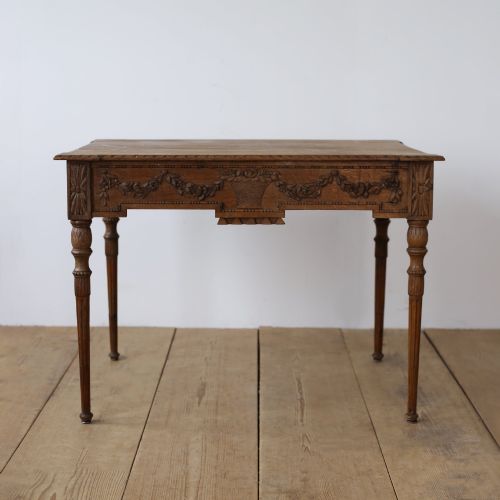
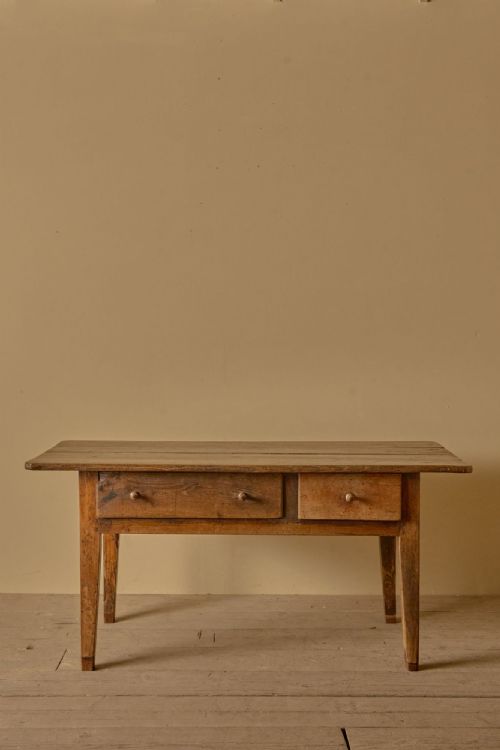
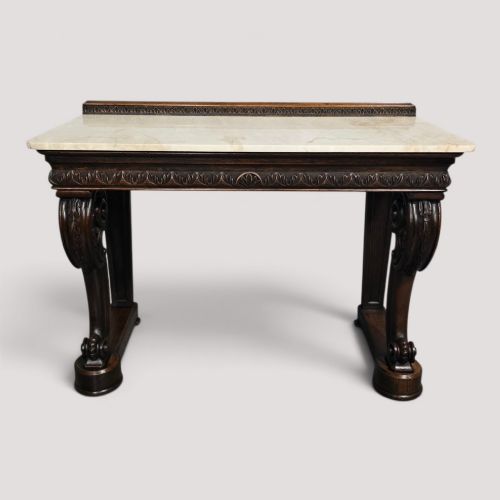
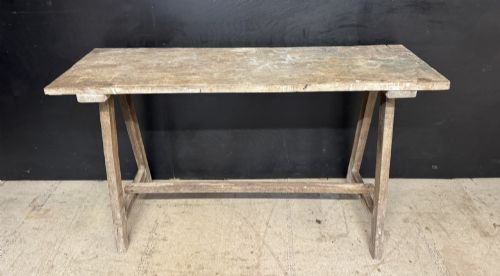
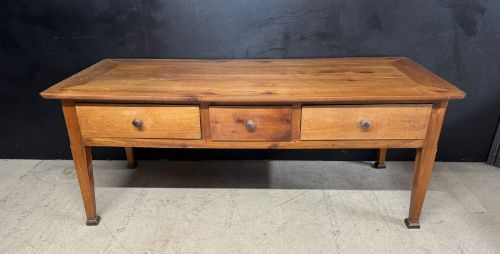
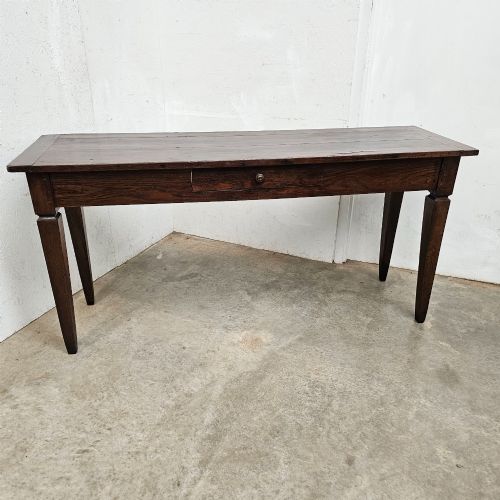
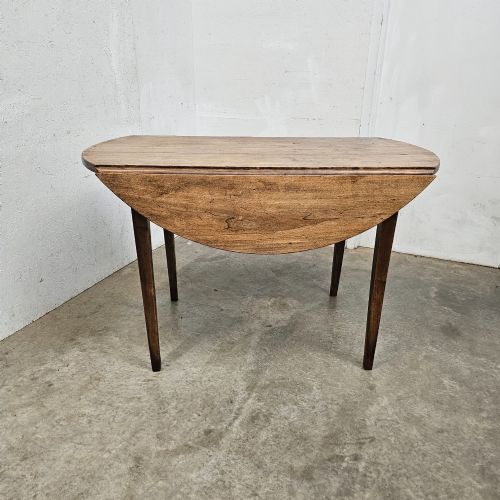
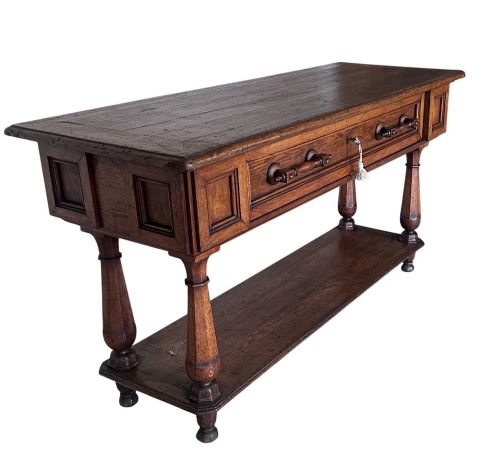
A french oak console represents a diverse group of heavy wooden tables designed for serving, display, and prep work. Buyers seeking this phrase encounter sturdy nineteenth-century forms alongside eighteenth-century examples and vintage items.
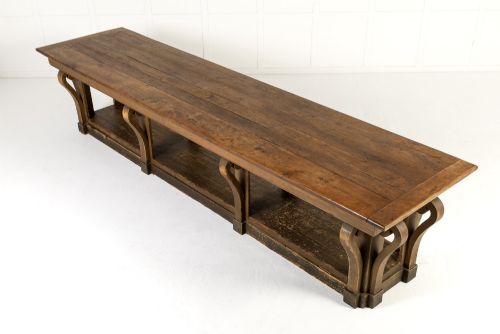
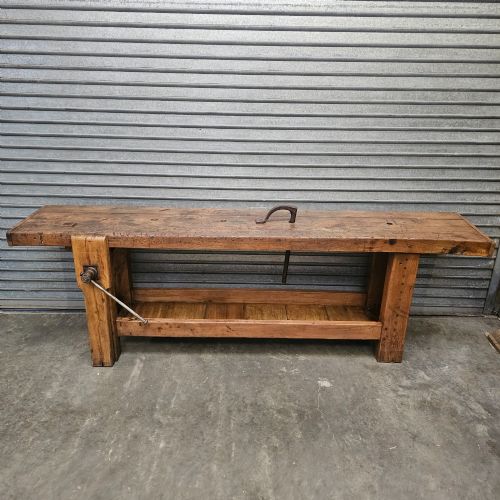
The selection ranges from narrow serpentine front tables and demi lune shapes to long serving boards and robust workbenches. Many pieces double as hall tables or serving surfaces within country houses and provincial interiors.
How they were made
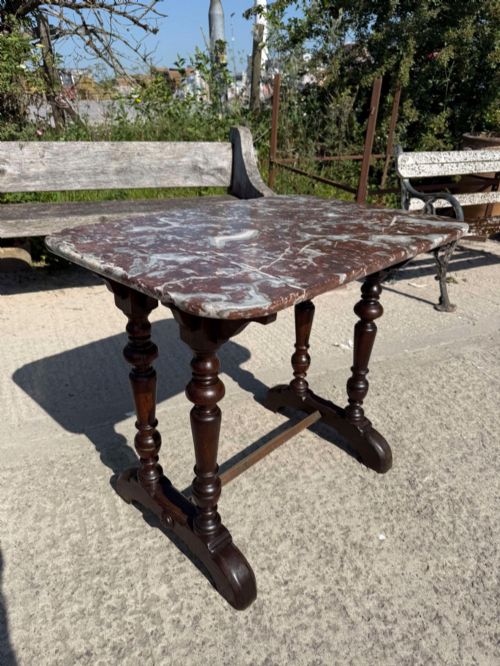
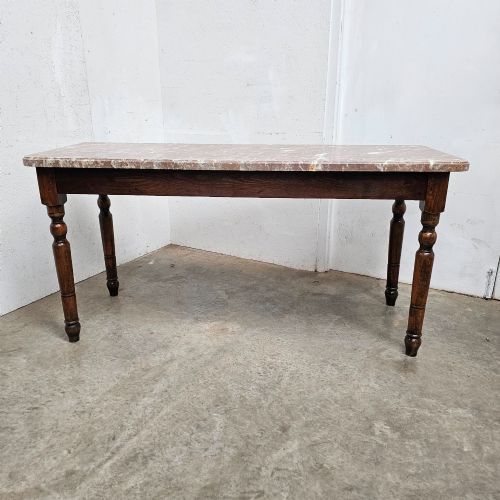
Craftsmen built these tables using solid timber frames of oak, fruitwood, and pine, often incorporating heavy iron and brass hardware for structural support. Marble, granite, and wood surfaces provided durable tops suited for food preparation and daily use.
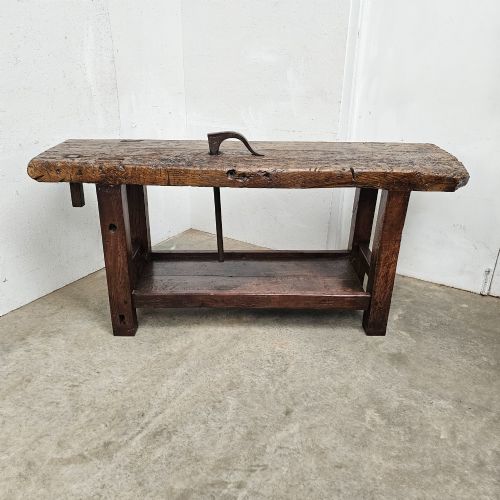
Joinery techniques relied on traditional pegged joints, clamping bars, and vices, particularly on artisan workbenches and drapers tables. Surfaces exhibit hand-carved details, bleached finishes, and natural grain patination developed over centuries of service.
French Oak Console Retail Price Guide 2026
Typical asking prices for french oak console among the pieces listed under this phrase on Sellingantiques today, from the lower quarter to the upper quarter. They describe what is for sale here now, not the wider market.
Listings feature oak, marble, pine, and fruitwood across nineteenth-century and eighteenth-century periods.
What varies in quality
Quality separates through the integrity of the original timber and the subtlety of hand-carved ornamentation. Tables retaining their unblemished marble or granite tops command greater appreciation among collectors.
Proportion and structural originality dictate the standing of each piece, with untouched workbenches and period serving tables showing superior craftsmanship compared to later adaptations.
KRIEGER of Paris
The French Oak Console Glossary
- Demi Lune
- A half-moon shape used for console tables designed to sit flush against a wall. This profile saves floor space in narrower hallways and corridors.
- Potshelf
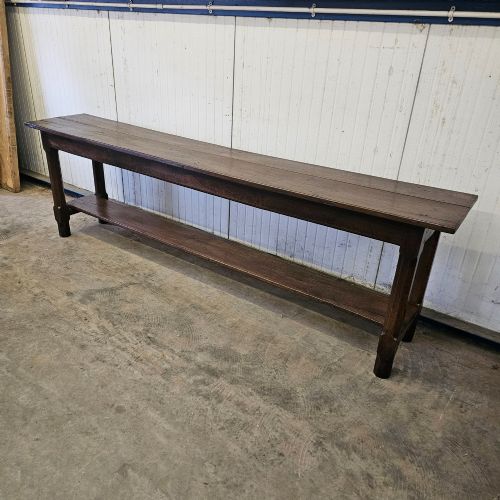
- A low secondary shelf positioned beneath the main surface of a serving table. Historically, it held heavy pots and kitchen utensils.
- Bleached Oak
- Timber treated to lighten its natural dark tone, creating a pale, weathered surface. This finish appears frequently on nineteenth-century French tables.
- Serpentine Front
- A gently undulating convex and concave curve across the front edge of a cabinet or table. It adds visual movement to formal console designs.
- Drapers Table
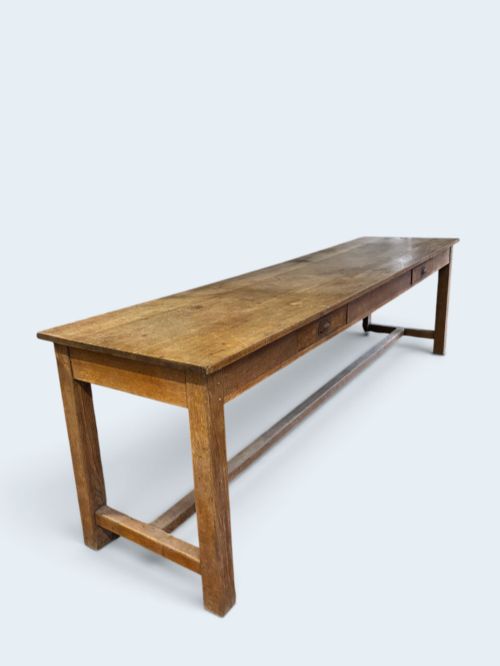
- An exceptionally long, narrow table historically used in textile shops for folding cloth. Today, these serve as substantial console or serving surfaces.
French Oak Console: Frequently Asked Questions
What is a french oak console used for?
These tables function primarily as decorative and practical surfaces in entryways, dining rooms, and kitchens. Their narrow profiles suit hallways while providing ample space for lamps and decorative objects.
Historically, many examples served as prep tables, workbenches, or serving boards in French country houses. Today, they bring rustic utility and historical character into modern domestic interiors.
How do I tell an 18th century console apart from a 19th century one?
Eighteenth-century examples typically display deeper hand-carved details and structural patination acquired through extended use. Timber selection and joinery methods also reflect earlier provincial woodworking traditions.
Nineteenth-century pieces often encompass a wider variety of forms, including industrial-influenced workbenches and neoclassical revival styles. Examining the underside and hardware helps clarify the period of construction.
Are marble top console tables original?
Marble and granite tops on pastry and patisserie tables served a functional purpose for cooling pastry dough and food preparation. Many period examples retain their original stone slabs fitted directly into the timber frame.
Some pieces integrate replacement stone or alternate between solid wood and marble surfaces depending on their specific workshop origin. The fit and edge profiling generally indicate whether the top belongs to the base.
How do I care for a bleached oak surface?
Bleached oak requires gentle cleaning with a dry or barely damp cloth to preserve the pale, dry-scrape finish. Avoid harsh chemical cleaners and excessive moisture that might penetrate the untreated grain.
Applying occasional natural wax helps protect the wood from everyday wear while maintaining its matte appearance. Keeping the table away from direct heat sources prevents timber splitting.