




French Neoclassical Overmantel Mirror
A French neoclassical overmantel mirror brings architectural harmony and reflected light above a fireplace, anchoring a room with classical dignity.
French Neoclassical Overmantel Mirror
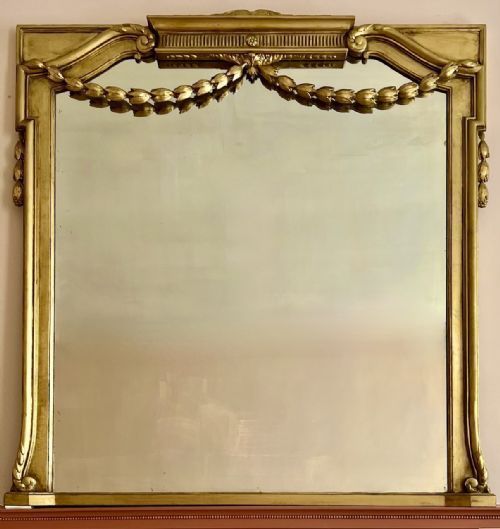
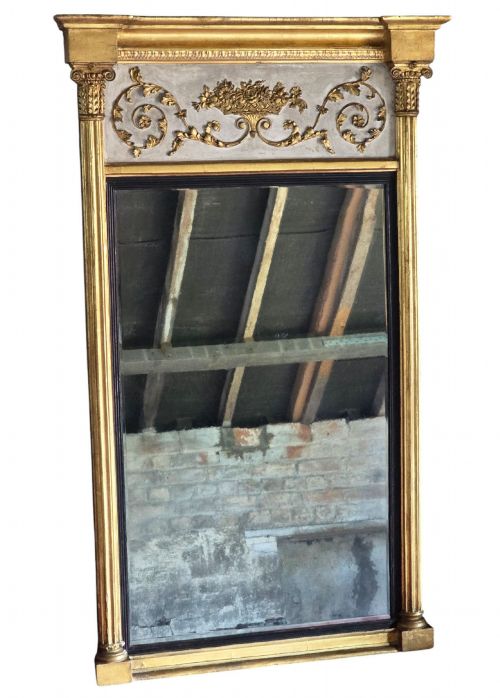
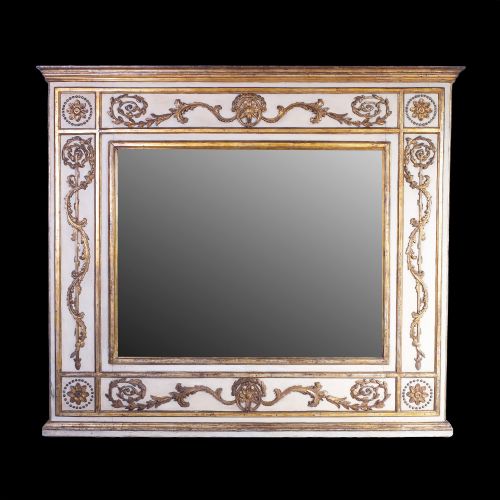
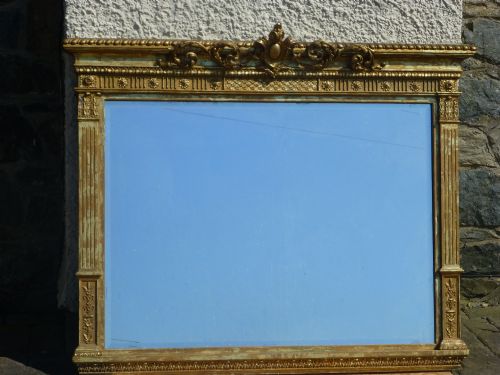
A French neoclassical overmantel mirror is designed specifically to hang above a mantelpiece, drawing the eye upward and echoing the proportions of the hearth below. These pieces appear across several centuries, including eighteenth-century examples alongside nineteenth-century interpretations in the Louis XVI and Empire styles.
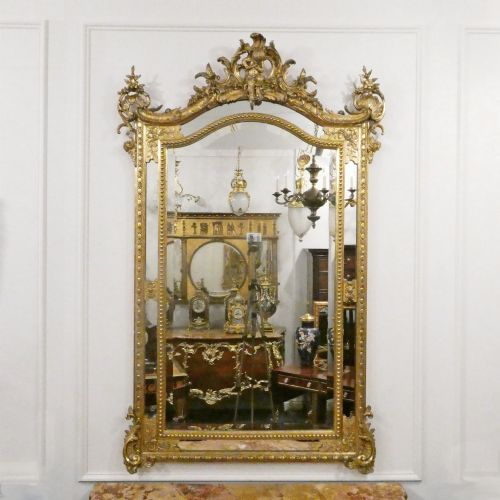
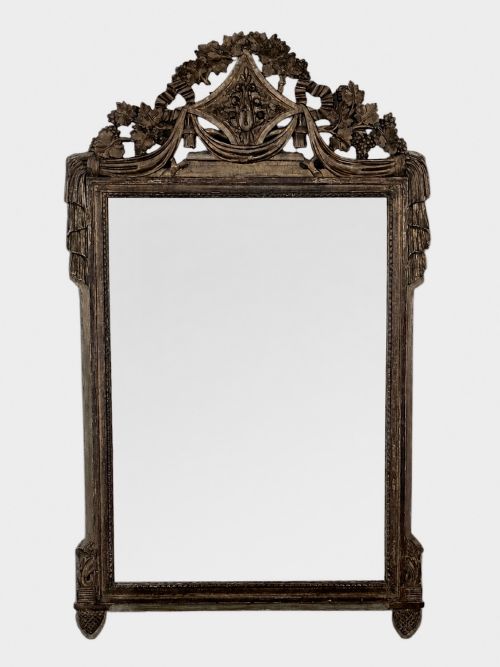
The form encompasses rectangular overmantel formats as well as tall pier mirrors and trumeau panels fitted with classical motifs. Frames show clear lineage from French chateau design, utilising symmetrical balance and restrained ornamentation.
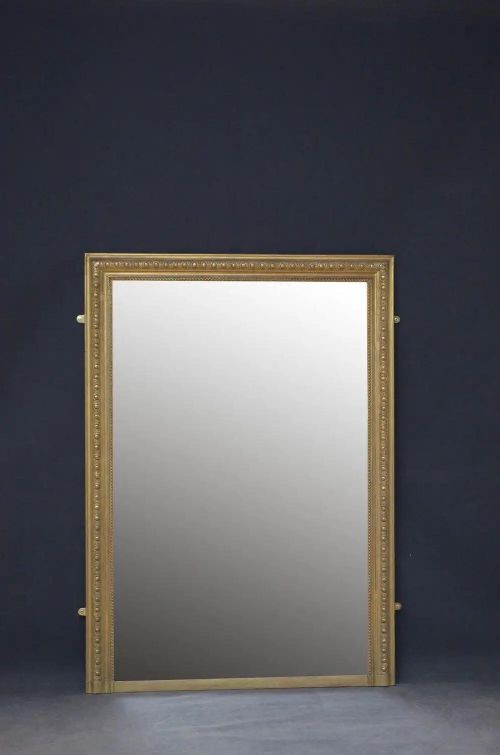
Most examples encountered on this page date from the nineteenth century, blending earlier classical restraint with Victorian scale and decorative ambition. Buyers select them to create a distinct focal point that organises the surrounding interior wall space.
Materials and Construction Methods
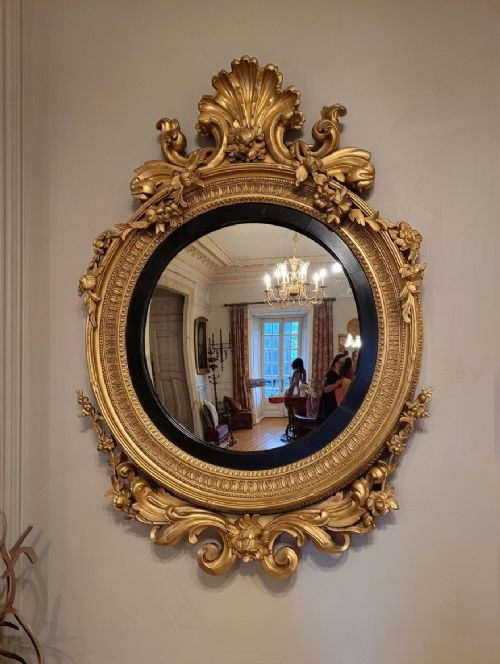
Makers built these frames using timber cores of wood or mahogany, finished with layers of gesso to prepare smooth surfaces for gilding or paint. Giltwood and gilded finishes dominate the evidence, catching ambient light within a room.
Carved wooden details and composition ornaments applied to the gesso ground provide the characteristic classical relief panels and swags. Mercury glass appears in earlier pieces, yielding a distinct, slightly darker reflection than modern float glass.
Listings feature periods spanning the eighteenth century, the Regency era, and the Victorian period, alongside twentieth-century Edwardian examples.
Distinctions in Quality
Quality rests primarily in the crispness of the hand-carved detail within the gesso and wood framing, separating mass-produced composition ornament from finer artistic execution. The depth and integrity of the original gilding dictate the visual impact of the piece.
Proportion and scale also separate standard domestic mirrors from monumental salon examples designed for high-ceilinged interiors. The survival of original glass, whether mercury plate or early bevelled silvered glass, preserves the authenticity of the object.
Nosotti's
The French Neoclassical Overmantel Mirror Glossary
- Overmantel mirror
- A large mirror designed to hang specifically above a fireplace mantel. Its proportions usually match the width of the fireplace surround.
- Trumeau mirror
- A decorative wall mirror combined with a painted or carved panel above the glass. These were often built into the wood panelling of French rooms.
- Gesso
- A plaster-like mixture applied to wood frames to create a smooth base for gilding or painting. It accepts fine carving and moulding before finishing.
- Giltwood
- Timber that has been coated in thin sheets of gold leaf. This technique provides a durable, luminous surface characteristic of formal mirrors.
- Pier mirror
- A tall, narrow mirror designed to hang on the wall space between two windows. They often stand above small console tables or piers.
French Neoclassical Overmantel Mirror: Frequently Asked Questions
How do I hang a heavy overmantel mirror?
These frames require professional wall anchors fixed directly into structural masonry or heavy timber studs behind the plaster. Because the combined weight of wood, gesso and glass is substantial, proper weight distribution across multiple fixing points is essential for safety.
Position the mirror so its lower edge rests slightly above the mantel shelf or leaves a deliberate visual gap. This protects the frame from direct heat rising from the fireplace while maintaining the intended architectural relationship with the hearth.
What is mercury glass?
Mercury glass is an early type of mirror plate produced by pouring a liquid tin and mercury amalgam behind the glass pane. This historical method creates a mottled, deep reflection with characteristic dark spots and soft edges.
Over time, the backing oxidises gracefully, giving the glass an unmistakable antique appearance. Modern replacements lack this chemical depth and irregular surface texture.
How do I clean an antique gilt frame?
Dust the carved surface gently with a soft, dry artist's brush or a feather duster. Moisture and commercial cleaning products can strip or discolour fragile gold leaf and composition ornament.
Avoid rubbing the gilded areas, as nineteenth-century water gilding is particularly sensitive to dampness. Professional conservation is necessary if the surface requires more than light dusting.
How do I distinguish Louis XVI style from Empire?
Louis XVI style mirrors feature straight lines, symmetrical neoclassical motifs, urns, ribbons, and restrained fluting. The aesthetic is light, balanced, and rooted in classical restraint.
Empire style pieces, by contrast, draw on heavier military and Roman symbolism, incorporating bold laurel wreaths, sphinxes, and dark or richly gilded surfaces. Empire frames project a more monumental, imposing presence within a room.